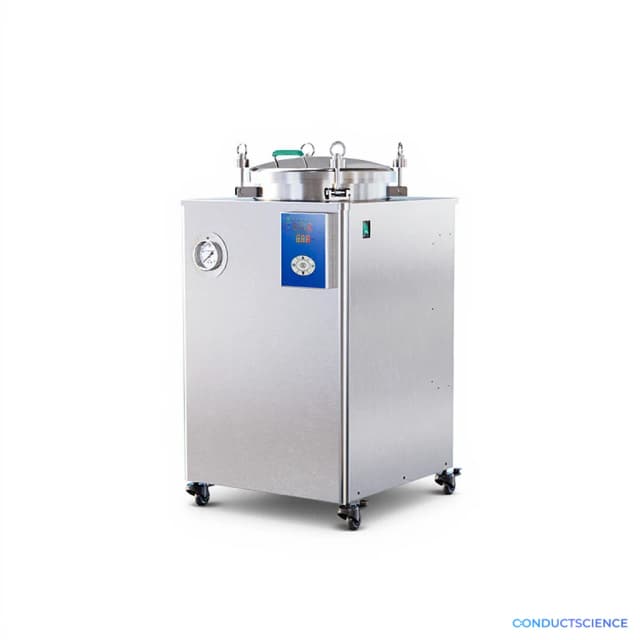
Biosafety Autoclave
Laboratory steam autoclave with 50L capacity, 134°C working temperature, and 0.1°C temperature precision for reliable sterilization of biohazardous materials and laboratory equipment.

Louise Corscadden, PhD
Director of Science · ConductScience
Ask Louise about Biosafety Autoclave fit, setup, configuration, or quote prep.
Already working with us? Sign in to connect this with My Scientist.
Key Specifications
Full details →- Model fit
- Configured during quote
- SKU family
- BIO-0145
- Shipping box
- 107.0 x 70.0 x 61.0 cm
- Ordering
- Online checkout and quote request available
- Category
- Autoclaves
- Build notes
- S30408
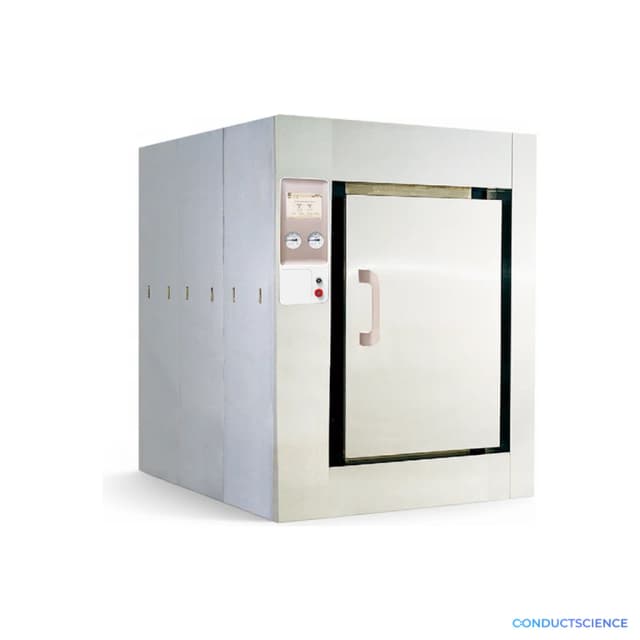
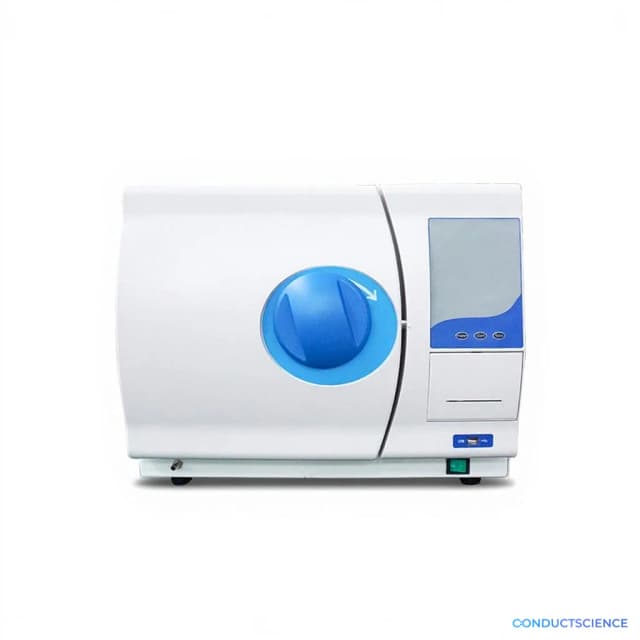
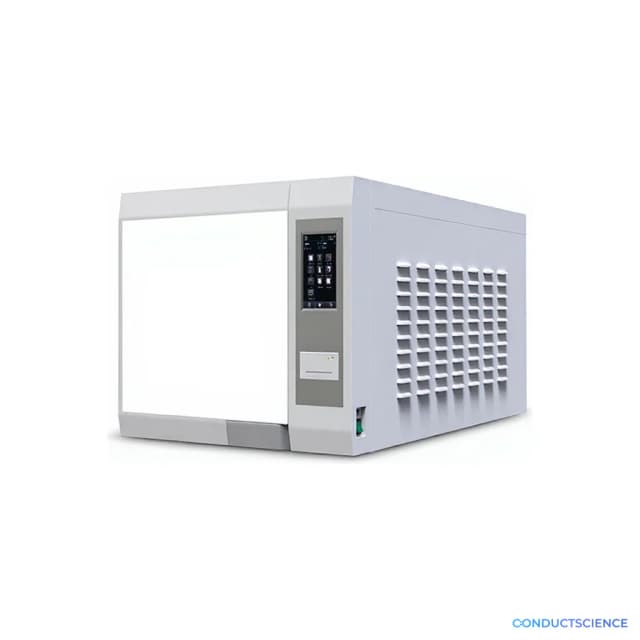
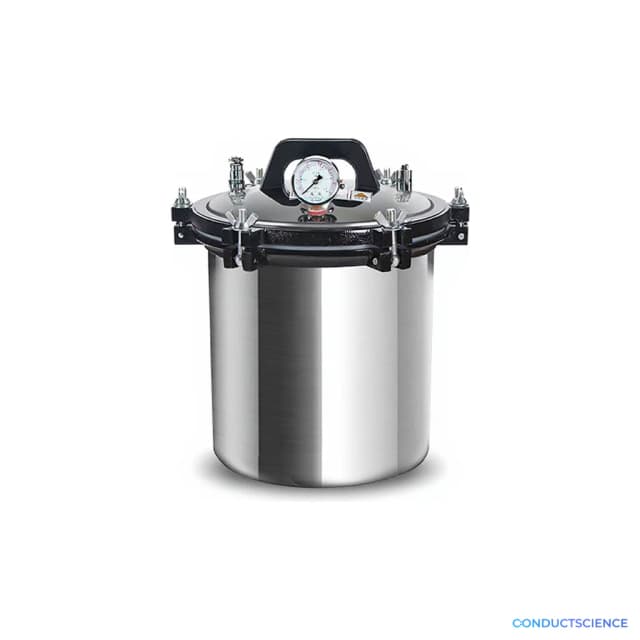
The ConductScience Biosafety Autoclave (BIO-0145) is a laboratory-grade steam sterilization system designed for decontamination of biohazardous materials and laboratory waste. This pressure vessel operates at 0.23 MPa working pressure and 134°C working temperature, providing steam sterilization cycles for contaminated laboratory equipment, media, and biological waste materials.
The autoclave features a stainless steel S30408 chamber with 50L capacity and includes sterilization baskets for efficient load organization. Temperature precision of 0.1°C ensures consistent sterilization conditions, while the 65dB maximum noise level allows for quiet laboratory operation. The system is constructed to withstand designed pressures up to 0.28 MPa and temperatures up to 150°C for safety margins during operation.
How It Works
Steam sterilization operates through moist heat under pressure to achieve microbial kill through protein denaturation and enzyme inactivation. The autoclave generates saturated steam at 134°C under 0.23 MPa pressure, creating conditions that penetrate materials and destroy vegetative bacteria, fungi, viruses, and bacterial spores through thermal destruction.
The S30408 stainless steel chamber provides corrosion resistance and thermal conductivity for uniform heat distribution. Temperature precision of 0.1°C is maintained throughout the sterilization cycle to ensure consistent lethal conditions across the entire load volume. The pressure vessel design allows for rapid steam penetration and air displacement, critical for effective sterilization of porous materials and complex geometries.
Features & Benefits
Automation Level
- semi-automated
BKQ-B75BL
- BKQ-B100BL
75L
- 100L
Designed Pressure
- 0.28MPa
Working Pressure
- 0.23MPa
Designed Temp.
- 150℃
Working Temp.
- 134℃
Temp. Precision
- 0.1℃
Chamber Material
- S30408
Chamber Size
- φ386*515mm
φ386*695mm
- φ386*875mm
Basket
- φ365*360mm, 1pc
φ365*265mm, 2pcs
- φ365*360mm, 2pcs
Noise
- ≤65dB
Brand
- ConductScience
Research Domain
- Cell Biology
- Clinical Diagnostics
- Environmental Monitoring
- Industrial Hygiene
- Microbiology
- Pharmaceutical QC
Capacity
- 50L
Shipping weight
- 118.0 lb
Shipping box
- L: 107.0 cm
- W: 70.0 cm
- H: 61.0 cm
| Feature | This Product | Typical Alternative | Advantage |
|---|---|---|---|
| Chamber Capacity | 50L working volume | Entry-level models often offer 20-30L capacity | Larger capacity reduces the number of sterilization cycles required for high-volume laboratories. |
| Temperature Precision | 0.1°C precision | Basic models typically offer ±1-2°C control | Precise temperature control ensures consistent sterilization conditions and supports process validation requirements. |
| Chamber Material | S30408 stainless steel | Lower-grade stainless steel or coated chambers common in budget units | Superior corrosion resistance extends chamber life and maintains sterilization integrity. |
| Operating Pressure | 0.23 MPa working pressure | Varies by model and application | Standard sterilization pressure ensures compatibility with established validation protocols. |
| Noise Level | ≤65dB operation | Many units operate at 70-80dB | Quieter operation allows placement in active laboratory areas without disrupting other work. |
| Safety Margin | 0.28 MPa designed pressure (0.23 MPa working) | Varies by manufacturer design standards | Higher safety margin provides operational reliability and regulatory compliance confidence. |
This 50L autoclave combines substantial capacity with precise temperature control and robust stainless steel construction. The 0.1°C temperature precision and ≤65dB quiet operation make it suitable for demanding laboratory environments requiring consistent sterilization performance.
Practical Tips
Perform temperature mapping with multiple thermocouples placed throughout the chamber to verify the 0.1°C precision specification.
Why: Temperature uniformity validation ensures all load positions receive adequate sterilization conditions.
Inspect and clean the S30408 stainless steel chamber weekly with appropriate cleaners to prevent mineral buildup from steam condensate.
Why: Regular cleaning maintains chamber integrity and prevents corrosion that could compromise sterilization effectiveness.
Arrange loads in sterilization baskets to allow steam circulation around all surfaces, avoiding tight packing.
Why: Proper load configuration ensures steam penetration and uniform heating throughout the entire load volume.
Verify pressure relief systems function properly before each use, especially given the 0.23 MPa working pressure.
Why: Pressure safety systems prevent over-pressurization that could cause equipment damage or personnel injury.
Document chamber temperature at multiple locations during qualification runs to demonstrate uniformity compliance.
Why: Temperature distribution data supports validation requirements and troubleshooting of sterilization failures.
Monitor steam quality and trap operation if sterilization cycles fail biological indicator tests.
Why: Poor steam quality or inadequate condensate removal can compromise sterilization efficacy despite proper temperature and pressure.
Allow adequate cooling time before opening chamber to prevent flash evaporation of liquids and thermal shock to glassware.
Why: Controlled cooling protects load materials and prevents chamber damage from rapid temperature changes.
Replace door seals when compression or sealing integrity deteriorates to maintain pressure and temperature specifications.
Why: Compromised door seals lead to pressure loss and inadequate sterilization conditions throughout the cycle.
Setup Guide
What’s in the Box
- Biosafety autoclave main unit
- Sterilization basket (Φ365×360mm)
- Power cord and electrical connections (typical)
- User manual and operating procedures (typical)
- Temperature monitoring documentation (typical)
- Safety and maintenance guidelines (typical)
Warranty
ConductScience provides standard one-year manufacturer warranty covering parts and technical support. Extended service plans available for preventive maintenance and calibration verification.
Compliance
What sterilization cycle times are typical for this autoclave?
Cycle times depend on load composition and packaging. Consult product datasheet for specific time-temperature profiles for different material types and load configurations.
How is temperature uniformity validated throughout the chamber?
The 0.1°C temperature precision specification indicates tight thermal control. Validation typically requires multiple temperature probes placed throughout the chamber volume during qualification runs.
What types of laboratory materials can be processed in this autoclave?
Suitable for heat-stable glassware, stainless steel instruments, culture media, and biological waste. Not recommended for heat-sensitive plastics or volatile chemicals.
How frequently does the autoclave require calibration verification?
Temperature and pressure calibration should be verified quarterly or per institutional protocols. Biological indicator testing recommended weekly or per load type validation.
What preventive maintenance is required?
Routine maintenance includes door seal inspection, chamber cleaning, steam trap servicing, and pressure relief valve testing. Consult service manual for detailed schedules.
Can this autoclave handle liquid loads safely?
Liquid sterilization requires specific cycle parameters and venting procedures. Verify liquid cycles are available and properly programmed before processing liquid materials.
What documentation is provided for validation purposes?
Standard documentation includes temperature calibration certificates and operating manuals. Additional validation packages may be available for regulated environments.
Have a question about this product?
Have a question? Just ask.
Send it over and we'll email you a personalized answer — no call, no scheduling.
Prefer to talk it through?