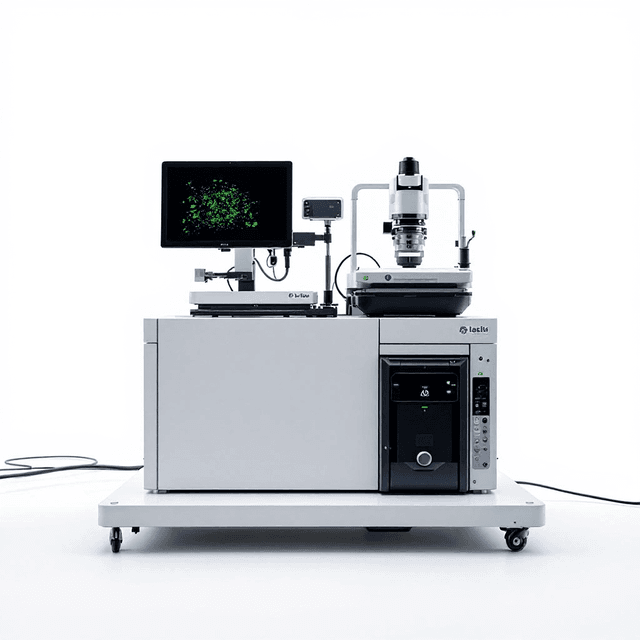
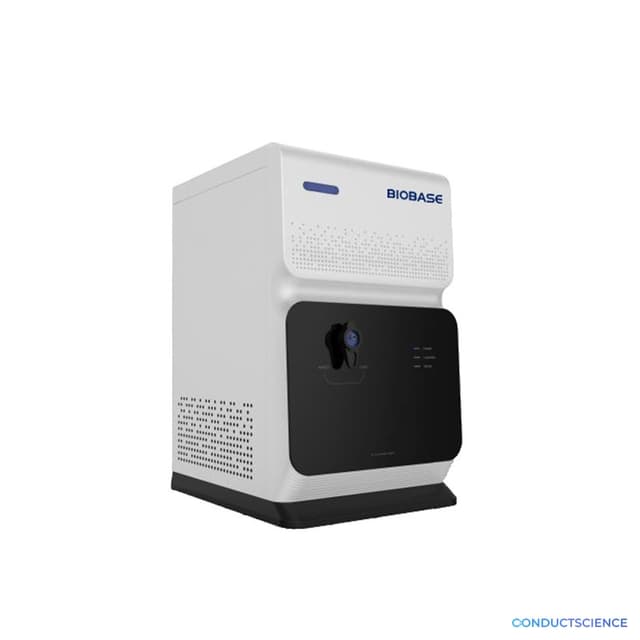
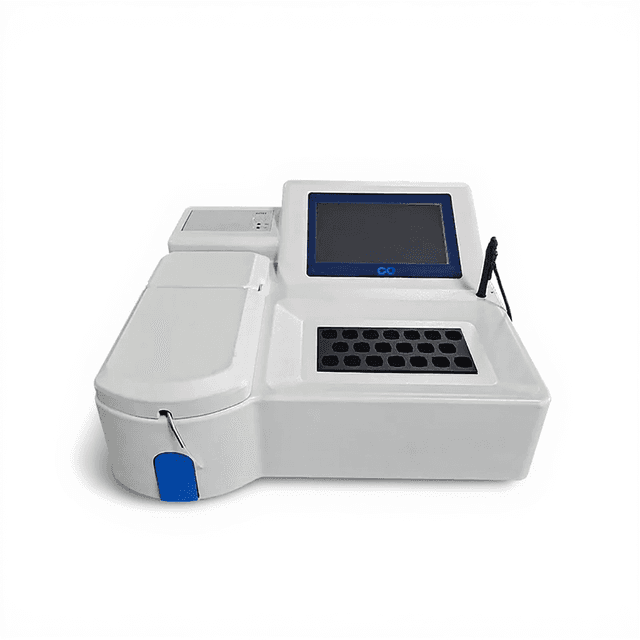
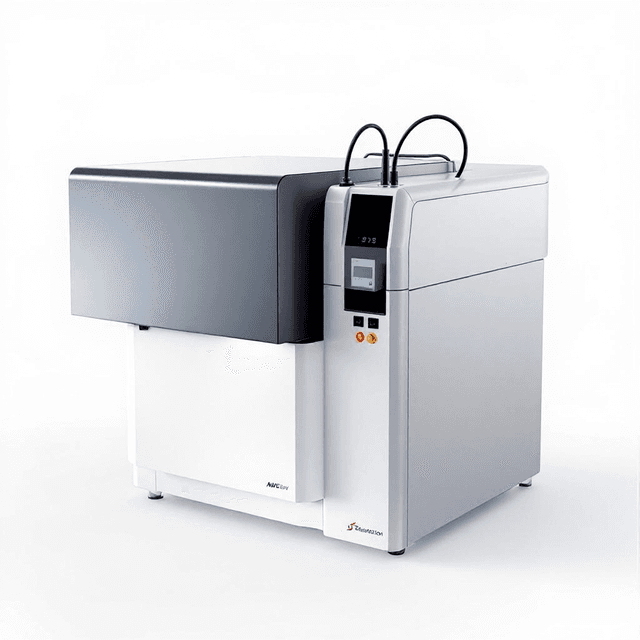
BK-96A Fluorescence Quantitative Pcr Detection System Thermal Cycler
Real-time PCR thermal cycler with multi-channel fluorescence detection for quantitative nucleic acid analysis and gene expression studies.
| Automation Level | semi-automated |
| F1 | F2 |
| F3 | F4 |
| F5 | F6 |
| HEX/VIC/TET/JOE/CY3/NED/TAMRA | ROX,TEXAS-RED |
| Cy5.5 | Reserved path |

The BK-96A Fluorescence Quantitative PCR Detection System is a thermal cycler designed for real-time PCR applications requiring precise temperature control and fluorescence detection across multiple channels. This system enables quantitative analysis of nucleic acid amplification through continuous monitoring of fluorescent reporter signals during thermal cycling, supporting both relative and absolute quantification workflows.
The instrument features detection capabilities for multiple fluorophores including HEX/VIC/TET/JOE/CY3/NED/TAMRA and ROX/TEXAS-RED channels, with an additional Cy5.5 reserved path for expanded detection options. The system supports standard qPCR protocols for gene expression analysis, genotyping, copy number variation studies, and pathogen detection across various sample types.
How It Works
The BK-96A operates on the principle of thermal cycling combined with real-time fluorescence detection. During PCR amplification, the system precisely controls sample temperature through rapid heating and cooling cycles, enabling DNA denaturation, primer annealing, and polymerase extension. Simultaneously, the optical system monitors fluorescence emission from reporter molecules that increase proportionally to amplified DNA product.
The multi-channel detection system uses specific excitation and emission wavelengths to differentiate between various fluorescent reporters. Each thermal cycle generates measurable fluorescence signals that are plotted against cycle number, producing amplification curves used for quantitative analysis. The system calculates target concentrations using threshold cycle (Ct) values and standard curve methodologies.
Features & Benefits
Automation Level
- semi-automated
F1
- F2
F3
- F4
F5
- F6
HEX/VIC/TET/JOE/CY3/NED/TAMRA
- ROX,TEXAS-RED
Cy5.5
- Reserved path
Brand
- ConductScience
Research Domain
- Cancer Research
- Cell Biology
- Clinical Diagnostics
- Environmental Monitoring
- Food Science
- Immunology
- Microbiology
- Pharmaceutical QC
Weight
- 29.98 kg
Dimensions
- L: 42.0 mm
- W: 43.6 mm
- H: 38.0 mm
Comparison Guide
| Feature | This Product | Typical Alternative | Advantage |
|---|---|---|---|
| Fluorescence Detection Channels | HEX/VIC/TET/JOE/CY3/NED/TAMRA and ROX/TEXAS-RED channels with Cy5.5 reserved path | Entry-level systems often provide 2-4 detection channels | Expanded channel options enable more complex multiplexed assays and greater experimental flexibility. |
| Reporter Dye Compatibility | Multiple fluorophore support including commonly used reporter dyes | Basic models may have limited fluorophore compatibility | Broad dye compatibility allows researchers to use established protocols without optimization. |
| Future Expansion Capability | Cy5.5 reserved detection path for advanced applications | Fixed channel configurations in standard models | Reserved detection path provides upgrade potential for evolving experimental requirements. |
| Real-time Detection | Integrated fluorescence monitoring during thermal cycling | End-point detection systems require gel electrophoresis | Real-time monitoring eliminates post-amplification processing and provides quantitative data. |
The BK-96A provides comprehensive multi-channel fluorescence detection with support for commonly used reporter dyes and future expansion capability through the Cy5.5 reserved path. The system enables both qualitative and quantitative PCR applications with integrated real-time monitoring.
Practical Tips
Perform optical calibration using manufacturer-recommended standards before beginning critical quantification experiments.
Why: Proper calibration ensures accurate fluorescence measurements and reliable quantitative results.
Clean optical surfaces regularly with appropriate solvents to maintain detection sensitivity.
Why: Optical contamination can reduce signal quality and affect quantification accuracy.
Include appropriate positive and negative controls in each experimental run for quality assurance.
Why: Controls validate amplification efficiency and detect potential contamination or inhibition issues.
Monitor amplification curves for proper exponential phase characteristics and consistent Ct values among replicates.
Why: Curve analysis helps identify technical issues and ensures reliable quantitative measurements.
Verify proper tube seating and optical positioning if fluorescence signals appear inconsistent across samples.
Why: Poor optical alignment can cause signal variations that affect quantification accuracy.
Allow the thermal block to cool completely before handling samples or performing maintenance procedures.
Why: Thermal cycling generates high temperatures that can cause burns or damage temperature-sensitive components.
Setup Guide
What’s in the Box
- BK-96A thermal cycler main unit (typical)
- Power cable and adapter (typical)
- USB communication cable (typical)
- Analysis software CD/download access (typical)
- User manual and quick start guide (typical)
- Calibration certificate (typical)
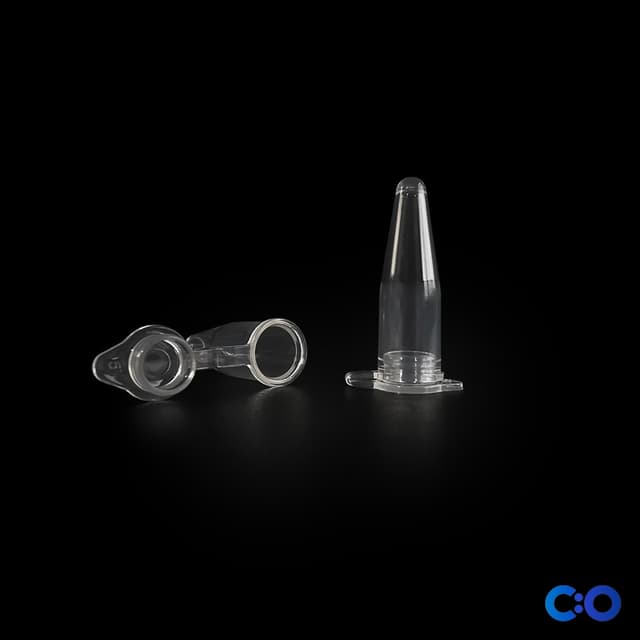
- Sample tube accessories (typical)
Compliance
References
Background reading relevant to this product:
Warranty & ConductCare
ConductScience provides a standard one-year manufacturer warranty covering parts and labor, with comprehensive technical support for installation, training, and troubleshooting assistance.
What sample capacity does the BK-96A support for simultaneous processing?
Consult the product datasheet for specific sample capacity information, as thermal cyclers typically range from 48 to 384 well formats depending on the model configuration.
Can the system perform both relative and absolute quantification analysis?
Yes, the multi-channel fluorescence detection enables both relative quantification using comparative Ct methods and absolute quantification through standard curve approaches.
What is the thermal cycling speed and temperature range of the system?
Specific ramp rates, temperature range, and cycling parameters should be verified in the technical specifications, as these vary by thermal cycler design.
Is the system compatible with standard PCR plates and tube formats?
The system typically accepts standard laboratory consumables, but verify compatibility with your specific plate or tube formats in the product specifications.
What data export formats are supported by the analysis software?
Consult the software documentation for supported export formats, which commonly include CSV, Excel, and specialized qPCR analysis file types.
How frequently does the optical system require calibration?
Calibration frequency depends on usage patterns and laboratory requirements, typically ranging from monthly to quarterly based on quality control protocols.
Can the system be integrated with laboratory information management systems?
Integration capabilities vary by model and software version; consult technical specifications for available connectivity and data management options.
Have a question about this product?
Accessories
Enhance your setup with compatible accessories
Replacement Parts & Consumables
Frequently Bought Together
Upgrade Options