Camera Gantry
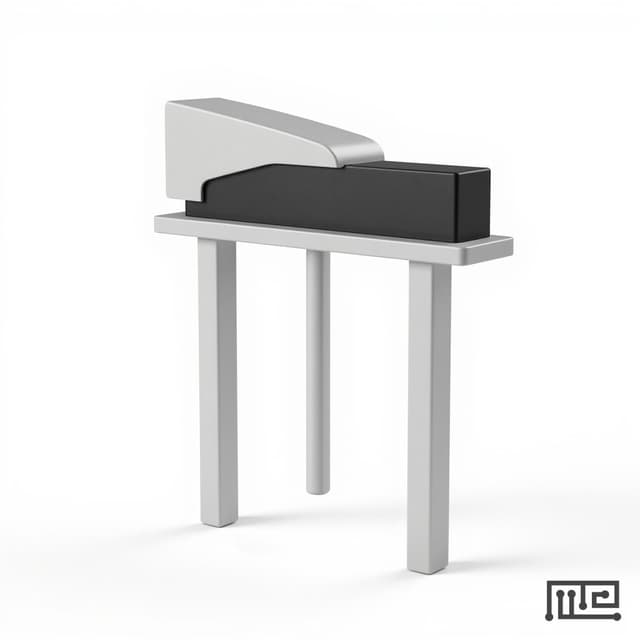
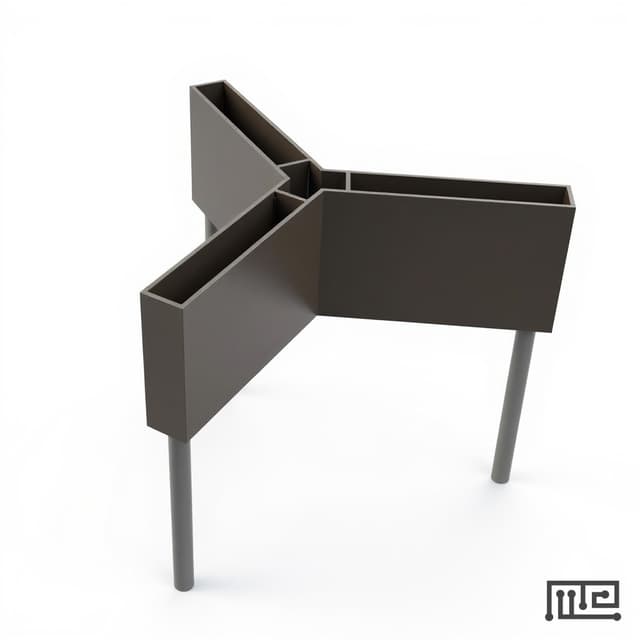
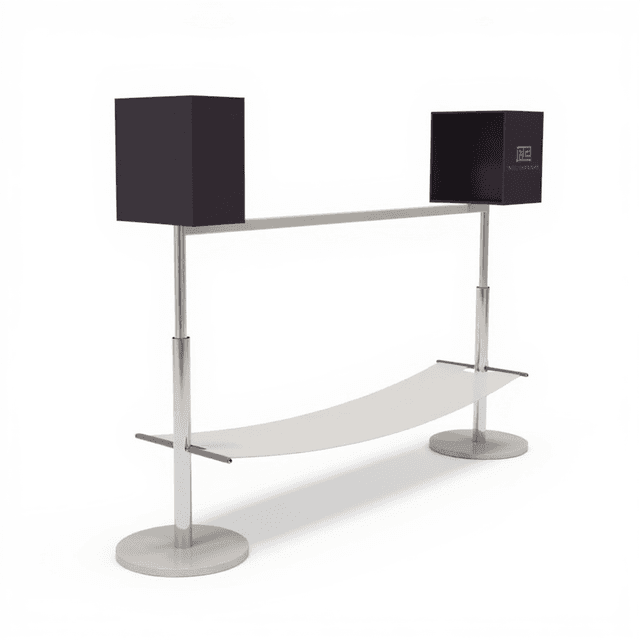
Adjustable mechanical mounting system for overhead camera positioning in behavioral research setups, enabling consistent video recording conditions.
| Brand | MazeEngineers |
| Species | Mouse, Rat |

The Camera Gantry provides a stable, adjustable mounting solution for overhead video recording systems used in behavioral research applications. This mechanical support structure enables researchers to position cameras at precise heights and angles above experimental arenas, ensuring consistent video capture conditions across experimental sessions.
Designed for integration with behavioral testing setups, the gantry accommodates various camera types and facilitates standardized recording protocols. The system supports reproducible camera positioning, which is critical for automated behavioral analysis and data consistency across experiments.
How It Works
The Camera Gantry functions as a mechanical positioning system that maintains camera stability through rigid construction and adjustable mounting points. The structure provides vertical height adjustment capabilities, allowing researchers to optimize the field of view for different experimental arenas and behavioral assays.
The gantry system utilizes standard mounting interfaces compatible with various camera types, ensuring secure attachment while maintaining the ability to make fine positional adjustments. This mechanical approach eliminates camera shake and positioning drift that can compromise automated tracking algorithms and behavioral analysis software.
Features & Benefits
Behavioral Construct
- Locomotion
- Spatial Navigation
- Anxiety-like Behavior
- Social Interaction
- Motor Coordination
Brand
- MazeEngineers
Research Domain
- Anxiety and Depression
- Behavioral Pharmacology
- Learning and Memory
- Motor Function
- Neuroscience
- Social Behavior
Species
- Mouse
- Rat
Weight
- 21.0 kg
Dimensions
- L: 43.0 mm
- W: 38.0 mm
- H: 150.0 mm
Comparison Guide
| Feature | This Product | Typical Alternative | Advantage |
|---|---|---|---|
| Mechanical Stability | Rigid construction with stable base platform | Tripod systems often experience vibration and drift | Eliminates movement artifacts that can compromise automated behavioral tracking accuracy |
| Height Adjustability | Continuous height adjustment with horizontal positioning | Fixed mounting systems require repositioning entire apparatus | Enables optimization for different maze sizes and experimental protocols without system relocation |
| Installation Requirements | Portable design requiring no permanent mounting | Ceiling mounts require permanent installation and laboratory modification | Allows flexible laboratory configuration and equipment sharing between research groups |
| Camera Compatibility | Universal mounting interface system | Custom mounting solutions vary by manufacturer | Supports various camera types and future equipment upgrades without adapter replacement |
| ConductVision Integration | Specifically designed for ConductVision compatibility | Generic mounting solutions may not optimize for behavioral analysis software | Ensures optimal positioning for automated tracking and behavioral analysis workflows |
The Camera Gantry combines mechanical stability with adjustment flexibility, providing a portable solution that maintains positioning accuracy essential for automated behavioral analysis. The system addresses the limitations of both fixed mounting and tripod-based approaches while offering compatibility with standard research cameras and behavioral analysis software.
Practical Tips
Document height and positioning settings for each experimental protocol to ensure reproducible camera placement across sessions.
Why: Consistent camera positioning is critical for automated tracking algorithm performance and data comparability.
Inspect mounting hardware and adjustment mechanisms weekly for wear or loosening during regular use.
Why: Mechanical components can develop play over time, potentially affecting camera stability and positioning accuracy.
Verify field of view coverage and camera alignment before each experimental session using test recordings.
Why: Small positional changes can occur during transport or adjustment, affecting tracking zone coverage.
Ensure the base is positioned on level surfaces and camera weight is within specified limits.
Why: Proper weight distribution prevents tip-over risks and maintains system stability during operation.
If image quality appears degraded, check for camera movement by comparing multiple frames during static periods.
Why: Subtle mechanical movement may not be visually apparent but can significantly impact automated tracking accuracy.
Position the gantry to minimize shadows and reflections from laboratory lighting on the experimental surface.
Why: Consistent illumination conditions are essential for reliable object detection and behavioral parameter extraction.
Label or mark preferred positioning settings on adjustment mechanisms for rapid setup of standard configurations.
Why: Quick setup reduces experimental preparation time and minimizes positioning variability between sessions.
Store with adjustment mechanisms in neutral positions to prevent stress on mechanical components.
Why: Proper storage positioning extends component lifespan and maintains adjustment precision over time.
Setup Guide
What’s in the Box
- Camera gantry main assembly (typical)
- Horizontal mounting arm (typical)
- Camera mounting platform (typical)
- Assembly hardware kit (typical)
- Adjustment tools (typical)
- Installation manual (typical)
Warranty
ConductScience provides a standard one-year manufacturer warranty covering mechanical components and construction defects. Technical support is available for setup guidance and compatibility questions.
Compliance
What camera types are compatible with this gantry system?
The gantry features universal mounting interfaces compatible with most behavioral research cameras. Specific adapter requirements depend on your camera model - consult the compatibility guide for mounting specifications.
How stable is the camera positioning during extended recording sessions?
The rigid mechanical construction eliminates drift and vibration that can affect automated tracking. The stable base and secure mounting maintain consistent positioning throughout multi-hour behavioral protocols.
Can the height be adjusted during experiments?
While height adjustment is possible, positioning changes should be made between experimental sessions to maintain consistent recording conditions. Document any adjustments for protocol reproducibility.
What is the maximum weight capacity for camera equipment?
Consult the product datasheet for specific weight limits and load distribution requirements based on your camera and lens configuration.
How does this integrate with automated behavioral analysis software?
The gantry provides stable camera positioning essential for automated tracking algorithms. It is specifically compatible with ConductVision software and supports consistent field-of-view requirements for most behavioral analysis systems.
Is permanent installation required?
No, the portable design allows repositioning between different experimental setups without permanent mounting or laboratory modifications.
What maintenance is required?
Periodic inspection of mounting hardware and adjustment mechanisms is recommended. Keep adjustment points clean and verify camera security before each experimental session.
Can multiple cameras be mounted on one gantry?
The standard configuration supports single camera mounting. Consult technical specifications for multi-camera arrangements and weight distribution considerations.
Have a question about this product?
Accessories
Enhance your setup with compatible accessories

Frequently Bought Together