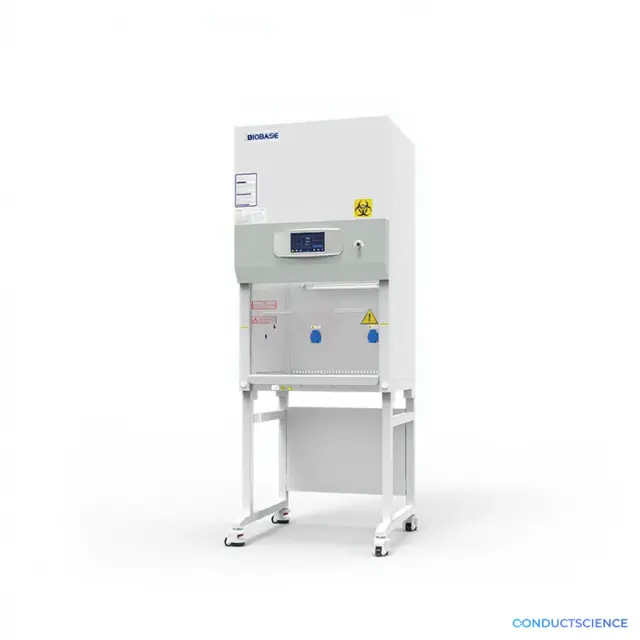
Class III Biological Safety Cabinet
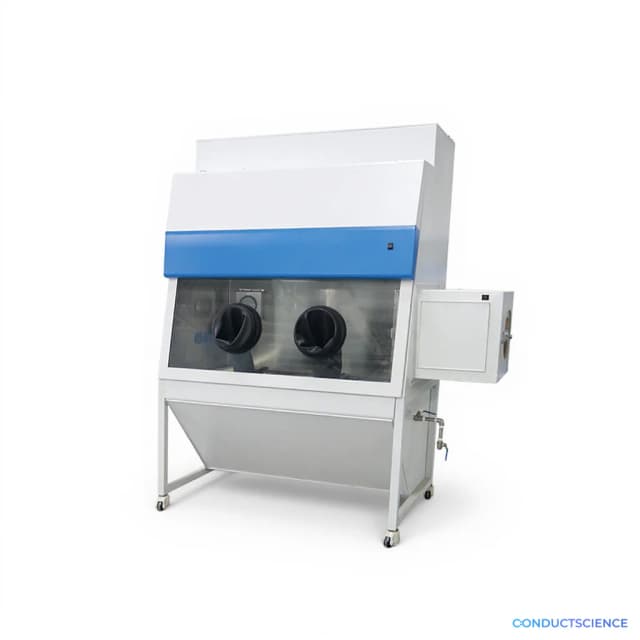
Class III biological safety cabinet with sealed glove access and negative pressure containment for maximum protection research applications requiring absolute isolation.
| Automation Level | semi-automated |
| External Size | 1667*950*2180mm |
| Internal Size | 917*640*600mm |
| Pass Box Size | 580*440*560mm |
| Gloves | One pair of 800mm butyl rubber gloves |
| Front Window | 12mm tempered glass, anti-ultraviolet radiation |

The Class III Biological Safety Cabinet provides maximum protection containment for work with highly hazardous microorganisms and toxic materials requiring both product and personnel protection. This negative pressure cabinet operates with sealed gloves access, creating a completely enclosed work environment with external air handling systems.
Featuring a 304 stainless steel work zone and integrated pass box for material transfer, this cabinet supports research protocols requiring absolute containment. The touch LCD display interface provides real-time monitoring of pressure differentials and system status, while integrated alarms alert users to pressure anomalies that could compromise containment integrity.
How It Works
Class III biological safety cabinets operate on the principle of negative pressure containment, maintaining internal pressure at least 120Pa below ambient laboratory conditions. Air enters the cabinet through HEPA filtration and exits through dedicated exhaust systems, creating unidirectional airflow that prevents contaminant escape.
The sealed design with integrated glove ports eliminates direct contact between the operator and materials inside the cabinet. The 12mm tempered glass viewing window allows visual monitoring while the polyester fiber pre-filter removes larger particulates before air reaches the main HEPA filtration system. Internal illumination of ≥1000 lux provides adequate visibility for detailed work.
Material transfer occurs through the dedicated pass box with independent pressure control, allowing introduction and removal of items without compromising main chamber containment. The touch LCD display continuously monitors pressure differentials and activates audio-visual alarms when pressure drops below safe operating thresholds.
Features & Benefits
Automation Level
- semi-automated
External Size
- 1667*950*2180mm
Internal Size
- 917*640*600mm
Pass Box Size
- 580*440*560mm
Gloves
- One pair of 800mm butyl rubber gloves
Front Window
- 12mm tempered glass, anti-ultraviolet radiation
Pre-filter
- Polyester fiber, washable
Pressure
- Negative, ≥120Pa
Noise
- ≤67dB
Alarm
- Audio and visual alarm, abnormal pressure
Work Zone Material
- 304 stainless steel
lllumination
- ≥1000lux
Consumption
- 1200W
LED Lamp
- 12W*2
Brand
- ConductScience
Research Domain
- Clinical Diagnostics
- Environmental Monitoring
- Industrial Hygiene
- Microbiology
- Pharmaceutical QC
Display Type
- Touch LCD display
Weight
- 420.0 kg
Dimensions
- L: 218.0 mm
- W: 166.7 mm
- H: 95.0 mm
Comparison Guide
| Feature | This Product | Typical Alternative | Advantage |
|---|---|---|---|
| Work Zone Dimensions | 917×640×600mm internal working space | Entry-level models often provide smaller work zones with limited manipulation space | Larger work area accommodates multiple containers and complex procedures requiring extended manipulation time |
| Glove Length | 800mm butyl rubber gloves for extended reach | Standard models typically offer shorter gloves with limited reach capability | Extended glove length enables access to rear work zone areas and tall equipment placement |
| Pass Box Integration | 580×440×560mm dedicated pass box with independent pressure control | Some models require separate pass boxes or external transfer systems | Integrated transfer system maintains workflow efficiency while preserving containment integrity |
| Display Interface | Touch LCD display for system monitoring and control | Basic models often use analog gauges or simple indicator lights | Digital interface provides precise pressure readings and comprehensive system status information |
| Illumination Level | ≥1000 lux LED lighting with dual 12W lamps | Standard units may provide lower illumination levels | High-intensity lighting enables detailed visual inspection and precise manipulation of small objects |
This cabinet combines extended work zone dimensions with integrated pass box transfer capability and touch LCD monitoring. The 800mm glove length and high-intensity LED illumination support complex manipulation procedures requiring detailed visual control.
Practical Tips
Verify pressure differential readings monthly using calibrated manometers to ensure accurate containment monitoring.
Why: Pressure measurement accuracy is critical for maintaining safe containment levels and early detection of system degradation.
Inspect glove integrity daily before use and maintain spare gloves for immediate replacement if tears develop.
Why: Compromised gloves represent the most common containment failure point in Class III systems.
Allow cabinet to reach stable operating pressure before introducing materials and maintain consistent workflow patterns.
Why: Stable pressure conditions and systematic procedures minimize turbulence that could affect containment performance.
Test pressure alarm functionality weekly by temporarily restricting exhaust airflow to trigger low-pressure warnings.
Why: Functional alarms provide critical early warning of containment failures that require immediate response.
Clean washable polyester pre-filters according to manufacturer schedule to maintain optimal airflow performance.
Why: Clogged pre-filters reduce system efficiency and can compromise pressure differential maintenance.
Monitor noise levels during operation as increases above 67dB may indicate fan or airflow system issues.
Why: Acoustic changes often provide early indication of mechanical problems before containment is compromised.
Record daily pressure readings and system parameters to establish baseline performance trends.
Why: Historical data enables early detection of gradual system degradation and supports predictive maintenance scheduling.
Setup Guide
What’s in the Box
- Class III Biological Safety Cabinet main unit
- One pair 800mm butyl rubber gloves
- Touch LCD display control system
- Pre-filter assembly (washable polyester fiber)
- Power cord and electrical connections
- Installation and operation manual
- Containment verification protocols (typical)
Compliance
References
Background reading relevant to this product:
Warranty & ConductCare
ConductScience provides a one-year manufacturer warranty covering defects in materials and workmanship, with technical support for installation guidance and operational troubleshooting.
What exhaust system requirements are needed for proper operation?
The cabinet requires connection to a dedicated external exhaust system capable of maintaining the internal negative pressure at ≥120Pa below ambient laboratory conditions. Consult installation manual for specific airflow requirements.
How often should gloves be replaced and what chemical compatibility do they offer?
The 800mm butyl rubber gloves provide excellent resistance to many organic solvents and should be inspected regularly for integrity. Replacement frequency depends on usage and chemical exposure; consult product datasheet for specific chemical compatibility data.
Can the pass box operate independently of the main chamber?
Yes, the 580×440×560mm pass box features independent pressure control allowing material transfer without compromising main chamber containment. The system includes interlocked doors to prevent simultaneous opening.
What decontamination procedures are compatible with the stainless steel work surface?
The 304 stainless steel work zone tolerates most chemical disinfectants including formaldehyde, bleach solutions, and UV decontamination. Always verify chemical compatibility before introducing new decontamination agents.
How sensitive is the pressure monitoring system to environmental changes?
The system continuously monitors pressure differential and activates audio-visual alarms when pressure drops below safe thresholds. The touch LCD display provides real-time pressure readings for ongoing verification of containment integrity.
What are the power requirements and electrical specifications?
The cabinet consumes 1200W total power including dual 12W LED lamps and all system components. Consult installation specifications for voltage and electrical connection requirements.
Have a question about this product?
Replacement Parts & Consumables
Upgrade Options