Conditioned Place Preference Lett 1988
SKU CS-958282
$1,830.00
IncludesStandard care
Behavioral apparatus for assessing drug reward properties and associative learning through measurement of environmental preference conditioning in laboratory animals.
CE MarkedBAA available
Scientist guidance

Louise Corscadden, PhD
Director of Science · ConductScience
Ask Louise about Conditioned Place Preference Lett 1988 fit, setup, configuration, or quote prep.
Already working with us? Sign in to connect this with My Scientist.
Key Specifications
Full details →- Model fit
- Mouse, Rat
- SKU family
- CS-958282
- Shipping box
- 65.0 x 36.0 x 27.0 cm
- Ordering
- Online checkout and quote request available
- Category
- Behavioral Mazes
- Build notes
- Confirm accessories, station layout, and support needs before purchase
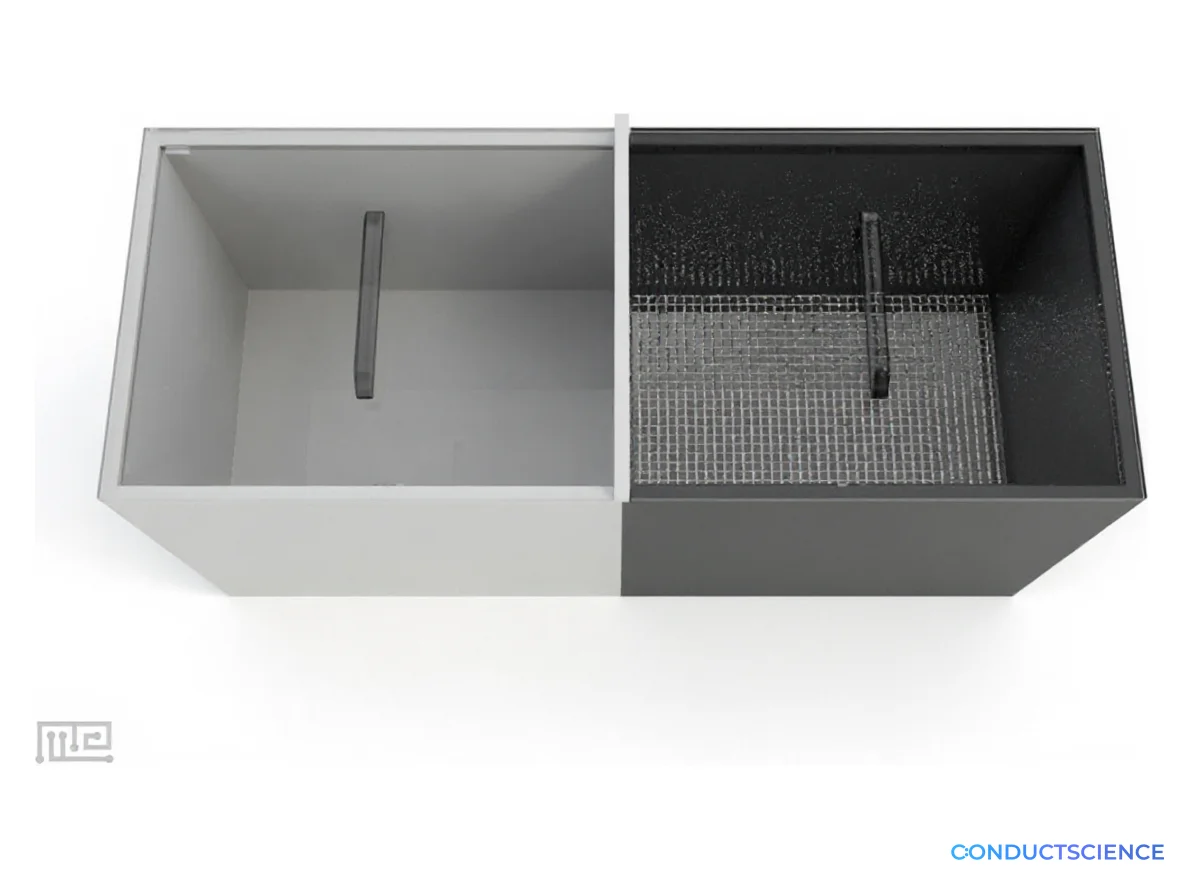
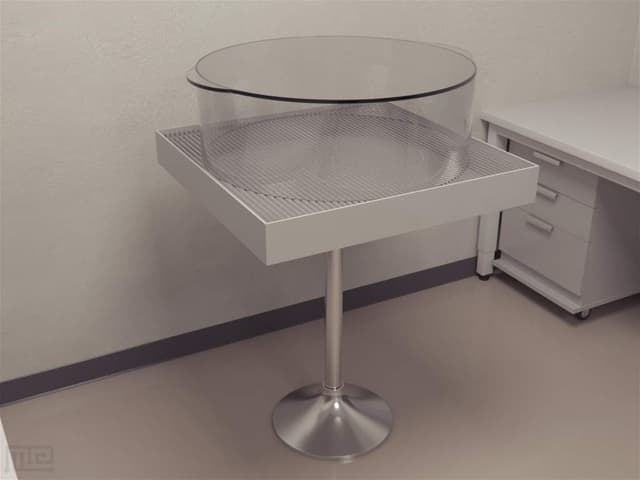
The Conditioned Place Preference apparatus, originally described by Lett et al. (1988), is a specialized behavioral testing system designed to assess drug reward properties and associative learning in laboratory animals. This paradigm measures an animal's preference for environmental contexts previously paired with drug administration or other reinforcing stimuli, providing quantitative assessment of reward valence and motivational states.
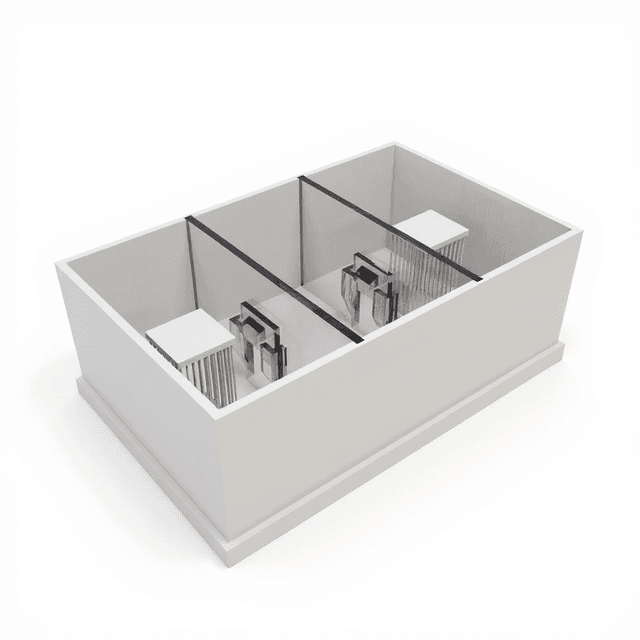
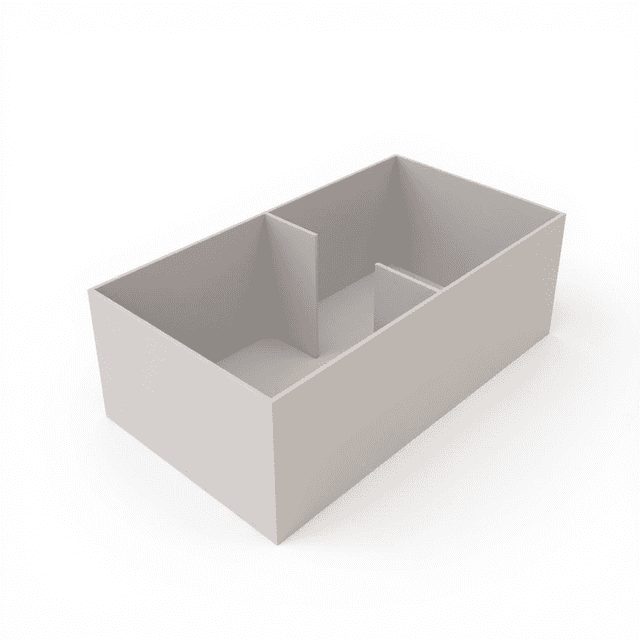
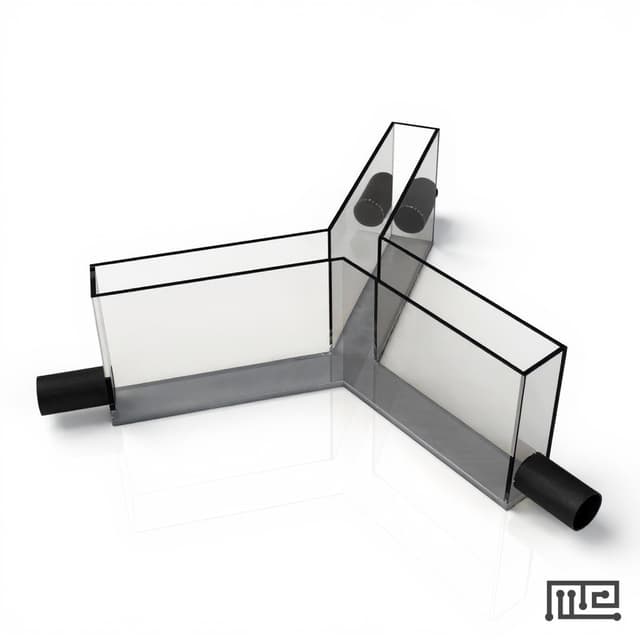
The apparatus consists of distinct chambers with different tactile, visual, or olfactory cues that animals learn to associate with specific treatments. During conditioning phases, animals receive drug or control treatments in specific chambers, followed by preference testing where free access to all chambers reveals learned associations. This method provides a sensitive measure of both rewarding and aversive properties of pharmacological agents without requiring active responding from the subject.
How It Works
The conditioned place preference paradigm operates on the principle of Pavlovian conditioning, where neutral environmental stimuli become associated with the pharmacological or physiological effects of administered treatments. Animals learn to associate specific chamber characteristics (texture, color, odor) with the internal states produced by drug administration.
During conditioning sessions, animals receive drug treatments in one chamber and saline or control treatments in an alternate chamber over multiple training days. The conditioning process creates learned associations between environmental cues and drug effects. Subsequent preference testing, conducted in a drug-free state, measures the strength of these associations by quantifying time spent in previously drug-paired versus control-paired environments.
The resulting preference or aversion reflects the motivational valence of the drug experience, with increased time in drug-paired chambers indicating rewarding properties and decreased time suggesting aversive effects. This approach provides an unbiased measure of drug reward that does not require instrumental responding or food/water restriction.
Features & Benefits
Multi-chamber design
Allows simultaneous assessment of preference between drug-paired and control environments within single testing sessions.
Distinct environmental cues
Provides clear contextual differences for robust associative learning while minimizing inherent chamber biases.
Unbiased measurement approach
Eliminates confounding effects of food restriction, operant training, or response requirements on drug preference assessment.
Flexible conditioning protocols
Accommodates various drug classes, dosing regimens, and experimental designs for comprehensive reward assessment.
Quantitative preference scoring
Generates objective measures of reward valence suitable for statistical analysis and dose-response characterization.
Drug-free testing conditions
Measures learned associations in absence of acute drug effects, isolating conditioned motivational responses.
Standardized methodology
Follows established protocols enabling comparison with extensive published literature on drug reward mechanisms.
Behavioral Construct
- reward processing
- associative learning
- contextual memory
- drug preference
- motivational behavior
Automation Level
- manual
Research Domain
- Addiction Research
- Anxiety and Depression
- Behavioral Pharmacology
- Learning and Memory
- Neurodegeneration
- Pain Research
Species
- Mouse
- Rat
Compatible Tracking Software
- ConductVision
Shipping weight
- 6.06 lb
Shipping box
- L: 65.0 cm
- W: 36.0 cm
- H: 27.0 cm
| Feature | This Product | Typical Alternative | Advantage |
|---|---|---|---|
| Conditioning Protocol | Follows established Lett et al. 1988 methodology | Varies across different apparatus configurations and protocols | Provides standardized approach with extensive validation in published literature for reliable cross-study comparisons. |
| Chamber Design | Multi-chamber configuration with distinct environmental cues | Some systems use two-chamber designs with limited contextual differences | Enhanced discrimination between environments improves conditioning strength and reduces baseline biases. |
| Testing Methodology | Drug-free preference assessment following conditioning | Some approaches measure preferences during drug administration | Isolates learned associations from acute drug effects for cleaner assessment of conditioned motivational responses. |
| Species Compatibility | Designed for standard laboratory rodents | Limited compatibility across different animal models | Optimized dimensions and design parameters for reliable behavioral responses in mouse and rat studies. |
This apparatus provides a standardized implementation of the widely-validated conditioned place preference paradigm with optimized design features for robust behavioral conditioning. The methodology offers comprehensive assessment of drug reward properties through established protocols with extensive literature support.
Addiction Research
Evaluating the rewarding properties of drugs of abuse by measuring preference for environments previously paired with drug administration.
Behavioral Pharmacology
Screening novel compounds for abuse liability and reward potential through conditioned place preference protocols.
Learning and Memory
Investigating associative learning mechanisms by pairing environmental contexts with various reinforcing or aversive stimuli.
Neurodegeneration
Assessing cognitive deficits in disease models by measuring contextual learning and memory formation abilities.
Anxiety and Depression
Evaluating the effects of anxiolytic or antidepressant compounds on motivational states and environmental preference behaviors.
Pain Research
Measuring conditioned place aversion to environments associated with painful stimuli or place preference for analgesic treatments.
Practical Tips
Best Practices
Conduct baseline preference sessions to identify and exclude animals with strong inherent chamber biases exceeding 65% time in any single chamber.
Why: Strong baseline preferences can mask or exaggerate conditioning effects leading to misinterpretation of drug reward properties.
Best Practices
Counterbalance drug-chamber assignments across subjects to control for any residual environmental biases.
Why: Systematic assignment of drug to the same chamber across all subjects can confound drug effects with chamber characteristics.
Maintenance
Clean chambers thoroughly between subjects using ethanol followed by complete drying to eliminate olfactory cues.
Why: Residual odors from previous subjects can influence chamber preferences independent of experimental conditioning.
Calibration
Verify chamber cue distinctiveness by testing naive animals for preference differences before beginning experimental studies.
Why: Insufficient environmental discrimination reduces conditioning effectiveness and experimental sensitivity.
Data Quality
Monitor animals during conditioning sessions to ensure adequate exploration of the drug-paired chamber.
Why: Insufficient exposure to chamber-drug pairings during conditioning reduces the strength of learned associations.
Troubleshooting
If conditioning effects are weak, consider extending conditioning duration or increasing the number of drug-chamber pairings.
Why: Some drug classes or doses may require more extensive conditioning to establish measurable place preferences.
Safety
Implement appropriate drug handling and disposal procedures according to institutional guidelines for controlled substances.
Why: Many drugs used in place preference studies are regulated substances requiring proper storage, administration, and waste disposal protocols.
Setup Guide
Chamber Assembly
Assemble the multi-chamber apparatus ensuring distinct tactile and visual cues differentiate each compartment.
Environmental Validation
Verify that chamber differences are sufficiently distinct while avoiding inherent bias toward any single compartment.
Baseline Testing
Conduct pre-conditioning sessions to establish baseline chamber preferences and identify animals with strong inherent biases.
Treatment Assignment
Assign drug and control treatments to chambers using an unbiased or counterbalanced design based on baseline preferences.
Conditioning Protocol
Implement alternating conditioning sessions with drug administration in designated chambers according to established protocols.
Preference Assessment
Conduct drug-free test sessions measuring time spent in each chamber to quantify conditioned preferences.
Data Analysis
Calculate preference scores and analyze treatment effects using appropriate statistical methods for repeated measures designs.
What’s in the Box
- Multi-chamber testing apparatus (typical)
- Removable chamber inserts with distinct textures (typical)
- Assembly hardware and mounting components (typical)
- User manual with conditioning protocols (typical)
- Data recording sheets (typical)
Warranty
ConductScience provides standard manufacturer warranty coverage for construction defects and material quality. Technical support includes protocol guidance and troubleshooting assistance for behavioral testing applications.
Compliance
IACUC GuidelinesCommonly used in animal research protocols subject to institutional animal care and use committee oversight for drug addiction studies.
NIH Guidelines for Animal ResearchSupports behavioral research workflows conducted under federal guidelines for laboratory animal welfare and scientific rigor.
Q
What is the optimal conditioning schedule for establishing robust place preferences?
A
Most protocols employ 4-8 conditioning sessions with alternating drug and saline treatments, typically 30-45 minutes per session with 24-48 hour intervals between sessions.
Q
How do I control for inherent chamber biases in naive animals?
A
Conduct baseline preference testing and use an unbiased design where drug assignment is counterbalanced based on initial chamber preferences, or employ a biased design pairing drug with initially non-preferred chambers.
Q
What chamber differences are most effective for conditioning without creating inherent preferences?
A
Tactile differences (smooth vs. textured flooring) combined with visual cues (striped vs. solid walls) typically provide adequate discrimination while minimizing baseline biases.
Q
How long should test sessions be to accurately measure conditioned preferences?
A
Test sessions of 15-30 minutes allow sufficient sampling of all chambers while avoiding habituation effects that may obscure conditioned responses.
Q
Can this apparatus be used for aversive conditioning paradigms?
A
Yes, conditioned place aversion protocols can be implemented by pairing chambers with aversive stimuli, with reduced chamber time indicating successful aversion conditioning.
Q
What statistical approaches are appropriate for analyzing preference data?
A
Repeated measures ANOVA comparing pre- and post-conditioning chamber times, or preference scores calculated as time in drug-paired chamber minus time in saline-paired chamber.
Have a question about this product?
Track rodents with ConductVision
ConductVision is our video-tracking software. Record your sessions on video, and it scores standard rodent tests, such as those listed below.
Examples of tests it scores
To check whether ConductVision scores your protocol in this apparatus, ask in your quote request.
Ask a question
Have a question? Just ask.
Send it over and we'll email you a personalized answer — no call, no scheduling.
Personalized email reply
Usually within one business day
Helpful answers published here
Prefer to talk it through?
Accessories
Enhance your setup with compatible accessories
Total: $0.00
Frequently Bought Together
Total: $7,790.00

Conditioned Place Preference Lett 1988
$1,830.00
Added to quoteView Quote