Conditioned Place Preference Nadar 1994
SKU CS-958275
$1,830.00
IncludesStandard care
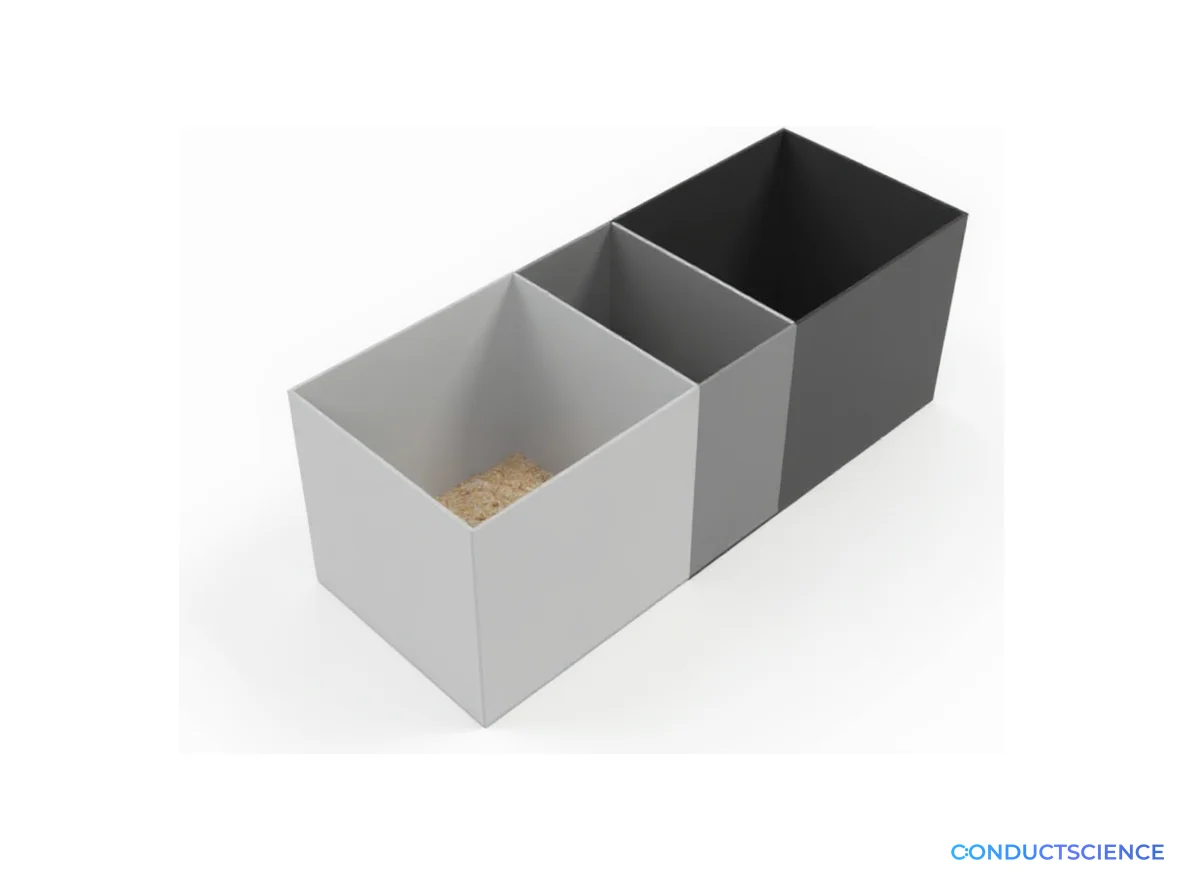
Behavioral testing paradigm for assessing rewarding or aversive properties of stimuli by measuring place preferences in laboratory animals.
CE MarkedBAA available
Scientist guidance

Louise Corscadden, PhD
Director of Science · ConductScience
Ask Louise about Conditioned Place Preference Nadar 1994 fit, setup, configuration, or quote prep.
Already working with us? Sign in to connect this with My Scientist.
Key Specifications
Full details →- Model fit
- Mouse, Rat
- SKU family
- CS-958275
- Shipping box
- 65.0 x 36.0 x 27.0 cm
- Ordering
- Online checkout and quote request available
- Category
- Behavioral Mazes
- Build notes
- Confirm accessories, station layout, and support needs before purchase
The Conditioned Place Preference paradigm, as described by Nadar (1994), is a behavioral testing methodology used to assess the rewarding or aversive properties of stimuli in laboratory animals. This approach measures the time an animal spends in environments previously paired with specific treatments, drugs, or experiences, providing quantitative data on preference formation and motivational states.
The paradigm involves associating distinct environmental contexts with different experimental conditions, then measuring subsequent voluntary exploration patterns when animals have free access to all compartments. This methodology provides researchers with a reliable tool for evaluating the subjective effects of pharmacological agents, environmental manipulations, or behavioral interventions without requiring active responses from subjects.
How It Works
The conditioned place preference paradigm operates on principles of classical conditioning, where neutral environmental stimuli acquire motivational significance through repeated association with biologically relevant events. The methodology involves three distinct phases: pre-conditioning baseline assessment, conditioning sessions where specific treatments are paired with distinct environments, and post-conditioning preference testing.
During conditioning phases, animals experience different treatments in visually and tactilely distinct compartments, typically alternating between drug and vehicle sessions. The associative learning process involves pairing interoceptive drug effects with exteroceptive environmental cues, creating conditioned stimulus-unconditioned stimulus relationships that influence subsequent behavior.
Preference measurement occurs during choice sessions where animals have unrestricted access to all compartments while drug-free. Time spent in each environment reflects the conditioned motivational value acquired during training, with increased dwelling time indicating positive reinforcing effects and decreased time suggesting aversive properties.
Features & Benefits
Multi-compartment design
Allows simultaneous comparison of multiple treatment conditions within single experimental sessions
Passive measurement approach
Eliminates response requirement artifacts and measures spontaneous preference expression without training demands
Counterbalancing protocols
Controls for inherent environmental biases and apparatus-specific confounding variables
Baseline preference assessment
Provides individual difference measures and enables calculation of preference change scores
Drug-free testing conditions
Isolates conditioned effects from acute drug actions, measuring true associative learning outcomes
Flexible conditioning schedules
Accommodates different pharmacokinetic profiles and experimental timelines for diverse research applications
Quantitative preference scoring
Generates continuous dependent variables suitable for parametric statistical analyses and dose-response studies
Behavioral Construct
- Place Preference
- Conditioned Learning
- Reward Processing
- Aversion Learning
- Motivational States
Automation Level
- semi-automated
Research Domain
- Addiction Research
- Anxiety and Depression
- Behavioral Pharmacology
- Learning and Memory
- Neurodegeneration
- Pain Research
Species
- Mouse
- Rat
Compatible Tracking Software
- ConductVision
Shipping weight
- 6.06 lb
Shipping box
- L: 65.0 cm
- W: 36.0 cm
- H: 27.0 cm
| Feature | This Product | Typical Alternative | Advantage |
|---|---|---|---|
| Environmental Control | Systematic counterbalancing of treatment-compartment assignments with baseline preference assessment | Simple alternation procedures without individual baseline correction | Minimizes inherent bias effects and provides individualized preference change measures for enhanced statistical power |
| Conditioning Protocol | Structured alternating sessions with specified inter-trial intervals | Variable conditioning schedules without standardized timing parameters | Ensures consistent associative learning conditions and reproducible experimental outcomes across laboratories |
| Data Analysis Approach | Preference change score calculations relative to baseline measurements | Post-conditioning preference measures without baseline correction | Accounts for individual differences in initial preferences and provides more sensitive detection of treatment effects |
| Experimental Design | Multi-phase protocol with distinct pre-conditioning, conditioning, and testing phases | Simplified protocols combining phases or omitting baseline assessment | Separates conditioning effects from acute drug actions and provides comprehensive behavioral assessment |
This paradigm emphasizes rigorous experimental control through systematic counterbalancing and baseline correction procedures. The methodological framework provides standardized approaches for environmental manipulation and preference quantification in behavioral pharmacology research.
Behavioral Pharmacology
Evaluating the rewarding properties of novel compounds by measuring conditioned place preference following drug-environment pairings.
Addiction Research
Assessing addiction liability and withdrawal effects of substances by quantifying preference changes across conditioning sessions.
Learning and Memory
Investigating associative learning mechanisms by examining how environmental cues become linked with motivational states.
Anxiety and Depression
Measuring the hedonic impact of therapeutic interventions by comparing place preferences before and after treatment.
Pain Research
Evaluating analgesic efficacy by measuring preference for environments associated with pain relief versus control conditions.
Neurodegeneration
Assessing cognitive and motivational changes in disease models by tracking alterations in place preference learning over time.
Practical Tips
Calibration
Validate chamber environmental discrimination by testing naive animals' ability to distinguish between compartment cues without treatment exposure.
Why: Ensures environmental stimuli provide adequate salience for associative learning without overwhelming sensory differences
Maintenance
Clean all chamber surfaces thoroughly between subjects using species-appropriate cleaning agents to eliminate olfactory cues from previous animals.
Why: Prevents carryover effects from pheromones or drug residues that could confound preference measurements
Best Practices
Conduct all testing sessions at consistent times of day to control for circadian influences on exploratory behavior and drug sensitivity.
Why: Minimizes temporal confounding variables and improves reproducibility of preference measurements across experimental sessions
Data Quality
Monitor individual subject activity levels during preference testing to identify animals with abnormal locomotor responses.
Why: Ensures preference scores reflect genuine environmental choices rather than treatment-induced mobility changes
Troubleshooting
If strong baseline preferences emerge, implement biased conditioning procedures pairing treatments with initially non-preferred compartments.
Why: Overcomes ceiling effects in preference measurement and provides more sensitive detection of treatment-induced changes
Safety
Establish maximum session durations and monitoring protocols for subjects receiving novel compounds or high drug doses.
Why: Prevents adverse events during conditioning sessions while maintaining experimental integrity and animal welfare standards
Best Practices
Record detailed behavioral observations during conditioning sessions to identify potential confounding factors or unexpected drug effects.
Why: Provides context for preference data interpretation and enables detection of subtle treatment effects beyond place preference
Setup Guide
Apparatus Preparation
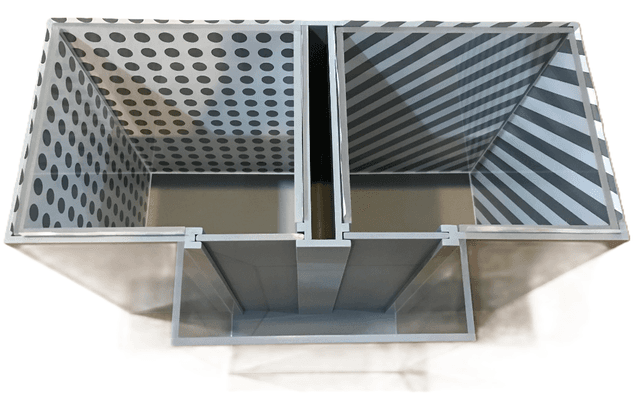
Configure testing chamber with distinct compartments featuring different visual, tactile, and spatial cues to ensure clear environmental discrimination.
Baseline Assessment
Conduct pre-conditioning sessions to measure initial place preferences and identify any inherent chamber biases in test subjects.
Conditioning Protocol
Implement alternating conditioning sessions, pairing experimental treatments with designated compartments according to established temporal schedules.
Environmental Counterbalancing
Assign treatment-compartment pairings across subjects to control for inherent environmental preferences and apparatus effects.
Preference Testing
Conduct post-conditioning choice sessions with unrestricted access to all compartments while subjects are in drug-free states.
Data Collection
Record time spent in each compartment using automated tracking systems or direct observation with appropriate temporal resolution.
Statistical Analysis
Calculate preference scores by comparing post-conditioning dwelling times with baseline measures, applying appropriate statistical tests for repeated measures data.
What’s in the Box
- Behavioral testing protocol (typical)
- Apparatus specifications guide (typical)
- Data collection templates (typical)
- Statistical analysis recommendations (typical)
- Counterbalancing schedules (typical)
- Troubleshooting guidelines (typical)
Warranty
ConductScience provides comprehensive protocol documentation and methodological support for implementation of established behavioral paradigms, with ongoing technical consultation available for experimental design optimization.
Compliance
ARRIVE GuidelinesSupports standardized reporting of animal research methodology and experimental design elements in behavioral studies
NIH Guidelines for Care and Use of Laboratory AnimalsCommonly implemented in facilities conducting behavioral research with laboratory animals under institutional oversight
Good Laboratory Practice (GLP)Applied in regulated preclinical studies evaluating drug abuse liability and behavioral pharmacology endpoints
Q
What conditioning schedule provides optimal learning while minimizing stress artifacts?
A
Alternating daily sessions with 24-hour intervals between conditioning trials typically optimize associative learning while allowing for drug washout and stress recovery. Session duration should match the temporal profile of test substances.
Q
How should inherent place preferences be controlled in experimental design?
A
Implement counterbalanced treatment-compartment assignments across subjects, with baseline preference assessment informing individual subject assignments to minimize pre-existing biases.
Q
What environmental cues provide optimal discrimination without confounding variables?
A
Combine visual patterns, textural surfaces, and spatial positioning while avoiding olfactory cues that may persist between sessions. Ensure cues are equally salient and detectable by target species.
Q
How long should post-conditioning preference testing sessions last?
A
Testing sessions typically range from 15-30 minutes, allowing sufficient time for preference expression while minimizing habituation effects and within-session preference changes.
Q
What statistical approaches are most appropriate for preference score analysis?
A
Use repeated measures ANOVA comparing pre- and post-conditioning preference scores, with preference change scores as dependent variables. Include baseline preferences as covariates when significant.
Q
How many conditioning sessions are required for reliable preference formation?
A
Most protocols employ 4-8 conditioning sessions (2-4 per treatment condition) depending on drug potency and species learning rates. Monitor preference acquisition across sessions to determine optimal training duration.
Have a question about this product?
Track rodents with ConductVision
ConductVision is our video-tracking software. Record your sessions on video, and it scores standard rodent tests, such as those listed below.
Examples of tests it scores
To check whether ConductVision scores your protocol in this apparatus, ask in your quote request.
Ask a question
Have a question? Just ask.
Send it over and we'll email you a personalized answer — no call, no scheduling.
Personalized email reply
Usually within one business day
Helpful answers published here
Prefer to talk it through?
Accessories
Enhance your setup with compatible accessories
Total: $0.00
Frequently Bought Together
Total: $7,790.00


Conditioned Place Preference Nadar 1994
$1,830.00
Added to quoteView Quote