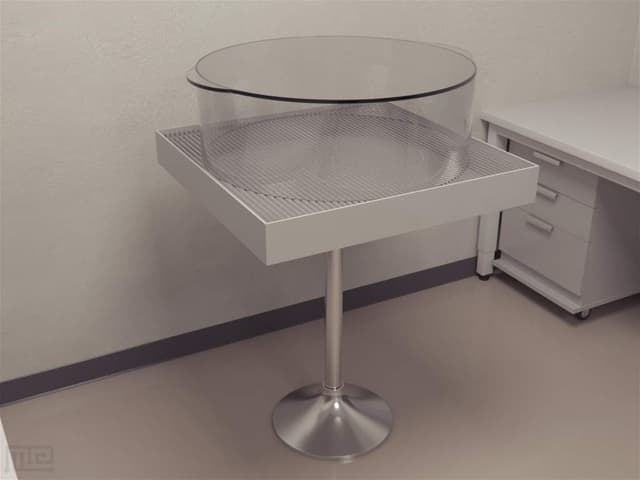
Conditioned Place Preference Shippenberg 1995
SKU CS-958262
$1,830.00
IncludesStandard care
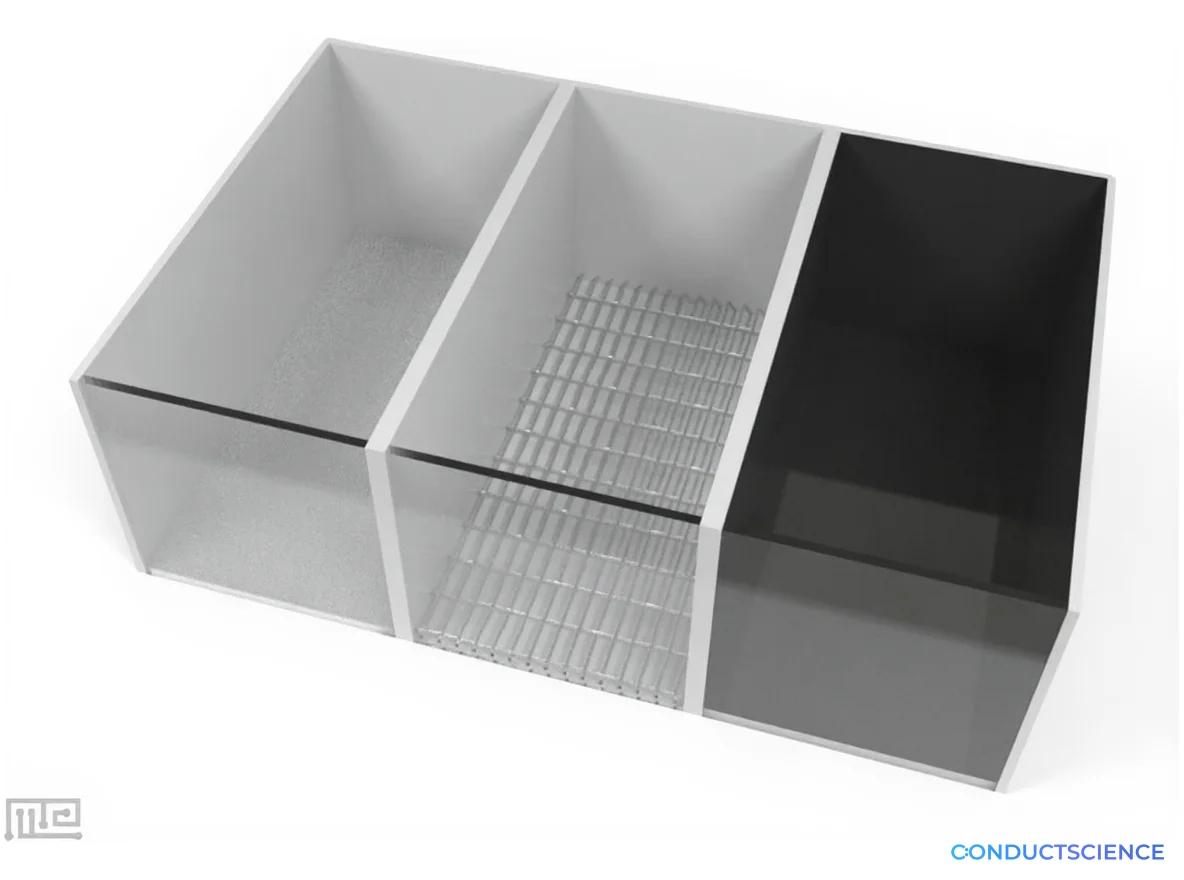
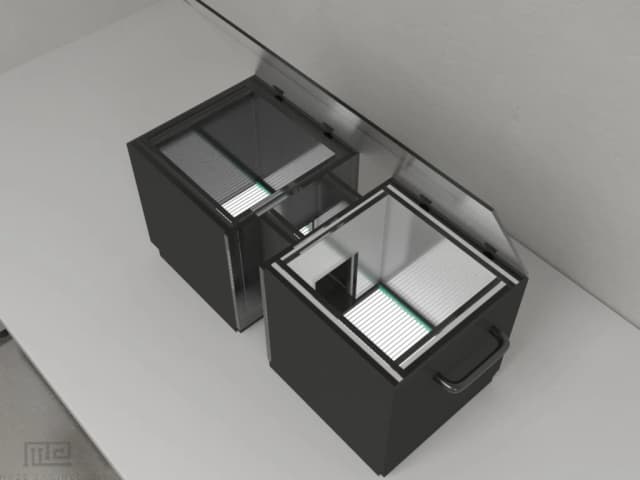
Standardized two-compartment apparatus for assessing drug reward and aversion through conditioned place preference methodology, following established Shippenberg 1995 protocols.
CE MarkedBAA available
Scientist guidance

Louise Corscadden, PhD
Director of Science · ConductScience
Ask Louise about Conditioned Place Preference Shippenberg 1995 fit, setup, configuration, or quote prep.
Already working with us? Sign in to connect this with My Scientist.
Key Specifications
Full details →- Model fit
- Mouse, Rat
- SKU family
- CS-958262
- Shipping box
- 65.0 x 36.0 x 27.0 cm
- Ordering
- Online checkout and quote request available
- Category
- Behavioral Mazes
- Build notes
- Confirm accessories, station layout, and support needs before purchase
The Conditioned Place Preference (CPP) apparatus based on the Shippenberg 1995 methodology represents a standardized behavioral testing system for assessing drug reward and aversion in laboratory animals. This paradigm measures an animal's preference for environmental cues previously paired with pharmacological stimuli, providing quantitative data on the rewarding or aversive properties of test compounds.
The apparatus utilizes a two-compartment design with distinct visual, tactile, and olfactory cues to create discriminable environments. Animals undergo conditioning sessions where drug administration is paired with one compartment and vehicle administration with the other, followed by preference testing in a drug-free state. The time spent in each compartment serves as the primary dependent measure, with increased time in the drug-paired compartment indicating conditioned place preference.
How It Works
The conditioned place preference paradigm operates on principles of Pavlovian associative learning, where neutral environmental stimuli acquire motivational significance through repeated pairing with pharmacologically active compounds. The apparatus provides two distinct compartments with different sensory characteristics, allowing animals to form specific associations between environmental contexts and drug effects.
During conditioning phases, animals receive drug injections paired with one compartment and vehicle injections paired with the alternate compartment. The temporal and spatial pairing of drug effects with environmental cues establishes conditioned associations. Subsequent preference testing occurs in a drug-free state, where increased time spent in the previously drug-paired compartment indicates that the drug possessed rewarding properties sufficient to overcome any initial chamber bias.
The behavioral output reflects the balance between approach and avoidance tendencies established during conditioning. Preference scores are calculated as the difference between post-conditioning and pre-conditioning time spent in the drug-paired compartment, providing a quantitative measure of the motivational valence of the test compound.
Features & Benefits
Standardized two-compartment design
Provides consistent experimental conditions and enables direct comparison of results across laboratories using the established Shippenberg methodology
Distinct environmental cues per compartment
Creates discriminable contexts necessary for robust associative learning while controlling for non-specific environmental preferences
Balanced chamber configuration
Minimizes inherent chamber bias and allows for counterbalanced experimental designs to control for spatial preferences
Flexible conditioning protocols
Accommodates various experimental designs including biased, unbiased, and counterbalanced approaches for different research questions
Quantitative behavioral output
Generates objective time-based measurements that can be subjected to statistical analysis and dose-response characterization
Species-appropriate dimensions
Optimized chamber size allows for natural exploratory behavior while maintaining sufficient confinement for preference measurement
Established validation protocols
Follows peer-reviewed methodology with extensive literature support, facilitating publication and regulatory acceptance of results
Behavioral Construct
- Reward Processing
- Associative Learning
- Conditioned Place Preference
- Drug Reward
- Motivational Behavior
Automation Level
- manual
Research Domain
- Addiction Research
- Behavioral Pharmacology
- Learning and Memory
- Neurodegeneration
- Neuroscience
- Toxicology
Species
- Mouse
- Rat
Compatible Tracking Software
- ConductVision
Shipping weight
- 6.06 lb
Shipping box
- L: 65.0 cm
- W: 36.0 cm
- H: 27.0 cm
| Feature | This Product | Typical Alternative | Advantage |
|---|---|---|---|
| Methodology Standardization | Based on established Shippenberg 1995 protocols with extensive literature validation | Custom apparatus designs often lack standardized protocols | Enables direct comparison with published literature and facilitates regulatory acceptance of results |
| Chamber Configuration | Balanced two-compartment design with distinct environmental cues | Three-compartment systems include neutral zones but increase complexity | Simplifies data interpretation while maintaining robust discrimination between drug and vehicle associations |
| Protocol Flexibility | Supports biased, unbiased, and counterbalanced experimental designs | Some systems designed for single protocol approach | Allows researchers to select optimal design based on specific experimental requirements and baseline preferences |
| Species Compatibility | Optimized for standard laboratory rodent species | Generic designs may not account for species-specific behavioral patterns | Ensures appropriate spatial dimensions and environmental complexity for natural exploratory behavior |
The Shippenberg 1995-based apparatus provides standardized methodology with established validation for conditioned place preference research. The balanced two-compartment design with flexible protocol options offers researchers a well-characterized system for drug reward assessment.
Addiction Research
Evaluating the rewarding properties of novel psychoactive substances and established drugs of abuse to understand addiction liability and mechanisms of reward.
Behavioral Pharmacology
Screening potential therapeutic compounds for abuse liability assessment and characterizing dose-response relationships for drug reward behaviors.
Neuroscience
Investigating the neural mechanisms of reward processing and conditioned learning through pharmacological manipulation and lesion studies.
Learning and Memory
Studying associative learning processes and contextual memory formation in Pavlovian conditioning paradigms involving drug-environment associations.
Toxicology
Assessing behavioral toxicity and potential rewarding effects of environmental contaminants, industrial chemicals, and pharmaceutical compounds.
Neurodegeneration
Examining alterations in reward processing and motivational behavior in animal models of Parkinson's disease, Alzheimer's disease, and related neurodegenerative conditions.
Practical Tips
Calibration
Validate environmental cue distinctiveness by conducting preliminary discrimination tests with naive animals to ensure robust compartment differentiation.
Why: Inadequate cue discrimination can result in weak or inconsistent conditioning effects.
Maintenance
Clean compartments with different cleaning solutions between subjects and allow thorough drying to prevent olfactory contamination.
Why: Residual odors from previous subjects can create unintended associative cues that confound results.
Best Practices
Randomize drug-compartment pairings across subjects using counterbalanced designs to control for inherent chamber preferences.
Why: This approach eliminates systematic bias from compartment-specific features that might influence behavior independent of drug effects.
Data Quality
Record animal activity patterns and locomotion during preference testing to identify potential confounding effects of drug-induced motor changes.
Why: Drugs that affect locomotion can artificially influence time spent in compartments without reflecting true preference changes.
Troubleshooting
If no preference develops, verify drug bioavailability and timing by confirming pharmacological effects through separate behavioral or physiological assays.
Why: Lack of preference may result from inadequate drug exposure rather than absence of rewarding properties.
Best Practices
Conduct preference testing at consistent times relative to drug administration schedule to control for circadian and pharmacokinetic variables.
Why: Time-dependent factors can influence both drug sensitivity and baseline behavioral patterns in place preference paradigms.
Safety
Implement appropriate biosafety measures when testing potentially hazardous compounds, including proper ventilation and personal protective equipment.
Why: Many test compounds may pose inhalation or contact hazards to research personnel during preparation and administration.
Setup Guide
Unpack and Inspect Components
Remove all components from packaging and verify that both chamber compartments, connecting areas, doors, and any sensors or timing equipment are present and undamaged.
Assembly and Chamber Preparation
Assemble the two-compartment apparatus according to specifications, ensuring distinct visual and tactile cues are properly installed in each compartment to create discriminable environments.
Environmental Control Setup
Establish consistent ambient lighting, temperature, and noise levels in the testing room to minimize external variables that could influence animal behavior.
Baseline Preference Assessment
Conduct pre-conditioning sessions to establish baseline chamber preferences for each animal, identifying any inherent bias toward particular compartments.
Conditioning Protocol Implementation
Execute alternating drug and vehicle conditioning sessions according to the established protocol, ensuring consistent timing and environmental conditions across sessions.
Preference Testing
Conduct post-conditioning preference tests in drug-free animals, recording time spent in each compartment to calculate preference scores.
Data Collection and Analysis
Record behavioral data systematically and calculate preference scores as changes from baseline, applying appropriate statistical analyses for group comparisons.
What’s in the Box
- Two-compartment testing apparatus (typical)
- Distinct environmental cue sets for each compartment (typical)
- Assembly hardware and connectors (typical)
- User manual with protocol guidelines (typical)
- Setup and calibration instructions (typical)
Warranty
ConductScience provides a standard one-year manufacturer warranty covering defects in materials and workmanship, with technical support available for protocol optimization and troubleshooting.
Compliance
IACUC Guidelines for Animal Care and UseSupports behavioral research protocols subject to institutional animal care and use committee oversight and approval processes.
NIH Guidelines for Research Involving Laboratory AnimalsCommonly used in federally funded research programs governed by National Institutes of Health animal welfare standards.
ARRIVE Guidelines for Animal Research ReportingFacilitates comprehensive reporting of experimental design and methodology required for publication in peer-reviewed journals.
Q
What is the optimal conditioning protocol duration and session frequency for establishing robust place preferences?
A
The Shippenberg methodology typically employs 8 conditioning sessions (4 drug, 4 vehicle) over 8 days with alternating treatments. Session duration depends on species and drug pharmacokinetics, commonly 30-45 minutes for rodents to allow full expression of drug effects.
Q
How should baseline chamber bias be assessed and controlled in experimental design?
A
Pre-conditioning preference testing should be conducted for 15-30 minutes to identify inherent chamber bias. Animals showing strong bias (>65% time in one chamber) may be excluded, or a biased design can be used where drug is paired with the initially non-preferred compartment.
Q
What environmental cues are most effective for creating discriminable compartments?
A
Effective cue combinations include distinct floor textures (smooth vs. textured), wall patterns (striped vs. solid), lighting conditions, and olfactory cues. Visual and tactile cues are typically primary, with olfactory cues used as secondary discriminative stimuli.
Q
How is conditioned place preference quantified and what constitutes a significant preference?
A
Preference scores are calculated as (post-conditioning time in drug compartment) minus (pre-conditioning time in drug compartment). Statistical significance typically requires p<0.05 using appropriate t-tests or ANOVA, with effect sizes varying by compound and dose.
Q
Can the apparatus accommodate different rodent species and what modifications are needed?
A
The basic design suits both mice and rats, though chamber dimensions may require adjustment for optimal behavior. Rats typically need larger compartments (30x30x40 cm) compared to mice (20x20x30 cm) to allow natural exploration patterns.
Q
What factors can influence the sensitivity of conditioned place preference measurements?
A
Sensitivity depends on drug dose, conditioning session number, inter-session intervals, animal strain, age, sex, and environmental factors. Housing conditions, handling procedures, and time of day testing can also significantly impact results.
Q
How should data be analyzed when using counterbalanced experimental designs?
A
Counterbalanced designs where drug-compartment pairings are varied across subjects require analysis that accounts for compartment assignment. Mixed-effects models or stratified analyses by compartment pairing are recommended to control for potential compartment effects.
Q
What are the limitations of conditioned place preference compared to self-administration paradigms?
A
CPP provides indirect measurement of drug reward through environmental association rather than direct drug-seeking behavior. It may not detect weak reinforcing effects and cannot measure motivation intensity or dose-response curves as precisely as self-administration procedures.
Have a question about this product?
Track rodents with ConductVision
ConductVision is our video-tracking software. Record your sessions on video, and it scores standard rodent tests, such as those listed below.
Examples of tests it scores
To check whether ConductVision scores your protocol in this apparatus, ask in your quote request.
Ask a question
Have a question? Just ask.
Send it over and we'll email you a personalized answer — no call, no scheduling.
Personalized email reply
Usually within one business day
Helpful answers published here
Prefer to talk it through?
Accessories
Enhance your setup with compatible accessories
Total: $0.00

Conditioned Place Preference Shippenberg 1995
$1,830.00
Added to quoteView Quote