ConductScience Microcentrifuge Tubes 2.0mL, Clear (Pack of 25)
$20.00 per unit | 25 units per pack Bulk pricing: Pack of 25 at $500.00 ($20.00 per unit)
| Automation Level | manual |

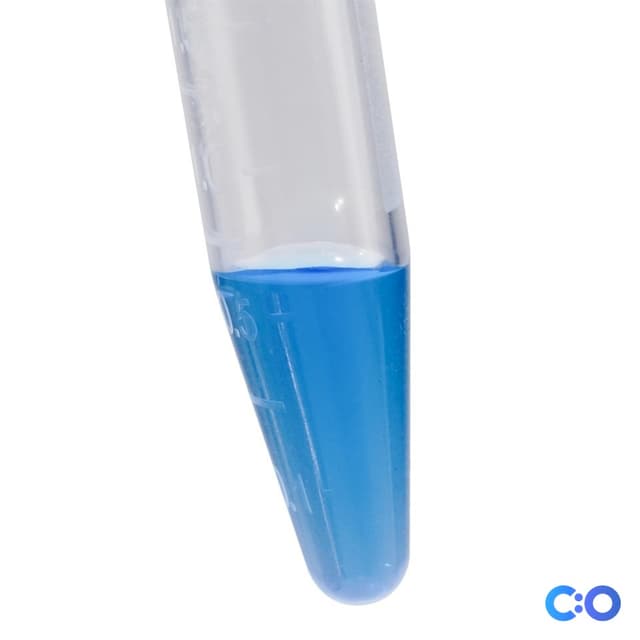
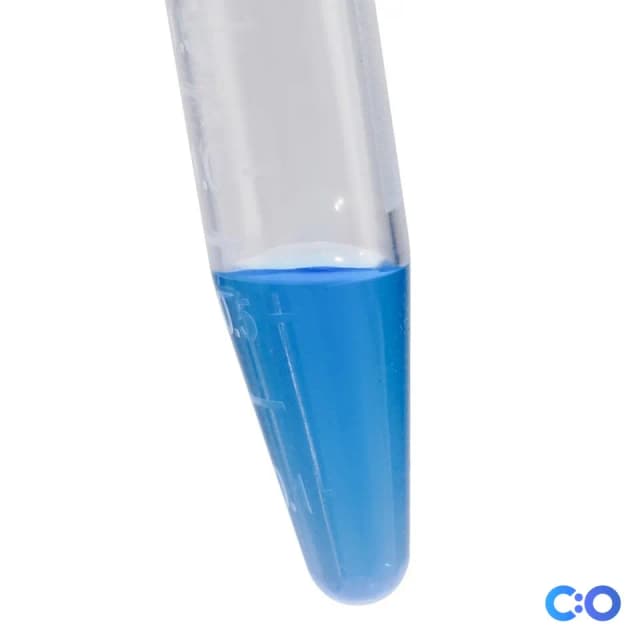
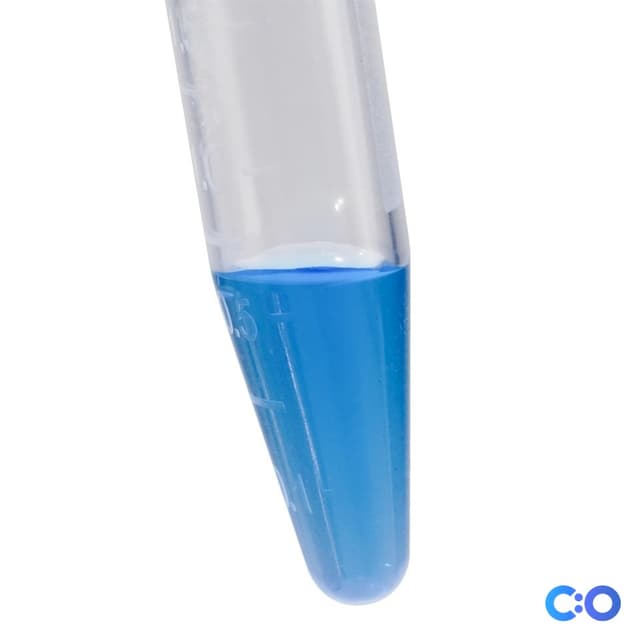
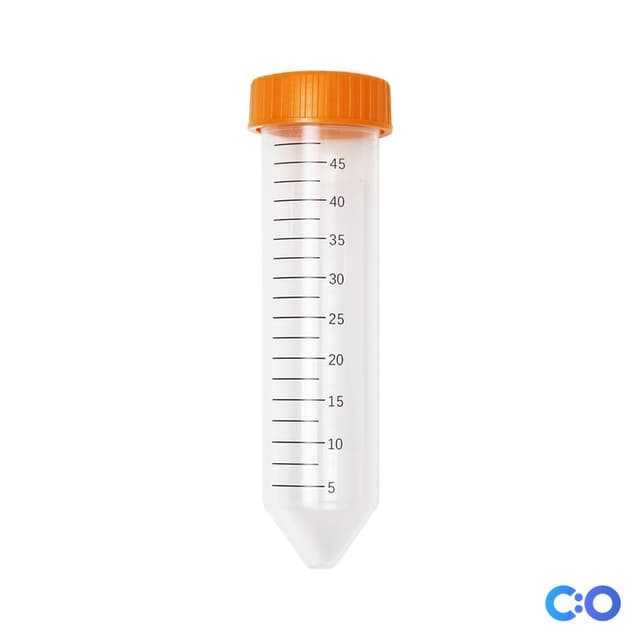
ConductScience 2.0mL microcentrifuge tubes are clear polypropylene laboratory consumables designed for routine sample processing, storage, and centrifugation applications. Constructed from medical-grade polypropylene with DNase and RNase-free certification, these tubes provide contamination-free sample handling for molecular biology, biochemistry, and analytical chemistry workflows. The snap-cap design ensures secure closure while maintaining easy access for repeated sampling operations.
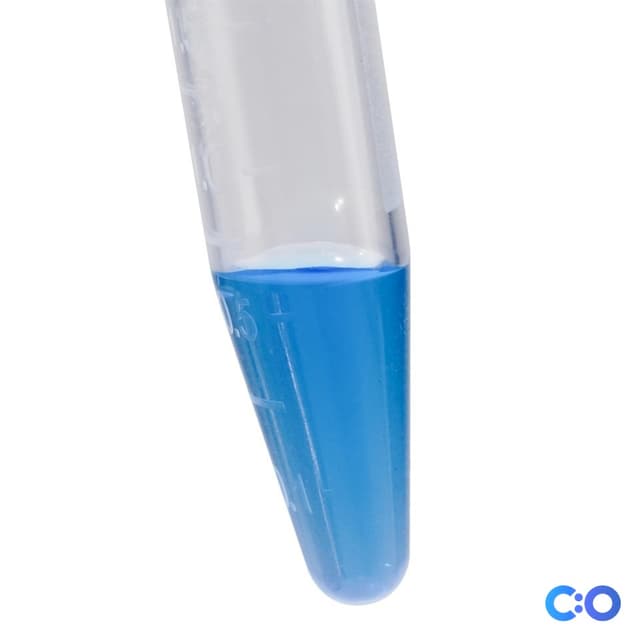
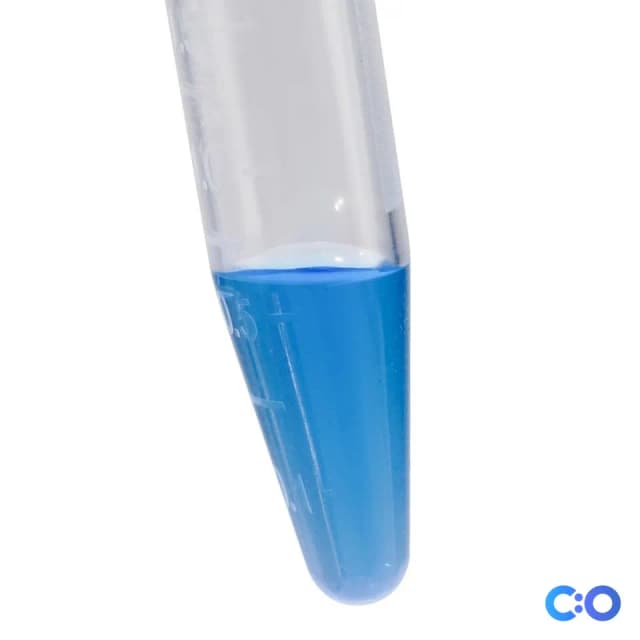
Rated for centrifugation up to 20,000 x g, these tubes accommodate high-speed separation protocols commonly used in protein precipitation, DNA/RNA isolation, and cellular fractionation procedures. The clear tube body allows visual inspection of sample layers and pellet formation during centrifugation protocols. Autoclavable construction enables sterilization for sterile culture work and sensitive molecular applications.
How It Works
Microcentrifuge tubes function as sample containers designed to withstand the mechanical forces generated during high-speed centrifugation. The tubes utilize centrifugal force to separate sample components based on density differences, with denser materials pelleting at the tube bottom while lighter components remain in the supernatant. The conical tube bottom geometry concentrates pelleted material into a small volume for efficient recovery.
The polypropylene construction provides chemical resistance to common laboratory solvents and biological samples while maintaining structural integrity under centrifugal stress up to 20,000 x g. The snap-cap closure system creates a secure seal that prevents sample loss during high-speed rotation while allowing easy opening for sample access. The smooth interior surface minimizes sample retention and enables complete sample recovery.
Features & Benefits
Automation Level
- manual
Research Domain
- Analytical Chemistry
- Cancer Research
- Cell Biology
- Developmental Biology
- Histopathology
- Immunology
- Microbiology
Weight
- 4.41 kg
Dimensions
- L: 22.6 mm
- W: 18.8 mm
- H: 15.1 mm
Comparison Guide
| Feature | This Product | Typical Alternative | Advantage |
|---|---|---|---|
| Centrifugation Rating | 20,000 x g maximum | Standard tubes often rated to 15,000-17,000 x g | Higher g-force capability enables more efficient separation of difficult-to-pellet materials and faster protocol completion |
| Contamination Certification | DNase and RNase-free certified | Basic tubes may lack nuclease-free certification | Eliminates nuclease contamination risk critical for molecular biology applications requiring intact nucleic acids |
| Material Grade | Medical-grade polypropylene | Laboratory-grade plastics with variable purity levels | Medical-grade specification ensures consistent chemical purity and low extractable content for sensitive assays |
| Closure System | Snap-cap design | Varies by model - some use screw caps or hinged lids | Snap caps enable rapid sample processing in high-throughput workflows while maintaining secure closure |
| Capacity Accuracy | 2.0mL nominal capacity | Capacity tolerances vary by manufacturer | Consistent capacity specification supports reproducible sample preparation and protocol standardization |
This product offers medical-grade polypropylene construction with DNase/RNase-free certification and high centrifugal force rating up to 20,000 x g. The snap-cap design and clear tube body support efficient sample processing in molecular biology and analytical chemistry applications.
Practical Tips
Balance tubes by mass rather than volume when using different sample types to prevent rotor imbalance during high-speed centrifugation.
Why: Mass balancing ensures stable rotor operation and prevents equipment damage at maximum g-force.
Inspect snap caps for wear or damage before critical applications, as compromised caps may fail under centrifugal stress.
Why: Cap failure during centrifugation can result in sample loss and potential rotor contamination.
Allow centrifuge to reach complete stop before opening and remove tubes slowly to prevent aerosol generation.
Why: Residual rotation and sudden movements can create aerosols that may contaminate samples or work surfaces.
Pre-cool tubes when working with temperature-sensitive samples or protocols requiring cold conditions.
Why: Temperature control maintains sample integrity and can improve separation efficiency for certain applications.
If pellets appear loose or resuspend easily, increase centrifugation time rather than speed to improve pellet compaction.
Why: Extended centrifugation allows complete settling without exceeding tube ratings or generating excessive heat.
Use pipette tips with filtered or low-retention properties when working with these nuclease-free tubes.
Why: Maintaining the contamination-free environment extends to all sample handling components in the workflow.
Verify actual tube capacity with calibrated pipettes when precise volumes are critical for quantitative applications.
Why: Tube manufacturing tolerances can affect volume accuracy in applications requiring precise sample-to-reagent ratios.
Setup Guide
What’s in the Box
- 500 x 2.0mL microcentrifuge tubes with snap caps
- Product specification sheet (typical)
- Certificate of analysis (typical)
Warranty
ConductScience provides standard warranty coverage for manufacturing defects with technical support for product specifications and application guidance.
Compliance
References
Background reading relevant to this product:
What is the maximum centrifugal force these tubes can withstand?
The tubes are rated for centrifugation up to 20,000 x g, suitable for most standard laboratory separation protocols including protein precipitation and cellular fractionation.
Are these tubes suitable for freezer storage?
Polypropylene construction typically allows freezer storage, but consult product datasheet for specific temperature range and freeze-thaw cycle ratings.
Can these tubes be used for organic solvent extractions?
Polypropylene provides good chemical resistance to many solvents, but compatibility should be verified for specific organic solvents used in your protocols.
What sterilization methods are compatible with these tubes?
The tubes are autoclavable for steam sterilization. Gamma irradiation compatibility should be confirmed through product specifications.
How does the snap-cap design compare to screw-cap alternatives?
Snap caps provide quick closure and opening for high-throughput applications, while screw caps offer more secure sealing for long-term storage and shipping.
Are graduated markings present on the tube body?
Consult product datasheet for volume graduation specifications and measurement accuracy information.
What is the minimum sample volume for effective centrifugation?
Minimum volume depends on centrifugation parameters and sample properties. Generally, volumes above 100μL provide adequate centrifugal separation efficiency.
Have a question about this product?
Accessories
Enhance your setup with compatible accessories
Frequently Bought Together