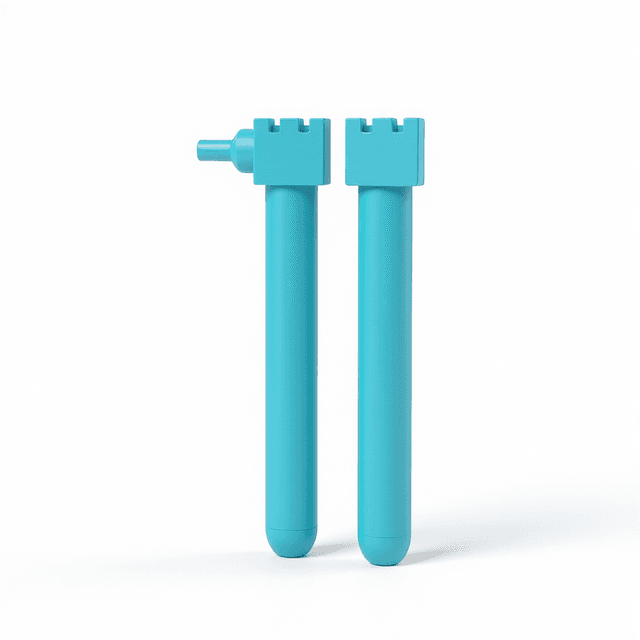
Cranial drill holder
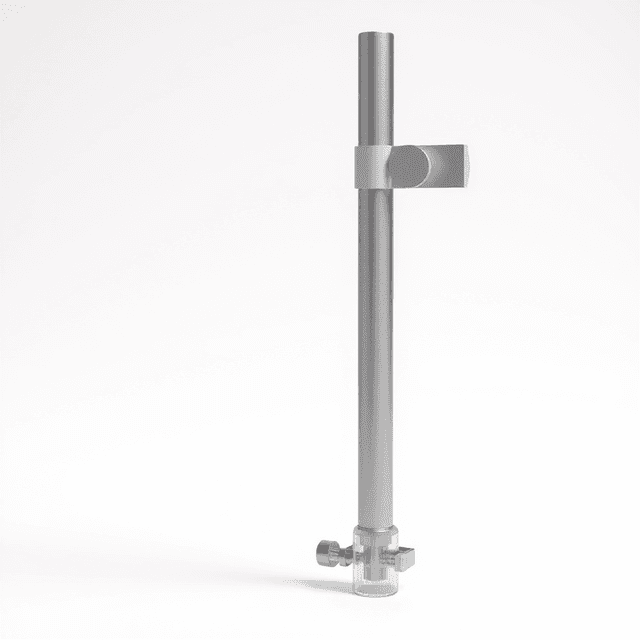
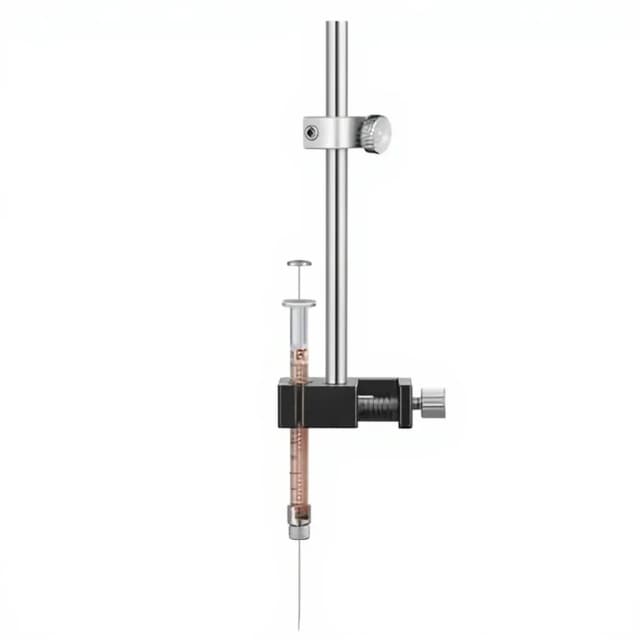
Precision drill holder for stereotaxic instruments that secures 14.5mm diameter microdrills and enables manipulator-controlled depth drilling for brain surgery procedures.
| diameter | 14.5mm |
| microdrill_diameter_compatibility | 14.5mm |
| instrument_compatibility | stereotaxic instruments |
| depth_control | controlled by manipulator |
| Automation Level | manual |
| Species | Mouse, Rat |

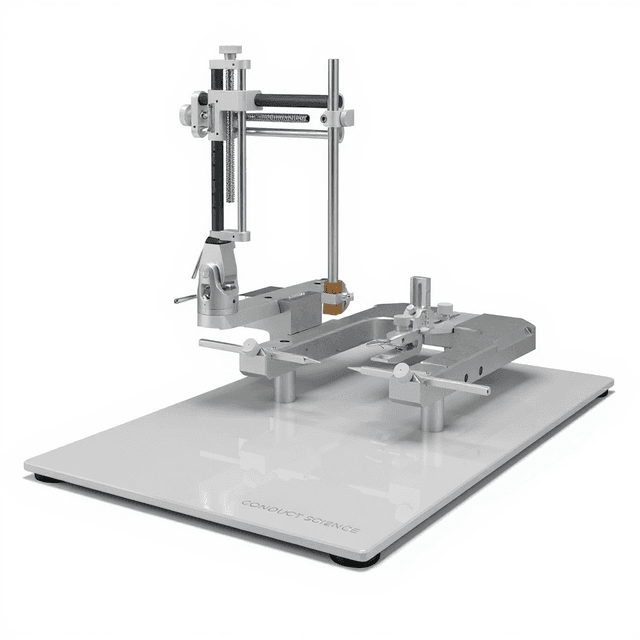
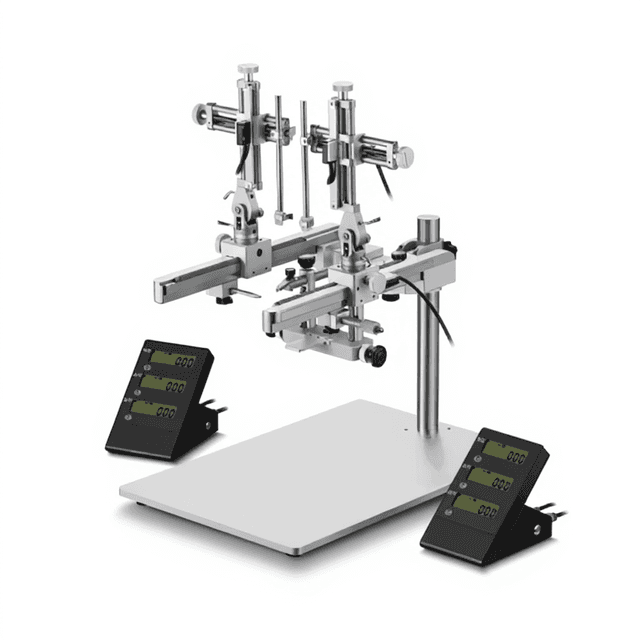
The cranial drill holder secures microdrills to stereotaxic instruments, providing precise depth control through manipulator operation. This accessory enables accurate drilling operations during stereotaxic procedures while protecting brain tissue from damage caused by excessive penetration. The holder accommodates microdrills with approximately 14.5mm diameter and integrates with standard stereotaxic manipulator systems.
The device transfers depth control from manual operation to the stereotaxic manipulator, allowing researchers to advance the drill in controlled increments. This precision is critical for procedures requiring specific drilling depths, such as electrode implantation, cannula placement, or targeted brain lesioning. The secure mounting system maintains drill stability throughout the procedure, reducing variability in drilling operations.
How It Works
The cranial drill holder operates by mechanically coupling the microdrill to the stereotaxic manipulator system, transferring depth control from manual operation to precise mechanical advancement. The holder grips microdrills with approximately 14.5mm diameter through a secure clamping mechanism that prevents rotational or lateral movement during operation.
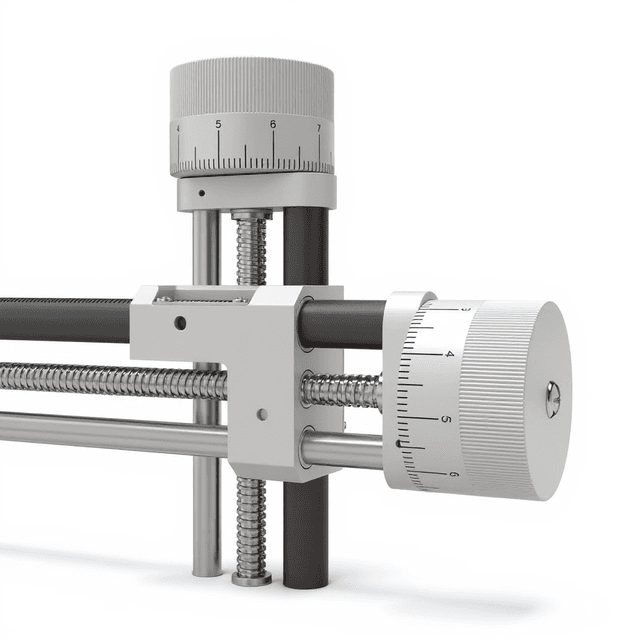
When mounted to the stereotaxic manipulator, the drill holder enables controlled advancement in measured increments, typically in steps of 0.1mm or finer depending on the manipulator specifications. This mechanical coupling ensures that drilling depth corresponds directly to manipulator position readings, allowing researchers to achieve precise penetration depths based on stereotaxic coordinates.
The controlled advancement prevents the drill from penetrating beyond the intended depth, protecting underlying brain structures from inadvertent damage. The stable mounting system eliminates hand tremor and provides consistent drilling angle throughout the procedure, critical for maintaining accuracy in small animal brain surgeries.
Features & Benefits
diameter
- 14.5mm
microdrill_diameter_compatibility
- 14.5mm
instrument_compatibility
- stereotaxic instruments
depth_control
- controlled by manipulator
Automation Level
- manual
Research Domain
- Behavioral Pharmacology
- Learning and Memory
- Motor Function
- Neurodegeneration
- Neuroscience
- Pain Research
Species
- Mouse
- Rat
Weight
- 1.1 kg
Dimensions
- L: 30.48 mm
- W: 10.16 mm
- H: 10.16 mm
Comparison Guide
| Feature | This Product | Typical Alternative | Advantage |
|---|---|---|---|
| Drill Diameter Compatibility | 14.5mm microdrill compatibility | Some holders accommodate only specific drill models or require adapter sleeves | Direct compatibility with standard microdrills eliminates need for additional adapters or modifications |
| Depth Control Method | Manipulator-controlled advancement | Manual depth control relies on operator experience and visual estimation | Precise, measurable depth control reduces surgical variability and improves experimental reproducibility |
| Mounting System | Direct stereotaxic instrument integration | Some systems require custom mounting brackets or modifications | Seamless integration with existing stereotaxic setups minimizes setup complexity |
| Size and Profile | Compact 30.48mm length design | Larger holders may obstruct surgical site access | Minimal profile maintains clear visualization and instrument access during procedures |
This drill holder provides direct 14.5mm microdrill compatibility with manipulator-controlled depth advancement in a compact design. The system integrates with standard stereotaxic instruments to transfer precise depth control from manual operation to mechanical advancement.
Practical Tips
Always verify drill security in the holder before beginning any drilling operation to prevent drill displacement during procedures.
Why: Loose drill mounting can cause depth inaccuracies and potential tissue damage from unexpected drill movement.
Zero the manipulator depth reading with the drill tip touching the skull surface to establish accurate depth reference.
Why: Proper zero reference ensures drilling depths correspond accurately to experimental coordinate requirements.
Clean the clamping mechanism thoroughly after each use to remove bone debris and prevent drill retention problems.
Why: Accumulated debris can reduce clamping force and compromise drill security during subsequent procedures.
Advance the drill in small increments and monitor penetration depth continuously to avoid over-drilling.
Why: Controlled advancement prevents inadvertent damage to underlying brain structures beyond the target region.
If the drill binds during advancement, retract slightly and clear bone debris before continuing.
Why: Forcing a bound drill can cause tip breakage or create irregular hole geometry affecting implant placement.
Use consistent drilling speed and avoid excessive pressure to maintain hole quality and prevent drill bit wear.
Why: Controlled drilling parameters produce cleaner holes and extend drill bit lifespan for multiple procedures.
Record manipulator position readings before and after drilling to document actual penetration depths achieved.
Why: Documented drilling depths support experimental reproducibility and surgical protocol validation.
Setup Guide
What’s in the Box
- Cranial drill holder unit
- Mounting hardware (typical)
- User manual (typical)
- Installation guide (typical)
Warranty
ConductScience provides a one-year manufacturer warranty covering defects in materials and workmanship, with technical support for installation and operation guidance.
Compliance
What drill diameters are compatible with this holder?
The holder accommodates microdrills with approximately 14.5mm diameter, which is standard for most stereotaxic drilling applications.
How does the depth control mechanism work?
The holder transfers depth control to the stereotaxic manipulator, allowing precise advancement in measured increments rather than manual drilling depth estimation.
Is this compatible with different stereotaxic frame brands?
The holder is designed for standard stereotaxic instruments, though specific mounting interfaces may vary between manufacturers. Consult product datasheet for compatibility details.
What level of drilling precision can be achieved?
Precision depends on your manipulator specifications, typically allowing advancement in 0.1mm increments or finer based on the manipulator's resolution.
How is the drill secured in the holder?
The holder uses a clamping mechanism to secure the 14.5mm drill, preventing rotational or lateral movement during drilling operations.
Can this be used for different surgical procedures?
Yes, the holder supports various procedures requiring controlled cranial drilling including electrode implantation, cannula placement, and injection needle access.
What maintenance is required for this accessory?
Regular cleaning and inspection of mounting surfaces and clamping mechanisms, with periodic verification of secure drill retention during operation.
Have a question about this product?
Accessories
Enhance your setup with compatible accessories
Upgrade Options