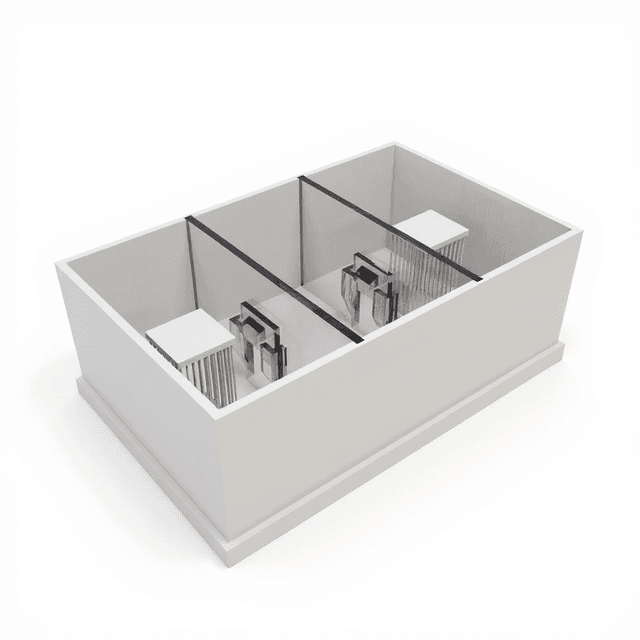
Crayfish Light-Dark Maze
Specialized behavioral apparatus for investigating photophobic responses, spatial learning, and memory in freshwater crayfish using light-dark preference paradigms.

Louise Corscadden, PhD
Director of Science · ConductScience
Ask Louise about Crayfish Light-Dark Maze fit, setup, configuration, or quote prep.
Already working with us? Sign in to connect this with My Scientist.
Key Specifications
Full details →- Model fit
- Crayfish
- SKU family
- CS-958191
- Shipping box
- 65.0 x 36.0 x 27.0 cm
- Ordering
- Online checkout and quote request available
- Category
- Behavioral Mazes
- Build notes
- Confirm accessories, station layout, and support needs before purchase
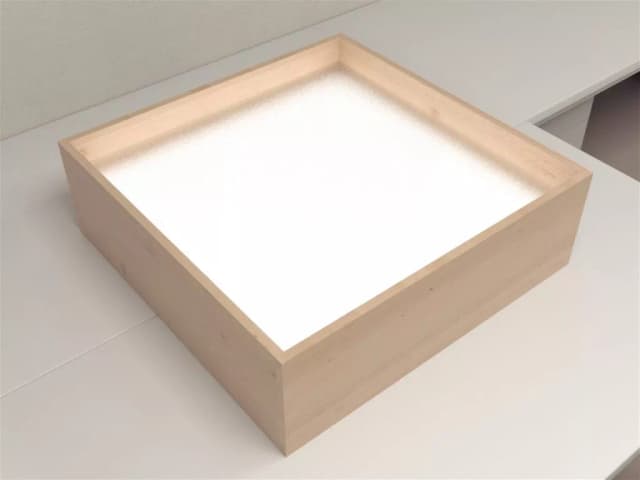
The Crayfish Light-Dark Maze is a specialized behavioral testing apparatus designed for investigating photophobic responses, learning, and memory in freshwater crayfish (Procambarus species). This apparatus exploits the natural preference of crayfish for dark environments to assess spatial learning, memory consolidation, and anxiety-like behaviors in invertebrate models.
The maze configuration allows researchers to measure transition latencies, choice behaviors, and habituation patterns as crayfish navigate between illuminated and dark compartments. This testing paradigm is particularly valuable for comparative neurobiology studies, providing insights into invertebrate cognition and serving as a cost-effective alternative to mammalian behavioral models for certain research applications.
How It Works
The Crayfish Light-Dark Maze operates on the principle of photophobic behavior, exploiting crayfish's natural aversion to bright illumination. The apparatus presents subjects with a choice between illuminated and dark compartments, allowing measurement of spontaneous preference and learned avoidance behaviors. Light intensity differentials create distinct environmental zones that trigger innate behavioral responses.
During testing, crayfish demonstrate measurable behaviors including exploration latency, compartment preference, and transition frequency. The maze design enables assessment of both immediate responses to photic stimuli and adaptation over multiple trials. Behavioral parameters such as time spent in each compartment, number of transitions, and choice accuracy provide quantitative measures of learning and memory processes.
The testing paradigm can incorporate various experimental modifications including temporal delays, spatial reconfigurations, and stimulus intensity variations to probe different aspects of invertebrate cognition and behavioral plasticity.
Features & Benefits
Behavioral Construct
- Spatial Learning
- Memory
- Anxiety-like Behavior
- Photophobic Response
- Choice Behavior
- Habituation
Automation Level
- manual
Research Domain
- Behavioral Pharmacology
- Developmental Biology
- Environmental Monitoring
- Learning & Memory
- Neuroscience
- Toxicology
Species
- Crayfish
Compatible Tracking Software
- ConductVision
Shipping weight
- 6.06 lb
Shipping box
- L: 65.0 cm
- W: 36.0 cm
- H: 27.0 cm
| Feature | This Product | Typical Alternative | Advantage |
|---|---|---|---|
| Species Compatibility | Specifically designed for freshwater crayfish testing | Most commercial mazes target rodent species with different size and environmental requirements | Maintains subjects in natural aquatic environment throughout testing for improved behavioral validity |
| Environmental Control | Aquatic environment with controlled illumination zones | Terrestrial mazes often lack environmental specificity for aquatic invertebrates | Reduces stress artifacts by maintaining natural habitat conditions during behavioral assessment |
| Test Paradigm | Light-dark preference with spatial navigation components | Simple preference chambers typically offer fewer spatial complexity options | Combines innate preference testing with spatial learning assessment in single apparatus |
| Maintenance Requirements | Designed for easy cleaning and water management | Complex multi-compartment systems often require extensive disassembly for cleaning | Enables rapid turnaround between subjects while maintaining experimental hygiene standards |
This maze offers specialized invertebrate behavioral testing capabilities with aquatic environment compatibility and integrated light-dark preference paradigms. The apparatus combines spatial navigation assessment with innate behavioral responses for comprehensive cognitive evaluation in crayfish models.
Practical Tips
Verify light intensity differentials using a photometer before each testing session to ensure consistent stimulus presentation.
Why: Light intensity variations can significantly affect behavioral responses and compromise experimental reproducibility.
Replace water and clean all surfaces with dechlorinated water between subjects to eliminate chemical cues.
Why: Residual chemical traces from previous subjects can influence subsequent behavioral responses through chemoreception.
Maintain water temperature at 18-22°C throughout testing sessions for optimal subject activity levels.
Why: Temperature significantly affects crayfish metabolism and locomotor activity, influencing behavioral measurements.
Record environmental conditions including temperature, light levels, and water quality parameters for each session.
Why: Environmental variations can affect behavioral outcomes and are essential for data interpretation and replication.
If subjects show reduced activity, check for handling stress, water quality issues, or inappropriate lighting conditions.
Why: Multiple environmental factors can suppress natural behaviors and compromise experimental validity.
Handle electrical lighting components with dry hands and ensure proper grounding of all electrical systems near water.
Why: Water-electricity combinations present serious safety hazards requiring appropriate precautions and equipment design.
Standardize acclimation periods and handling procedures to minimize between-subject variability in stress responses.
Why: Consistent pre-testing conditions reduce experimental noise and improve statistical power for detecting treatment effects.
Setup Guide
What’s in the Box
- Maze apparatus with light and dark compartments (typical)
- Illumination system components (typical)
- Connecting passages and gates (typical)
- Water level indicators (typical)
- Assembly hardware and fasteners (typical)
- User manual with testing protocols (typical)
- Behavioral scoring sheets (typical)
Warranty
ConductScience provides a one-year manufacturer warranty covering defects in materials and workmanship, with technical support for setup and operational guidance.
Compliance
References
Background reading relevant to this product:
What water depth is optimal for crayfish behavioral testing in this maze?
Consult product datasheet for recommended water depth specifications. Typical depth should allow normal locomotion while maintaining visibility for behavioral observation, usually 3-5 cm for adult crayfish.
How long should individual testing sessions last to avoid fatigue effects?
Testing sessions typically range from 10-30 minutes depending on protocol objectives. Monitor subjects for signs of reduced activity that may indicate fatigue or stress.
Can the maze accommodate juvenile crayfish or is it designed only for adults?
Consult product specifications for size compatibility. Some configurations may be suitable for juvenile subjects, though compartment dimensions are typically optimized for adult crayfish.
What lighting intensity differential is required between light and dark compartments?
Consult product datasheet for specific illumination parameters. Effective protocols typically require significant contrast between illuminated and dark zones to elicit clear preference behaviors.
How should subjects be handled between trials to minimize stress artifacts?
Use gentle netting techniques and minimize air exposure. Allow adequate recovery time between trials and maintain consistent water temperature and quality throughout testing.
What behavioral parameters provide the most reliable measures of learning?
Key metrics include latency to first dark compartment entry, total time in dark zone, number of compartment transitions, and choice accuracy across repeated trials.
Can multiple subjects be tested simultaneously or is individual testing required?
Individual testing is typically recommended to avoid social interactions that could confound behavioral measurements and ensure accurate attribution of responses.
Have a question about this product?
Have a question? Just ask.
Send it over and we'll email you a personalized answer — no call, no scheduling.
Prefer to talk it through?
Accessories
Enhance your setup with compatible accessories