1 / 10
Dig Task
SKU CS-958332
$1,390.00
IncludesStandard care
Odor discrimination apparatus for assessing cognitive dysfunction and decision-making behavior in rodents following neurological injury using two-choice olfactory paradigms.
CE MarkedBAA available
Scientist guidance

Louise Corscadden, PhD
Director of Science · ConductScience
Ask Louise about Dig Task fit, setup, configuration, or quote prep.
Already working with us? Sign in to connect this with My Scientist.
Key Specifications
Full details →- Model fit
- Mouse, Rat
- SKU family
- CS-958332
- Shipping box
- 65.0 x 36.0 x 27.0 cm
- Ordering
- Online checkout and quote request available
- Category
- Behavioral Mazes
- Build notes
- Ceramic
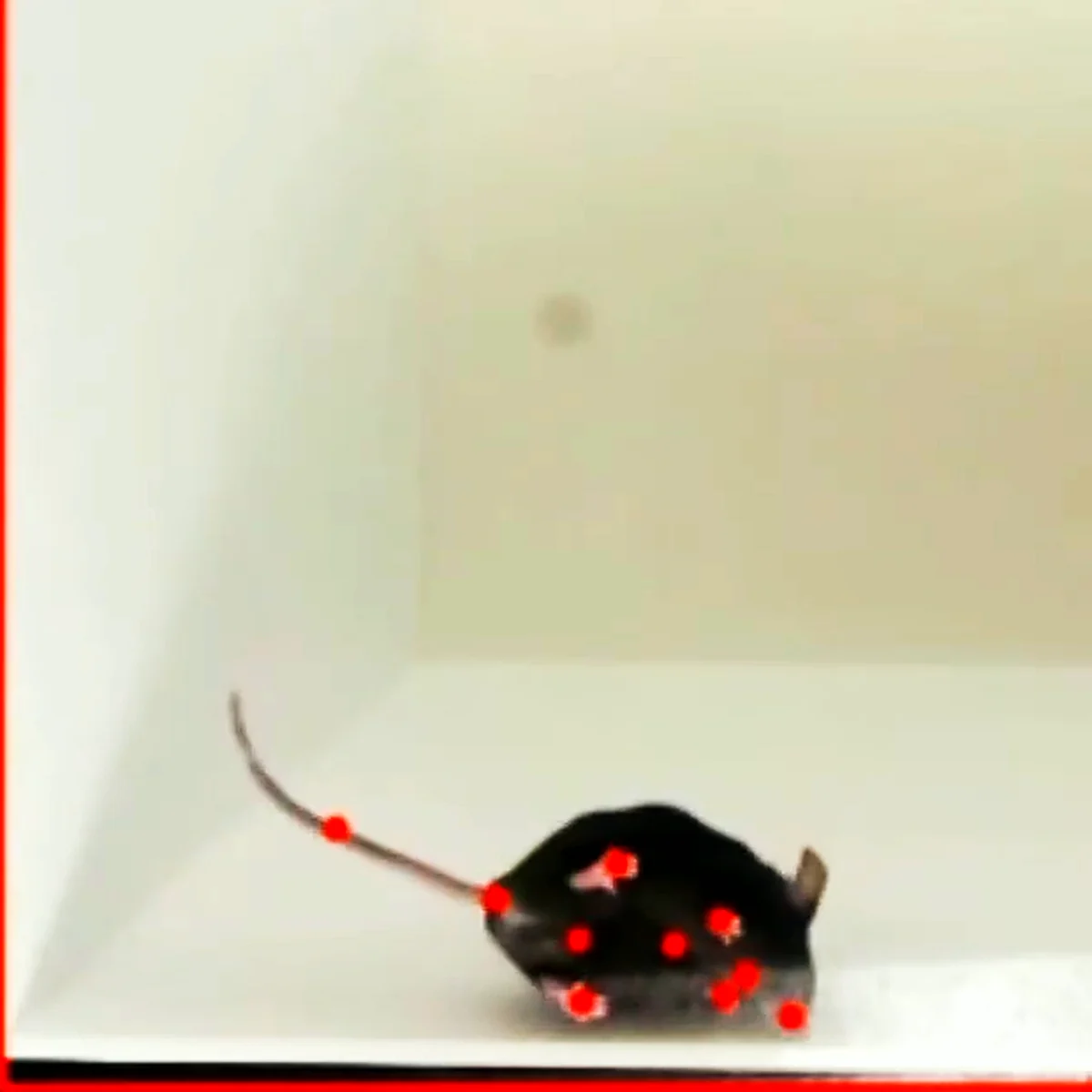
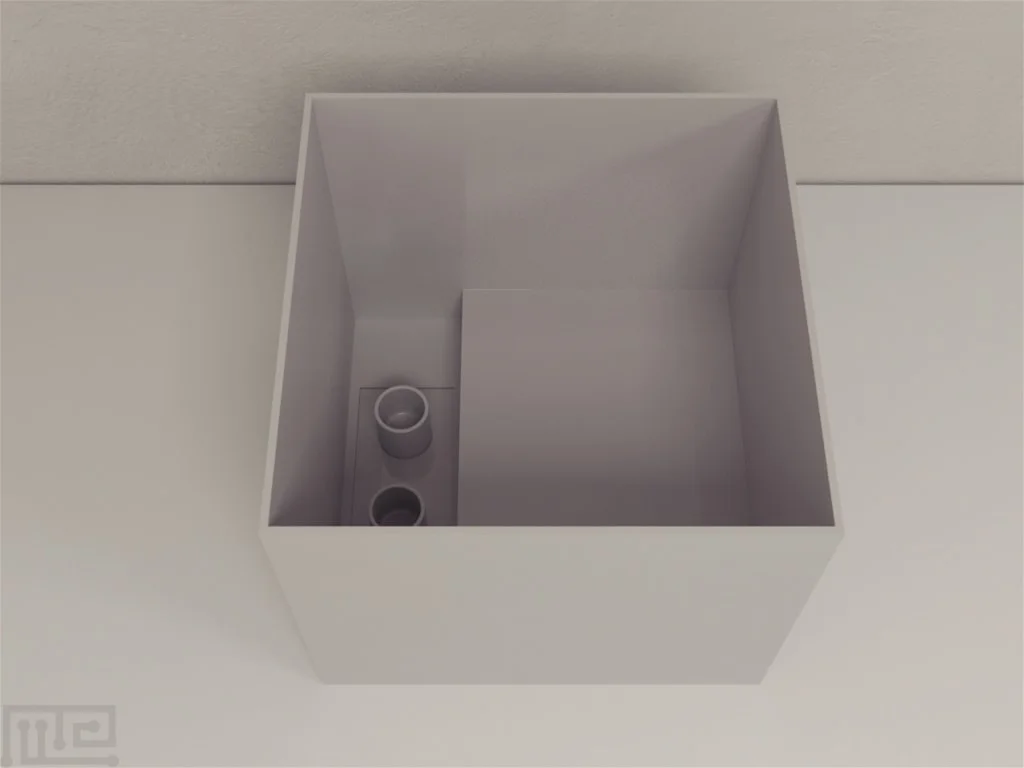
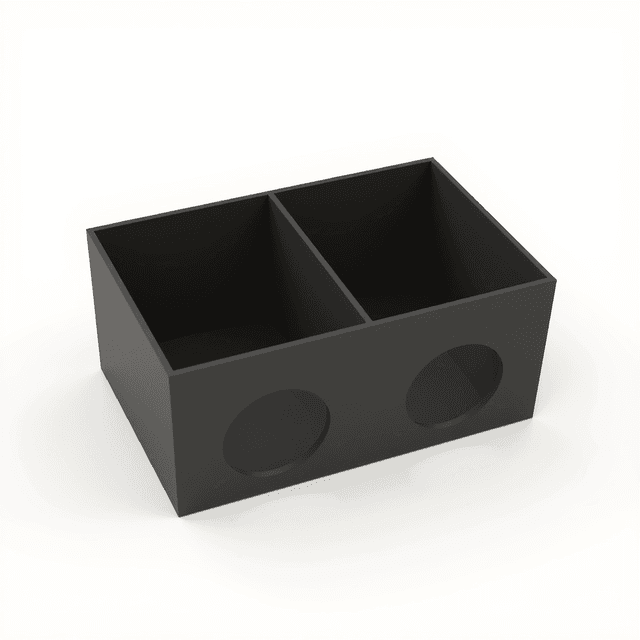
The Dig Task is an odor discrimination apparatus designed for rapid and effective evaluation of cognitive dysfunction following traumatic brain injury and stroke in rodents. This behavioral test utilizes a two-choice decision paradigm based on operant learning principles, where animals must discriminate between odorized sand samples to locate buried food rewards. The apparatus consists of species-specific chambers with designated start and testing areas, paired with ceramic cups containing sand substrates for olfactory discrimination tasks.
Originally developed for studying value transfer across odor stimuli using probability of reinforcement paradigms, the Dig Task has been validated for assessing decision-making behavior and cognitive performance in neurological injury models. The test leverages rodents' natural digging behaviors while providing controlled experimental conditions for measuring learning, memory, and executive function parameters in neuroscience research.
How It Works
The Dig Task operates on the principle of operant conditioning combined with olfactory discrimination learning. Animals are trained to associate specific odors with food rewards buried in sand-filled ceramic cups. During testing, subjects must choose between two odorized sand samples, with only one containing the hidden reward. The apparatus utilizes rodents' innate digging behavior while providing controlled sensory conditions for precise behavioral measurement.
The experimental paradigm involves food restriction to 80-90% of free-feeding weight to establish motivation, followed by systematic training sessions where animals learn odor-reward contingencies. Performance is measured through choice accuracy, latency to dig, and error patterns across multiple trials. The two-choice format allows for assessment of decision-making processes, learning curves, and cognitive flexibility when contingencies are reversed or probabilities are altered.
Features & Benefits
Species-specific chamber dimensions
Accommodates both mice and rats with appropriately sized testing environments for optimal behavioral expression and movement patterns.
Ceramic cup substrate containers
Provides durable, odor-neutral vessels with standardized dimensions (2.5 inch diameter) for consistent sand presentation and easy cleaning between trials.
Defined start and testing areas
Ensures standardized trial initiation and choice zone parameters for reliable behavioral measurements and reduced variability.
Complete odor sand kit
Includes pre-measured sand quantities and odorant preparation protocols for immediate experimental implementation without additional sourcing.
Two-choice discrimination paradigm
Enables assessment of learning, memory, and decision-making processes through controlled odor-reward contingencies with quantifiable behavioral outcomes.
Standardized trial duration
30-second maximum trial periods provide consistent temporal parameters for measuring response latencies and choice behaviors across subjects.
Natural digging behavior utilization
Leverages innate rodent foraging behaviors reducing training requirements while maintaining high ecological validity for cognitive assessments.
Mouse Chamber Dimensions
- 12 x 8 x 7 inches
Mouse Start Area
- 5 x 8 inches
Mouse Testing Area
- 7 x 8 inches
Rat Chamber Dimensions
- 15 x 10 x 9 inches
Rat Start Area
- 6 x 10 inches
Rat Testing Area
- 9 x 10 inches
Ceramic Cup Diameter
- 2.5 inches
Ceramic Cup Height
- 1.5 inches
Number of Cups
- 2
Sand Amount
- 110 grams unscented clean playground sandbox sand
Odorant Amount
- 1 gram
Trial Duration
- 30 seconds maximum
Training Sessions
- 8 sessions over 4 days
Food Restriction Weight
- 80%-90% of free-feeding weight
Daily Food Amount
- 15-20 grams per day
Behavioral Construct
- Learning
- Memory
- Decision Making
- Cognitive Flexibility
- Olfactory Discrimination
- Executive Function
Automation Level
- manual
Material
- Ceramic
Dimensions
- 12-15 inches x 8-10 inches x 7-9 inches
Research Domain
- Addiction Research
- Aging Research
- Behavioral Pharmacology
- Learning and Memory
- Neurodegeneration
- Neuroscience
Compatible Tracking Software
- ConductVision
Shipping weight
- 6.06 lb
Shipping box
- L: 65.0 cm
- W: 36.0 cm
- H: 27.0 cm
| Feature | This Product | Typical Alternative | Advantage |
|---|---|---|---|
| Training Time Requirements | 8 sessions over 4 days using natural digging behavior | Traditional operant tasks often require 2-3 weeks of extensive training | Faster implementation allows for earlier post-injury assessment when acute effects are most pronounced. |
| Species Accommodation | Dual-size chambers (mouse: 12x8x7 inches, rat: 15x10x9 inches) | Many cognitive tests require separate apparatus for different species | Single apparatus design enables consistent methodology across different rodent models. |
| Motor Dependency | Utilizes innate digging behavior with minimal motor complexity | Maze-based tests often require intact locomotor function | Suitable for neurological injury models where motor function may be compromised. |
| Trial Duration | 30-second maximum trial periods | Some cognitive tasks have longer or variable trial durations | Standardized timing improves measurement reliability and reduces session length. |
| Sensory Modality | Olfactory discrimination with odorized sand substrates | Visual or spatial discrimination tasks predominate | Olfactory testing may be more sensitive to certain types of brain injury affecting limbic structures. |
This apparatus provides a rapid, motor-independent assessment of cognitive function through olfactory discrimination tasks that leverage natural rodent behaviors. The standardized dual-species design and abbreviated training protocol make it particularly suitable for neurological injury research where traditional cognitive tests may be confounded by motor deficits.
| Model | SKU | Listed price | Status | Shipping box |
|---|---|---|---|---|
| Rat | CS-958332 | $1,390.00 | Available | 38.1 x 25.4 x 22.86 cm |
| Mouse | CS-958332 | $1,290.00 | Available | 30.48 x 20.32 x 17.78 cm |
Neuroscience
Evaluating cognitive deficits and recovery patterns in traumatic brain injury models by measuring odor discrimination learning and decision-making capabilities.
Behavioral Pharmacology
Testing the efficacy of neuroprotective compounds and cognitive enhancers on learning and memory performance using olfactory-based behavioral paradigms.
Learning and Memory
Investigating associative learning mechanisms and memory consolidation processes through controlled odor-reward contingency experiments.
Neurodegeneration
Assessing early cognitive impairments and progression of neurodegenerative diseases by monitoring changes in olfactory discrimination abilities.
Addiction Research
Studying decision-making alterations and cognitive flexibility deficits associated with substance abuse using probability-based reward paradigms.
Aging Research
Examining age-related cognitive decline and olfactory processing changes through longitudinal behavioral assessments in aging rodent models.
Practical Tips
Best Practices
Maintain consistent environmental conditions including temperature, humidity, and background noise levels during testing sessions.
Why: Environmental variations can affect olfactory sensitivity and behavioral performance, introducing unwanted variability in cognitive measurements.
Maintenance
Clean ceramic cups thoroughly between subjects using odor-neutral detergents and allow complete air drying before reuse.
Why: Residual odors from previous subjects can create false positive responses and compromise discrimination learning assessment.
Data Quality
Record both primary choice behavior and secondary measures like digging duration and location within cups.
Why: Additional behavioral parameters provide insight into search strategies and confidence levels beyond simple choice accuracy.
Calibration
Verify sand depth consistency across cups and sessions using standardized measuring tools.
Why: Uneven sand depths can create tactile cues that bypass olfactory discrimination and confound cognitive assessment.
Troubleshooting
If animals show persistent side bias, rotate cup positions systematically and verify odorant concentration consistency.
Why: Spatial preferences unrelated to odor discrimination can mask true learning deficits or create false positive results.
Best Practices
Monitor individual animal weights daily during food restriction to ensure maintenance within the 80-90% target range.
Why: Excessive weight loss can compromise welfare while insufficient restriction may reduce task motivation and performance.
Safety
Use only laboratory-grade odorants and avoid compounds that may cause respiratory irritation or adverse behavioral effects.
Why: Toxic or irritating substances can create aversive responses that confound learning assessment and compromise animal welfare.
Setup Guide
Chamber Assembly
Assemble the behavioral chamber ensuring proper dimensions for target species (12x8x7 inches for mice, 15x10x9 inches for rats) with clear demarcation between start and testing areas.
Sand Preparation
Prepare odorized sand by mixing 110 grams of unscented playground sand with 1 gram of odorant, ensuring uniform distribution throughout the substrate.
Cup Positioning
Place ceramic cups (2.5 inch diameter, 1.5 inch height) in designated locations within the testing area, ensuring consistent spatial arrangement across sessions.
Food Restriction Protocol
Implement food restriction protocol reducing animals to 80-90% of free-feeding weight with 15-20 grams daily ration to establish appropriate motivation levels.
Training Session Setup
Configure training protocol for 8 sessions over 4 days with 30-second maximum trial durations, establishing consistent timing and reward placement procedures.
Baseline Testing
Conduct initial baseline sessions to establish individual performance metrics before experimental manipulations or injury induction.
What’s in the Box
- Behavioral chamber (species-specific dimensions)
- 2 ceramic cups (2.5 inch diameter, 1.5 inch height)
- Complete odor sand kit with preparation protocols
- Setup and protocol documentation (typical)
- Behavioral scoring sheets (typical)
Warranty
ConductScience provides a standard 1-year manufacturer warranty covering defects in materials and workmanship, with technical support for setup and protocol implementation.
Compliance
IACUC Animal Welfare GuidelinesSupports behavioral testing protocols that require institutional review for animal research compliance and welfare monitoring.
NIH Guide for Care and Use of Laboratory AnimalsUsed in behavioral studies that must adhere to federal guidelines for humane animal research practices and environmental enrichment requirements.
Q
What food restriction protocol is required for optimal task performance?
A
Animals should be maintained at 80-90% of their free-feeding weight with 15-20 grams of food provided daily to establish appropriate motivation levels for reward-seeking behavior.
Q
How many training sessions are needed before reliable behavioral assessment?
A
The standard protocol requires 8 training sessions conducted over 4 days to establish stable baseline performance before experimental testing or injury induction.
Q
What is the maximum trial duration and how does it affect data interpretation?
A
Each trial has a maximum duration of 30 seconds, providing sufficient time for choice behavior while maintaining consistent temporal parameters for latency measurements.
Q
Can the apparatus accommodate both acquisition and reversal learning paradigms?
A
Yes, the two-choice format allows for initial odor-reward association learning followed by contingency reversal to assess cognitive flexibility and adaptation to changing reward probabilities.
Q
What are the key behavioral measures obtained from this task?
A
Primary measures include choice accuracy, response latency, number of digging attempts, error patterns, and learning curves across training sessions.
Q
How should the sand substrate be prepared and maintained between trials?
A
Mix 110 grams unscented playground sand with 1 gram odorant for uniform distribution, replacing contaminated sand between subjects and refreshing odorized substrate regularly to maintain consistent stimulus strength.
Q
Is this apparatus suitable for studying both acute and chronic neurological injury models?
A
Yes, the task can assess both immediate post-injury cognitive deficits and longitudinal recovery patterns, making it suitable for acute traumatic brain injury and chronic neurodegenerative disease studies.
Have a question about this product?
Track rodents with ConductVision
ConductVision is our video-tracking software. Record your sessions on video, and it scores standard rodent tests, such as those listed below.
Examples of tests it scores
To check whether ConductVision scores your protocol in this apparatus, ask in your quote request.
Ask a question
Have a question? Just ask.
Send it over and we'll email you a personalized answer — no call, no scheduling.
Personalized email reply
Usually within one business day
Helpful answers published here
Prefer to talk it through?
Accessories
Enhance your setup with compatible accessories
Total: $0.00
Frequently Bought Together
Total: $2,730.00
Upgrade Options

Dig Task
$1,390.00
Added to quoteView Quote