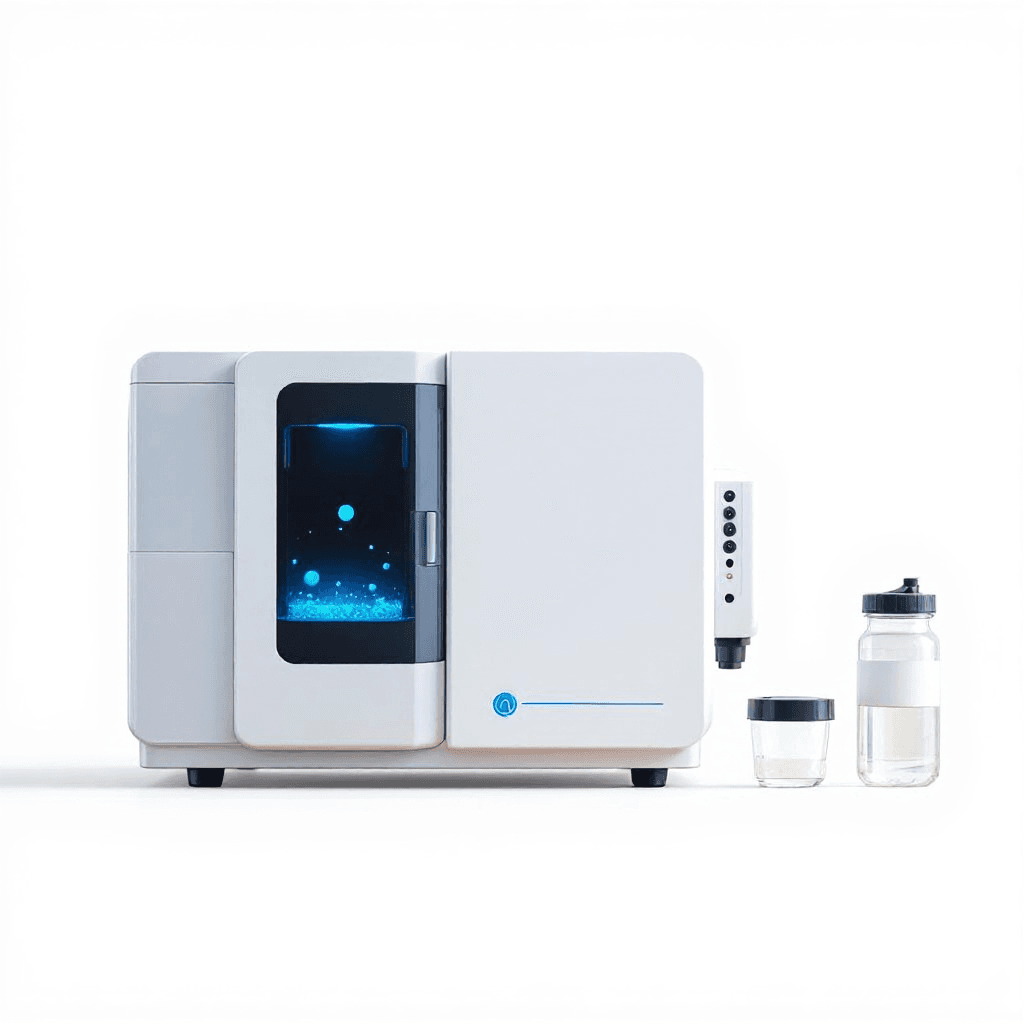
Dissolved Oxygen Analyzer
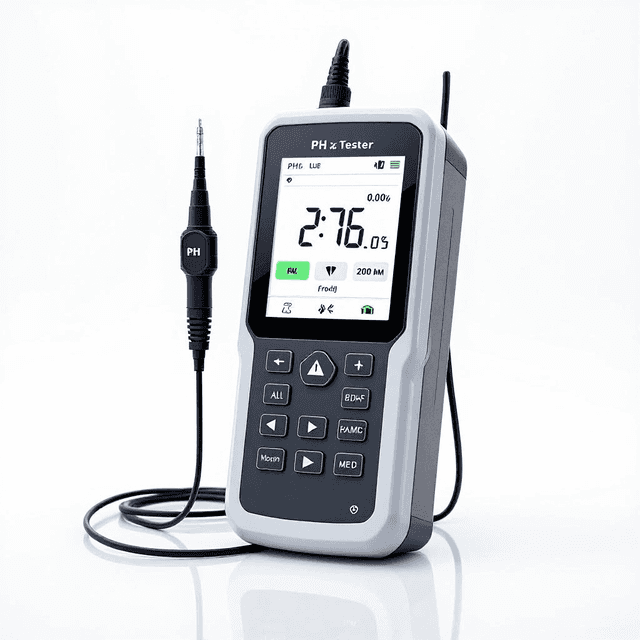
Portable dissolved oxygen analyzer with automatic temperature compensation and IP65 protection for field and laboratory water quality monitoring applications.
| Measuring Range | Dissolved Oxygen Concentration |
| Dissolved Oxygen Saturation | â¤Â±3.0% |
| Atmospheric Pressure Compensation | Manual compensation(60-110)KPa |
| Temperature Compensation | Automatic compensation(0-40â;32-104â) |
| Salinity Compensation | Manual compensation(0-50)g\L |
| Standard Electrode | SD02(3 M) |
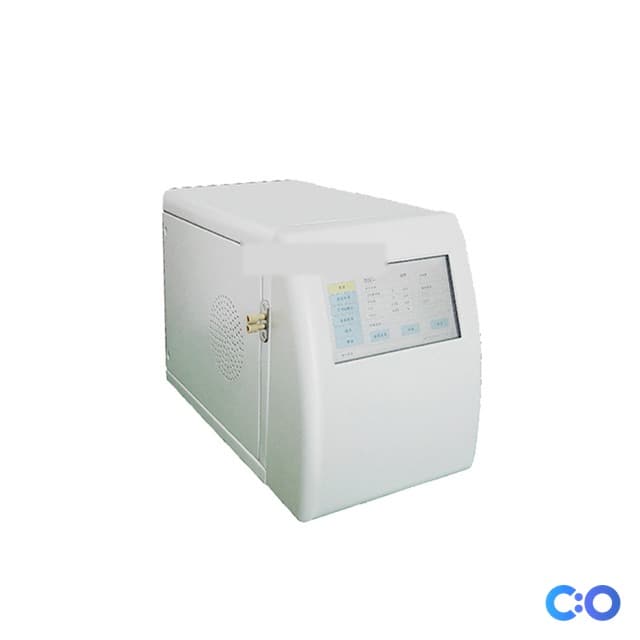
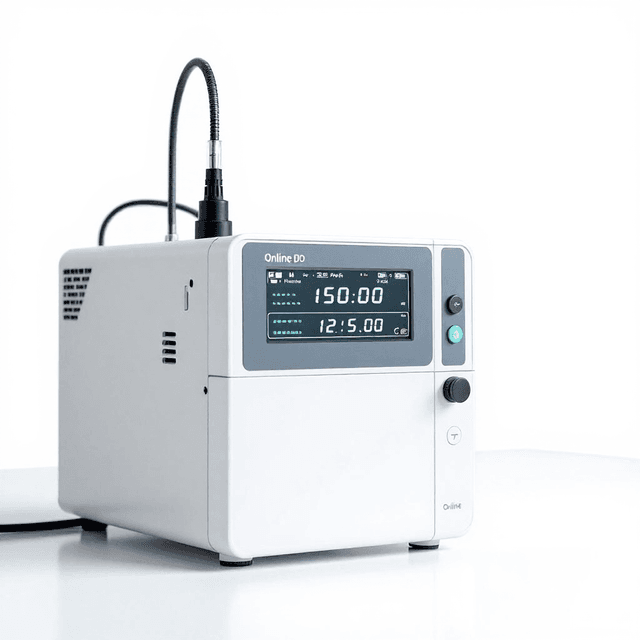
The Dissolved Oxygen Analyzer (CS-LH-DO006) is an intelligent analytical instrument designed for quantitative measurement of dissolved oxygen concentration in aqueous samples. The instrument features atmospheric pressure compensation, temperature compensation, and salinity compensation to provide accurate measurements across varying environmental conditions. With an IP65 environmental protection rating and portable design (270g without sensor), this analyzer is suitable for field deployment in water source monitoring, aquaculture facilities, wastewater treatment operations, and research applications.
The instrument incorporates automatic temperature compensation (0-40°C; 32-104°F) and manual atmospheric pressure compensation (60-110 kPa) to maintain measurement accuracy under diverse sampling conditions. The standard SD02 electrode (3M cable) provides rapid response times (≤45s) for efficient sample analysis. The compact design and robust construction make this analyzer appropriate for both laboratory and field applications requiring dissolved oxygen quantification.
How It Works
The dissolved oxygen analyzer operates using an electrochemical sensor that measures oxygen concentration through amperometric detection. The instrument employs a polarographic electrode system where oxygen molecules diffuse through a gas-permeable membrane and undergo reduction at the cathode surface. The resulting electrical current is proportional to the dissolved oxygen concentration in the sample.
The analyzer incorporates multiple compensation mechanisms to ensure accurate measurements across varying conditions. Automatic temperature compensation adjusts readings based on the temperature-dependent solubility of oxygen in water, while manual atmospheric pressure compensation accounts for barometric pressure effects on oxygen saturation levels. Salinity compensation allows for accurate measurements in brackish or saline water samples where dissolved salts affect oxygen solubility.
The SD02 electrode system with 3-meter cable provides flexibility for field measurements while maintaining rapid response times. The instrument's microprocessor-controlled electronics process the sensor signals and apply appropriate compensation algorithms to deliver calibrated dissolved oxygen readings in real-time.
Features & Benefits
Measuring Range
- Dissolved Oxygen Concentration
Dissolved Oxygen Saturation
- â¤Â±3.0%
Atmospheric Pressure Compensation
- Manual compensation(60-110)KPa
Temperature Compensation
- Automatic compensation(0-40â;32-104â)
Salinity Compensation
- Manual compensation(0-50)g\L
Standard Electrode
- SD02(3 M)
Response Time
- â¤45s
Environmental Protection Level
- IP65
Automation Level
- semi-automated
Brand
- ConductScience
Temperature Range
- â¤Â±0.3â;â¤Â±0.3â
Accuracy
- Dissolved Oxygen Concentration
Weight
- 270g(without sensor)
Research Domain
- Analytical Chemistry
- Environmental Monitoring
- Industrial Hygiene
- Microbiology
Weight
- 0.6 lbs
Dimensions
- L: 59.06 in
- W: 9.7 in
- H: 7.7 in
Comparison Guide
| Feature | This Product | Typical Alternative | Advantage |
|---|---|---|---|
| Environmental Protection Rating | IP65 dust and water resistance | Entry-level models often lack environmental protection ratings | Enables reliable field operation in harsh environmental conditions without instrument damage. |
| Response Time | ≤45 seconds to stable reading | Basic meters may require 60-90 seconds for stabilization | Faster measurements increase sampling efficiency and enable real-time monitoring applications. |
| Compensation Features | Automatic temperature, manual pressure and salinity compensation | Many portable units offer only temperature compensation | Multiple compensation parameters improve measurement accuracy across diverse water types and conditions. |
| Cable Length | 3-meter electrode cable | Standard models typically include 1-2 meter cables | Extended cable length provides greater operational flexibility for sampling in tanks, wells, and remote locations. |
| Weight | 270g without sensor | Portable units typically range from 200-500g | Lightweight design reduces user fatigue during extended field sampling campaigns. |
| Salinity Compensation Range | 0-50 g/L manual compensation | Basic models often lack salinity compensation | Enables accurate measurements in brackish and marine environments where dissolved salts affect oxygen solubility. |
This analyzer combines comprehensive compensation features, environmental protection, and rapid response characteristics in a portable design. The multiple compensation parameters and IP65 rating distinguish it from basic dissolved oxygen meters for demanding field applications.
Practical Tips
Calibrate using air-saturated water at the same temperature as your samples for optimal accuracy.
Why: Temperature-matched calibration minimizes errors from temperature compensation algorithms.
Clean the electrode membrane gently with distilled water after each use to prevent fouling.
Why: Membrane contamination can significantly increase response time and reduce measurement accuracy.
Ensure adequate sample mixing during measurement to prevent stratification effects.
Why: Stagnant water can develop oxygen gradients that affect measurement representativeness.
Verify atmospheric pressure compensation settings when sampling at different altitudes.
Why: Barometric pressure changes affect oxygen saturation levels and measurement accuracy.
Record sample temperature, salinity, and atmospheric pressure with each measurement.
Why: Environmental parameters are essential for data interpretation and quality assurance documentation.
If readings drift or response time increases, check electrode membrane for damage or fouling.
Why: Membrane integrity is critical for proper oxygen diffusion and sensor function.
Allow the instrument to acclimate to ambient temperature before use in extreme conditions.
Why: Thermal shock can affect sensor performance and accuracy of electronic components.
Store the electrode in distilled water when not in use to maintain membrane hydration.
Why: Dry storage can damage the electrode membrane and degrade sensor performance.
Setup Guide
What’s in the Box
- Dissolved oxygen analyzer main unit
- SD02 electrode with 3-meter cable
- Power adapter (typical)
- Calibration solutions (typical)
- User manual and calibration certificate (typical)
- Carrying case (typical)
Warranty
ConductScience provides a standard 1-year manufacturer warranty covering defects in materials and workmanship, along with technical support for operational questions and troubleshooting assistance.
Compliance
References
Background reading relevant to this product:
What is the measurement accuracy for dissolved oxygen concentration?
The analyzer provides dissolved oxygen saturation accuracy of ≤±3.0%. Consult product datasheet for specific concentration accuracy specifications.
How does the instrument handle salinity effects on dissolved oxygen measurements?
The analyzer features manual salinity compensation ranging from 0-50 g/L to correct for the effect of dissolved salts on oxygen solubility.
What is the response time for stable measurements?
The instrument provides stable readings within ≤45 seconds of electrode immersion in the sample.
Can the analyzer be used for continuous monitoring applications?
Yes, the rapid response time and automatic temperature compensation make it suitable for real-time monitoring when paired with appropriate data logging systems.
What calibration standards are recommended?
Calibration using air-saturated water at known temperature and atmospheric pressure conditions is recommended. Consult product datasheet for specific calibration protocols.
How does atmospheric pressure affect measurements?
The instrument includes manual atmospheric pressure compensation (60-110 kPa) to account for altitude and barometric pressure variations affecting oxygen saturation.
What maintenance is required for the electrode?
Regular electrode cleaning and periodic calibration verification are required. Consult user manual for specific maintenance schedules and procedures.
Is the instrument suitable for marine water analysis?
Yes, the salinity compensation feature (0-50 g/L) allows accurate measurements in seawater and brackish water samples.
Have a question about this product?
Accessories
Enhance your setup with compatible accessories
Upgrade Options