New Portable DO Meter
Field-portable dissolved oxygen meter with 32-bit microprocessor technology, automatic temperature compensation, and IP65 waterproof rating for accurate DO measurements in laboratory and field environments.

Louise Corscadden, PhD
Director of Science · ConductScience
Ask Louise about New Portable DO Meter fit, setup, configuration, or quote prep.
Already working with us? Sign in to connect this with My Scientist.
Key Specifications
Full details →- Model fit
- Configured during quote
- SKU family
- CS-LH-DO005
- Shipping box
- 6.5 x 2.95 x 2.01 cm
- Ordering
- Online checkout and quote request available
- Category
- Portable Analyzers
- Build notes
- Confirm accessories, station layout, and support needs before purchase
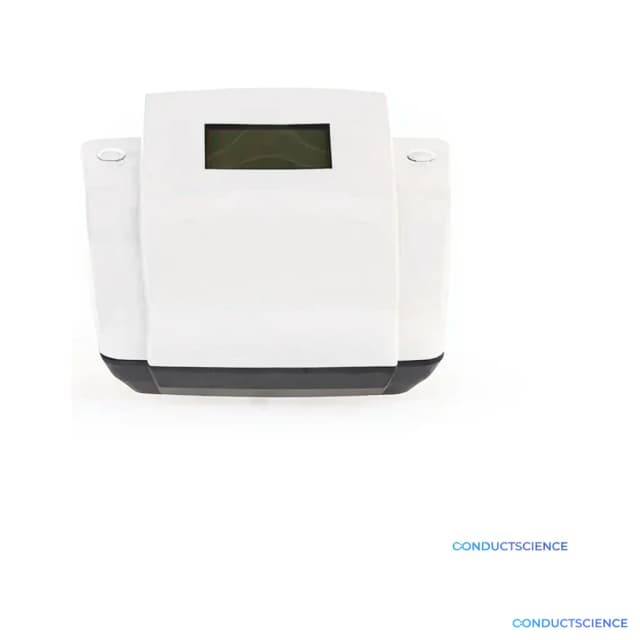
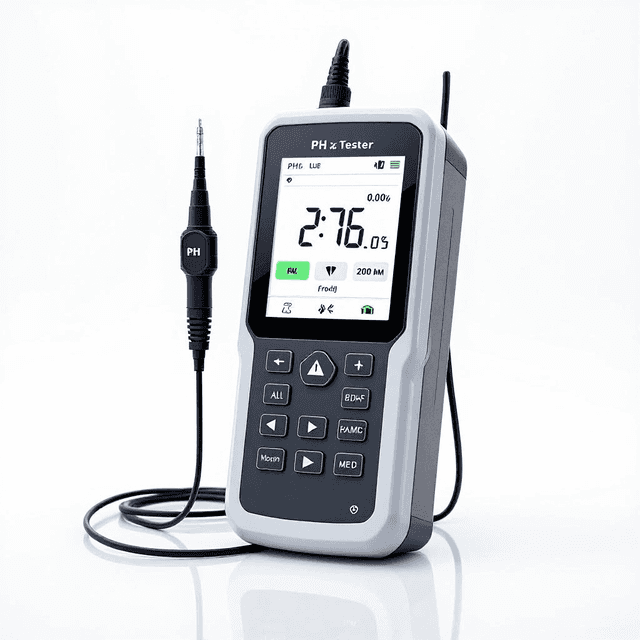
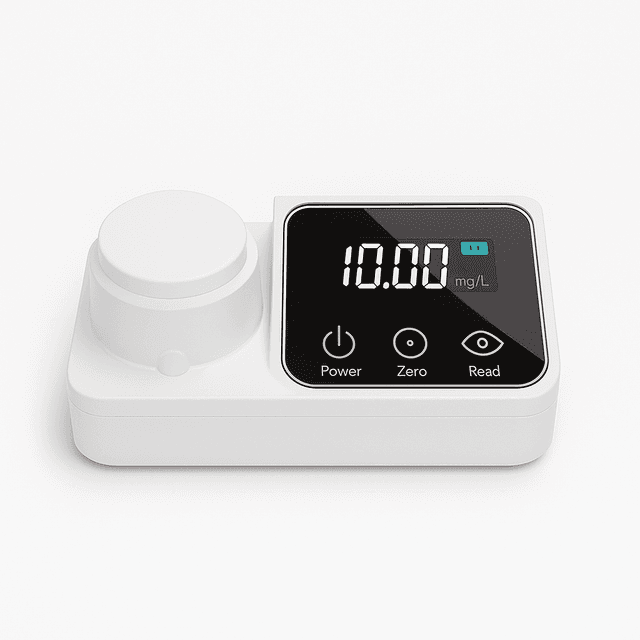
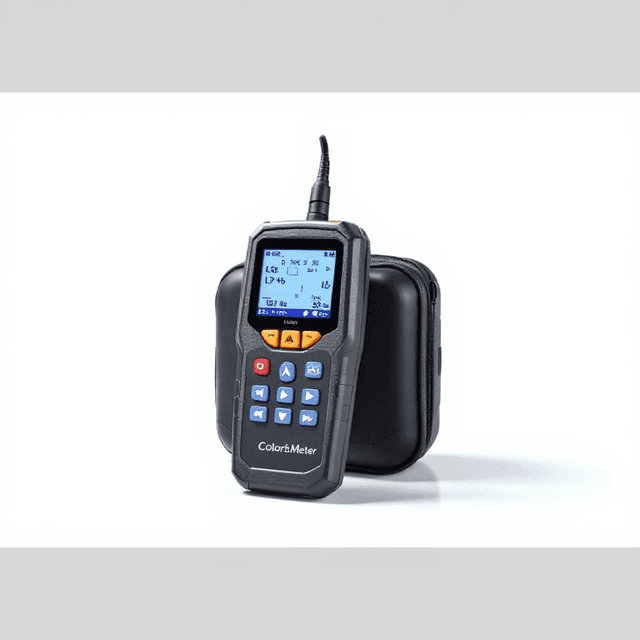
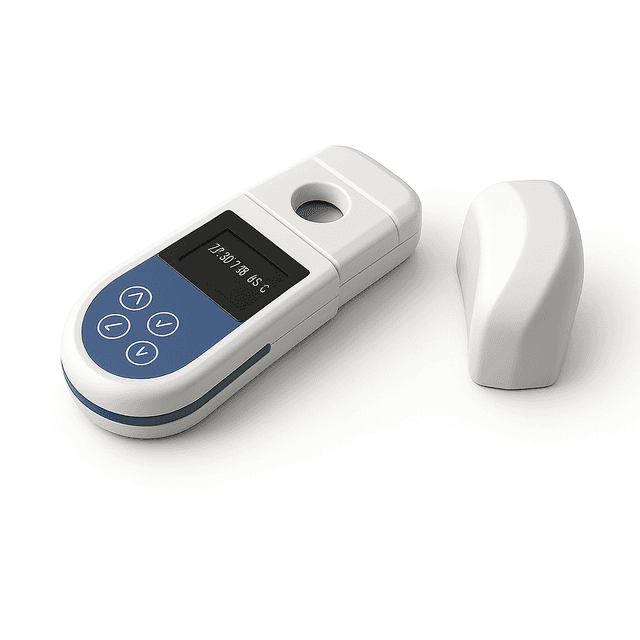
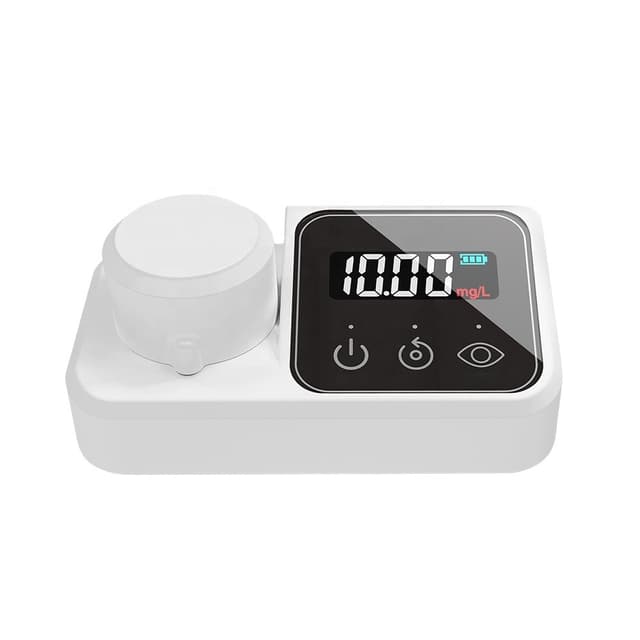
The New Portable DO Meter (CS-LH-DO005) is a field-portable dissolved oxygen analyzer designed for quantitative measurement of dissolved oxygen concentration, saturation percentage, electrode current, and temperature in aqueous samples. Built with 32-bit microprocessor technology, the instrument provides automatic temperature compensation across 0-40°C and includes manual atmospheric pressure and salinity compensation capabilities for accurate measurements in diverse field conditions.
The meter features IP65 environmental protection rating for waterproof and dustproof operation, making it suitable for field sampling, laboratory analysis, and industrial monitoring applications. The lithium battery power system with integrated power management enables extended field deployment, while the wide-screen LCD display with operation prompts facilitates ease of use in various lighting conditions through automatic backlight control.
How It Works
The dissolved oxygen meter employs polarographic electrode detection using a standard SD02 3-meter probe. The polarographic method applies a constant voltage across a cathode and anode separated by an electrolyte solution and oxygen-permeable membrane. Dissolved oxygen diffuses through the membrane and undergoes reduction at the cathode, generating a current proportional to the oxygen concentration in the sample.
The 32-bit microprocessor processes the electrode signal and applies automatic temperature compensation algorithms to correct for temperature-dependent oxygen solubility variations. Manual atmospheric pressure compensation (60-110 KPa) and salinity compensation (0-50 g/L) functions allow users to adjust readings based on local barometric conditions and sample ionic strength, ensuring measurement accuracy across diverse sampling environments.
Features & Benefits
Measuring Range
- Dissolved Oxygen Concentration
Dissolved Oxygen Saturation
- â¤Â±3.0%
Atmospheric Pressure Compensation
- Manual compensation(60-110)KPa
Temperature Compensation
- Automatic compensation(0-40â;32-104â)
Salinity Compensation
- Manual compensation(0-50)g\L
Standard Electrode
- SD02(3 M)
Response Time
- â¤45s
Environmental Protection Level
- IP65
Automation Level
- semi-automated
Brand
- ConductScience
Temperature Range
- â¤Â±0.3â;â¤Â±0.3â
Accuracy
- Dissolved Oxygen Concentration
Power/Voltage
- lithium battery
Dimensions
- 165X75X51mm
Weight
- 270g(without sensor)
Research Domain
- Analytical Chemistry
- Food Science
- Industrial Hygiene
- Materials Science
- Microbiology
Shipping weight
- 0.29 lb
Shipping box
- L: 6.5 cm
- W: 2.95 cm
- H: 2.01 cm
| Feature | This Product | Typical Alternative | Advantage |
|---|---|---|---|
| Environmental Protection Rating | IP65 waterproof and dustproof protection | Many portable meters offer IP54 or lower protection ratings | Enables reliable operation in harsh field conditions without risk of moisture or particle damage to internal components |
| Processing Technology | 32-bit microprocessor with integrated compensation algorithms | Entry-level models often use simpler analog circuits or 8-bit processors | Provides more precise signal processing and calculation accuracy for dissolved oxygen measurements |
| Compensation Functions | Automatic temperature compensation plus manual atmospheric pressure and salinity compensation | Basic models typically offer only temperature compensation | Enables accurate measurements across diverse sampling conditions including varying elevation and salinity levels |
| Display and Interface | Wide-screen LCD with operation prompts and automatic backlight control | Standard models often have smaller displays without user guidance features | Reduces user errors through guided operation while providing clear visibility in various lighting conditions |
| Power Management | Lithium battery with charging control and power-off protection | Many portable units use standard alkaline batteries without management systems | Provides extended field operation time with intelligent power control and protection against over-discharge |
This dissolved oxygen meter combines field-rugged IP65 protection with advanced 32-bit processing technology and comprehensive compensation functions. The automatic backlight control and guided operation prompts enhance usability, while lithium battery power management supports extended field deployment for diverse water quality monitoring applications.
Practical Tips
Perform air calibration in a stable environment away from direct sunlight or air currents, and input accurate atmospheric pressure readings for your location.
Why: Environmental conditions during calibration directly affect measurement accuracy across all subsequent samples.
Store the electrode in appropriate storage solution between uses and replace the membrane according to manufacturer recommendations.
Why: Proper electrode maintenance prevents membrane degradation and ensures consistent response characteristics.
Allow the full 45-second response time for reading stabilization, especially in samples with temperature differences from the previous measurement.
Why: Premature readings can result in unstable values that do not represent true dissolved oxygen concentration.
Input salinity compensation values for samples with ionic strength >1 g/L to account for oxygen solubility effects.
Why: Salinity affects oxygen solubility and electrode response, particularly important in seawater or industrial process water analysis.
If readings appear unstable, check electrode membrane for bubbles, damage, or contamination, and verify proper electrolyte fill.
Why: Membrane integrity is critical for accurate polarographic measurements and stable electrode response.
Record sample temperature, atmospheric pressure, and salinity compensation settings with each measurement for complete documentation.
Why: Complete metadata enables proper data interpretation and method validation in analytical reporting.
Rinse the electrode with distilled water between samples to prevent cross-contamination, especially when analyzing samples of different origins.
Why: Cross-contamination can affect measurement accuracy and potentially introduce analytical artifacts in subsequent samples.
Setup Guide
What’s in the Box
- New Portable DO Meter main unit
- SD02 dissolved oxygen electrode (3m cable)
- Lithium battery pack
- Battery charger (typical)
- Electrode storage cap
- User manual and calibration instructions
- Carrying case (typical)
Warranty
ConductScience provides a standard one-year manufacturer warranty covering defects in materials and workmanship, with technical support available for instrument operation and maintenance guidance.
Compliance
References
Background reading relevant to this product:
What is the measurement accuracy for dissolved oxygen concentration?
The meter provides dissolved oxygen saturation accuracy of ≤±3.0% and temperature accuracy of ≤±0.3°C/±0.3°F. Specific concentration accuracy depends on sample conditions and proper calibration procedures.
How does the atmospheric pressure compensation work?
The instrument includes manual atmospheric pressure compensation for the range 60-110 KPa, allowing users to input local barometric pressure readings to correct for elevation and weather-related pressure variations.
What is the electrode response time for stabilized readings?
The SD02 electrode provides stable readings within ≤45 seconds of sample immersion, enabling efficient sample throughput in field and laboratory applications.
Can the meter compensate for salinity effects in seawater samples?
Yes, the instrument includes manual salinity compensation for the range 0-50 g/L, allowing correction for ionic strength effects on oxygen solubility in saline samples.
What is the operating temperature range with automatic compensation?
Automatic temperature compensation functions across 0-40°C (32-104°F), with temperature measurements accurate to ≤±0.3°C/±0.3°F throughout this range.
How long does the lithium battery operate between charges?
Battery life varies with usage patterns and backlight activation. The power management system includes charging control and power-off protection, though specific operating hours should be verified through actual use testing.
Is the meter suitable for continuous monitoring applications?
The meter is designed for spot measurements with 45-second response time. For continuous monitoring, consider data logging capabilities and electrode maintenance requirements for extended deployment.
What maintenance is required for the dissolved oxygen electrode?
The SD02 electrode requires periodic calibration, membrane replacement, and electrolyte solution maintenance. Storage in appropriate solution between uses prevents membrane dehydration and ensures measurement stability.
Have a question about this product?
Have a question? Just ask.
Send it over and we'll email you a personalized answer — no call, no scheduling.
Prefer to talk it through?
Accessories
Enhance your setup with compatible accessories