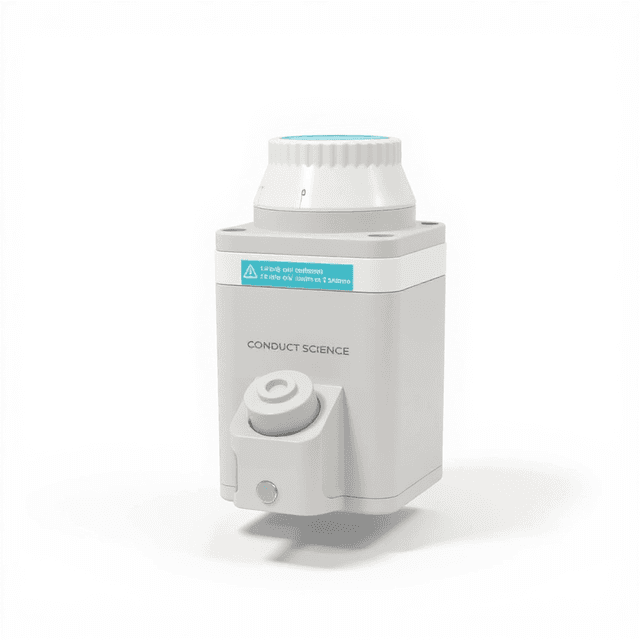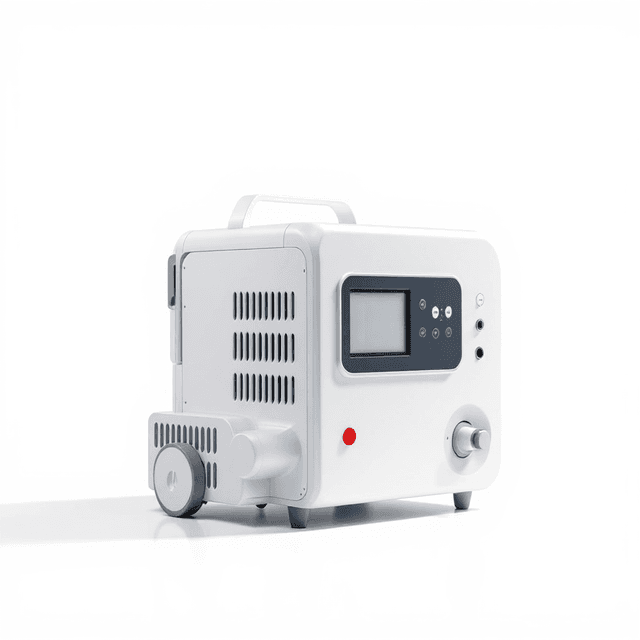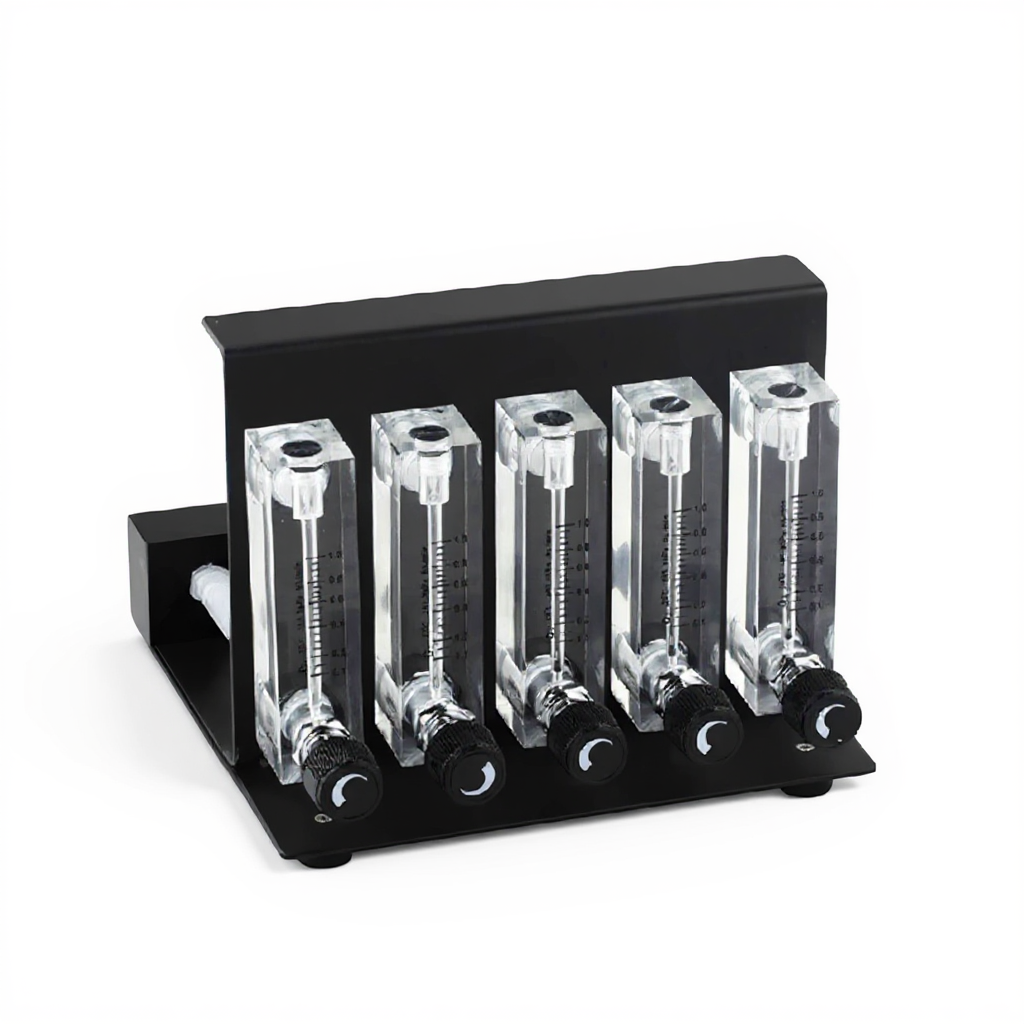
Five-Channel Flowmeter (Measuring Range 1 L/min)
With its five-channel capability, this flowmeter allows you to simultaneously measure the flow rates of five different fluid streams, providing real-time data for analysis and research. Each channel is equipped with a highly sensitive sensor that ...
| Anesthetic Agent | Nitrous Oxide, Oxygen |
| Rate | 0.1-1L/min, 0.1-4L/min |
| flow_rate_range | 1 L/min |
| tube_type | tapered glass tube |
| flow_indicator | bobbin or ball |
| control_valve_type | needle valve |

Introduction
Flowmeters are used to assess the flow rate of gases that pass through it. These delicate instruments are always calibrated for one gas only in an anesthetic system. The flowmeter system consists of a control valve and flow meter sub-assembly. A needle valve is used as the control value and is responsible for controlling the flow of gas passing through the flow meter. Aggressive handling of these instruments can lead to breakage or false readings. Thus, flow meters should always be operated by hand and with care.
Principle
Modern anesthetic systems are usually equipped with a tapered glass tube that consists of a bobbin or a ball to measure the flow rate. The readings from the flowmeters are observed from the bobbin or sphere floating on the stream of gas. The scale is marked directly on the flow meter tube or is present to the right of the tube. Since the annular space increases more rapidly than the internal diameter as we move upwards in the tube, the gradations are closer together at the top of the scale. Another type of flowmeter, called the turret-type flow meter can be seen in older anesthetic machines. These flowmeters, unlike the modern ones, have gas flowing out from the bottom of the instrument.
The control valve knobs usually are color-coded. However, some systems have a fluted knob for oxygen flow.
Mode of Operation
The control valves are opened, and this leads to the flow of gases through their flow meters. Compared to the ball flowmeters, the bobbin flowmeters provide more accurate readings. Readings in the bobbin flowmeter are read from the top of the bobbin, while in the ball flow meter the reading is taken from the middle of the ball.
The sequencing of the flow meters is also crucial. When using multiple flowmeters, it should be ensured that the oxygen gas flow meter is always mounted downstream. The downstream mounting of the oxygen flow meter ensures that the subjects do not get a hypoxic mixture in case of leakage.
Precautions
Flowmeters may not function as expected if they are not placed vertically. Bobbin and ball in the flowmeter may stick to the tube due to static electricity or dirt. Back-pressure from other components of the anesthetic system may affect the values. Care must be taken to ensure the valve is properly opened for optimal gas flow without any undue resistance. Ensure that the valve is not closed too tightly, as this may result in damaging the inlet.
References
Flecknel, P. (2009). Laboratory Animal Anaesthesia. Elsevier.
Gurudatt C (2013). The basic anaesthesia machine. Indian J Anaesth. 57(5):438-45. doi: 10.4103/0019-5049.120138.
Manufacturer Source: https://www.rwdstco.com/product-item/vaporizers-and-accessories/
How It Works
The flowmeter operates on the variable area principle, where gas flow raises a float (bobbin or ball) within a tapered glass tube, creating an equilibrium between the upward force of flowing gas and the downward gravitational force of the float. The tapered tube design ensures that as flow rate increases, the annular area between the float and tube walls expands proportionally, providing a linear relationship between float position and flow rate.
Gas enters through the needle valve control system, which regulates flow through precise orifice adjustment. The float reaches a stable position when the differential pressure across the annular gap equals the float's weight, allowing direct visual reading of flow rates. For bobbin indicators, readings are taken from the top of the bobbin, while ball indicators are read from the center of the sphere.
The five-channel configuration allows simultaneous monitoring of multiple gas lines, with each channel calibrated for specific gases (nitrous oxide or oxygen). The downstream mounting of oxygen flowmeters ensures that subjects receive adequate oxygen even if upstream gas supplies fail, providing a critical safety feature for anesthetic delivery protocols.
Features & Benefits
Anesthetic Agent
- Nitrous Oxide
- Oxygen
Rate
- 0.1-1L/min
- 0.1-4L/min
flow_rate_range
- 1 L/min
tube_type
- tapered glass tube
flow_indicator
- bobbin or ball
control_valve_type
- needle valve
calibration
- single gas only
mounting_orientation
- vertical
reading_method_bobbin
- top of bobbin
reading_method_ball
- middle of ball
gas_compatibility
- Nitrous Oxide, Oxygen
oxygen_flowmeter_position
- downstream mounted
Automation Level
- manual
Material
- glass
Brand
- RWD
Research Domain
- Anesthesia Research
- Behavioral Pharmacology
- Cancer Research
- Cardiovascular Research
- Developmental Biology
- Neuroscience
- Toxicology
Species
- Hamster
- Rabbit
- Mouse
- Rat
- Guinea pig
Weight
- 8.82 kg
Dimensions
- L: 34.0 mm
- W: 39.0 mm
- H: 33.0 mm
Comparison Guide
| Feature | This Product | Typical Alternative | Advantage |
|---|---|---|---|
| Channel Count | Five independent channels | Varies by model, commonly 2-4 channels | Enables simultaneous monitoring of multiple gas lines for complex anesthetic protocols without switching between measurements. |
| Flow Range Precision | Dual range: 0.1-1 L/min precision, 0.1-4 L/min extended | Single range operation with limited low-flow accuracy | Accommodates both small animal precision requirements and larger animal flow rates without compromising measurement accuracy. |
| Gas Compatibility | Calibrated for nitrous oxide and oxygen | Often limited to single gas type or air calibration | Supports common anesthetic gas combinations used in research protocols without requiring separate instruments. |
| Flow Control Method | Needle valve precision control | Varies by model, may use rotary or digital controls | Provides fine adjustment capability essential for maintaining stable anesthetic depth during long procedures. |
| Reading Method | Bobbin or ball visual indicators | Electronic displays or single indicator type | Offers flexibility in reading preference while maintaining direct visual confirmation of flow status. |
This five-channel system provides comprehensive flow monitoring capabilities with dual-range precision optimized for animal research applications. The combination of multiple channels, precise low-flow measurement, and visual confirmation addresses key requirements for anesthetic delivery protocols.
Practical Tips
Verify calibration using the same gas type and pressure conditions as your experimental protocols.
Why: Gas density and viscosity changes with pressure affect float equilibrium and measurement accuracy.
Clean glass tubes monthly with isopropanol and inspect floats for scratches or contamination buildup.
Why: Surface contamination or damage affects float movement and can introduce measurement errors up to 10%.
Allow 30 seconds for float stabilization after flow rate changes before recording measurements.
Why: Gas flow dynamics require equilibration time for accurate readings, especially at low flow rates.
If float oscillates or sticks, check for contamination or static buildup in the glass tube.
Why: Static electricity from dry conditions can cause erratic float behavior and unstable readings.
Record ambient temperature and pressure during critical measurements for accuracy documentation.
Why: Environmental conditions affect gas properties and can be used to correct measurements if needed.
Install oxygen flowmeter downstream and verify operation before each experimental session.
Why: Downstream oxygen positioning provides safety redundancy ensuring oxygen delivery if upstream supplies fail.
Use consistent reading technique - top of bobbin or center of ball - across all measurements.
Why: Reading position variability introduces systematic errors that affect measurement reproducibility.
Setup Guide
What’s in the Box
- Five-channel flowmeter assembly
- Needle valve controls (5x)
- Flow indicator floats (bobbin/ball type)
- Gas inlet fittings and connectors
- Mounting hardware
- Calibration certificate (typical)
- Operation manual (typical)
Warranty
ConductScience provides a standard one-year manufacturer warranty covering defects in materials and workmanship, with technical support available for calibration guidance and troubleshooting assistance.
Compliance
References
Background reading relevant to this product:
How frequently should flowmeter calibration be verified for research applications?
Calibration should be verified annually using certified flow standards, or more frequently if accuracy deviates beyond ±5% of set values. Each gas type requires separate calibration verification.
Can different gas types be measured simultaneously across the five channels?
Yes, but each channel must be individually calibrated for its specific gas. Common configurations include dedicated channels for oxygen, nitrous oxide, and air mixtures.
What is the minimum detectable flow change for precise anesthetic control?
The tapered tube design provides approximately 2% of full scale resolution, enabling detection of flow changes as small as 0.002 L/min in the precision range.
How does float type (bobbin vs ball) affect measurement accuracy?
Bobbin floats generally provide higher accuracy due to their defined reading point (top edge), while ball floats offer better visibility but require center-point reading estimation.
What maintenance procedures are required for consistent performance?
Regular cleaning of glass tubes with appropriate solvents, float inspection for damage or contamination, and valve lubrication according to manufacturer specifications.
Can the flowmeter operate reliably with gas mixtures containing anesthetic vapors?
The flowmeter measures carrier gas flow accurately, but vaporized anesthetics may affect calibration. Separate vapor monitoring is recommended for precise anesthetic concentration control.
What environmental factors can affect flow measurement accuracy?
Temperature variations affect gas density and viscosity, while vibration can cause float instability. Install in a controlled environment away from sources of mechanical disturbance.
How does this flowmeter compare to electronic flow measurement systems?
Variable area flowmeters provide direct visual confirmation of flow rates without power requirements, while electronic systems offer data logging but require calibration and power sources.
Have a question about this product?
Accessories
Enhance your setup with compatible accessories
Frequently Bought Together
Upgrade Options