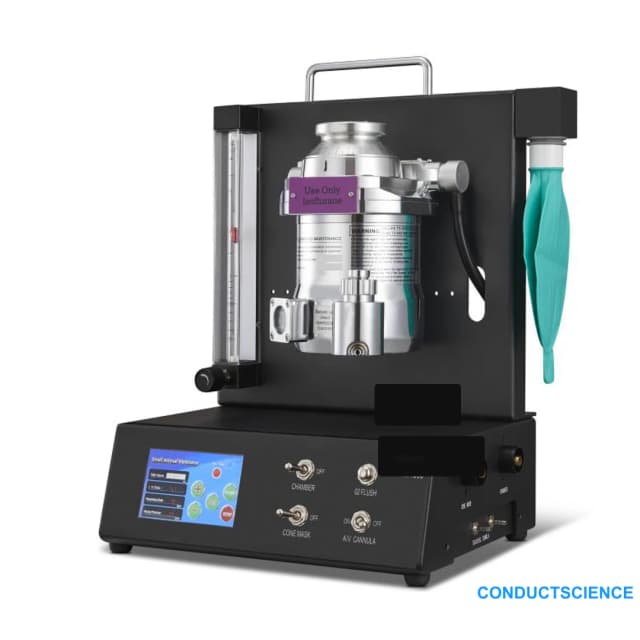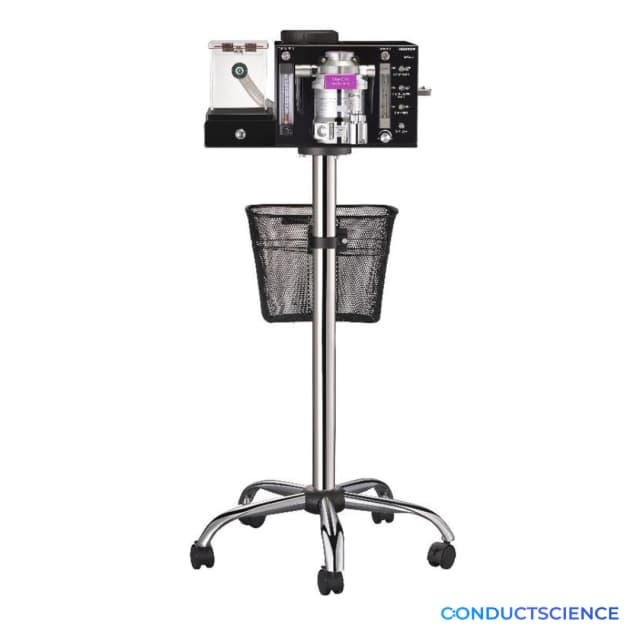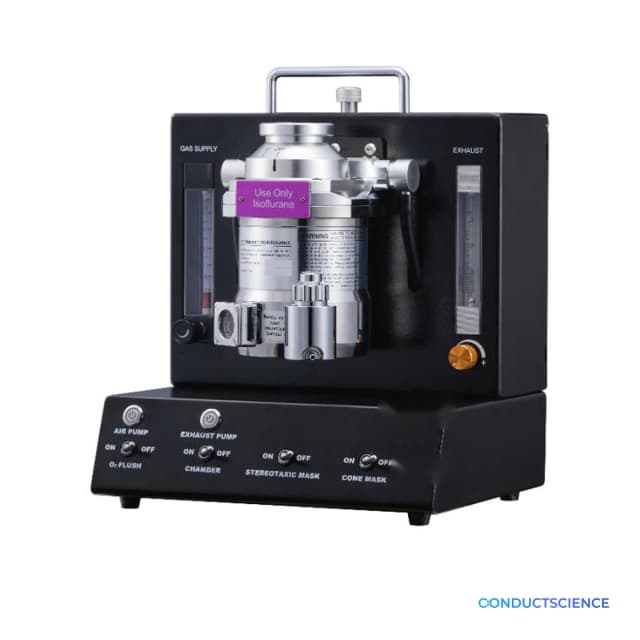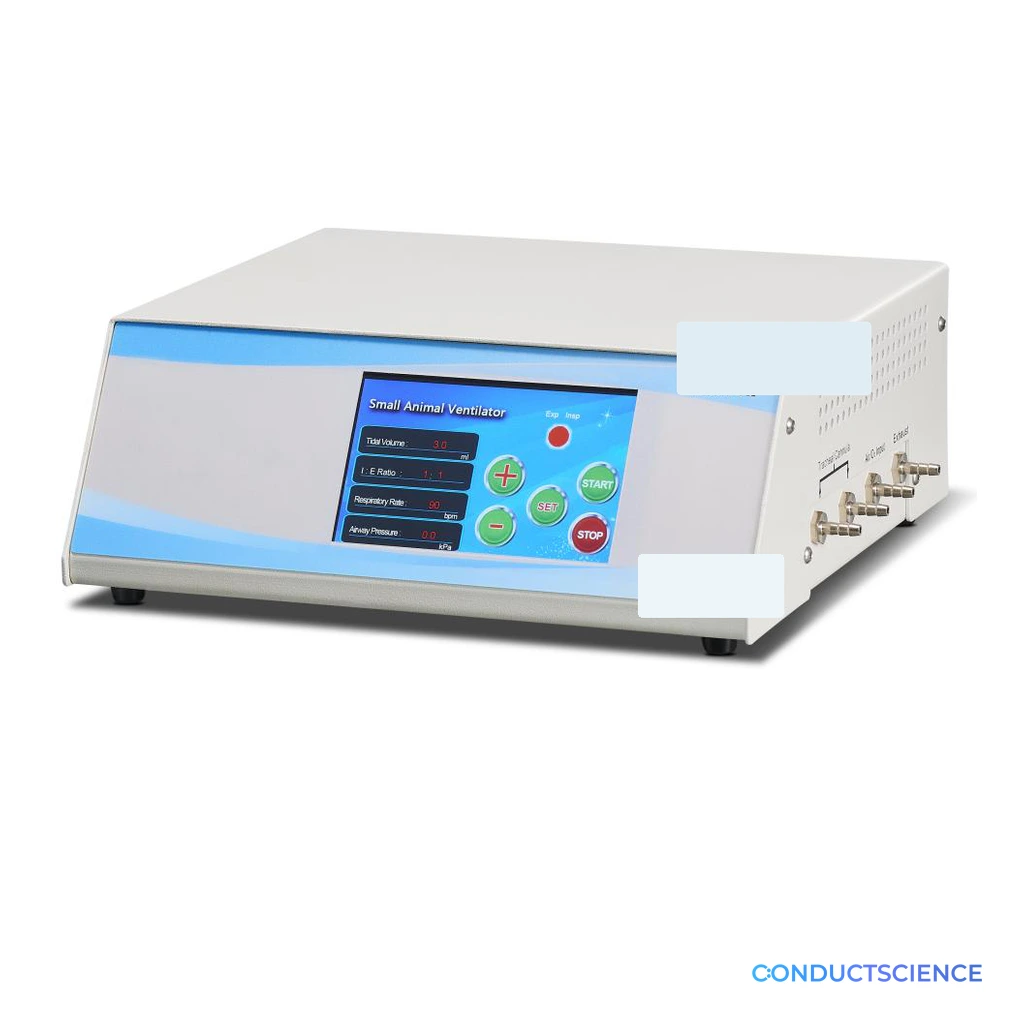
Small and Medium Animal Research Ventilators
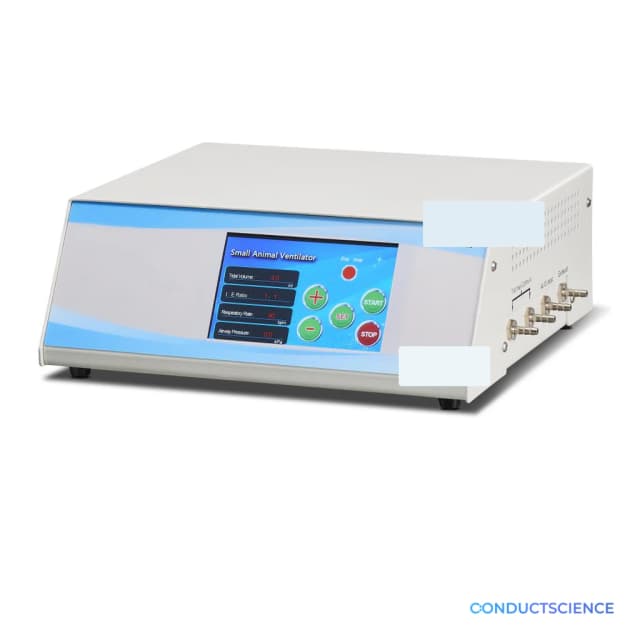
Small and medium animal research ventilator family for volume-controlled ventilation in mice, rats, hamsters, guinea pigs, rabbits, cats, and related anesthesia or respiratory-support workflows, with 1-channel and 2-channel 0.1-10 mL or 10-100 mL configurations plus a veterinary 10-1500 mL anesthesia ventilator path.

Louise Corscadden, PhD
Director of Science · ConductScience
Ask Louise about Small and Medium Animal Research Ventilators fit, setup, configuration, or quote prep.
Already working with us? Sign in to connect this with My Scientist.
Key Specifications
Full details →- Model fit
- 0.1-10 mL and 10-100 mL configuration paths with 0.1 mL resolution
- SKU family
- CS-958447
- Sizing
- Model-specific dimensions confirmed from the selected configuration
- Ordering
- Online checkout and quote request available
- Category
- Anesthesia & Ventilation
- Build notes
- Confirm accessories, station layout, and support needs before purchase
Overview
The Small and Medium Animal Research Ventilators page gives research and veterinary labs a focused selection surface for volume-controlled ventilation. The family covers 1-channel and 2-channel small-animal ventilators, low-volume 0.1-10 mL configurations, higher-volume 10-100 mL configurations, and a veterinary anesthesia ventilator path for 10-1500 mL tidal-volume planning.
For rodent and small-animal work, the important purchasing decision is how the ventilator range fits the animal size, procedure duration, channel count, anesthesia machine, gas source, airway interface, and monitoring workflow. The small-animal configurations support 1-200 BPM respiration-rate planning, adjustable I:E ratio from 1:5 to 5:1, and pressure-release protection around the 6 kPa limit.
The ventilator can be run with air or oxygen and can also be planned with an anesthesia machine when the lab needs ventilator-assisted anesthesia rather than mask maintenance alone. A 2-channel configuration is useful when the station must support two ventilation paths or when a lab wants to stage a higher-throughput setup around the same equipment family.
Scientific Use
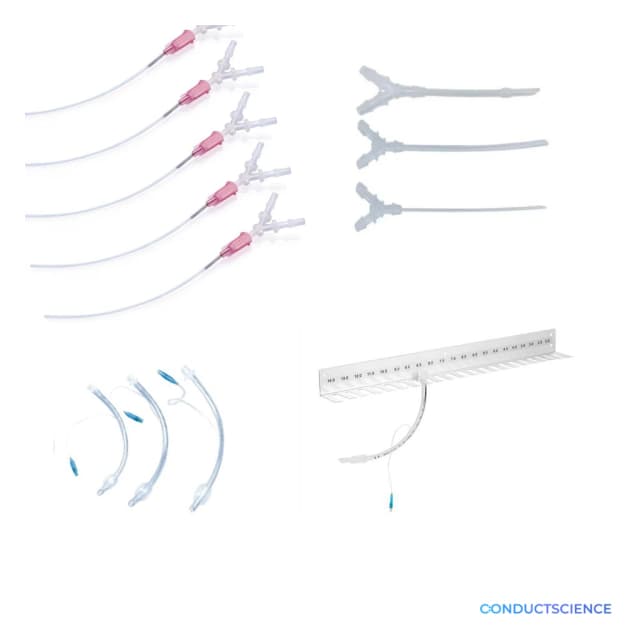
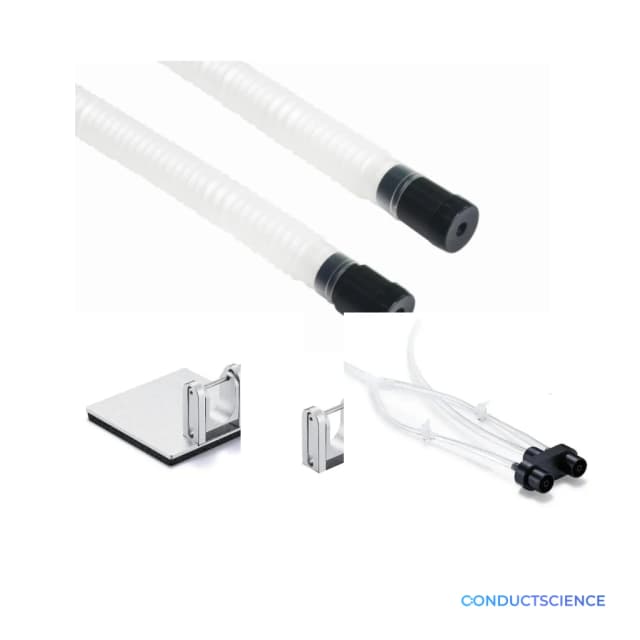
Use this page for ventilator-assisted rodent surgery, respiratory physiology, thoracic or cardiac model preparation, endotracheal intubation support, anesthesia ventilation, and medium-animal respiratory-support planning. Pair the ventilator with tracheal cannulas or endotracheal tubes, breathing circuits, gas source, anesthesia delivery, absorber or scavenging path, warming, and monitoring.
Buying Fit
Choose a low-volume configuration for mouse and rat respiratory-support workflows that need fine tidal-volume control. Choose a higher-volume or veterinary configuration when rabbits, cats, larger animals, or broader veterinary anesthesia workflows are part of the station plan. ConductScience can help match the ventilator with the airway interface and anesthesia accessories needed for the final setup.
Features & Benefits
Model fit
- Mice, rats, hamsters, guinea pigs, rabbits, cats, and veterinary research anesthesia workflows
Small-animal tidal volume
- 0.1-10 mL and 10-100 mL configuration paths with 0.1 mL resolution
Respiration rate
- 1-200 BPM small-animal planning; veterinary path includes 1-100 bpm parameter setup
I:E ratio
- 1:5 to 5:1 small-animal planning with 0.1 resolution
Plan with
- Tracheal cannulas, endotracheal tubes, anesthesia machine, gas source, breathing circuit, absorber/scavenging, warming, and monitoring
| Model | SKU | Listed price | Status | Shipping box |
|---|---|---|---|---|
| 1-channel ventilator, 0.1-10 mL tidal volume | CS-ANES-VENT-1CH-0-10 | $2,500.00 | Available | Confirmed during quote |
| 1-channel ventilator, 10-100 mL tidal volume | CS-ANES-VENT-1CH-10-100 | $2,899.99 | Available | Confirmed during quote |
| 2-channel ventilator, 0.1-10 mL tidal volume | CS-ANES-VENT-2CH-0-10 | $3,499.99 | Available | Confirmed during quote |
| 2-channel ventilator, 10-100 mL tidal volume | CS-ANES-VENT-2CH-10-100 | $3,899.99 | Available | Confirmed during quote |
| Veterinary anesthesia ventilator, 10-1500 mL tidal volume | CS-ANES-VENT-VET-10-1500 | $4,280.00 | Available | Confirmed during quote |
Practical Tips
Choose the ventilator by tidal-volume range first, then channel count and gas-path requirements.
Why: Animal size and airway strategy determine whether a low-volume, high-volume, or veterinary ventilator path fits the station.
Match the ventilator with tracheal cannulas, endotracheal tubes, or mask workflows before ordering accessories.
Why: The ventilator provides respiratory support; the airway interface determines how that support reaches the animal.
Review anesthesia delivery, absorber or scavenging path, warming, and monitoring as one station plan.
Why: Ventilator-assisted anesthesia works best when gas delivery, respiratory support, and animal support are planned together.
Setup Guide
What’s in the Box
- Selected small or medium animal research ventilator configuration
- Low-volume small-animal options for 0.1-10 mL tidal-volume planning
- High-volume small-animal options for 10-100 mL tidal-volume planning
- 1-channel and 2-channel configuration paths for single-station or dual-station support
- Five tracheal cannulas included with the small-animal ventilator configurations
- Veterinary anesthesia ventilator option for 10-1500 mL tidal-volume planning
- Ventilator, anesthesia machine, airway interface, gas source, breathing circuit, absorber/scavenging, and monitoring path configured around the selected setup
Warranty
Support, replacement, and fulfillment terms are confirmed with the final quote and institutional purchasing requirements.
Compliance
Which tidal-volume ranges are available?
Small-animal configurations cover 0.1-10 mL and 10-100 mL tidal-volume ranges. The veterinary anesthesia ventilator path covers 10-1500 mL planning.
When should I choose a 2-channel ventilator?
Choose a 2-channel configuration when the station needs two ventilation paths, higher workflow throughput, or a setup that can support two controlled ventilation lines from the same product family.
Can this be used with an anesthesia machine?
Yes. The ventilator family can be planned with air, oxygen, or anesthetic gas, and can be configured around an anesthesia machine, breathing circuit, and airway interface.
What airway products should be planned with it?
Plan tracheal cannulas or endotracheal tubes for intubated or tracheal access, or use compatible masks when the workflow is non-intubated inhalation maintenance.
What support equipment should be considered?
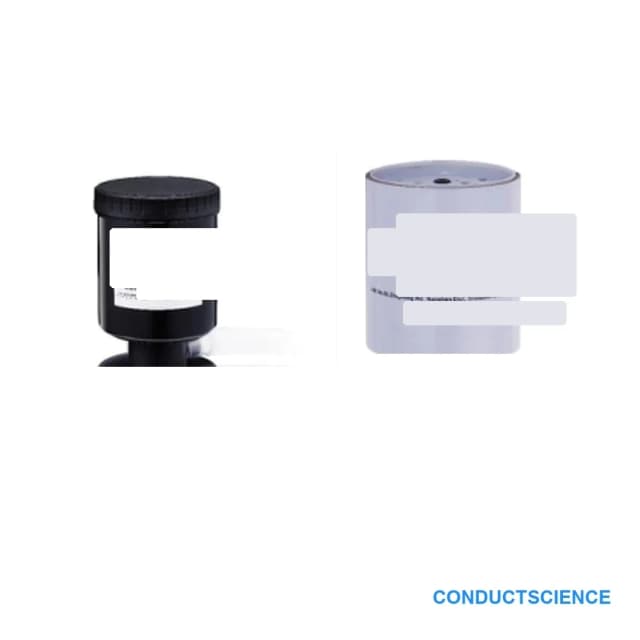
Review gas source, anesthesia delivery, absorber or active scavenging, warming, monitoring, and procedure-specific surgical support with the final ventilator setup.
Have a question about this product?
Have a question? Just ask.
Send it over and we'll email you a personalized answer — no call, no scheduling.
Prefer to talk it through?
Accessories
Enhance your setup with compatible accessories
Frequently Bought Together
Upgrade Options