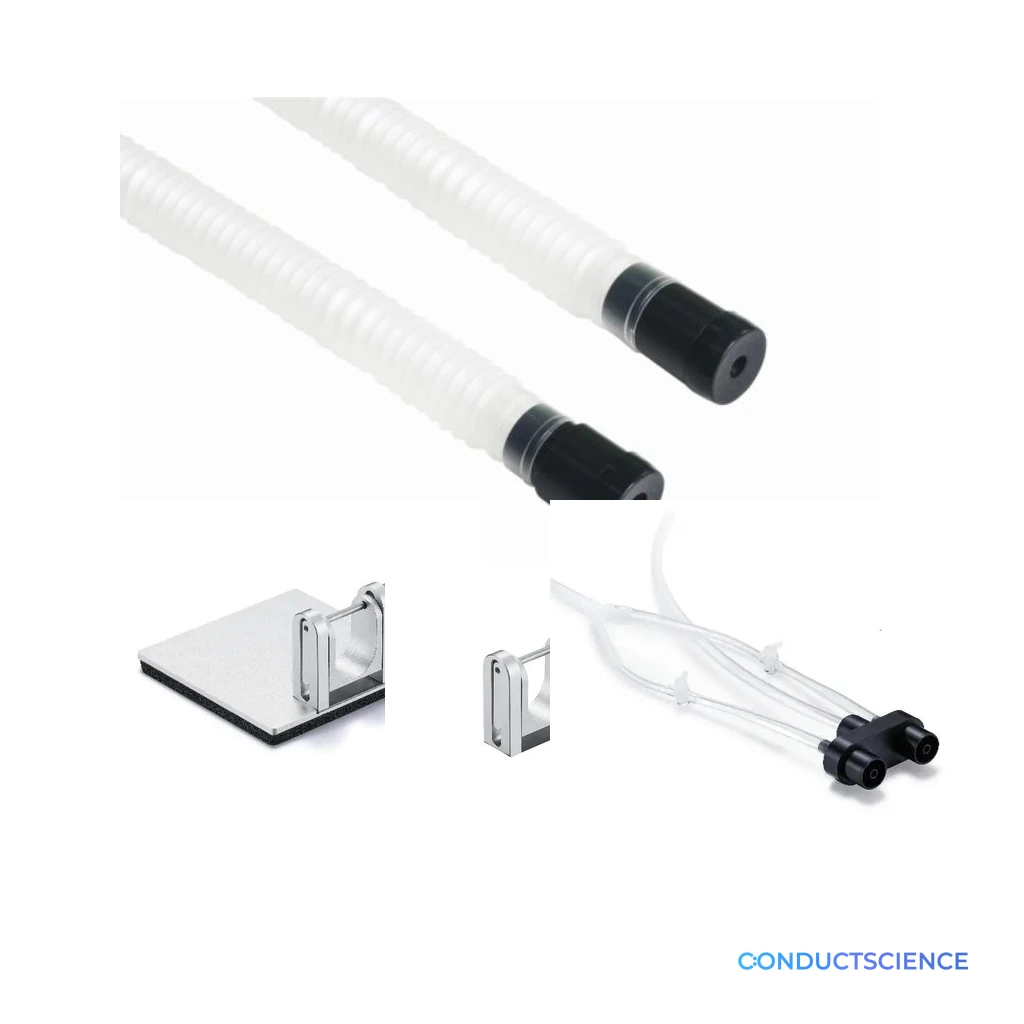
Mouse and Rat Concentric Tubing Masks
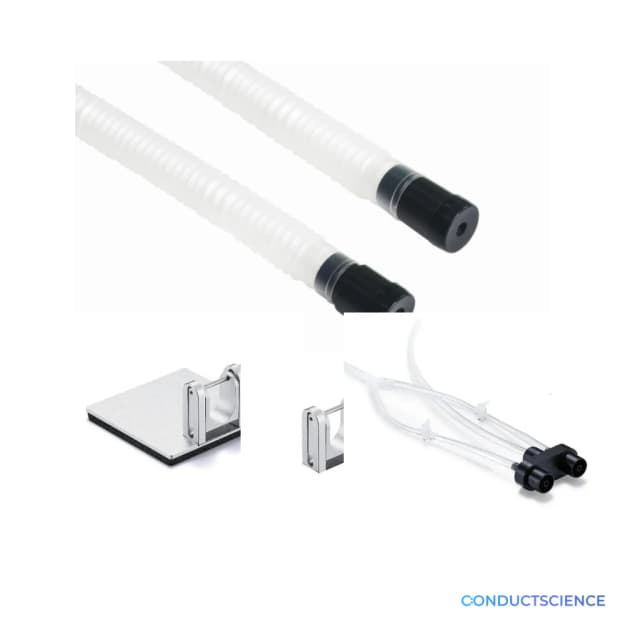
Mouse and rat concentric tubing mask family for small-animal gas anesthesia during surgery, imaging, dissection, IP injection, tail-vein injection, and bench procedures, with 23 mm mouse and 26 mm rat mask options, surgical-pad and table-top bracket support, adjustable head-height positioning, tight diaphragm seal planning, and 2-channel adaptor support for independently controlled dual-mask workflows.

Louise Corscadden, PhD
Director of Science · ConductScience
Ask Louise about Mouse and Rat Concentric Tubing Masks fit, setup, configuration, or quote prep.
Already working with us? Sign in to connect this with My Scientist.
Key Specifications
Full details →- Model fit
- Mouse and rat gas anesthesia workflows
- SKU family
- CS-ANES-TUBING-MASKS-001
- Sizing
- Model-specific dimensions confirmed from the selected configuration
- Ordering
- Online checkout and quote request available
- Category
- Anesthesia & Ventilation
- Build notes
- Confirm accessories, station layout, and support needs before purchase
Overview
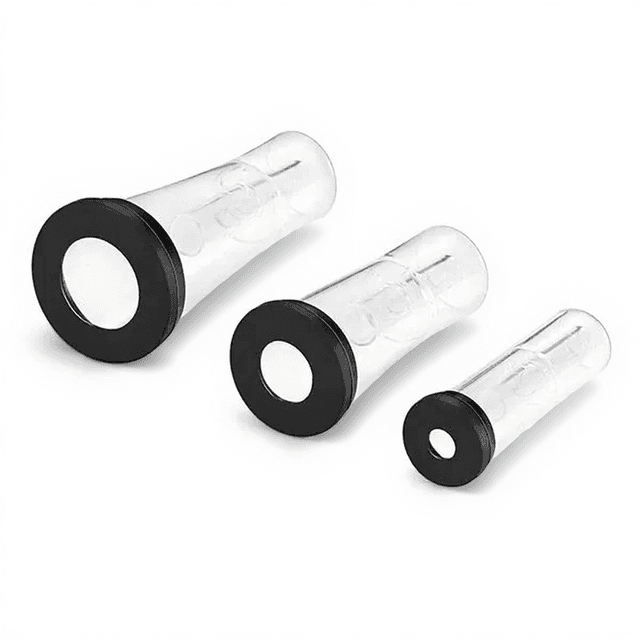
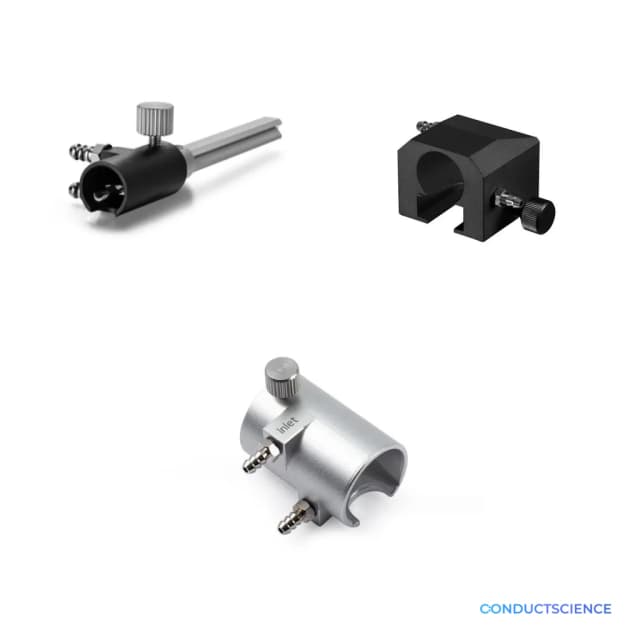
The Mouse and Rat Concentric Tubing Masks product family gives mouse and rat anesthesia stations a flexible face-mask interface for procedures where the animal is positioned on a surgical pad, microscope bench, imaging setup, injection station, or table-top preparation area. The source family includes a 23 mm mouse tubing mask, 26 mm rat tubing mask, surgical-pad bracket, table-top bracket, and 2-channel tubing-mask adaptor.
The key value is controlled positioning without turning the mask into a fixed frame constraint. The flexible, non-metal construction supports vertical and angular adjustment around the animal head. Diaphragms help seal the mask around the face to reduce anesthetic gas leakage into the room, while the small mask profile is designed to avoid interfering with cranial, ophthalmological, dissection, imaging, IP injection, and tail-vein injection workflows.
The bracket and adaptor options matter because the animal interface has to fit the bench. The surgical-pad bracket fixes the tubing mask to a compatible pad, while the table-top bracket fixes it to a small heavy base. The 2-channel adaptor lets two tubing masks be installed simultaneously with independent channel control, with discharged exhaust collected together toward the scavenging system.
Scientific Use
Mouse and rat inhalation anesthesia often moves between chamber induction, mask maintenance, surgical manipulation, imaging, and recovery-adjacent handling. A concentric tubing mask is useful when the lab needs gas delivery at the face while preserving working access to the head, eye, abdomen, leg, dorsum, or injection site. It can support surgery, dissection, imaging, IP injection, tail-vein injection, stereotaxic-adjacent preparation, and other small-animal bench workflows when paired with the correct anesthesia machine and scavenging path.
Buying Fit
Choose this page when the lab needs a non-MRI mouse or rat tubing-mask interface plus mounting hardware or a dual-mask adaptor. Use the MRI-compatible concentric tubing mask page when the workflow specifically requires MRI-compatible materials, and use stereotaxic nose cone masks when the mask needs to mount directly into a stereotaxic frame.
Features & Benefits
Species fit
- Mouse and rat gas anesthesia workflows
Positioning
- Flexible non-metal mask positioning with vertical and angular adjustment planning
Seal planning
- Face diaphragms support tight mask fit and reduced room leakage
Dual-mask support
- 2-channel adaptor supports two masks with independently controlled channels
Plan with
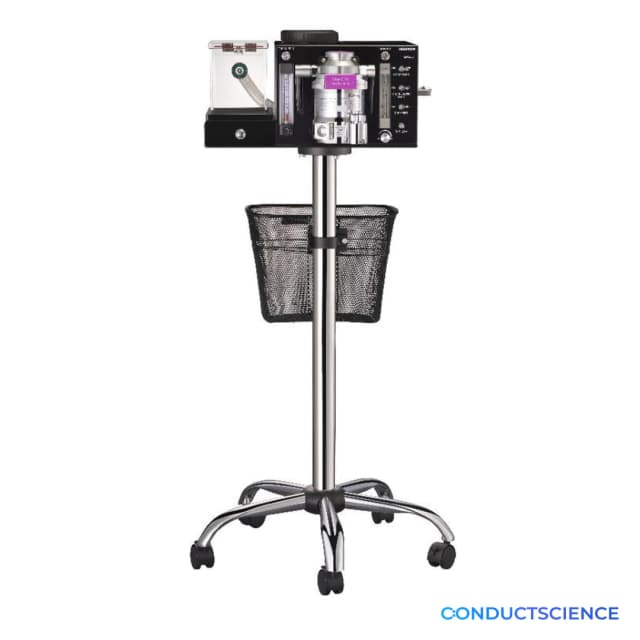
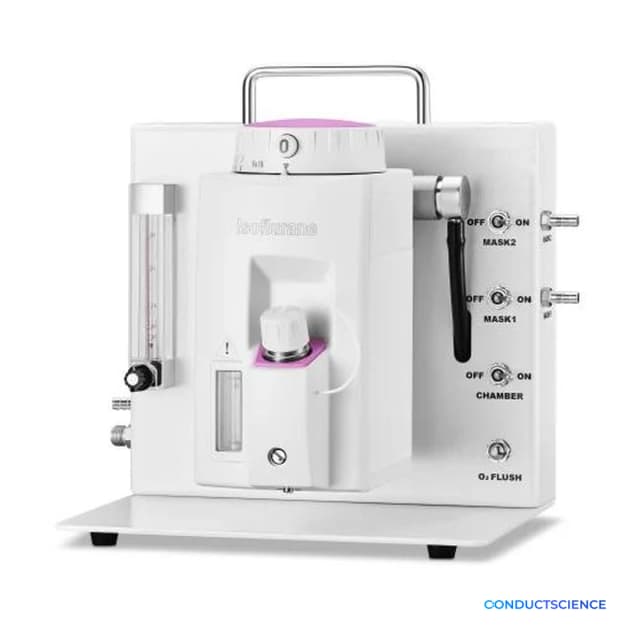
- Anesthesia machine, flowmeter, tubing, active scavenger, absorber, induction chamber, warming, and monitoring
| Model | SKU | Listed price | Status | Shipping box |
|---|---|---|---|---|
| Mouse tubing mask, 23 mm diameter | CS-ANES-TMASK-MOUSE-23 | $70.00 | Available | Confirmed during quote |
| Rat tubing mask, 26 mm diameter | CS-ANES-TMASK-RAT-26 | $70.00 | Available | Confirmed during quote |
| Surgical pad bracket for tubing masks | CS-ANES-TMASK-PAD-BRACKET | $119.00 | Available | Confirmed during quote |
| Table-top bracket for tubing masks | CS-ANES-TMASK-TABLE-BRACKET | $119.00 | Available | Confirmed during quote |
| 2-channel tubing mask adaptor | CS-ANES-TMASK-2CH-ADAPT | $225.00 | Available | Confirmed during quote |
Practical Tips
Select the mouse or rat mask around animal size and the position of the head during the procedure.
Why: The source family separates the tubing masks into 23 mm mouse and 26 mm rat configurations.
Choose surgical-pad mounting when the animal is positioned on a compatible pad and table-top mounting when the mask should sit on a separate base.
Why: Mounting path affects head height, approach angle, and how much working space remains around the surgical or imaging field.
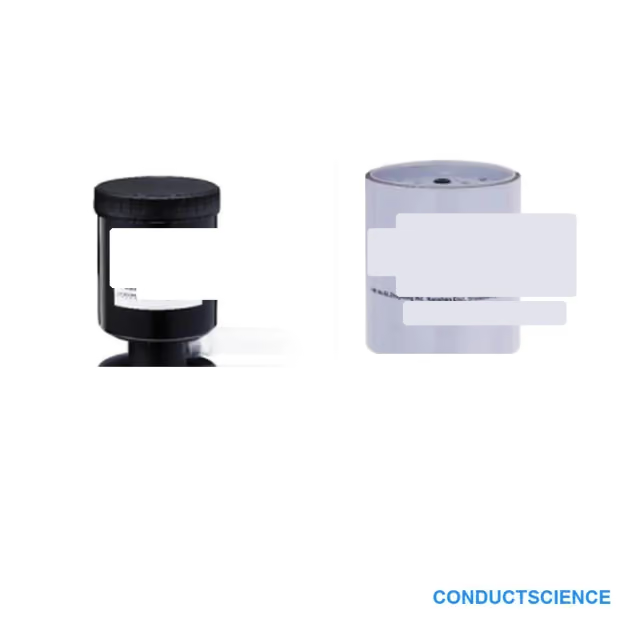
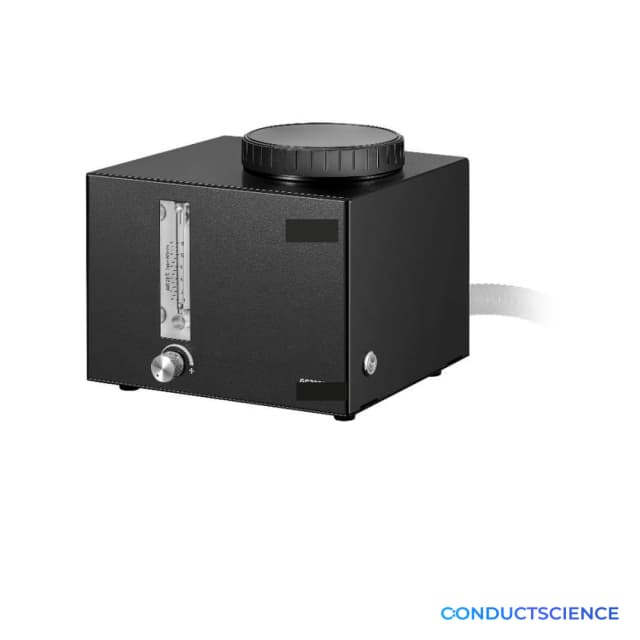
Plan the active scavenger or absorber canister at the same time as the tubing masks and 2-channel adaptor.
Why: Mask exhaust handling is part of the product value and should be configured with the anesthesia station rather than added later.
Setup Guide
What’s in the Box
- Selected concentric tubing mask or support configuration
- Mouse concentric tubing mask option with 23 mm mask diameter
- Rat concentric tubing mask option with 26 mm mask diameter
- Surgical pad bracket option for tubing masks
- Table-top bracket option for tubing masks
- 2-channel tubing mask adaptor option for two independently controlled mask channels
- Anesthesia machine, scavenger, absorber, tubing, induction chamber, warming, and monitoring products configured around the final station
Warranty
Support, replacement, and fulfillment terms are confirmed with the final quote and institutional purchasing requirements.
Compliance
Which mask sizes are available?
The source family lists concentric tubing masks for mice at 23 mm diameter and rats at 26 mm diameter.
What mounting options should I choose from?
Choose the surgical-pad bracket when the mask should mount to a compatible pad, or the table-top bracket when the mask should be fixed on a small heavy base near the animal.
When is the 2-channel adaptor useful?
The 2-channel adaptor is useful when two tubing masks need to be installed at the same time with independently controlled channels and shared exhaust collection.
How is this different from stereotaxic nose cone masks?
Use this page for flexible pad or bench tubing-mask workflows. Use stereotaxic nose cone masks when the mask must fit directly into a stereotaxic frame.
What should be ordered with these masks?
Plan the anesthesia machine, gas source, flowmeter, tubing, induction chamber, active scavenger or absorber canister, warming, and monitoring products around the final station.
Have a question about this product?
Have a question? Just ask.
Send it over and we'll email you a personalized answer — no call, no scheduling.
Prefer to talk it through?
Accessories
Enhance your setup with compatible accessories
Frequently Bought Together