Food Preference Test
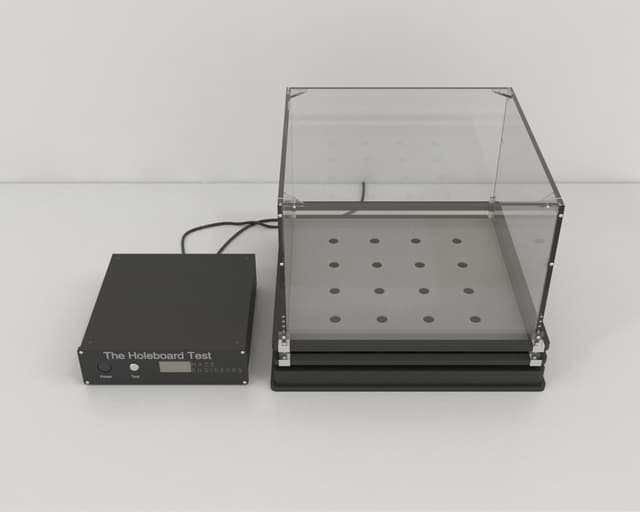
Behavioral assessment apparatus for measuring food choice patterns and appetitive behavior in laboratory animals through controlled preference testing protocols.

Louise Corscadden, PhD
Director of Science · ConductScience
Ask Louise about Food Preference Test fit, setup, configuration, or quote prep.
Already working with us? Sign in to connect this with My Scientist.
Key Specifications
Full details →- Model fit
- Mouse, Rat
- SKU family
- CS-958239
- Shipping box
- 65.0 x 36.0 x 27.0 cm
- Ordering
- Online checkout and quote request available
- Category
- Behavioral Mazes
- Build notes
- Confirm accessories, station layout, and support needs before purchase
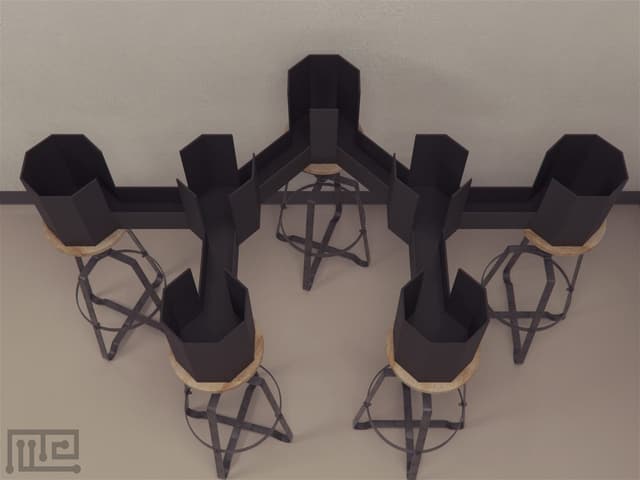
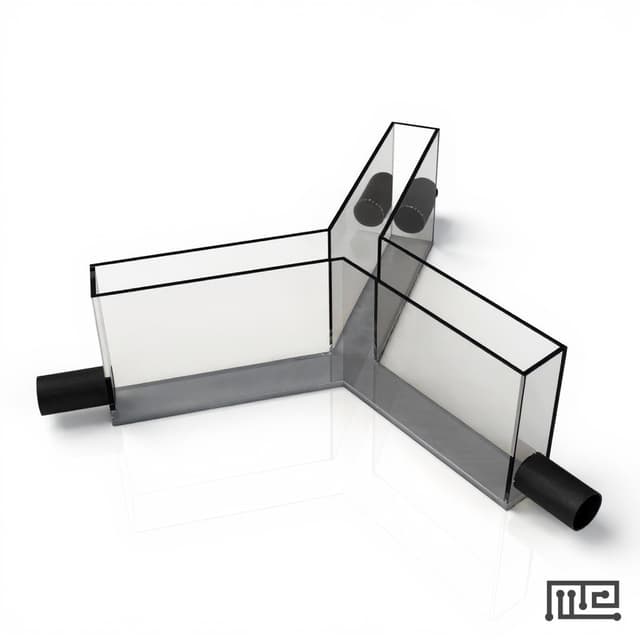
The Food Preference Test is a behavioral assessment tool designed to measure food choice and preference patterns in laboratory animals. This standardized testing apparatus enables researchers to evaluate appetitive behavior, reward learning, and decision-making processes through systematic presentation of food options. The test provides quantitative data on preference strength, choice latency, and consumption patterns across multiple food stimuli.
The system supports both acute preference testing and longitudinal preference tracking studies. Researchers can assess baseline food preferences, evaluate the effects of pharmacological interventions on appetitive behavior, or investigate learning and memory processes related to food reward. The controlled testing environment eliminates confounding variables while maintaining naturalistic feeding behaviors, making it suitable for studies examining hedonic responses, nutritional influences on behavior, and neurobiological mechanisms underlying food choice.
How It Works
The Food Preference Test operates on the principle of choice preference measurement through controlled presentation of multiple food options. Animals are placed in a testing chamber containing separate food compartments or feeding stations, each containing different food types or concentrations. The system records the time spent at each location, quantity consumed from each source, and approach/avoidance behaviors to quantify preference strength.
Preference indices are calculated based on consumption ratios, time allocation, or choice frequency across testing sessions. The apparatus typically employs load cells or photobeam sensors to monitor feeding behavior in real-time, while video tracking systems can provide additional behavioral metrics such as approach latency and exploration patterns. Environmental conditions remain constant across all choice options to ensure that preferences reflect genuine food-related decision-making rather than spatial or environmental biases.
Data collection protocols can range from single-session preference assessments to multi-day preference tracking studies. The system allows for counterbalanced food placement, randomized presentation orders, and controlled access timing to minimize position biases and ensure reliable preference measurements across experimental conditions.
Features & Benefits
Behavioral Construct
- Food preference
- Reward learning
- Decision-making
- Appetitive behavior
- Choice behavior
Automation Level
- semi-automated
Research Domain
- Addiction Research
- Anxiety and Depression
- Behavioral Pharmacology
- Learning and Memory
- Metabolic Research
- Neuroscience
Species
- Mouse
- Rat
Compatible Tracking Software
- ConductVision
Shipping weight
- 6.06 lb
Shipping box
- L: 65.0 cm
- W: 36.0 cm
- H: 27.0 cm
| Feature | This Product | Typical Alternative | Advantage |
|---|---|---|---|
| Food Compartment Number | Consult product datasheet for specific configuration | Basic systems often provide only 2-choice paradigms | Multiple options allow for more complex preference hierarchies and nuanced choice behavior assessment |
| Data Collection Method | Consult product datasheet for sensor specifications | Manual weighing systems require interruption of testing sessions | Continuous monitoring provides temporal preference patterns without behavioral disruption |
| Environmental Control | Standardized chamber design with controlled access | Open field setups may introduce spatial biases | Controlled environment ensures preferences reflect food properties rather than environmental factors |
| Testing Protocol Flexibility | Supports multiple presentation schedules and counterbalancing | Fixed configurations limit experimental design options | Protocol flexibility enables diverse experimental paradigms from acute preference to learning studies |
The Food Preference Test provides controlled assessment of appetitive behavior through standardized testing conditions and systematic data collection. The apparatus enables quantitative measurement of food choice patterns while maintaining environmental controls necessary for reliable behavioral assessment.
Practical Tips
Calibrate sensors daily using known weights that span the expected range of food consumption for your test species.
Why: Regular calibration ensures accurate consumption measurements and maintains data quality across experimental sessions.
Clean all food compartments thoroughly between animals using species-appropriate disinfectants to eliminate olfactory cues from previous subjects.
Why: Residual odors can influence food choice behavior and introduce systematic bias in preference measurements.
Conduct testing at consistent times relative to the animal's feeding schedule to control for circadian influences on appetite.
Why: Feeding motivation varies throughout the day and can significantly impact preference strength and choice behavior patterns.
Monitor individual consumption totals to identify animals that consume insufficient amounts for reliable preference calculation.
Why: Low total consumption may indicate stress, illness, or satiation that could render preference measurements invalid.
If an animal shows extreme position bias despite counterbalancing, extend habituation sessions and verify chamber symmetry.
Why: Persistent position bias suggests inadequate habituation or apparatus asymmetries that compromise preference measurement validity.
Monitor food degradation schedules and replace perishable items according to established timelines to prevent spoilage-related health risks.
Why: Spoiled foods can cause illness and will be naturally avoided, confounding preference measurements with safety-related avoidance behaviors.
Setup Guide
What’s in the Box
- Testing chamber with food compartments (typical)
- Sensor system for consumption monitoring (typical)
- Data collection software and cables (typical)
- Calibration weights and tools (typical)
- User manual and setup guide (typical)
- Food placement accessories (typical)
Warranty
ConductScience provides a standard one-year manufacturer warranty covering defects in materials and workmanship. Technical support includes setup assistance, calibration guidance, and troubleshooting for optimal system performance.
Compliance
References
Background reading relevant to this product:
How do you control for position bias in food preference testing?
Position bias is controlled through counterbalanced design protocols where food locations are systematically rotated across testing sessions and experimental groups. The system supports randomized placement schedules and the apparatus should be designed to ensure equal accessibility to all food compartments.
What is the recommended habituation period before preference testing?
Habituation protocols typically require 2-3 sessions of 10-15 minutes each to familiarize animals with the testing environment. This reduces neophobia and exploration behaviors that could confound preference measurements during actual testing sessions.
How is preference strength quantified from the behavioral data?
Preference is quantified using multiple metrics including consumption ratios (food A consumed / total consumed), time allocation percentages, and choice frequency indices. Preference strength is typically expressed as preference indices ranging from 0.5 (no preference) to 1.0 (exclusive preference).
What food types and presentations are compatible with the system?
The system accommodates solid pellets, liquid solutions, paste formulations, and powder presentations. Food consistency and delivery method should be matched across all options to ensure preferences reflect taste/palatability rather than ease of consumption.
How long should individual testing sessions run for reliable data?
Testing sessions typically run 15-30 minutes depending on experimental design and animal species. Shorter sessions may not capture stable preference patterns, while longer sessions risk satiation effects that could alter choice behavior.
What environmental controls are critical for valid preference testing?
Critical controls include consistent lighting, temperature, and noise levels across all testing sessions. The testing room should be isolated from external disturbances, and food temperatures should be maintained to prevent thermal preferences from confounding taste preferences.
How do you handle food degradation during extended testing periods?
Food replacement schedules must account for degradation rates of different food types. Perishable foods may require replacement between sessions or animals, while shelf-stable options can remain for multiple subjects with quantity monitoring to ensure adequate availability.
Have a question about this product?
Have a question? Just ask.
Send it over and we'll email you a personalized answer — no call, no scheduling.
Prefer to talk it through?
Accessories
Enhance your setup with compatible accessories

Frequently Bought Together