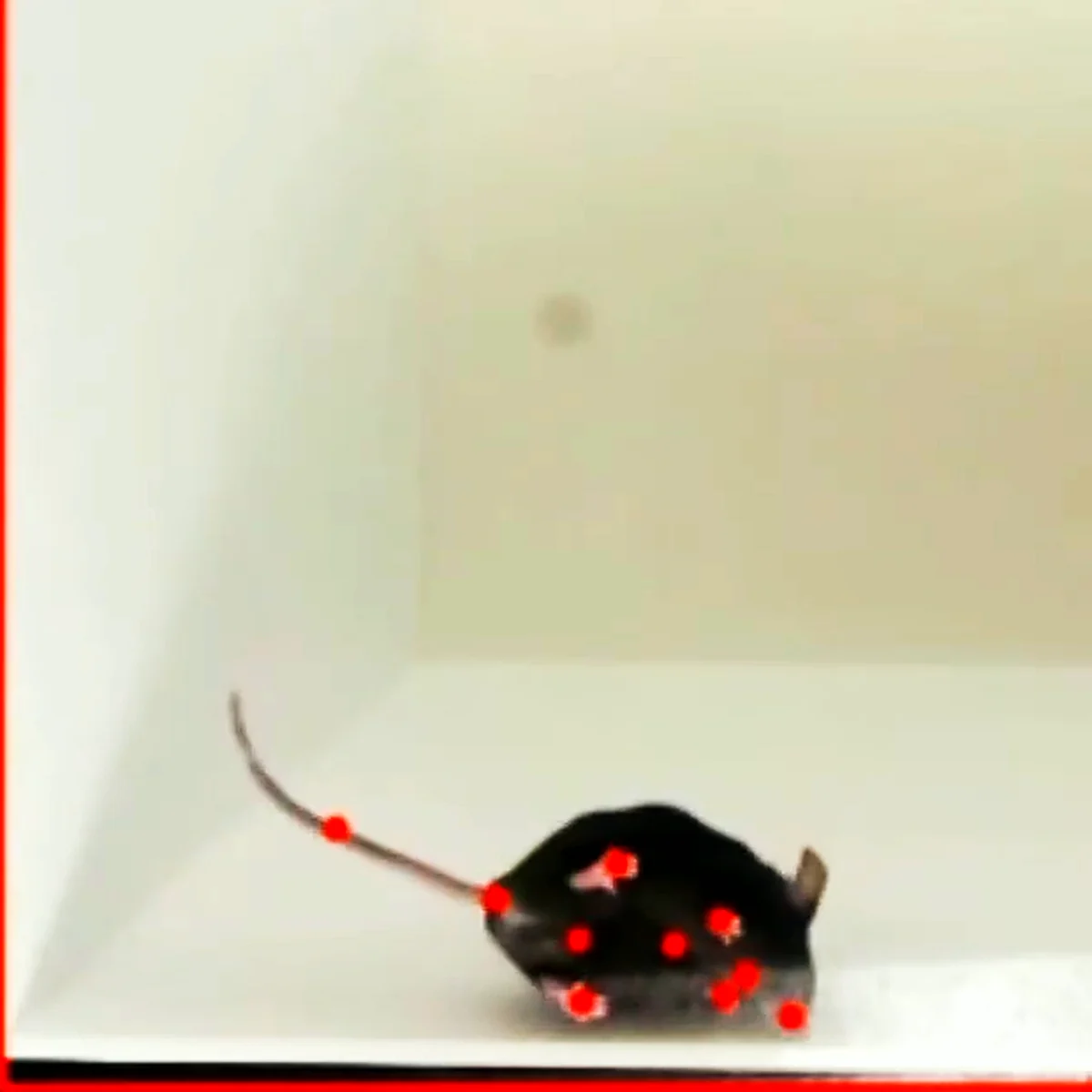

1 / 4
Gap Cross Test
SKU CS-958237
$2,499.99
IncludesStandard care
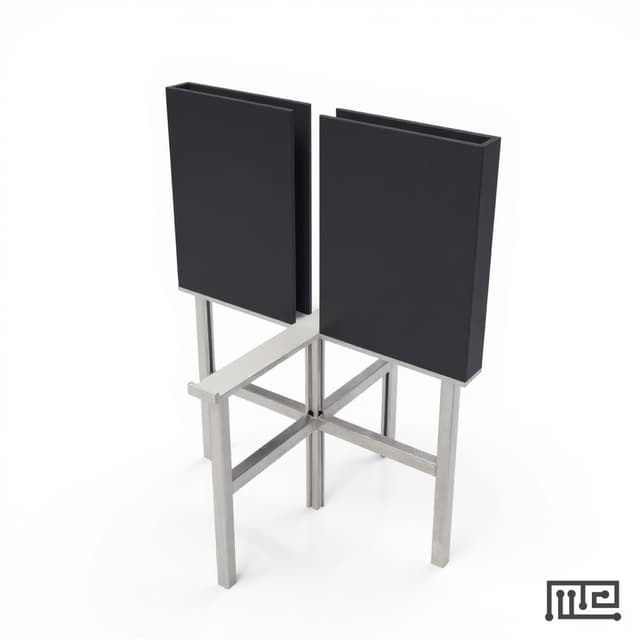
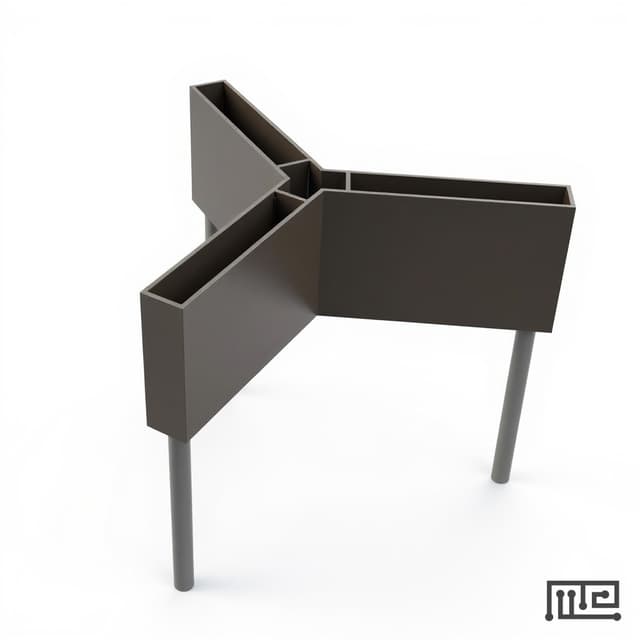
Elevated cross-shaped platform with variable gaps for assessing motor coordination, balance, and anxiety-related behaviors in laboratory rodents.
CE MarkedBAA available
Scientist guidance

Louise Corscadden, PhD
Director of Science · ConductScience
Ask Louise about Gap Cross Test fit, setup, configuration, or quote prep.
Already working with us? Sign in to connect this with My Scientist.
Key Specifications
Full details →- Model fit
- Mouse, Rat
- SKU family
- CS-958237
- Sizing
- Mouse: Length 50 cm · Width 20 cm; Rat: Length 75 cm · Width 29 cm
- Ordering
- Online checkout and quote request available
- Category
- Behavioral Mazes
- Build notes
- Confirm accessories, station layout, and support needs before purchase
The Gap Cross Test is a behavioral assessment apparatus designed to evaluate motor coordination, balance, and anxiety-related behaviors in laboratory rodents. This test utilizes an elevated cross-shaped platform with gaps of varying widths between arms, requiring animals to navigate across open spaces to reach different zones. The apparatus provides quantitative measures of locomotor activity, risk assessment behavior, and motor function through systematic observation of gap-crossing decisions and movement patterns.
Researchers employ this test to assess neuromotor function, evaluate anxiolytic or anxiogenic compounds, and study balance-related phenotypes in genetic models. The test's design allows for simultaneous evaluation of multiple behavioral constructs, making it valuable for comprehensive behavioral phenotyping studies where both motor and emotional responses are relevant endpoints.
How It Works
The Gap Cross Test operates on the principle of approach-avoidance conflict, where rodents must balance their natural exploratory drive against their instinctive fear of open, elevated spaces. The cross-shaped platform presents animals with multiple directional choices, each involving gaps of predetermined widths that challenge their motor coordination and decision-making processes. Animals demonstrate species-typical behaviors including risk assessment (head dipping, stretched attend postures) before attempting gap crossings.
Behavioral scoring involves measuring latency to cross gaps, success rates at different gap widths, frequency of risk assessment behaviors, and overall activity patterns across the platform. The test capitalizes on rodents' natural tendency to explore while avoiding potentially dangerous situations, providing quantitative measures that reflect both motor capabilities and emotional state. Data collection typically involves video recording for subsequent analysis of movement patterns and behavioral classifications.
Features & Benefits
Elevated cross-shaped design
Provides multiple directional choices and creates natural approach-avoidance conflict situations for comprehensive behavioral assessment.
Variable gap widths
Allows systematic evaluation of motor coordination limits and enables dose-response relationships in pharmacological studies.
Open platform construction
Facilitates clear video recording from multiple angles for accurate behavioral scoring and movement analysis.
Standardized testing height
Creates consistent anxiety-provoking conditions across experiments while maintaining animal safety.
Multi-arm configuration
Enables assessment of directional preferences and spatial navigation strategies within a single testing session.
Modular gap system
Permits rapid adjustment of testing parameters between subjects or experimental conditions without apparatus reconstruction.
Stable platform base
Ensures consistent testing conditions and prevents apparatus movement that could confound behavioral measurements.
Sizes by model
| Measurement | Mouse | Rat |
|---|---|---|
| Length | 50 cm | 75 cm |
| Width | 20 cm | 29 cm |
| Wall height | 10 cm | 16 cm |
| Elevated height | 20 cm | 30 cm |
| Goal box length | 25 cm | 37 cm |
| Gap size | 1 cm | 1.5 cm |
| Checkerboard matte width | 55 cm | 55 cm |
| Checkerboard matte length | 25 cm | 25 cm |
Behavioral Construct
- Motor Coordination
- Balance
- Anxiety
- Risk Assessment
- Exploratory Behavior
- Spatial Navigation
Automation Level
- manual
Research Domain
- Anxiety and Depression
- Behavioral Pharmacology
- Learning and Memory
- Motor Function
- Neurodegeneration
- Neuroscience
Species
- Mouse
- Rat
Compatible Tracking Software
- ConductVision
Shipping weight
- 6.06 lb
Shipping box
- L: 65.0 cm
- W: 36.0 cm
- H: 27.0 cm
| Feature | This Product | Typical Alternative | Advantage |
|---|---|---|---|
| Multi-directional platform design | Cross-shaped configuration with multiple arms | Linear beam tests offer single-direction assessment | Allows evaluation of spatial navigation and directional preferences alongside motor coordination. |
| Gap width adjustability | Variable gap settings | Fixed beam widths in traditional tests | Enables systematic assessment of motor coordination limits and dose-response studies. |
| Elevated testing environment | Standardized platform height | Ground-level motor tests lack anxiety component | Incorporates emotional stress factors that may influence motor performance in real-world conditions. |
| Combined behavioral assessment | Simultaneous motor and anxiety evaluation | Separate tests required for different behavioral domains | Reduces testing time and provides integrated behavioral phenotyping data. |
The Gap Cross Test provides a comprehensive assessment platform that combines motor coordination evaluation with anxiety-related behavioral measures. The apparatus offers systematic gap width adjustment and multi-directional testing capabilities for thorough behavioral phenotyping.
Neuroscience
Evaluating motor coordination deficits in rodent models of neurodegenerative diseases such as Huntington's disease or cerebellar ataxia.
Behavioral Pharmacology
Screening anxiolytic compounds by measuring gap-crossing behavior and risk assessment patterns in response to pharmacological interventions.
Motor Function
Assessing balance and fine motor control in aging studies or following experimental manipulations affecting vestibular or cerebellar function.
Anxiety and Depression
Quantifying approach-avoidance conflict behaviors when animals must choose between safety and exploration across elevated gaps.
Learning and Memory
Examining spatial learning capabilities as animals learn to navigate between platform arms and remember safe crossing strategies.
Neurodegeneration
Monitoring progressive motor decline in longitudinal studies of neurodegenerative disease models through changes in gap-crossing success rates.
Practical Tips
Calibration
Verify gap measurements before each testing session using calibrated measuring tools.
Why: Accurate gap dimensions are critical for reproducible motor coordination assessments.
Maintenance
Clean platform surfaces with mild detergent between subjects to remove odor cues.
Why: Residual scents from previous animals can influence exploratory behavior and gap-crossing decisions.
Best Practices
Allow animals to acclimate to the testing room for at least 30 minutes before trials.
Why: Environmental familiarization reduces acute stress responses that could confound behavioral measurements.
Data Quality
Record multiple trials per animal when possible to account for variability in risk-taking behavior.
Why: Individual gap-crossing attempts can vary significantly based on momentary confidence levels.
Troubleshooting
If animals show excessive freezing, reduce platform height or increase gap widths initially.
Why: Overly challenging conditions can result in behavioral shutdown rather than meaningful motor assessment.
Safety
Monitor animals continuously during testing and have appropriate catch protocols ready.
Why: Gap-crossing failures require immediate safety intervention to prevent injury.
Setup Guide
Platform Assembly
Assemble the cross-shaped platform according to manufacturer specifications, ensuring all arms are level and securely fastened at the designated height above the testing surface.
Gap Configuration
Set gaps between platform arms to desired widths based on experimental protocol, typically starting with easily navigable distances and progressing to more challenging spans.
Environmental Preparation
Position apparatus in a quiet testing room with consistent lighting and minimal external disturbances that could affect animal behavior.
Recording Setup
Install video recording equipment with clear views of all platform arms and gaps to enable accurate behavioral scoring and movement analysis.
Safety Measures
Place appropriate bedding or padding beneath the apparatus to ensure animal safety in case of falls during gap-crossing attempts.
Calibration Testing
Conduct preliminary trials with test animals to verify gap measurements and confirm that behavioral responses align with expected patterns.
Protocol Validation
Establish scoring criteria and inter-rater reliability for behavioral measurements before beginning experimental data collection.
What’s in the Box
- Cross-shaped platform assembly (typical)
- Adjustable gap components (typical)
- Mounting hardware (typical)
- Setup and operation manual (typical)
- Behavioral scoring guidelines (typical)
Warranty
ConductScience provides a standard one-year manufacturer warranty covering defects in materials and workmanship, along with technical support for setup and operational guidance.
Compliance
IACUC GuidelinesCommonly used in behavioral research protocols subject to institutional animal care and use committee oversight for motor function studies.
NIH Guidelines for Animal ResearchSupports behavioral assessment workflows governed by federal guidelines for laboratory animal welfare and research practices.
AAALAC StandardsUsed in research facilities subject to Association for Assessment and Accreditation of Laboratory Animal Care accreditation requirements.
Q
What gap widths are typically used for different rodent species?
A
Gap widths should be selected based on species-specific motor capabilities and body size. Consult product datasheet for recommended starting parameters and progression sequences.
Q
How long should testing sessions last to obtain reliable behavioral data?
A
Testing duration depends on experimental objectives, typically ranging from 5-15 minutes per subject to allow for habituation and multiple gap-crossing attempts while avoiding fatigue effects.
Q
What behavioral parameters can be quantified with this apparatus?
A
Key measures include gap-crossing success rates, latency to cross, frequency of risk assessment behaviors, total platform exploration time, and directional preferences between arms.
Q
How should data be analyzed for motor coordination versus anxiety components?
A
Motor coordination is assessed through gap-crossing success rates and movement quality, while anxiety measures include risk assessment frequency, latency to initiate crossings, and overall activity levels.
Q
What factors can influence test results and should be controlled?
A
Environmental conditions (lighting, noise), time of day, prior handling experience, apparatus cleaning between subjects, and consistent gap configurations all affect behavioral outcomes.
Q
Can this test be used for longitudinal studies of motor function decline?
A
Yes, the standardized testing conditions allow for repeated assessments over time to track progressive changes in motor coordination and behavioral responses.
Q
What video recording specifications are recommended for behavioral analysis?
A
High-resolution cameras positioned to capture all platform areas, with frame rates sufficient for detailed movement analysis and behavioral classification requirements.
Have a question about this product?
Track rodents with ConductVision
ConductVision is our video-tracking software. Record your sessions on video, and it scores standard rodent tests, such as those listed below.
Examples of tests it scores
To check whether ConductVision scores your protocol in this apparatus, ask in your quote request.
Ask a question
Have a question? Just ask.
Send it over and we'll email you a personalized answer — no call, no scheduling.
Personalized email reply
Usually within one business day
Helpful answers published here
Prefer to talk it through?
Accessories
Enhance your setup with compatible accessories
Total: $0.00
Frequently Bought Together
+
+
Total: $8,370.00

Gap Cross Test
$2,499.99
Added to quoteView Quote