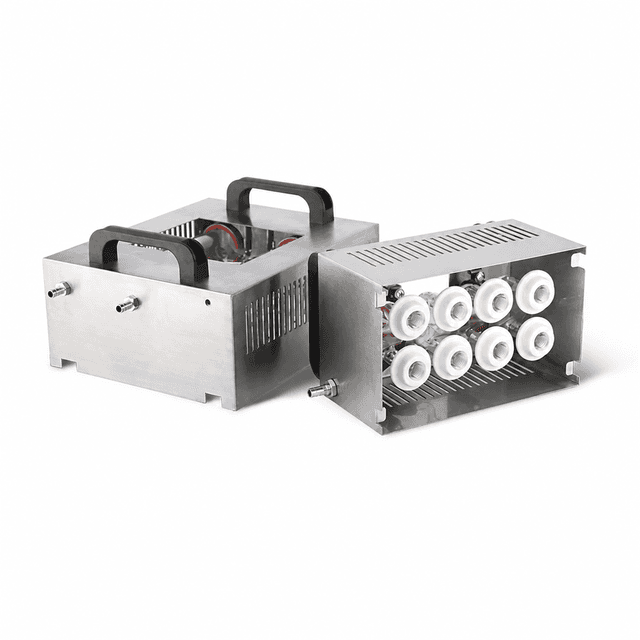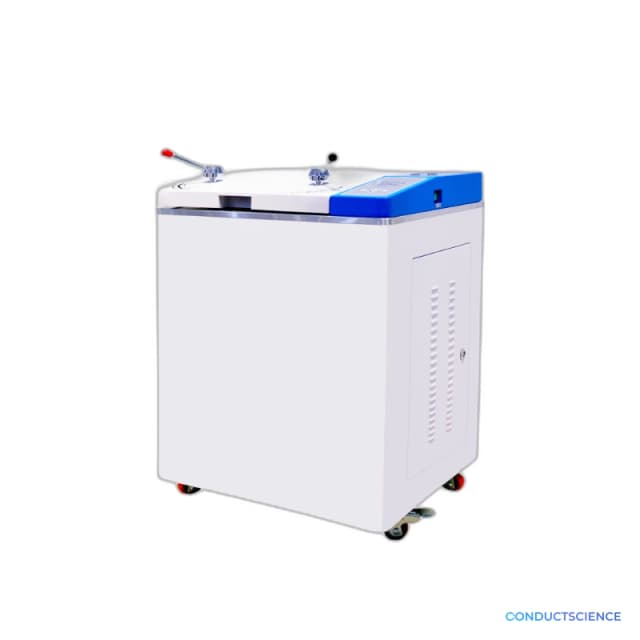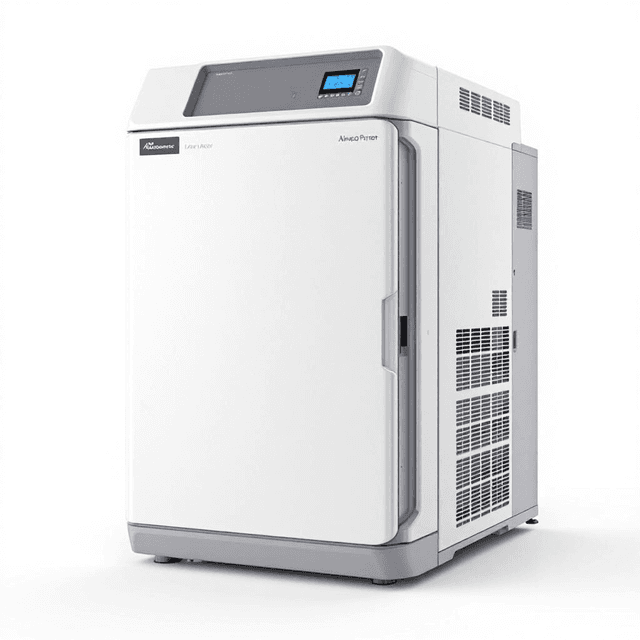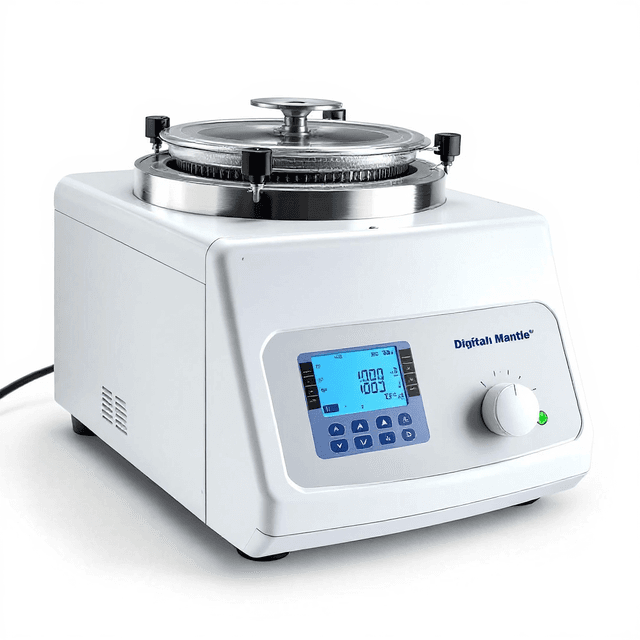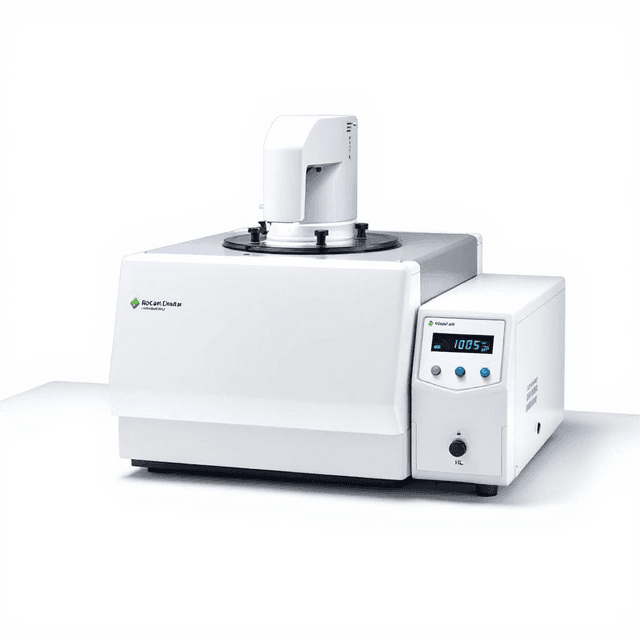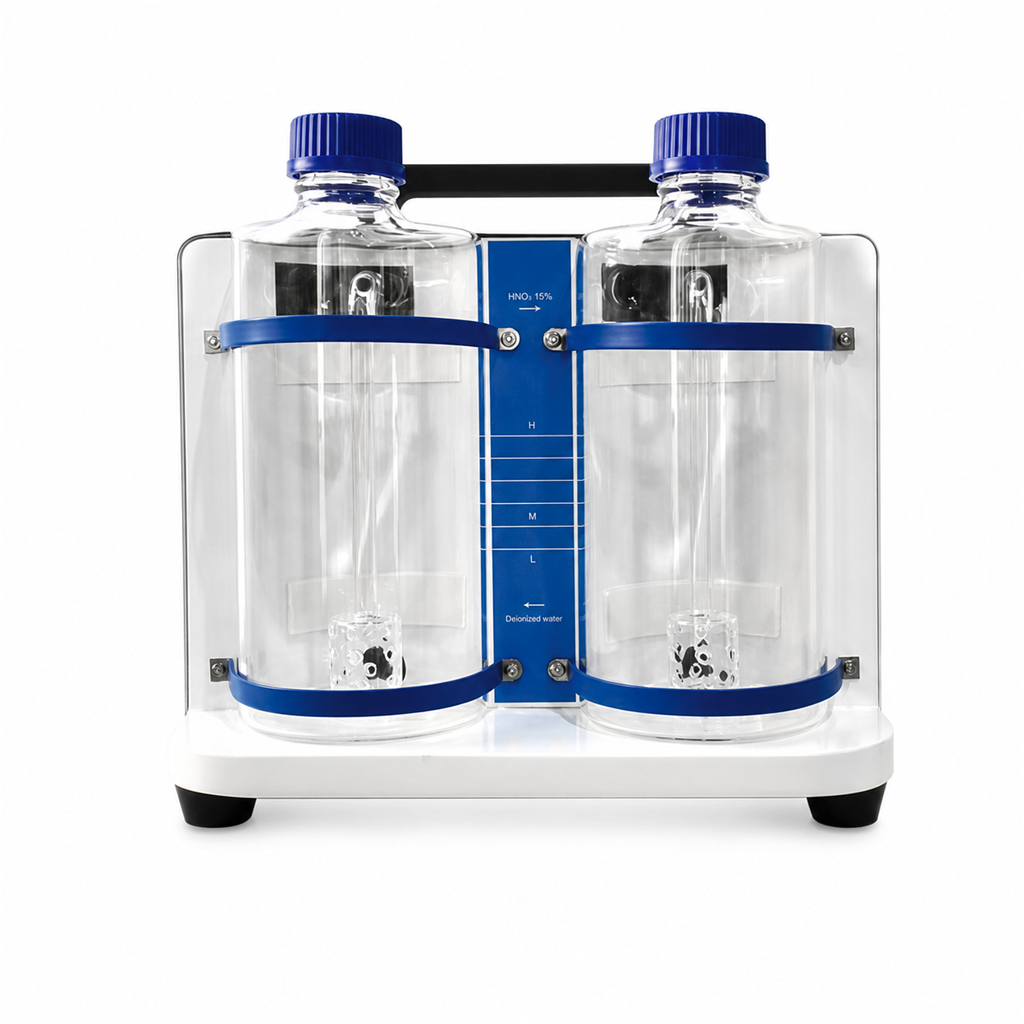
GCH-03 Gas Collection Hood Exhaust System Scrubber
Benchtop fume extraction system with integrated scrubbing technology for neutralizing laboratory vapors using water, alkali, and carbon filtration methods.

Louise Corscadden, PhD
Director of Science · ConductScience
Ask Louise about GCH-03 Gas Collection Hood Exhaust System Scrubber fit, setup, configuration, or quote prep.
Already working with us? Sign in to connect this with My Scientist.
Key Specifications
Full details →- Model fit
- Configured during quote
- SKU family
- BIO-0462
- Shipping box
- 38.0 x 53.0 x 35.0 cm
- Ordering
- Online checkout and quote request available
- Category
- Benchtop Instruments
- Build notes
- Confirm accessories, station layout, and support needs before purchase
Gas Collection Hood GCH-03
Professional laboratory fume hood designed for safe work with hazardous chemicals and vapors. Features vertical laminar airflow with HEPA filtration and comprehensive operator protection in compliance with laboratory safety standards.
Key Features:
- Vertical laminar airflow design
- HEPA filtration system
- Multiple size configurations
- Durable construction materials
- Safety monitoring systems
- Operator-friendly controls
How It Works
The GCH-03 operates through negative pressure generation and multi-stage chemical neutralization. The exhaust fan creates controlled airflow that captures vapors at the source, drawing contaminated air through the hood inlet. The integrated vacuum system achieves negative pressures up to 0.04 MPa, ensuring directional airflow away from the operator workspace.
Captured vapors undergo sequential treatment through three neutralization methods: water scrubbing for water-soluble compounds, alkali treatment for acidic vapors, and activated carbon adsorption for organic compounds. This multi-stage approach addresses the broad spectrum of chemical vapors encountered in laboratory applications, with each stage targeting specific chemical properties and vapor types.
The treated air stream exits the system after neutralization, with the flow rate of 2.4 m³/H providing adequate air changes for benchtop applications while maintaining energy efficiency for continuous operation.
Features & Benefits
Automation Level
- semi-automated
Max. Flow Rate
- 2.4m³/H
Max. Negative Pressure
- 0.04MPa
Neutralization Methods
- Water, Alkali and Carbon
External Size(W*D*H)
- 390*340*550mm
Packing Size(W*D*H)
- 640*510*720mm
Brand
- ConductScience
Research Domain
- Analytical Chemistry
- Environmental Monitoring
- Industrial Hygiene
- Materials Science
- Microbiology
- Pharmaceutical QC
Weight
- 40kg
Shipping weight
- 13.5 lb
Shipping box
- L: 38.0 cm
- W: 53.0 cm
- H: 35.0 cm
| Feature | This Product | Typical Alternative | Advantage |
|---|---|---|---|
| Flow Rate Capacity | 2.4 m³/H maximum flow rate | Entry-level units often provide lower flow rates | Adequate air exchange for diverse benchtop applications while maintaining reasonable operating costs |
| Neutralization Methods | Three-stage system with water, alkali, and carbon treatment | Single-method systems typically use only carbon filtration | Comprehensive chemical compatibility across acids, bases, and organic compounds in one unit |
| Pressure Generation | 0.04 MPa maximum negative pressure capability | Basic models often provide lower negative pressure | Strong vapor capture performance ensures reliable containment of laboratory emissions |
| Installation Requirements | Benchtop design with 390×340×550mm footprint | Larger units may require dedicated floor space or permanent installation | Point-of-use placement without facility modifications or valuable workspace consumption |
The GCH-03 combines substantial vapor processing capacity with comprehensive neutralization chemistry in a benchtop format. The three-stage treatment approach and robust pressure generation provide laboratory-grade performance while maintaining installation flexibility for diverse research environments.
Practical Tips
Verify flow rate and negative pressure monthly using calibrated instrumentation to ensure performance within specifications.
Why: Performance drift can compromise vapor capture effectiveness and worker protection.
Monitor water clarity in the scrubbing stage and replace when discoloration or particulate accumulation becomes visible.
Why: Contaminated scrubbing water reduces neutralization efficiency for water-soluble compounds.
Position volatile work as close to the hood inlet as possible to maximize capture efficiency.
Why: Vapor capture effectiveness decreases rapidly with distance from the inlet opening.
Ensure adequate makeup air is available to prevent room pressurization issues during operation.
Why: Restricted makeup air can reduce system performance and create uncomfortable working conditions.
Check for inlet blockages if airflow appears reduced, and verify all neutralization chambers are properly seated.
Why: Obstructions or loose connections can significantly impact vapor capture and treatment effectiveness.
Log operating hours and chemical types processed to establish evidence-based maintenance schedules.
Why: Usage patterns directly influence neutralization media consumption and replacement timing.
Setup Guide
What’s in the Box
- GCH-03 main unit
- Power cable
- Operating manual
- Initial neutralization media set (typical)
- Installation hardware (typical)
Warranty
ConductScience provides a one-year manufacturer warranty covering defects in materials and workmanship, with technical support for installation and operation guidance.
Compliance
What types of chemical vapors can this system effectively neutralize?
The three-stage system handles water-soluble compounds through water scrubbing, acidic vapors through alkali treatment, and organic compounds through activated carbon adsorption, covering most laboratory vapor types.
How often should the neutralization media be replaced?
Replacement frequency depends on usage intensity and vapor types processed. Monitor water clarity, alkali pH levels, and carbon breakthrough indicators to establish replacement schedules.
Can this unit handle continuous operation during extended experiments?
Yes, the 2.4 m³/H flow rate and robust construction support continuous operation, though regular monitoring of neutralization media status is recommended.
What exhaust arrangements are required for installation?
The system processes vapors internally through neutralization stages, consult product datasheet for specific exhaust requirements and treated air discharge specifications.
How do I verify the system is operating at specified performance levels?
Use calibrated flow meters to confirm airflow rate and manometers to verify negative pressure generation against the 2.4 m³/H and 0.04 MPa specifications.
Is this system suitable for high-volume solvent work?
The 2.4 m³/H capacity suits benchtop applications; evaluate vapor generation rates against system capacity for high-volume applications.
Have a question about this product?
Have a question? Just ask.
Send it over and we'll email you a personalized answer — no call, no scheduling.
Prefer to talk it through?