Gel Strength Test System
Precision analytical instrument for quantifying gelatin gel strength using standardized Bloom test methodology, measuring 5-1000 Bloom g with ±0.3% accuracy through automated penetration testing.

Louise Corscadden, PhD
Director of Science · ConductScience
Ask Louise about Gel Strength Test System fit, setup, configuration, or quote prep.
Already working with us? Sign in to connect this with My Scientist.
Key Specifications
Full details →- Model fit
- 2 selectable configurations
- SKU family
- BIO-GGST-2 | BIO-GGST-3
- Shipping box
- 42.0 x 43.6 x 38.0 cm
- Ordering
- Online checkout and quote request available
- Category
- Gel & Clarity Testing
- Build notes
- Confirm accessories, station layout, and support needs before purchase
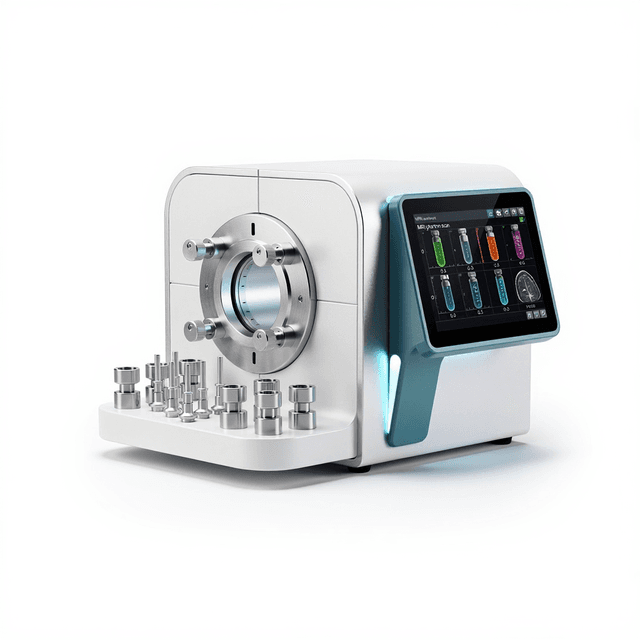
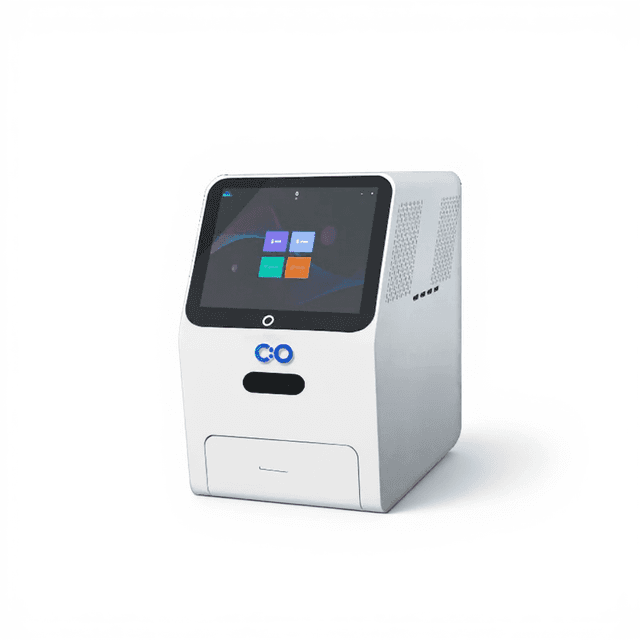
The Gel Strength Test System is a precision analytical instrument designed to quantify gelatin gel strength using the standardized Bloom test methodology. The system measures the force required for controlled penetration of gel samples, providing quantitative assessment of gel firmness from 5 to 1000 Bloom g with ±0.3% accuracy through automated mechanical testing protocols.
Available in two configurations, the BIO-GGST-2 provides essential gel strength measurement with LCD display and automated data processing, while the BIO-GGST-3 adds an embedded micro printer for direct documentation. Both systems feature high-precision pressure sensors, automated measurement modes, and four-class shockproof design to support standardized testing protocols in pharmaceutical quality control, food science research, and materials characterization laboratories.
How It Works
The Gel Strength Test System operates using the standardized Bloom test methodology, where a cylindrical plunger with specified diameter penetrates the gel sample to a controlled depth of 4mm at constant velocity. The system measures the maximum force required during this penetration, which correlates directly with the gel's mechanical strength and molecular network structure.
The high-precision pressure sensor continuously monitors force during the controlled mechanical drive penetration process. The system's automatic measurement modes execute standardized protocols including sample positioning, penetration depth control, and peak force detection. Multiple sampling speeds from 0.1 to 2mm/s accommodate different gel types and testing standards, while the sampling depth range of 1-60mm enables testing of various sample geometries.
Automated data processing calculates mean values, final values, and peak values from the force-displacement curves, with automatic non-linear error correction ensuring measurement accuracy. The four-class shockproof mechanical design minimizes vibration interference during sensitive force measurements.
Features & Benefits
Shipping weight
- 68.34 lb
Shipping box
- L: 42.0 cm
- W: 43.6 cm
- H: 38.0 cm
| Feature | This Product | Typical Alternative | Advantage |
|---|---|---|---|
| Measurement Range | 5-1000 Bloom g | Entry-level models often limited to narrower ranges | Wide range accommodates diverse gel formulations from soft hydrogels to firm gelatin matrices in research applications. |
| Measurement Accuracy | ±0.3% | Basic systems may offer lower precision | High precision enables detection of subtle formulation changes critical for quality control applications. |
| Sampling Speed Options | 0.1mm/s to 2mm/s variable | Fixed speeds common in simpler models | Variable speed selection optimizes testing protocols for different gel types and compliance requirements. |
| Measurement Modes | Single-step, maintaining, circulating, automatic | Limited mode options in basic instruments | Multiple modes provide flexibility for various testing protocols and research requirements. |
| Data Output Options | Mean value, final value, peak value with LCD display | Simple readout displays common | Comprehensive data output supports detailed analysis and quality documentation requirements. |
| Built-in Documentation | Embedded micro printer (BIO-GGST-3) | External documentation often required | Direct result printing streamlines quality control workflows and regulatory documentation. |
The system combines wide measurement range capabilities with high precision and multiple operational modes, providing comprehensive gel strength testing functionality. The integrated error correction and automated measurement protocols offer reliable performance for both research and quality control applications.
| Model | SKU | Listed price | Status | Shipping box |
|---|---|---|---|---|
| BIO-GGST-3 | BIO-GGST-3 | $8,800.00 | Available | 42.0 x 43.6 x 38.0 cm |
| BIO-GGST-2 | BIO-GGST-2 | $6,900.00 | Available | 42.0 x 43.6 x 38.0 cm |
Practical Tips
Perform calibration verification using certified reference materials before critical testing sessions to ensure measurement accuracy.
Why: Environmental factors and mechanical wear can affect sensor accuracy over time.
Allow gel samples to equilibrate at 10°C for the full conditioning period specified in testing protocols before measurement.
Why: Temperature significantly affects gel strength values and incomplete conditioning leads to variable results.
Clean the plunger and sample platform thoroughly between samples using appropriate solvents to prevent cross-contamination.
Why: Residual gel material can affect subsequent measurements and compromise data integrity.
Use the automatic measurement mode for routine testing to minimize operator variability in timing and positioning.
Why: Automated protocols ensure consistent test execution and improved reproducibility between operators.
If measurements appear inconsistent, verify proper sample preparation and check for air bubbles in the gel matrix.
Why: Sample preparation errors are the most common source of measurement variability in gel strength testing.
Ensure the four-class shockproof system is properly leveled and positioned away from high-vibration equipment.
Why: Mechanical vibration can interfere with sensitive force measurements and affect reproducibility.
Select sampling speed based on gel firmness - use slower speeds for soft gels to prevent sample disruption.
Why: Inappropriate penetration rates can cause sample deformation that affects accurate force measurement.
Regularly inspect mechanical drive components for smooth operation and lubrication according to maintenance schedule.
Why: Proper mechanical maintenance ensures consistent penetration rates and extends instrument lifespan.
Setup Guide
What’s in the Box
- Gel Strength Test System main unit
- Standard Bloom test plunger
- Sample platform and fixtures
- Power adapter and cables
- Calibration reference materials (typical)
- User manual and documentation
- Software installation media (typical)
- Warranty certificate
Warranty
ConductScience provides a standard one-year manufacturer warranty covering defects in materials and workmanship, with comprehensive technical support including installation guidance, calibration procedures, and operational training for precision testing applications.
Compliance
References
Background reading relevant to this product:
What is the measurement principle and how does it relate to standard Bloom testing?
The system uses controlled penetration methodology where a standard plunger penetrates gel samples to 4mm depth while measuring maximum force required, following established Bloom test protocols for quantifying gel strength.
How do I select appropriate sampling speed for different gel types?
Softer gels typically require slower speeds (0.1-0.5mm/s) to prevent sample disruption, while firmer gels can accommodate faster speeds (1-2mm/s). Consult relevant testing standards for specific protocol requirements.
What sample preparation is required for accurate measurements?
Samples must be prepared according to standardized protocols including proper hydration, temperature conditioning at 10°C, and appropriate container geometry to ensure reproducible results.
How does the automatic error correction function work?
The system applies non-linear error correction algorithms to compensate for systematic measurement variations and provides automatic fault diagnosis to identify potential issues affecting measurement accuracy.
What data output formats are available for analysis?
The system provides mean value, final value, and peak value calculations with LCD display output and optional embedded printing (BIO-GGST-3 model) for direct result documentation.
Can the system accommodate different sample container sizes?
Yes, the 1-60mm sampling depth range allows testing of various container geometries and sample thicknesses commonly encountered in gel strength testing applications.
What calibration procedures are required for maintaining accuracy?
Regular calibration verification using reference standards is recommended to maintain the ±0.3% accuracy specification. Consult product datasheet for specific calibration frequency and procedures.
How does this compare to texture analyzer-based gel testing?
This dedicated system provides specialized gel strength measurement with standardized Bloom protocols, while general texture analyzers offer broader testing capabilities but may require additional configuration for specific gel testing applications.
Have a question about this product?
Have a question? Just ask.
Send it over and we'll email you a personalized answer — no call, no scheduling.
Prefer to talk it through?
Accessories
Enhance your setup with compatible accessories
Frequently Bought Together