
Modified Beam Walking Apparatus Sweiss Et Al. 2016
SKU 4615
$1,830.00
IncludesStandard care
Integrated apparatus combining beam walking motor assessment with anxiety-like behavior evaluation through addition of a darkened safe box target zone.
CE MarkedBAA available
Scientist guidance

Louise Corscadden, PhD
Director of Science · ConductScience
Ask Louise about Modified Beam Walking Apparatus Sweiss Et Al. 2016 fit, setup, configuration, or quote prep.
Already working with us? Sign in to connect this with My Scientist.
Key Specifications
Full details →- Model fit
- Mouse, Rat
- SKU family
- 4615
- Shipping box
- 48.7 x 40.5 x 32.4 cm
- Ordering
- Online checkout and quote request available
- Category
- Behavioral Mazes
- Build notes
- Confirm accessories, station layout, and support needs before purchase
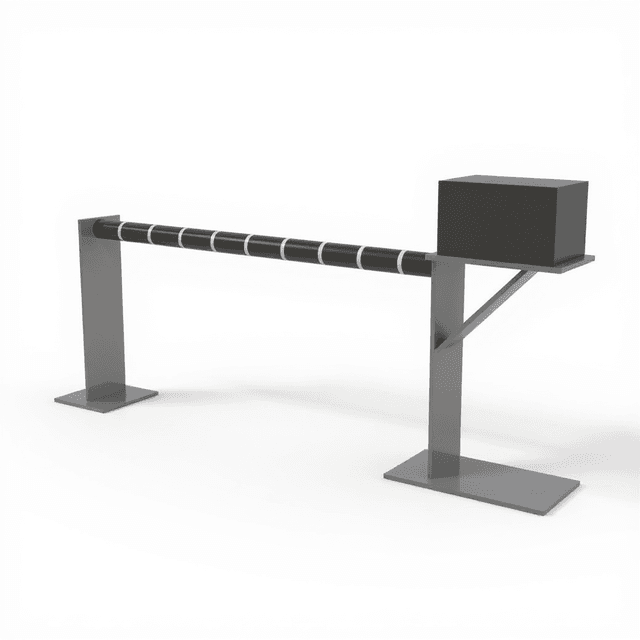
The Modified Beam Walking Apparatus (Sweiss et al. 2016) integrates motor coordination assessment with anxiety-like behavior evaluation in a single testing paradigm. This apparatus extends the traditional beam walking test by incorporating a darkened safe box with a semicircular opening (approximately 15 cm diameter) positioned at one end of the beam. The design mimics the enclosed arms of an elevated plus maze, allowing researchers to simultaneously evaluate motor latency to cross the beam and approach/avoidance behaviors.
The apparatus is particularly valuable for assessing brain injury in rodents where both motor function and anxiety-like behaviors may be impacted. By measuring the time required for subjects to traverse the beam and enter the safe box, researchers can obtain integrated measures of motor coordination, balance, and anxiety-related responses in a single test session.
How It Works
The apparatus operates on the principle of approach-avoidance conflict combined with motor challenge. Subjects are placed at the end of the beam opposite the safe box, creating a motivation to traverse the beam to reach the enclosed, secure environment. The beam crossing requires intact motor coordination, balance, and motor planning, while the presence of the safe box introduces an anxiety-related component that can influence crossing behavior.
The darkened safe box is designed to mimic the enclosed arms of an elevated plus maze, exploiting rodents' natural preference for dark, enclosed spaces over open, elevated areas. The semicircular opening provides easy entry while maintaining the enclosed environment that reduces anxiety. Motor latency to cross the beam reflects both the subject's physical capability to maintain balance and coordination, as well as their motivation to reach the safe zone.
This dual-task design allows differentiation between pure motor deficits and motor impairments complicated by anxiety or fear responses, providing more comprehensive behavioral phenotyping than traditional beam walking tests alone.
Features & Benefits
Integrated safe box with semicircular opening
Combines motor assessment with anxiety-like behavior evaluation in a single test paradigm
Darkened safe box design
Mimics enclosed arms of elevated plus maze to exploit natural rodent preferences for enclosed spaces
15 cm diameter semicircular entry
Provides easy access to safe zone while maintaining enclosed environment characteristics
Platform-supported beam configuration
Ensures stable testing environment with consistent beam positioning across trials
Storage included design
Enables efficient laboratory storage and organization between testing sessions
Assembly required construction
Allows customization of setup parameters and easy maintenance of individual components
All species compatibility
Accommodates various rodent species for comparative studies and diverse research applications
1-year warranty coverage
Provides assurance of product quality and manufacturer support for extended research projects
Add-ons and modifications
| Add-on | Price | Details |
|---|---|---|
| Modified Walking Beam Apparatus | $1,990 | Integration of motor co-ordination tasks and anxiety-like behavior is important to asses brain injury in rodents that impact performance on both the tasks Sweis |
Add any of these to your quote request.
Warranty Length
- 1 YEAR
Storage Included
- Yes
Assembly Required
- Yes
Behavioral Construct
- Motor coordination
- Balance
- Anxiety-like behavior
- Approach-avoidance conflict
- Motor latency
Automation Level
- manual
Research Domain
- Aging Research
- Anxiety and Depression
- Behavioral Pharmacology
- Motor Function
- Neurodegeneration
- Neuroscience
Species
- Mouse
- Rat
Compatible Tracking Software
- ConductVision
Shipping weight
- 44.09 lb
Shipping box
- L: 48.7 cm
- W: 40.5 cm
- H: 32.4 cm
| Feature | This Product | Typical Alternative | Advantage |
|---|---|---|---|
| Behavioral Integration | Combines motor coordination and anxiety-like behavior assessment in single test | Standard beam tests evaluate motor function only | Provides more comprehensive behavioral phenotyping relevant to brain injury models where both motor and emotional systems are affected. |
| Target Motivation | Darkened safe box with semicircular opening creates approach motivation | Traditional beam tests rely on avoidance of open height only | Introduces positive reinforcement element that can reveal differences between motor incapacity and behavioral reluctance. |
| Safe Box Design | 15 cm diameter semicircular opening mimics elevated plus maze enclosed arms | Standard endpoints provide no enclosed refuge area | Exploits natural rodent preferences to create consistent motivation across subjects and test sessions. |
| Species Compatibility | All species design accommodates various rodent models | Many beam tests are species-specific in dimensions | Enables comparative studies across different rodent models within the same laboratory setup. |
This apparatus uniquely integrates motor coordination assessment with anxiety-like behavior evaluation through the addition of a darkened safe box target. The design provides more comprehensive behavioral phenotyping than traditional beam walking tests while maintaining the core motor assessment capabilities.
Neuroscience
Evaluating integrated motor and anxiety deficits following traumatic brain injury in rodent models.
Stroke Research
Assessing recovery of motor coordination and anxiety-like behaviors during rehabilitation studies.
Neurodegeneration
Monitoring progressive motor and behavioral changes in models of Parkinson's disease and Huntington's disease.
Behavioral Pharmacology
Testing therapeutic compounds that may affect both motor function and anxiety responses.
Aging Research
Characterizing age-related changes in motor coordination and anxiety-like behaviors in aging rodent cohorts.
Motor Function
Measuring beam crossing latency as an index of balance, coordination, and motor planning abilities.
Practical Tips
Calibration
Establish baseline crossing latencies for each strain and age group before experimental manipulation.
Why: Natural variation in crossing behavior must be characterized to detect treatment effects accurately.
Maintenance
Clean the safe box interior thoroughly between subjects to remove odor cues that might influence behavior.
Why: Residual scents can create artificial approach or avoidance behaviors unrelated to the experimental variables.
Best Practices
Allow subjects brief habituation to the testing room environment before beginning trials.
Why: Environmental stress can confound both motor performance and anxiety-related measures.
Data Quality
Record both crossing latency and any hesitation or freezing behaviors during beam traversal.
Why: Behavioral observations provide context for interpreting latency measures and identifying anxiety versus motor components.
Troubleshooting
If subjects refuse to enter the safe box, verify the interior is sufficiently darkened and opening is unobstructed.
Why: The safe box must maintain its enclosed, secure characteristics to motivate approach behavior.
Safety
Ensure platform height is appropriate for subject safety while maintaining the elevated challenge.
Why: Excessive height can cause injury from falls while insufficient height reduces the motor challenge component.
Best Practices
Counterbalance testing order across treatment groups to control for potential time-of-day effects.
Why: Circadian rhythms can influence both motor performance and anxiety-like behaviors in rodent models.
Setup Guide
Unpack and Inspect Components
Remove all components from storage container and verify beam, platform, and safe box components are present and undamaged.
Assemble Platform and Beam
Attach the beam to the support platform following assembly instructions, ensuring stable mounting and level positioning.
Install Safe Box
Mount the darkened safe box to the platform at one end of the beam, confirming the semicircular opening is properly aligned with beam endpoint.
Height and Stability Check
Verify the apparatus is at appropriate height above the floor and confirm all connections are secure and stable.
Environmental Setup
Position apparatus in testing room with appropriate lighting levels and minimal external disturbances.
Calibrate Timing System
Set up video recording or manual timing system to accurately measure beam crossing latencies.
Conduct Practice Session
Run initial test trials to verify proper apparatus function and establish baseline timing procedures.
What’s in the Box
- Beam walking platform (typical)
- Crossing beam component (typical)
- Darkened safe box with semicircular opening
- Mounting hardware and assembly components (typical)
- User manual and assembly instructions (typical)
- Storage container components
Warranty
ConductScience provides a 1-year manufacturer warranty covering defects in materials and workmanship, with technical support for setup and operational questions.
Compliance
ARRIVE GuidelinesSupports standardized reporting of animal behavior experiments with integrated motor and anxiety measures.
NIH Guidelines for Research Involving Laboratory AnimalsCommonly used in facilities following NIH standards for behavioral assessment protocols.
Q
How does this apparatus differ from standard beam walking tests?
A
The modified version integrates anxiety-like behavior assessment through addition of a darkened safe box target zone, allowing simultaneous evaluation of motor coordination and approach-avoidance behaviors in a single test paradigm.
Q
What species can be tested with this apparatus?
A
The apparatus is designed for all rodent species, with the 15 cm diameter safe box opening accommodating various sizes from mice to larger rodent models.
Q
How is motor latency measured and what does it indicate?
A
Motor latency is the time required for subjects to traverse the beam and enter the safe box, reflecting both motor coordination capabilities and motivation to reach the secure environment.
Q
What assembly is required for setup?
A
Assembly involves mounting the beam to the support platform and attaching the darkened safe box component, with specific instructions provided for proper alignment and stability.
Q
How does the safe box design influence behavior?
A
The darkened interior with semicircular opening mimics enclosed maze arms, exploiting rodents' natural preference for enclosed spaces and creating approach motivation that interacts with motor performance.
Q
What storage options are included?
A
The apparatus includes storage components for efficient laboratory organization, allowing disassembly and compact storage between testing sessions.
Q
How should testing sessions be structured?
A
Subjects are placed at the beam end opposite the safe box, with timing initiated upon placement and concluded when the subject enters the safe box or after a predetermined maximum trial duration.
Have a question about this product?
Track rodents with ConductVision
ConductVision is our video-tracking software. Record your sessions on video, and it scores standard rodent tests, such as those listed below.
Examples of tests it scores
To check whether ConductVision scores your protocol in this apparatus, ask in your quote request.
Ask a question
Have a question? Just ask.
Send it over and we'll email you a personalized answer — no call, no scheduling.
Personalized email reply
Usually within one business day
Helpful answers published here
Prefer to talk it through?
Accessories
Enhance your setup with compatible accessories
Total: $0.00
Frequently Bought Together
Total: $2,730.00

Modified Beam Walking Apparatus Sweiss Et Al. 2016
$1,830.00
Added to quoteView Quote