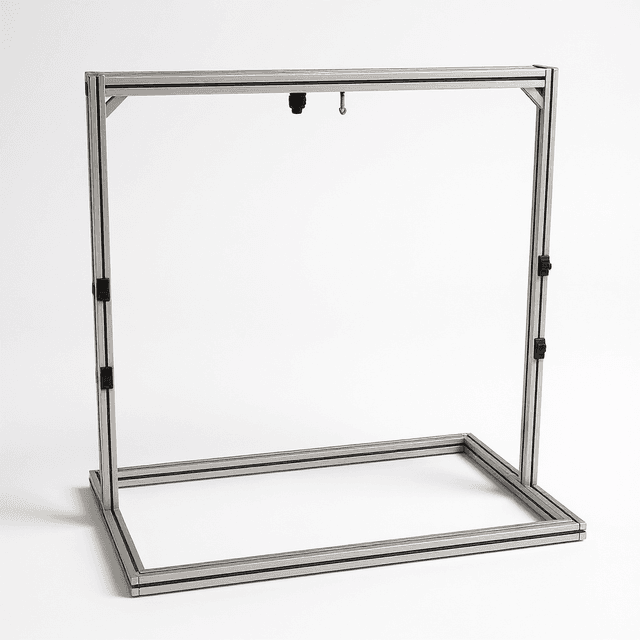
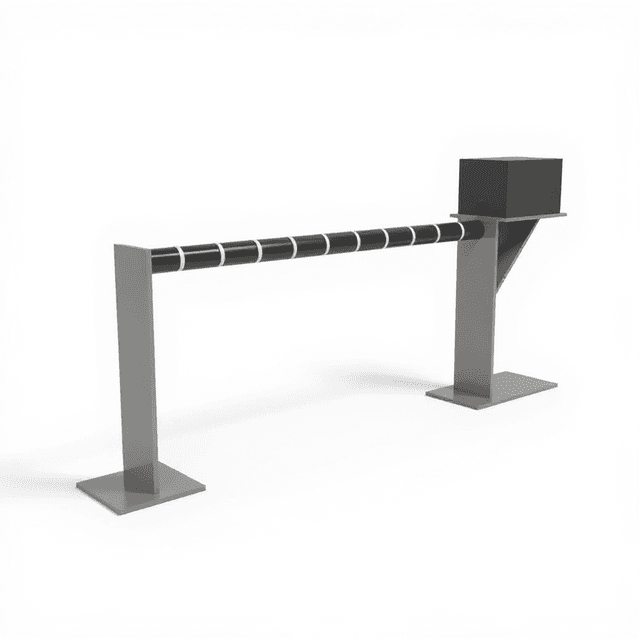
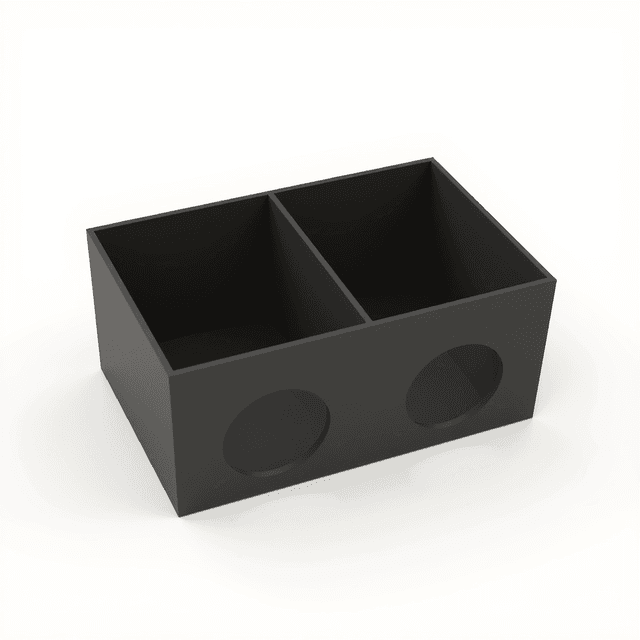
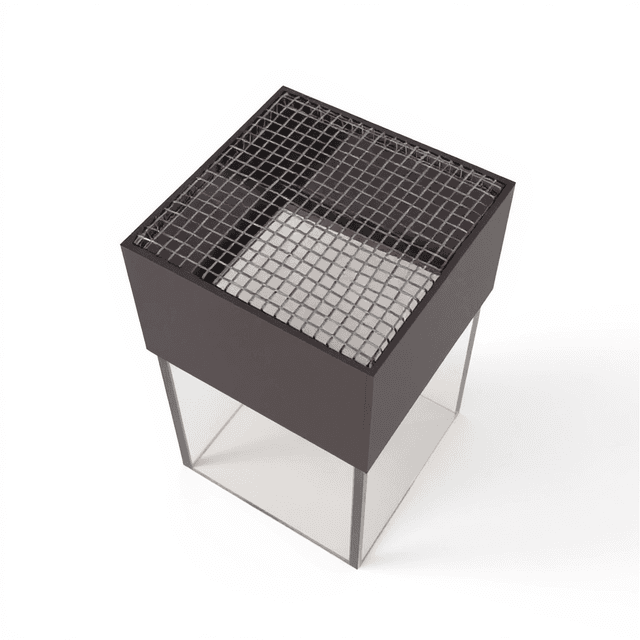
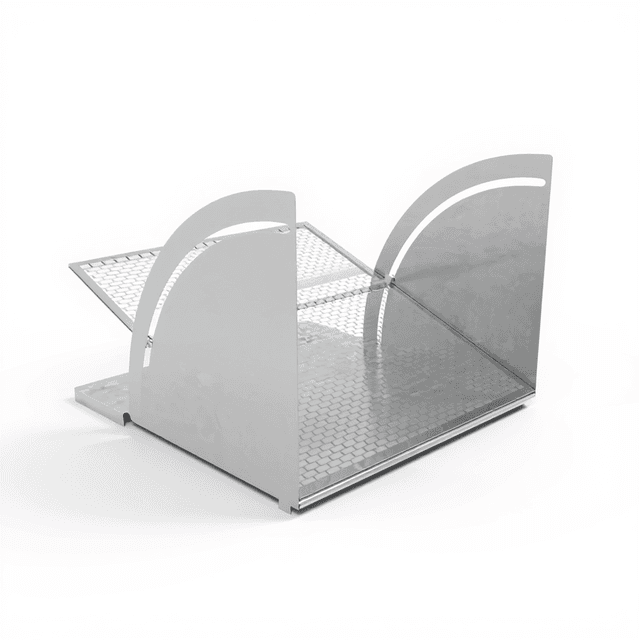
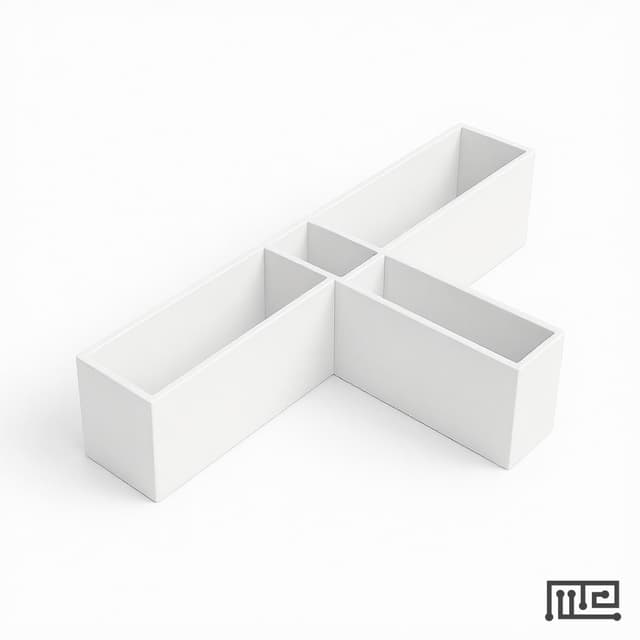
Beam Walking Apparatus Sweiss et al. (2016)
Motor function assessment apparatus for evaluating balance, coordination, and motor learning in laboratory rodents through standardized beam walking protocols.
| Automation Level | manual |
| Species | Mouse, Rat |
The Beam Walking Apparatus based on Sweiss et al. (2016) methodology is a precision motor function assessment tool designed to evaluate balance, coordination, and motor learning in laboratory rodents. This apparatus provides quantitative measurement of motor performance through controlled beam traversal tasks, allowing researchers to assess neurological function, motor deficits, and treatment efficacy in various experimental paradigms.
The system enables standardized evaluation of fine motor control and balance through systematic beam walking protocols. Researchers can monitor motor recovery following injury, assess disease progression in neurological models, or evaluate the therapeutic effects of interventions on motor function. The apparatus supports longitudinal studies tracking motor performance changes over time.
How It Works
The beam walking test operates on the principle that successful beam traversal requires integration of multiple motor systems including balance, coordination, proprioception, and motor planning. Animals must navigate across a narrow elevated beam while maintaining postural stability and forward momentum, challenging both gross and fine motor control mechanisms.
Motor performance is assessed through multiple parameters including traversal time, number of foot slips or errors, and successful completion rates. The elevated nature of the beam introduces a mild aversive stimulus that motivates task completion while the narrow walking surface challenges balance and coordination systems. Repeated testing sessions allow measurement of motor learning and adaptation over time.
Features & Benefits
Behavioral Construct
- Motor Coordination
- Balance
- Motor Learning
- Motor Recovery
Automation Level
- manual
Research Domain
- Aging Research
- Behavioral Pharmacology
- Motor Function
- Neurodegeneration
- Neuroscience
Species
- Mouse
- Rat
Weight
- 6.06 kg
Dimensions
- L: 65.0 mm
- W: 36.0 mm
- H: 27.0 mm
Comparison Guide
| Feature | This Product | Typical Alternative | Advantage |
|---|---|---|---|
| Assessment Methodology | Beam walking with natural locomotion patterns | Rotarod testing with accelerating rotation | Evaluates balance and coordination during natural forward movement rather than grip-dependent performance. |
| Sensitivity to Deficits | High sensitivity to subtle balance impairments | Varies by model and test parameters | Detects mild motor deficits that may not be apparent in less challenging motor tasks. |
| Protocol Standardization | Based on published Sweiss et al. methodology | Custom protocols vary between laboratories | Provides standardized approach for consistent results across research groups and studies. |
| Training Requirements | Minimal training protocol needed | Extensive training required for some motor tests | Reduces experimental timeline while maintaining assessment reliability. |
This beam walking apparatus provides standardized motor function assessment based on validated methodology, offering high sensitivity for detecting balance and coordination deficits in laboratory rodents. The system supports longitudinal studies with consistent testing parameters.
Practical Tips
Maintain consistent environmental conditions including lighting, temperature, and noise levels during all testing sessions.
Why: Environmental variables can significantly affect animal performance and introduce confounding factors.
Establish baseline performance with multiple pre-training sessions before experimental manipulation.
Why: Stable baseline performance is essential for detecting treatment effects and motor changes.
Clean beam surface thoroughly between animals using appropriate disinfectant without leaving residue.
Why: Contamination or slippery surfaces can affect grip and invalidate motor performance measurements.
Record multiple trials per session and use median values to account for performance variability.
Why: Individual trials can be affected by motivation or attention factors unrelated to motor function.
If animals refuse to traverse the beam, reduce height or width initially then progress to standard parameters.
Why: Fear responses can mask motor deficits and prevent accurate assessment of motor capabilities.
Provide adequate padding below the beam to prevent injury from falls during testing.
Why: Animal welfare requires protection from injury while maintaining the motivational aspect of elevation.
Setup Guide
What’s in the Box
- Beam walking apparatus with adjustable platform (typical)
- Mounting hardware and support structures (typical)
- Setup and protocol manual (typical)
- Cleaning and maintenance instructions (typical)
Warranty
ConductScience provides a standard one-year manufacturer warranty covering defects in materials and workmanship, with technical support for setup and protocol optimization.
Compliance
What parameters can be measured using this beam walking apparatus?
The apparatus enables measurement of traversal time, number of foot slips or falls, successful completion rate, and qualitative assessment of gait and coordination during beam crossing.
How does this compare to rotarod testing for motor function assessment?
Beam walking evaluates balance and coordination during forward locomotion, while rotarod tests grip strength and motor learning under accelerating conditions. Beam walking is more sensitive to subtle balance deficits.
What is the recommended training protocol before experimental testing?
Typically 3-5 training sessions with progressively narrower beams, allowing animals to reach stable baseline performance before experimental manipulation or testing.
Can the apparatus accommodate different beam widths for varying difficulty levels?
The design allows for beam modifications to adjust difficulty level appropriate for different species, age groups, or severity of motor impairment being studied.
What recording equipment is recommended for data collection?
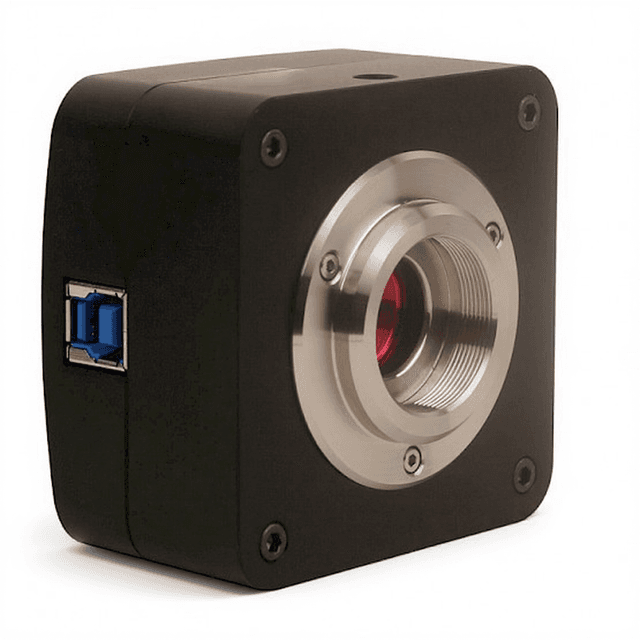
High-speed video recording from lateral view is recommended to capture foot placement errors, with slow-motion analysis capability for detailed gait assessment.
How sensitive is the test to detecting mild motor deficits?
The test is highly sensitive to subtle balance and coordination deficits, particularly when using narrower beam widths that challenge fine motor control mechanisms.
Have a question about this product?
Accessories
Enhance your setup with compatible accessories