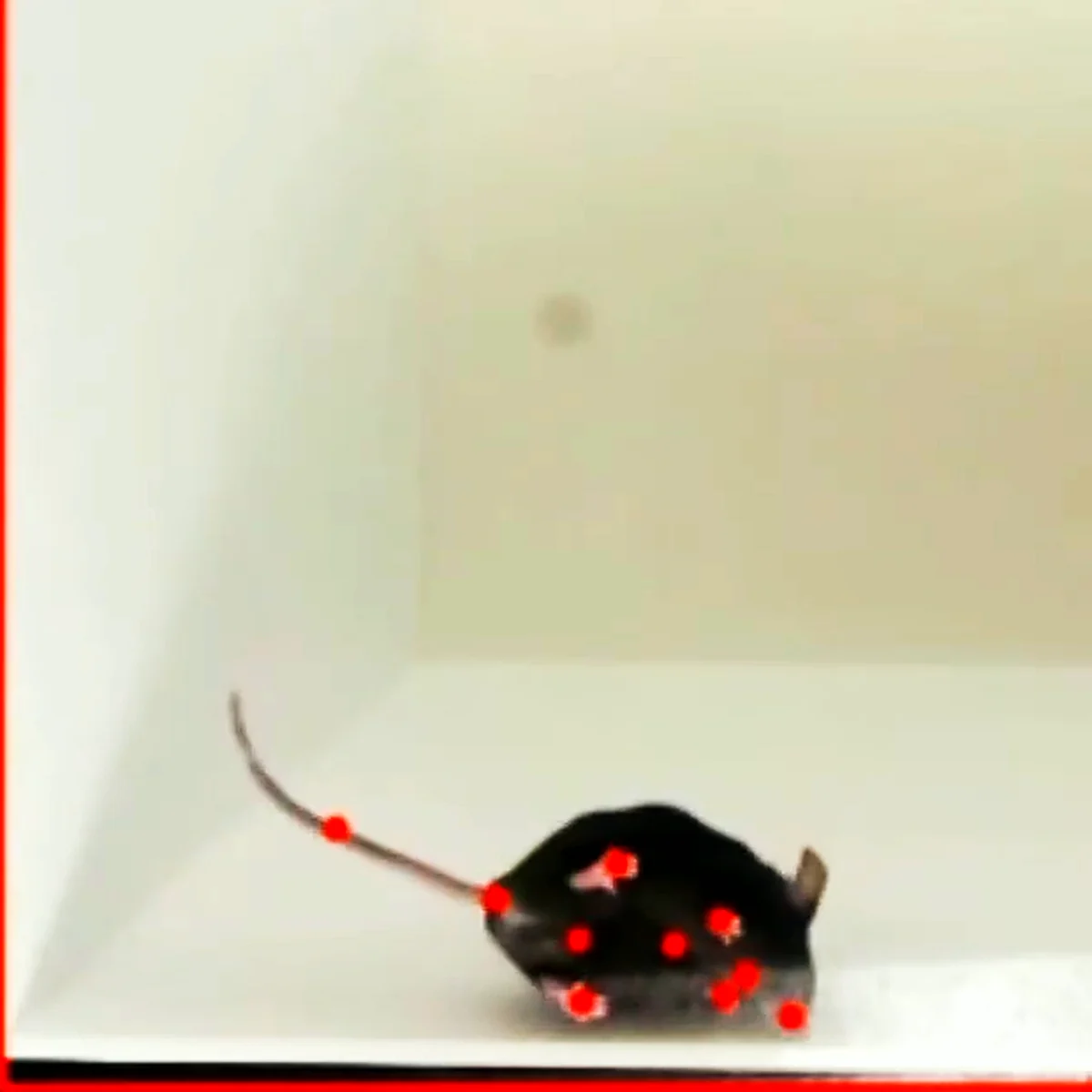

1 / 3
Neuwirth-Brown™ Attention Set-shift Test (ASST)
SKU CS-958229
$8,999.99
IncludesStandard care
Behavioral apparatus for assessing cognitive flexibility and attentional set-shifting in laboratory animals through controlled stimulus discrimination paradigms.
CE MarkedBAA available
Scientist guidance

Louise Corscadden, PhD
Director of Science · ConductScience
Ask Louise about Neuwirth-Brown™ Attention Set-shift Test (ASST) fit, setup, configuration, or quote prep.
Already working with us? Sign in to connect this with My Scientist.
Key Specifications
Full details →- Model fit
- Mouse, Rat
- SKU family
- CS-958229
- Shipping box
- 65.0 x 36.0 x 27.0 cm
- Ordering
- Online checkout and quote request available
- Category
- Behavioral Mazes
- Build notes
- Confirm accessories, station layout, and support needs before purchase
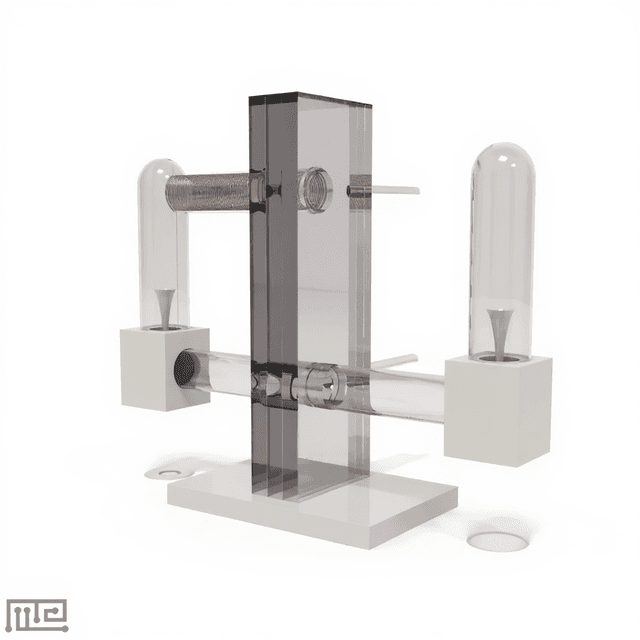
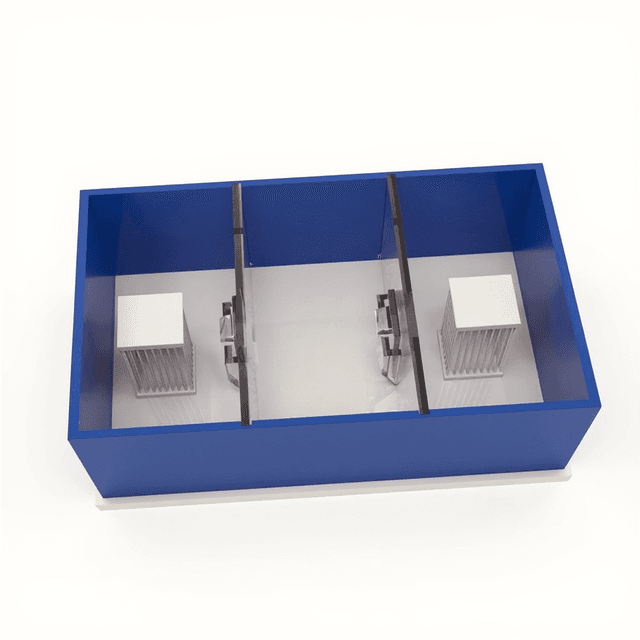
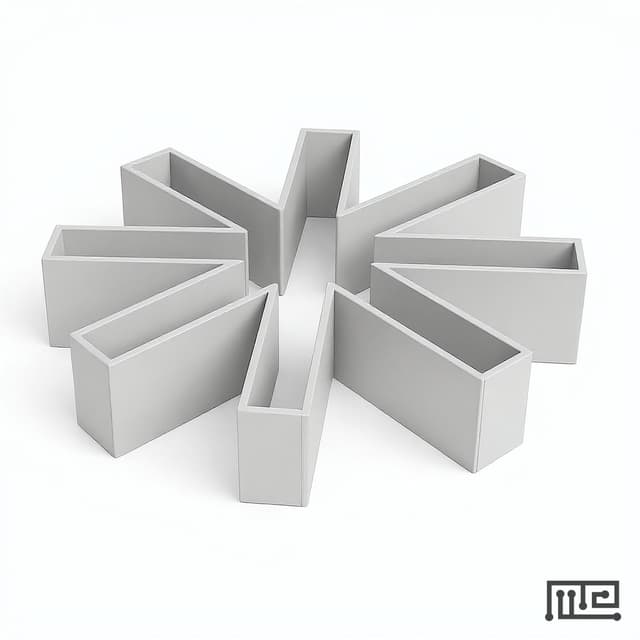
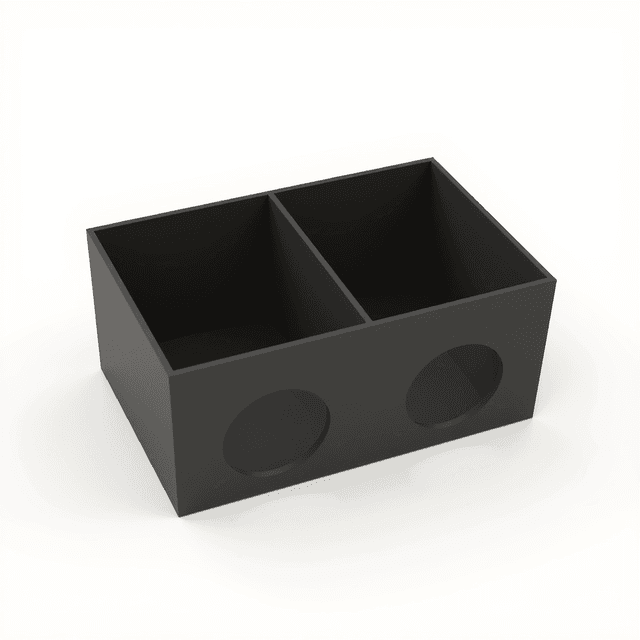
The Neuwirth-Brown™ Attention Set-shift Test (ASST) is a behavioral assessment apparatus designed to evaluate cognitive flexibility and executive function in laboratory animals. This test measures the ability of subjects to form attentional sets and subsequently shift attention between different stimulus dimensions, providing quantitative assessment of cognitive control mechanisms. The apparatus presents subjects with compound stimuli varying across multiple dimensions, allowing researchers to assess both set formation and set-shifting capabilities in controlled experimental conditions.
The ASST protocol involves training subjects to discriminate between stimuli based on one dimension (forming an attentional set), followed by reversal learning and extradimensional shifts that require attention to be redirected to a previously irrelevant dimension. This paradigm enables measurement of cognitive rigidity, behavioral flexibility, and the neural mechanisms underlying executive control. The test provides sensitive detection of cognitive deficits associated with neuropsychiatric conditions and pharmacological interventions affecting prefrontal cortex function.
How It Works
The Neuwirth-Brown™ ASST operates on established principles of cognitive psychology, specifically Wisconsin Card Sort Test methodology adapted for rodent subjects. The apparatus presents compound visual and tactile stimuli that vary systematically across multiple dimensions including texture, odor, and visual patterns. Subjects learn to discriminate between stimuli based on reward contingencies, initially focusing on one relevant dimension while ignoring others.
During set formation phases, consistent reinforcement of one stimulus dimension establishes an attentional set, measurable through response accuracy and reaction times. The critical test occurs during set-shifting phases, where the previously relevant dimension becomes irrelevant and subjects must redirect attention to a previously ignored dimension. This extradimensional shift challenges cognitive flexibility and provides quantitative measures of executive function through error analysis and learning curves.
Performance metrics include trials to criterion, error types (perseverative vs. regressive), and response latencies across different test phases. The paradigm distinguishes between simple reversal learning (same dimension, different exemplars) and complex attentional shifts (different dimensions), enabling researchers to isolate specific components of executive control and identify neural mechanisms underlying cognitive flexibility deficits.
Features & Benefits
Multi-dimensional stimulus presentation
Enables assessment of complex cognitive processes by presenting compound stimuli varying across visual, tactile, and olfactory dimensions
Standardized set-shift protocol
Provides validated methodology for measuring cognitive flexibility with established scoring criteria and performance metrics
Automated trial control
Ensures consistent stimulus timing and reinforcement delivery while reducing experimenter bias in behavioral assessment
Error classification system
Distinguishes between perseverative and regressive errors to identify specific types of cognitive deficits
Response latency measurement
Captures decision-making speed and cognitive processing efficiency beyond simple accuracy measures
Configurable difficulty parameters
Allows adjustment of task complexity to accommodate different species and experimental requirements
Real-time performance monitoring
Enables immediate assessment of subject performance and adaptive protocol modification during testing sessions
Behavioral Construct
- Cognitive Flexibility
- Executive Function
- Attentional Control
- Set Formation
- Set Shifting
- Behavioral Flexibility
Automation Level
- semi-automated
Research Domain
- Addiction Research
- Anxiety and Depression
- Behavioral Pharmacology
- Learning and Memory
- Neurodegeneration
- Neuroscience
Species
- Mouse
- Rat
Compatible Tracking Software
- ConductVision
Shipping weight
- 6.06 lb
Shipping box
- L: 65.0 cm
- W: 36.0 cm
- H: 27.0 cm
| Feature | This Product | Typical Alternative | Advantage |
|---|---|---|---|
| Cognitive Assessment Scope | Comprehensive evaluation of both attentional set formation and set-shifting capabilities | Basic discrimination tasks often assess only simple learning without cognitive flexibility components | Enables researchers to distinguish between different types of cognitive deficits and executive function components |
| Stimulus Complexity | Multi-dimensional compound stimuli across visual, tactile, and olfactory modalities | Single-dimension paradigms limit the complexity of cognitive processes that can be assessed | Provides more naturalistic cognitive challenges that better model human executive function tasks |
| Error Analysis Detail | Systematic classification of perseverative and regressive error types | Basic paradigms often provide only overall accuracy measures | Enables identification of specific cognitive mechanisms underlying performance deficits |
| Protocol Standardization | Validated methodology with established scoring criteria and performance metrics | Custom behavioral tasks may lack standardized protocols and normative data | Facilitates cross-laboratory comparisons and reproducible research outcomes |
The Neuwirth-Brown™ ASST offers comprehensive cognitive assessment capabilities through its multi-dimensional stimulus approach and detailed error analysis. The standardized protocol provides validated measures of executive function components that are difficult to assess with simpler behavioral paradigms.
Neuroscience
Investigating prefrontal cortex function and cognitive control mechanisms by measuring attentional set formation and shifting abilities in animal models.
Behavioral Pharmacology
Evaluating cognitive side effects of pharmaceutical compounds and testing potential cognitive enhancers through standardized executive function assessment.
Neurodegeneration
Characterizing cognitive decline in animal models of neurodegenerative diseases by assessing changes in behavioral flexibility and executive control.
Learning and Memory
Studying the relationship between executive function and memory formation by examining how attentional control affects learning performance.
Anxiety and Depression
Assessing cognitive symptoms associated with mood disorders by measuring attentional bias and cognitive flexibility deficits in animal models.
Addiction Research
Investigating cognitive control deficits underlying substance abuse by evaluating impaired behavioral flexibility in addiction models.
Practical Tips
Calibration
Verify stimulus presentation timing and reward delivery accuracy before each testing session.
Why: Consistent timing is critical for reliable cognitive assessment and cross-session comparisons.
Maintenance
Clean stimulus materials thoroughly between subjects and replace olfactory stimuli regularly to prevent contamination.
Why: Residual odors or textures can provide unintended cues that compromise test validity.
Best Practices
Maintain consistent testing times and environmental conditions throughout the experimental protocol.
Why: Circadian rhythms and environmental factors significantly influence cognitive performance in laboratory animals.
Data Quality
Monitor response latencies alongside accuracy measures to detect speed-accuracy trade-offs.
Why: Changes in decision-making strategy can be masked by accuracy measures alone.
Troubleshooting
If subjects show persistent side bias, increase inter-trial intervals and verify stimulus randomization.
Why: Position preferences can develop independently of stimulus learning and confound cognitive assessment.
Best Practices
Record detailed behavioral observations during testing sessions to identify potential confounding factors.
Why: Non-cognitive behaviors like stereotypy or anxiety can affect performance and require protocol adjustments.
Setup Guide
Unpack and Inspect
Remove apparatus components from packaging and verify all test chambers, stimulus materials, and control interfaces are present and undamaged.
Chamber Assembly
Assemble test chambers according to protocol specifications, ensuring proper alignment of stimulus presentation areas and response detection systems.
Stimulus Preparation
Organize stimulus materials by dimension categories and verify all textures, odors, and visual patterns are properly labeled and accessible.
Control System Setup
Connect control interfaces and verify stimulus presentation timing and reward delivery mechanisms function correctly.
Protocol Calibration
Configure test parameters including trial timing, reinforcement schedules, and criterion thresholds according to experimental requirements.
Subject Habituation
Conduct habituation sessions to familiarize subjects with the apparatus environment and basic response requirements before formal testing.
Data Collection Setup
Initialize data recording systems and verify proper logging of response latencies, choice accuracy, and behavioral observations.
What’s in the Box
- Main test apparatus with stimulus chambers (typical)
- Complete stimulus set with multiple dimensions (typical)
- Control interface and timing system (typical)
- Data collection software (typical)
- User manual with protocol specifications (typical)
- Calibration tools and reference standards (typical)
Warranty
ConductScience provides a standard one-year manufacturer warranty covering defects in materials and workmanship, with comprehensive technical support for protocol optimization and troubleshooting.
Compliance
NIH Guidelines for Laboratory Animal CareCommonly used in behavioral research conducted under institutional animal care and use committee oversight
ARRIVE GuidelinesSupports standardized behavioral assessment protocols recommended for reproducible animal research reporting
Q
What training time is typically required before subjects can perform the full ASST protocol?
A
Initial habituation requires 3-5 sessions, followed by 10-15 training sessions for set formation. Complete protocol mastery typically requires 2-3 weeks of daily testing depending on species and individual variation.
Q
How does the ASST differentiate between working memory deficits and cognitive inflexibility?
A
The protocol separates these constructs through error analysis - perseverative errors indicate inflexibility while regressive errors suggest working memory problems. Trial-by-trial performance patterns further distinguish these cognitive components.
Q
What stimulus dimensions can be independently manipulated in the test paradigm?
A
The apparatus supports visual patterns, tactile textures, and olfactory cues as primary dimensions. Each dimension includes multiple exemplars to enable both intra- and extradimensional shifts while controlling for stimulus-specific learning.
Q
How sensitive is the ASST to detecting pharmacological effects on cognition?
A
The test shows high sensitivity to compounds affecting prefrontal cortex function, with detectable effects at doses below those causing motor impairment. Set-shifting phases are particularly sensitive to dopaminergic and cholinergic manipulations.
Q
What are the key performance metrics and how should they be interpreted?
A
Primary metrics include trials to criterion, error types (perseverative vs. regressive), and response latencies. Increased trials to criterion and perseverative errors indicate cognitive inflexibility, while increased regressive errors suggest working memory deficits.
Q
Can the apparatus accommodate different species or age groups?
A
The system is configurable for different subject sizes and cognitive capabilities. Stimulus dimensions, chamber sizes, and reward magnitudes can be adjusted for various species and developmental stages.
Have a question about this product?
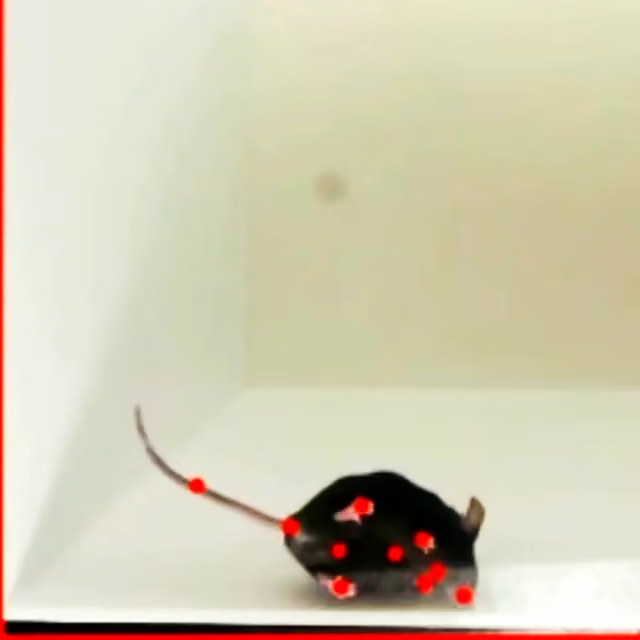
Track rodents with ConductVision
ConductVision is our video-tracking software. Record your sessions on video, and it scores standard rodent tests, such as those listed below.
Examples of tests it scores
To check whether ConductVision scores your protocol in this apparatus, ask in your quote request.
Ask a question
Have a question? Just ask.
Send it over and we'll email you a personalized answer — no call, no scheduling.
Personalized email reply
Usually within one business day
Helpful answers published here
Prefer to talk it through?
Accessories
Enhance your setup with compatible accessories

Total: $0.00
Frequently Bought Together
+
+
Total: $6,980.00


Neuwirth-Brown™ Attention Set-shift Test (ASST)
$8,999.99
Added to quoteView Quote