1 / 5
Novel Object Recognition Assay
SKU CS-958227
$2,499.99
IncludesStandard care
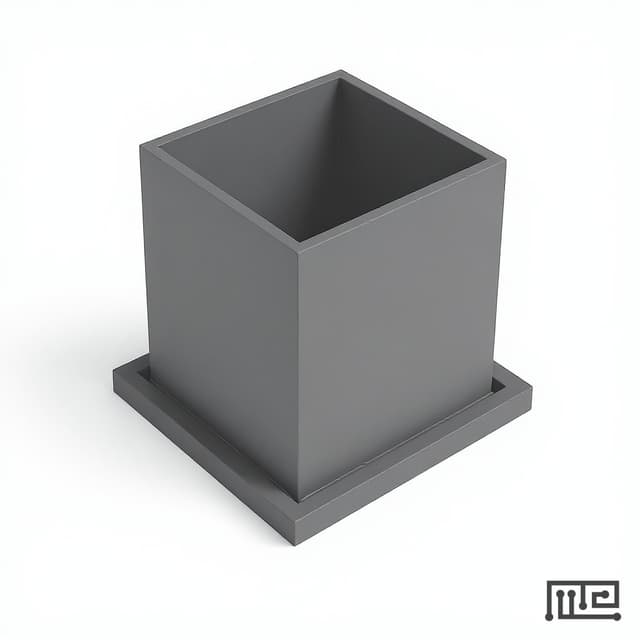
Behavioral testing apparatus for evaluating recognition memory and cognitive function through novel object discrimination protocols in rodent models.
CE MarkedBAA available
Scientist guidance

Louise Corscadden, PhD
Director of Science · ConductScience
Ask Louise about Novel Object Recognition Assay fit, setup, configuration, or quote prep.
Already working with us? Sign in to connect this with My Scientist.
Key Specifications
Full details →- Model fit
- Mouse, Rat
- SKU family
- CS-958227
- Shipping box
- 65.0 x 36.0 x 27.0 cm
- Ordering
- Online checkout and quote request available
- Category
- Behavioral Mazes
- Build notes
- Confirm accessories, station layout, and support needs before purchase
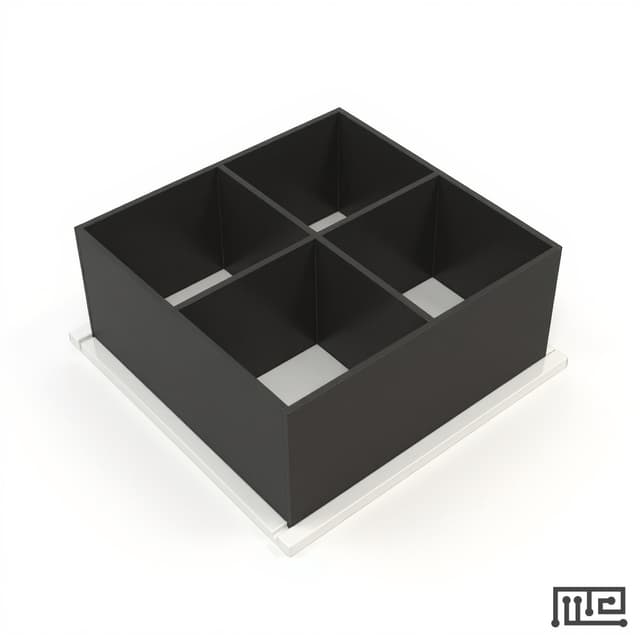
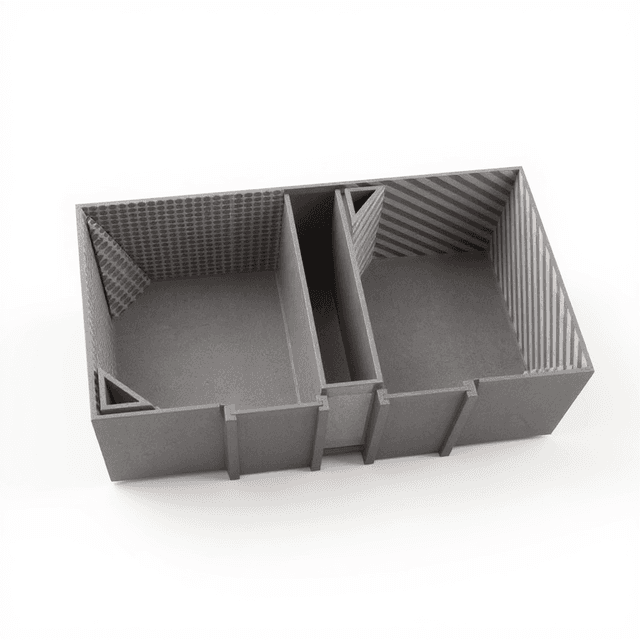
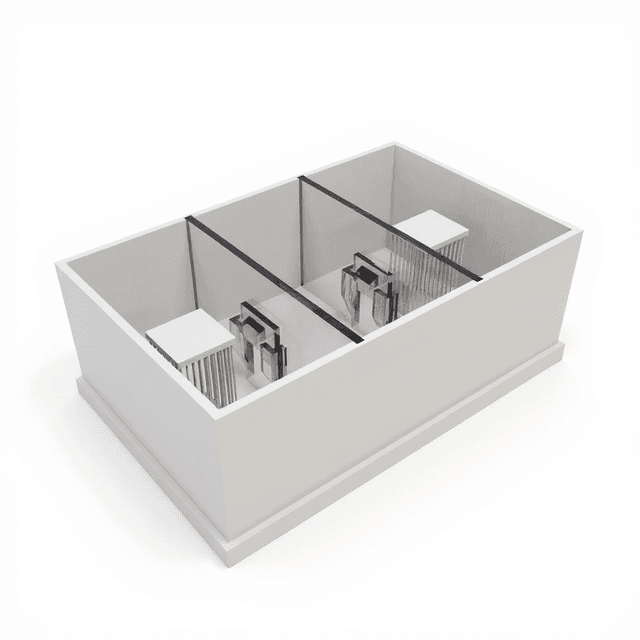
The Novel Object Recognition (NOR) assay is a well-established behavioral paradigm for evaluating cognitive function, specifically episodic-like memory and recognition capabilities in rodent models. This apparatus provides a standardized environment for conducting NOR protocols, where subjects are exposed to familiar and novel objects during distinct phases to assess their natural exploratory tendencies and memory formation.
The assay leverages rodents' innate preference for novelty, allowing researchers to quantify memory performance without the need for extensive training, food restriction, or aversive stimuli. The apparatus supports both short-term and long-term memory assessments across various research applications including aging studies, pharmacological interventions, and neurodevelopmental research.
How It Works
The Novel Object Recognition assay operates on the principle that rodents possess an innate tendency to explore novel stimuli more than familiar ones. The protocol typically consists of three phases: habituation, familiarization, and test. During habituation, subjects explore the empty arena to reduce anxiety-related behaviors. In the familiarization phase, subjects are presented with two identical objects and allowed to explore freely, establishing memory traces for these familiar items.
During the test phase, one familiar object is replaced with a novel object, and the subject's exploration time is recorded. Healthy animals with intact memory function will preferentially explore the novel object, as they recognize the familiar object from the previous session. The discrimination ratio, calculated as the difference in exploration times divided by total exploration time, provides a quantitative measure of recognition memory performance.
Features & Benefits
Open field arena design
Provides unrestricted movement and natural exploratory behavior patterns essential for valid recognition memory assessment
Standardized object positioning system
Ensures consistent spatial relationships between objects across trials, reducing variability in behavioral measurements
Compatible with video tracking systems
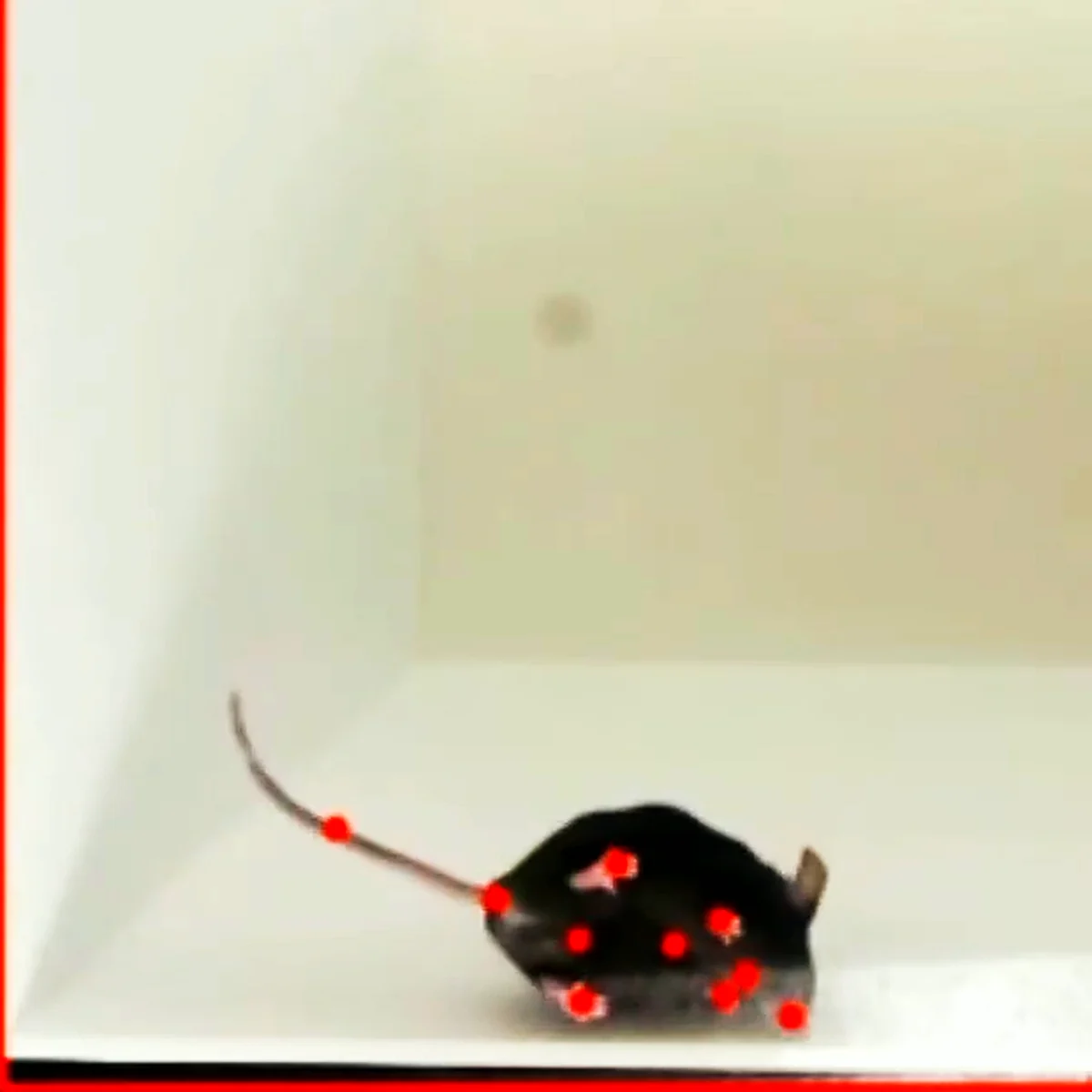
Enables automated behavioral analysis and objective quantification of exploration times and movement patterns
Modular arena components
Allows for easy cleaning between subjects and modification of arena dimensions for different experimental requirements
Non-reflective surface materials
Minimizes visual distortions and shadows that could interfere with accurate video tracking and behavioral scoring
Multiple object anchoring points
Prevents object displacement during exploration while maintaining natural interaction opportunities for reliable data collection
Behavioral Construct
- Recognition Memory
- Episodic Memory
- Cognitive Function
- Exploratory Behavior
Automation Level
- manual
Research Domain
- Aging Research
- Anxiety and Depression
- Behavioral Pharmacology
- Learning and Memory
- Neurodegeneration
- Neuroscience
Species
- Mouse
- Rat
Compatible Tracking Software
- ConductVision
Shipping weight
- 6.06 lb
Shipping box
- L: 65.0 cm
- W: 36.0 cm
- H: 27.0 cm
| Feature | This Product | Typical Alternative | Advantage |
|---|---|---|---|
| Arena Design | Open field configuration allowing natural exploratory behavior | Some systems use more restrictive enclosures that may limit movement patterns | Unrestricted movement enables assessment of natural behavioral repertoires and reduces stress-related confounds |
| Object Mounting | Integrated anchoring system for stable object positioning | Basic setups may lack secure object placement methods | Prevents object displacement during exploration while maintaining natural interaction opportunities |
| Material Construction | Easy-to-clean surfaces compatible with standard disinfectants | Some systems use materials that retain odors or are difficult to sanitize | Maintains experimental validity by eliminating olfactory cues between subjects |
| Protocol Flexibility | Adaptable for multiple memory paradigms and retention intervals | Fixed configurations may limit experimental design options | Enables comprehensive cognitive assessment across different memory domains and time scales |
This Novel Object Recognition apparatus provides a standardized platform for cognitive assessment with emphasis on experimental flexibility and data reliability. The system supports both automated and manual behavioral scoring approaches for diverse research applications.
Neuroscience
Assessing hippocampal-dependent recognition memory in transgenic mouse models to evaluate cognitive deficits associated with neurological conditions.
Behavioral Pharmacology
Evaluating the cognitive effects of pharmaceutical compounds by measuring changes in object recognition performance following drug administration.
Aging Research
Characterizing age-related cognitive decline by comparing novel object discrimination abilities between young and aged rodent cohorts.
Learning and Memory
Investigating memory consolidation processes by varying retention intervals between familiarization and test phases in recognition protocols.
Neurodegeneration
Monitoring cognitive progression in disease models by longitudinal assessment of recognition memory performance over time.
Anxiety and Depression
Examining the relationship between emotional states and cognitive function through combined behavioral paradigms incorporating object recognition tasks.
Practical Tips
Best Practices
Conduct all testing sessions at the same time of day to minimize circadian rhythm effects on exploratory behavior.
Why: Circadian variations in activity levels can significantly impact exploration times and memory performance measures.
Maintenance
Clean the arena with 70% ethanol between subjects and rotate object sets to prevent odor accumulation.
Why: Residual scents can provide unintended cues that compromise the validity of recognition memory assessments.
Calibration
Validate exploration scoring criteria by having multiple observers score the same behavioral sessions.
Why: Inter-rater reliability ensures consistent behavioral measurements and reduces subjective scoring variations.
Data Quality
Exclude subjects with total exploration times below 20-30 seconds during the test phase from final analysis.
Why: Insufficient exploration indicates lack of motivation or health issues that compromise cognitive assessment validity.
Troubleshooting
If subjects show no object preference, verify object selection criteria and consider extending familiarization periods.
Why: Adequate memory encoding requires sufficient exposure time and appropriately discriminable object characteristics.
Safety
Inspect objects before each session for sharp edges, small parts, or damage that could pose injury risks.
Why: Subject safety is paramount and damaged objects could influence behavioral responses beyond memory assessment.
Best Practices
Counterbalance object identities across subjects to control for inherent object preferences.
Why: Some objects may be intrinsically more interesting regardless of familiarity, confounding memory-based discrimination.
Setup Guide
Arena Preparation
Clean the testing arena thoroughly with appropriate disinfectant and allow to dry completely to eliminate olfactory cues from previous subjects.
Object Selection
Choose objects of similar size and complexity but distinct visual and tactile properties. Ensure objects are too heavy for subjects to displace significantly during exploration.
Recording Setup
Position video recording equipment to capture the entire arena with clear visibility of subject-object interactions for subsequent behavioral scoring.
Environmental Control
Maintain consistent lighting conditions and minimize external noise or vibrations that could affect exploratory behavior during testing sessions.
Habituation Protocol
Allow subjects to explore the empty arena for the predetermined habituation period to reduce novelty-induced stress responses.
Object Placement
Position objects at predetermined locations within the arena, ensuring adequate distance from walls and between objects to allow normal exploratory behavior.
Data Collection
Record exploration times using behavioral scoring software or manual timing methods, defining exploration as directed sniffing or touching within close proximity to objects.
What’s in the Box
- Testing arena with removable floor panels (typical)
- Object mounting system (typical)
- Arena cleaning supplies (typical)
- Protocol setup guide (typical)
- Behavioral scoring sheets (typical)
Warranty
ConductScience provides a standard one-year manufacturer warranty covering materials and construction defects, with technical support available for protocol optimization and experimental design consultation.
Compliance
ARRIVE GuidelinesSupports standardized reporting of animal research methodology through consistent experimental protocols and behavioral endpoints
IACUC Protocol RequirementsFacilitates compliance with institutional animal care standards through non-invasive behavioral assessment methods
References
Background reading relevant to this product:
1.Joanne R. Mathiasen et al. (2010) “Novel Object Recognition in the Rat: A Facile Assay for Cognitive Function” Current Protocols in Pharmacology doi:10.1002/0471141755.ph0559s49
2.Craig Weiss et al. (2015) “Eyeblink Conditioning and Novel Object Recognition in the Rabbit: Behavioral Paradigms for Assaying Psychiatric Diseases” Frontiers in Psychiatry doi:10.3389/fpsyt.2015.00142
Q
What are the optimal inter-trial intervals for assessing short-term versus long-term recognition memory?
A
Short-term memory is typically assessed with 1-4 hour delays between familiarization and test phases, while long-term memory requires 24-48 hour intervals. The specific timing depends on the research question and species-specific memory characteristics.
Q
How should objects be selected to ensure valid discrimination testing?
A
Objects should be of similar size and complexity but differ in visual, tactile, or geometric properties. They must be heavy enough to prevent displacement but safe for animal contact, with no inherent preference biases.
Q
What exploration time criteria define valid behavioral responses?
A
Active exploration is defined as directed sniffing, whisking, or touching within 1-2 cm of the object. Climbing on objects or incidental contact during general locomotion should not be scored as exploratory behavior.
Q
How can the assay be adapted for different cognitive research applications?
A
Protocol modifications include varying retention intervals, using multiple familiarization sessions, incorporating spatial displacement paradigms, or combining with pharmacological challenges to assess different memory processes.
Q
What factors can influence the validity of recognition memory measurements?
A
Arena cleanliness, consistent object positioning, adequate habituation periods, and controlled environmental conditions are critical. Subject factors include age, strain, stress levels, and previous testing experience.
Q
How should exploration data be analyzed to determine memory performance?
A
Calculate discrimination ratios as (Novel - Familiar)/(Novel + Familiar) exploration times. Values significantly above chance (0) indicate successful recognition memory, with statistical analysis comparing against chance performance.
Have a question about this product?
Track rodents with ConductVision
ConductVision is our video-tracking software. Record your sessions on video, and it scores standard rodent tests, such as those listed below.
Examples of tests it scores
To check whether ConductVision scores your protocol in this apparatus, ask in your quote request.
Ask a question
Have a question? Just ask.
Send it over and we'll email you a personalized answer — no call, no scheduling.
Personalized email reply
Usually within one business day
Helpful answers published here
Prefer to talk it through?
Accessories
Enhance your setup with compatible accessories

Total: $0.00
Frequently Bought Together
+
+
Total: $2,530.00

Novel Object Recognition Assay
$2,499.99
Added to quoteView Quote
