Required

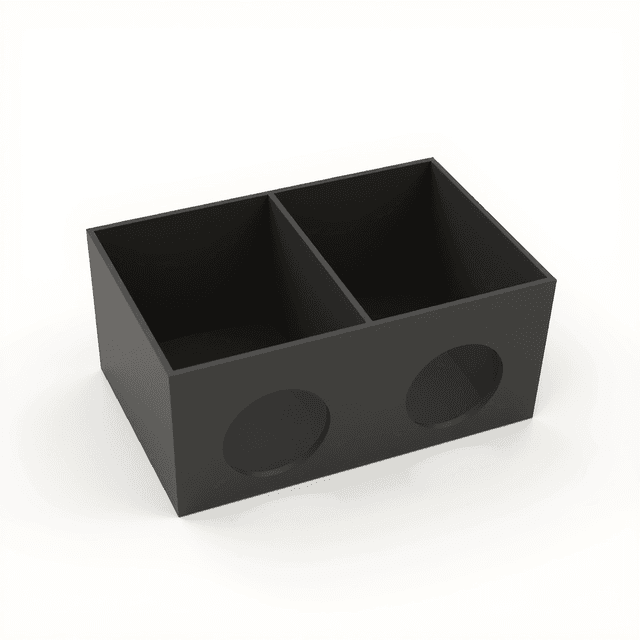
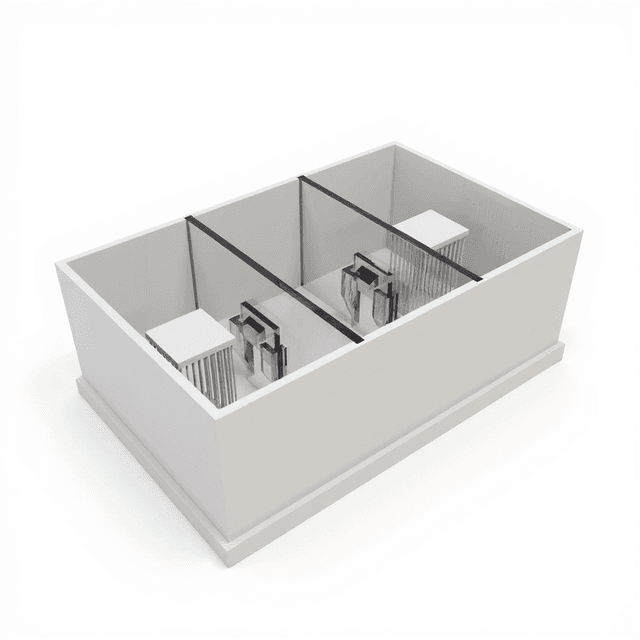
Operant Conditioning Base Chamber
ME-OC-BASE$2,890.00
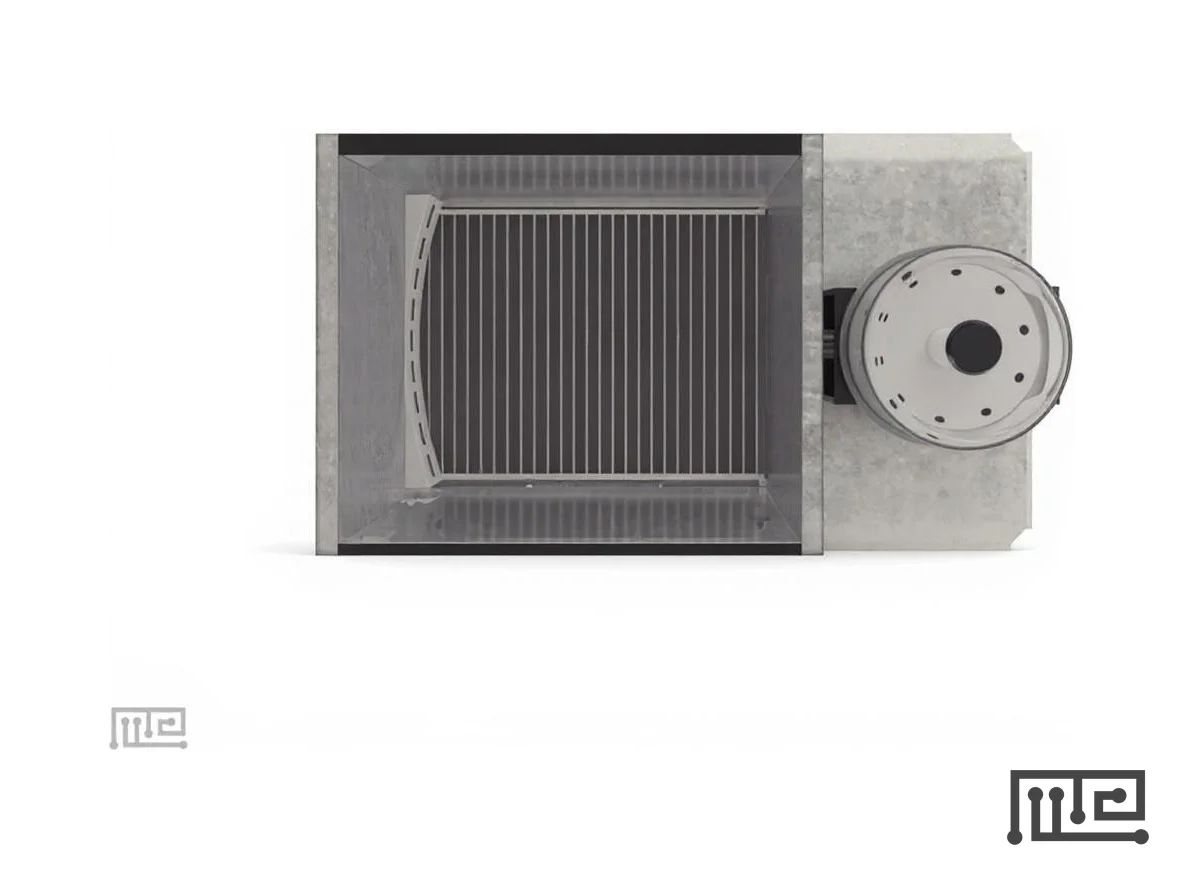
Modular operant conditioning system.
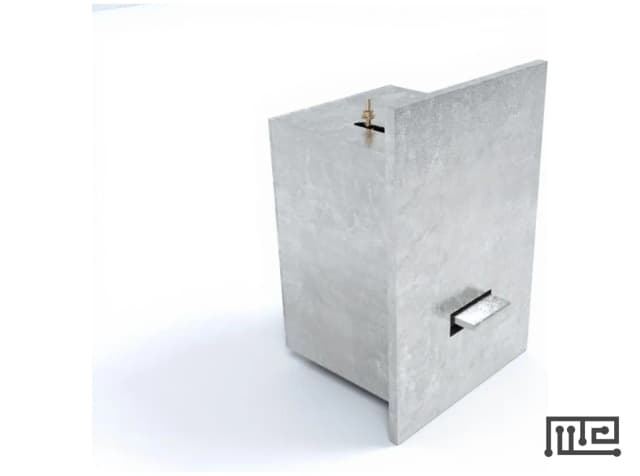
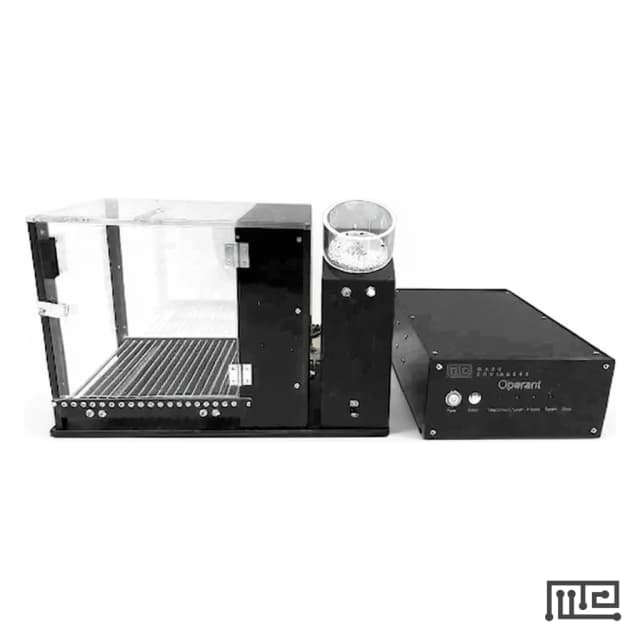
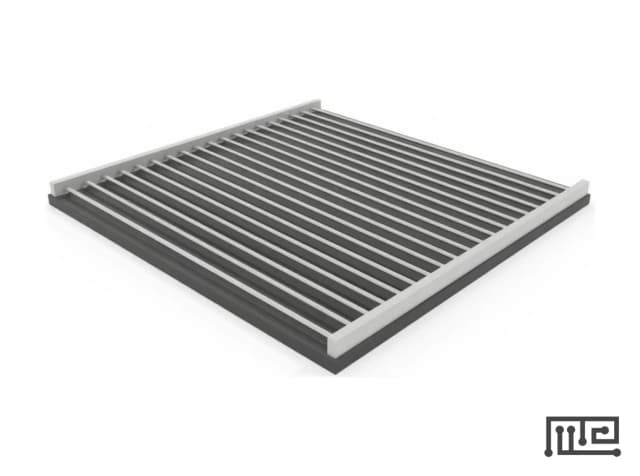
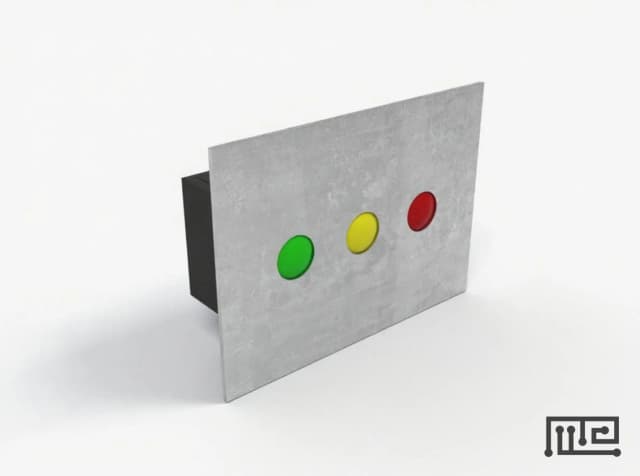
Select a base chamber (Mouse or Rat) and add the modules your protocol requires: levers, nose pokes, pellet dispensers, lickometers, shock grids, cue lights, speakers, sound attenuating enclosure, TTL interface, syringe pump, and software.
From 2021 to 2025, 915 animal research papers mentioned operant conditioning. The count covers the test on any apparatus, not only this one.
Choose the optional items you need. Your price and quote update with your selection.


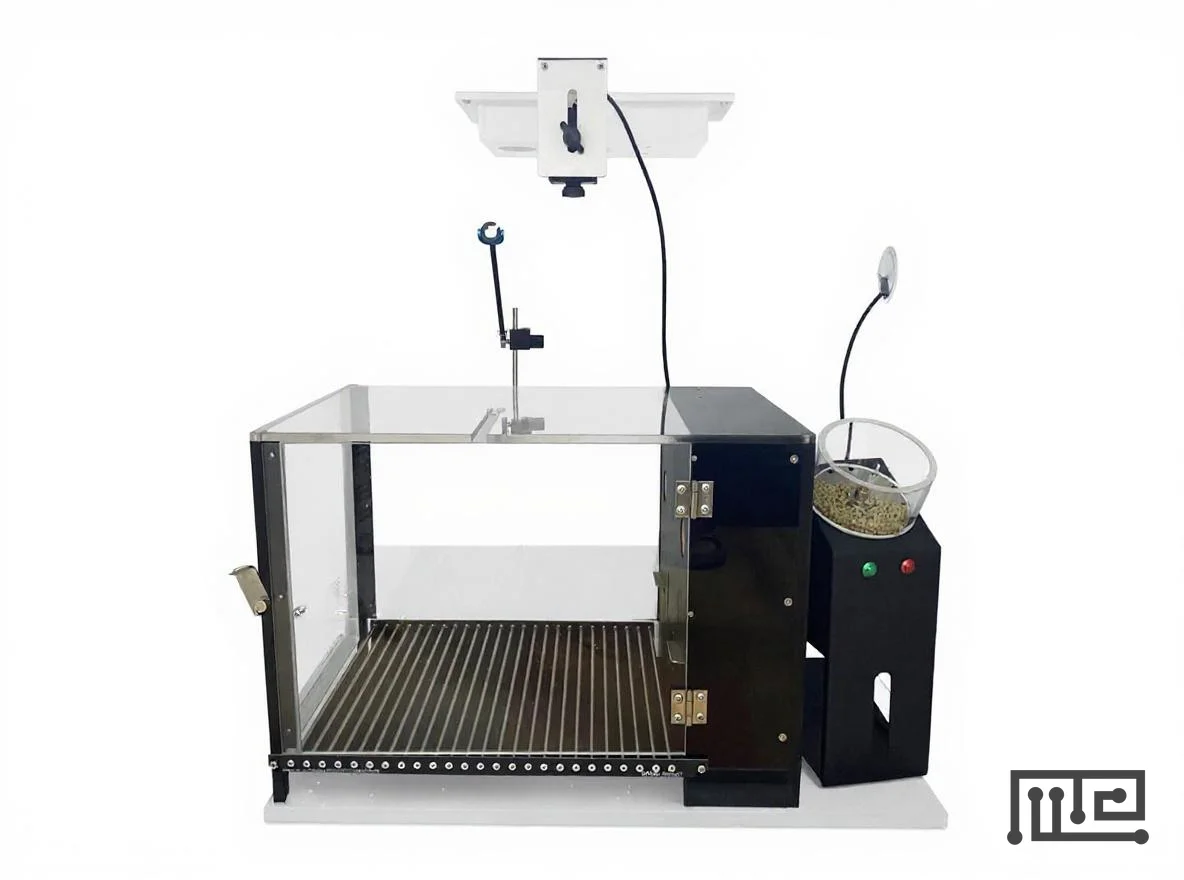
The Maze Engineers Operant Conditioning Chamber is a fully modular behavioral research platform. Start with the base chamber for your species (Mouse or Rat), then add only the modules your experimental protocol requires.
Step 1: Select your base chamber (Mouse or Rat).
Step 2: Choose your response mechanism — Retractable Levers or Nose Poke Sensors.
Step 3: Choose your reinforcement — Pellet Dispenser, Lickometer, or Syringe Pump.
Step 4: Add stimulus modules — LED Cue Lights, Tone Speaker, or Shock Grid.
Step 5: Add a Sound Attenuating Enclosure for acoustic isolation (recommended).
Step 6: Add a TTL Interface Module to synchronize with electrophysiology, fiber photometry, calcium imaging, or optogenetics systems.
Step 7: Add Conduct Software to control up to 16 chambers simultaneously.
A typical lever-press food reward setup: Base Chamber + Retractable Levers + Pellet Dispenser + LED Cue Lights + Tone Speaker + Shock Grid + Sound Attenuating Enclosure = $7,890 (Mouse) / $8,190 (Rat).
TTL Interface Module available as add-on for neuroscience recording integration ($390).
This ID comes from the Measurement Method Ontology (MMO). Use it in data records and methods sections.
MMO:0000601Data sharing
RO-Crate is an open standard for sharing data: one metadata file, kept with the data, says what each file is and how it was made. When you share data from work that used this equipment, list it in that file in three steps.
"@graph", with a comma between it and each item next to it.{
"@id": "#operant-chamber-builder-unit",
"@type": "IndividualProduct",
"name": "Operant Chamber Builder",
"model": {
"@id": "https://conductscience.com/lab/operant-chamber-builder"
},
"manufacturer": {
"@id": "https://maze.conductscience.com/"
}
}Its "model" is this page’s address. If yours has a serial number, add "serialNumber": "<serial number>" inside the item’s braces. If you have more than one, paste one item for each, with its own "@id"."@type" is "CreateAction". Name your Operant Chamber Builder as its instrument:"instrument": { "@id": "#operant-chamber-builder-unit" }Tracked your videos with ConductVision? List it as a second instrument: How to use with ConductVision
The entry is only one part of your RO-Crate, written to RO-Crate 1.3’s rule for equipment used to create files.
Specifications, models, materials, and operating envelopes
What is the minimum configuration I need?
The base chamber plus at least one response mechanism and one reinforcement source for a functional operant setup.
How does pricing work?
You pay for exactly what you select. Base starts at $2,890 (Mouse) or $3,190 (Rat). A fully loaded standard configuration totals $7,890 (Mouse) or $8,190 (Rat).
Can I add modules later?
Yes. All modules use standardized mounting points and can be added at any time.
Research data
915 animal research papers in PubMed from 2021 to 2025 mention operant conditioning
23% fewer than the 1,190 papers from 2011 to 2015
These counts are for the test, whoever made the apparatus, not for this product.
The lists below cover 2021 to 2025, the years in the band.
Hover over a bar to see its year. Click or tap a bar to show only that year in the lists below, or drag across the bars to show a span of years. On a keyboard, use the arrow keys on the chart to read each year, and the menus below it to pick the years.
A paper can mention more than one species, test or condition, so the percentages can add up to more than 100%.
To put a whole battery on one quote, open the test battery tool and start from operant conditioning. Pick the other tests your study will run, then add the apparatus we sell for each.
By papers from 2021 to 2025, operant conditioning ranks 18th of the 90 tests we track.
Of the 915 papers from 2021 to 2025, 202 name lever presses or nose pokes in the title or abstract, more than any other measure.
Next come accuracy (35 papers) and breakpoint (30 papers).
Papers per year for the 6 measures we trackConductVision is our video-tracking software. Record your sessions on video, and it reports the measures listed below.
Needs the Advanced Rodent Module.
Operant Conditioning Chamber: How it scores this testThe Advanced Rodent Module is an add-on to the ConductVision license.
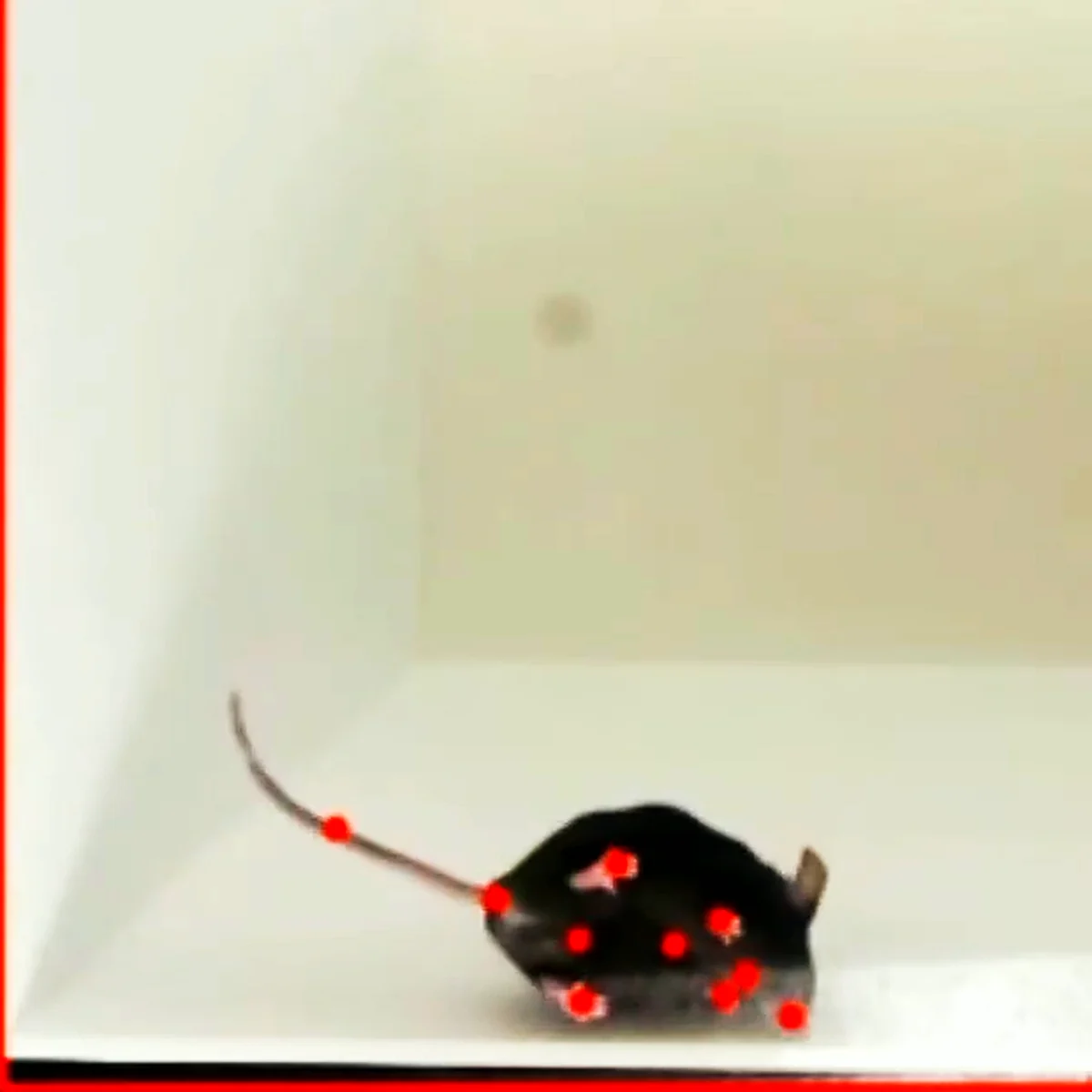
A 5-year license is $3,990 in total.
The Advanced Rodent Module runs on this license. On its own, the license scores standard tests such as the open field, the elevated plus maze, the Y-maze and the Morris water maze. Results export as CSV files.
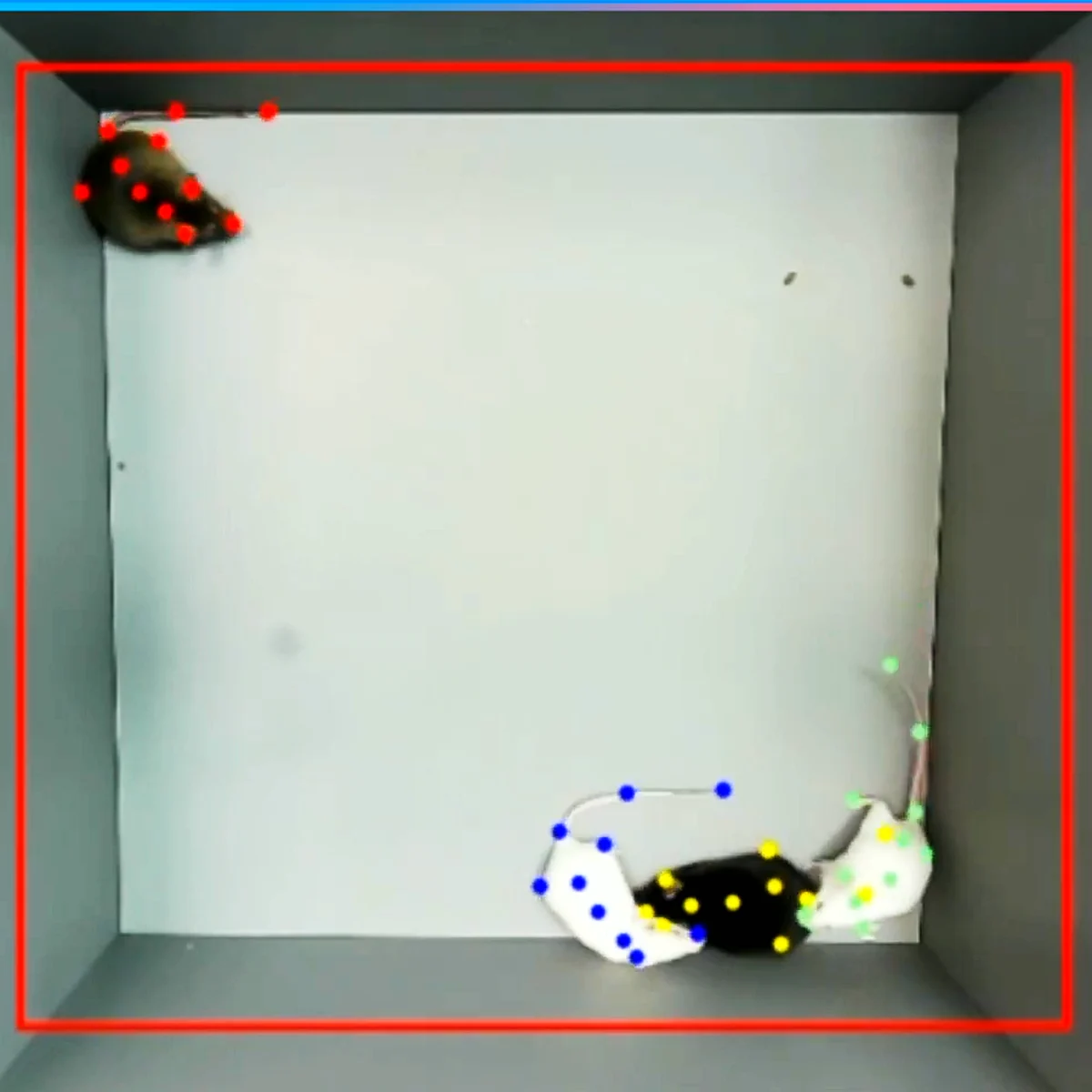
A 5-year module license is $3,990 in total.
Send it over and we'll email you a personalized answer, with no call or scheduling.
Prefer to talk it through?