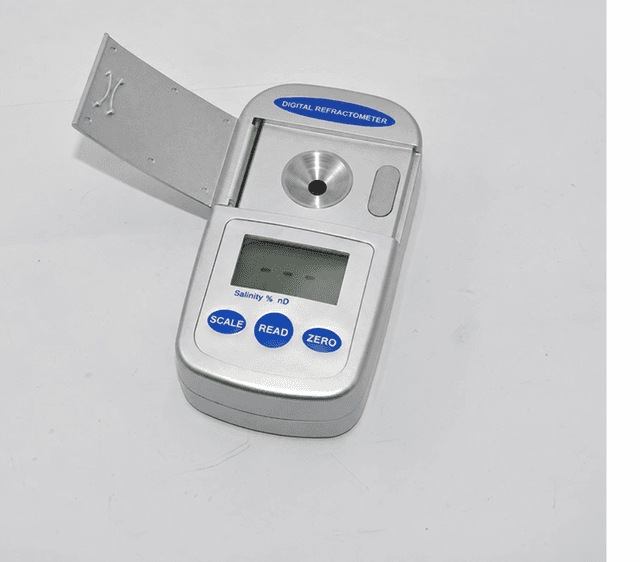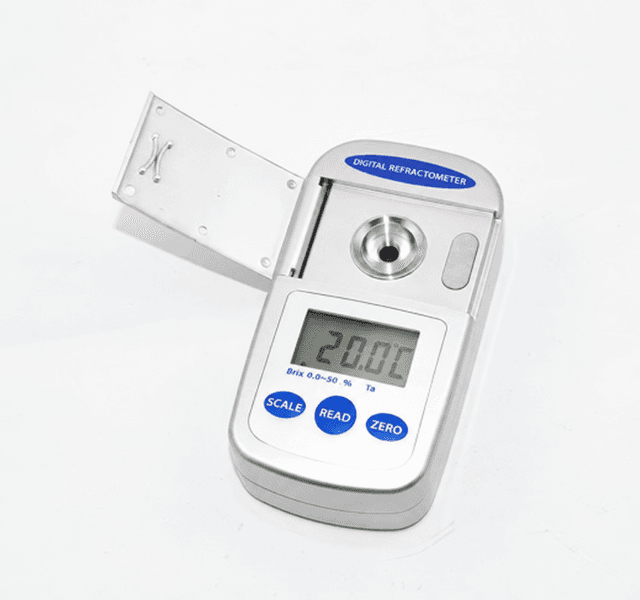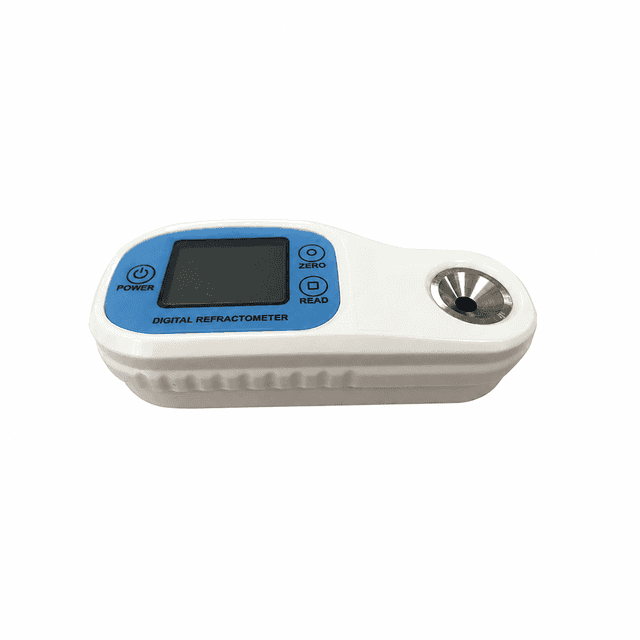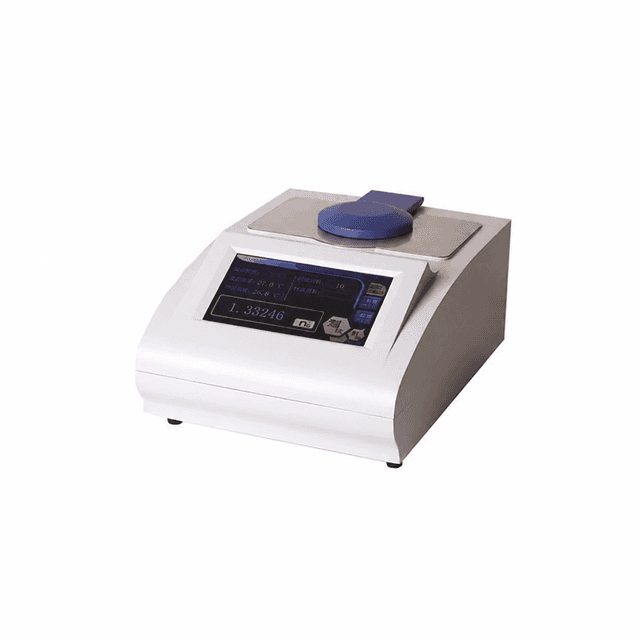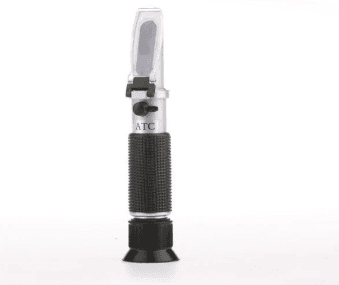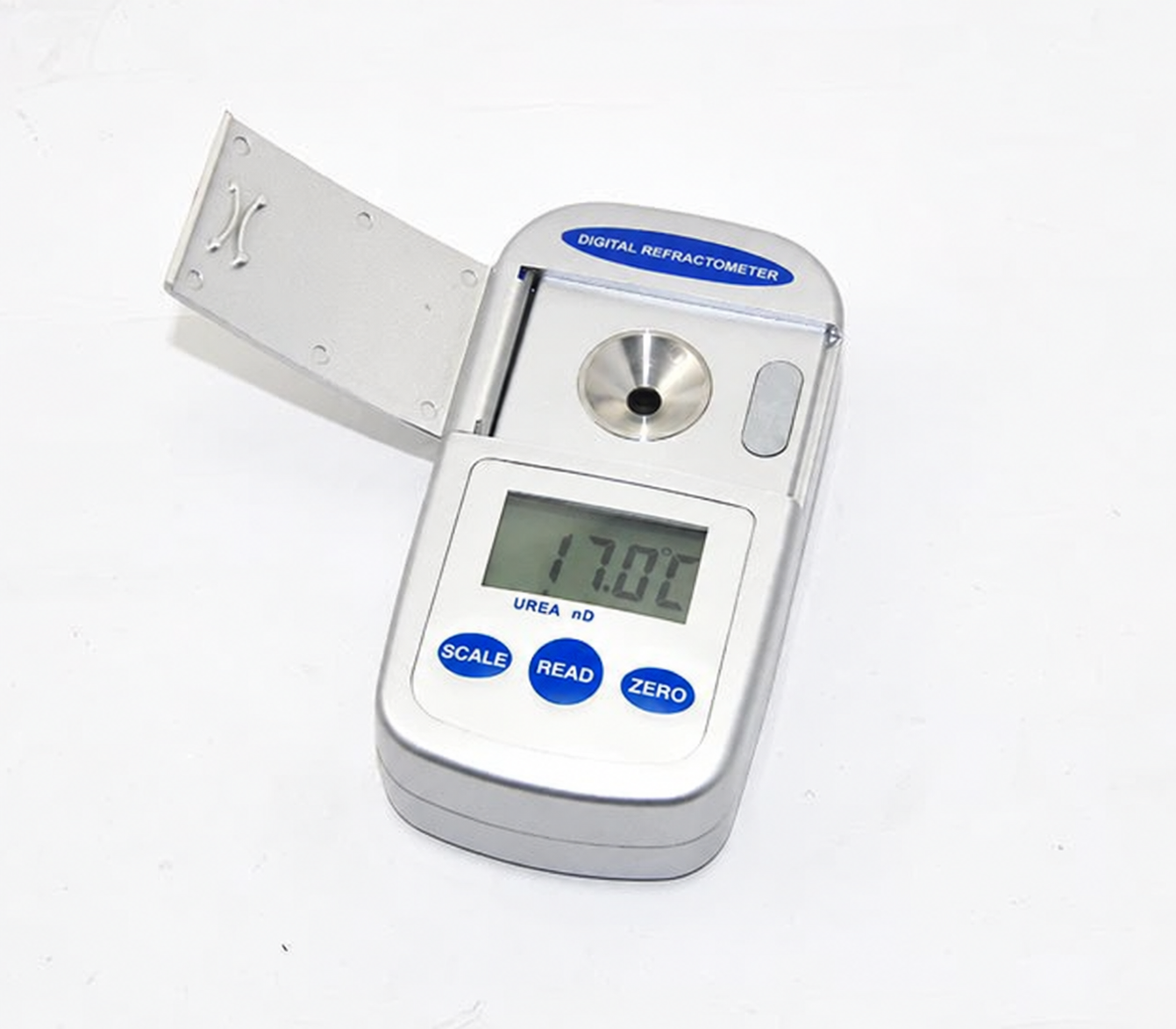
Optical Brix Refractometer
Precision optical refractometer for Brix and refractive index measurements with range 1.3330-1.4098 nD, designed for food science and analytical laboratory applications.

Louise Corscadden, PhD
Director of Science · ConductScience
Ask Louise about Optical Brix Refractometer fit, setup, configuration, or quote prep.
Already working with us? Sign in to connect this with My Scientist.
Key Specifications
Full details →- Model fit
- Configured during quote
- SKU family
- CS-LH-REF020
- Shipping box
- 20.0 x 10.0 x 5.0 cm
- Ordering
- Online checkout and quote request available
- Category
- Refractometers
- Build notes
- Confirm accessories, station layout, and support needs before purchase
The Optical Brix Refractometer CS-LH-REF020 is a precision optical instrument designed for measuring soluble solids concentration (Brix) and refractive index in aqueous solutions. This refractometer features a dual-scale design with Brix measurement capability and refractive index range of 1.3330-1.4098 nD, making it suitable for both food science applications and general laboratory analysis.
The instrument utilizes optical refraction principles to provide rapid, accurate measurements without sample preparation requirements. The optical system delivers precise readings for quality control and research applications where concentration determination is critical to experimental protocols and product development workflows.
How It Works
The refractometer operates on the principle of total internal reflection and Snell's law of refraction. When light passes from a sample solution into the optical prism, the critical angle of refraction depends on the solution's refractive index, which correlates directly with dissolved solids concentration.
The optical system consists of a daylight plate, prism assembly, and compensator that corrects for dispersion effects. Light enters the sample interface, undergoes refraction based on the solution's optical density, and creates a distinct boundary line visible through the eyepiece. The position of this boundary corresponds to specific Brix values on the internal scale.
Temperature compensation may be incorporated to account for thermal effects on refractive index measurements. The instrument provides immediate readings without requiring sample dilution or chemical preparation, making it suitable for rapid analysis protocols.
Features & Benefits
Optical refractometerCNN25
- ADBLUE
RI(nD)
- 1.3330-1.4098
Automation Level
- manual
Brand
- ConductScience
Research Domain
- Analytical Chemistry
- Environmental Monitoring
- Food Science
- Industrial Hygiene
- Pharmaceutical QC
Shipping weight
- 0.26 lb
Shipping box
- L: 20.0 cm
- W: 10.0 cm
- H: 5.0 cm
| Feature | This Product | Typical Alternative | Advantage |
|---|---|---|---|
| Measurement Method | Optical refraction with manual reading | Entry-level models may use simpler optical systems without dispersion compensation | Direct optical measurement provides immediate results without electronic complexity or power requirements |
| Refractive Index Range | 1.3330-1.4098 nD | Basic models often cover narrower ranges or single-scale operation | Wide measurement range accommodates diverse solution concentrations from dilute to moderately concentrated |
| Scale Configuration | Dual-scale with Brix and refractive index | Single-scale instruments require conversion calculations | Simultaneous access to both measurement units eliminates manual conversion steps in analytical workflows |
| Optical Design | Includes dispersion compensator | Budget instruments may lack chromatic aberration correction | Compensated optics improve measurement accuracy by reducing wavelength-dependent errors |
This refractometer offers dual-scale capability with refractive index range 1.3330-1.4098 nD and optical compensation features. The instrument combines manual simplicity with precision optics for laboratory and field applications requiring immediate concentration measurements.
Practical Tips
Use fresh distilled water for zero calibration and verify with certified reference standards before critical measurements.
Why: Water quality and reference standard accuracy directly affect measurement traceability and reliability.
Clean optical surfaces immediately after use with distilled water and store in protective case to prevent scratching.
Why: Optical surface damage or contamination permanently affects light path and measurement accuracy.
Allow samples and instrument to equilibrate to room temperature before measurement for consistent results.
Why: Temperature differences create thermal gradients that alter refractive index readings and introduce systematic errors.
If boundary line appears fuzzy or difficult to locate, ensure adequate sample coverage and check for air bubbles on prism surface.
Why: Incomplete sample contact or trapped air disrupts the optical interface required for sharp boundary formation.
Take multiple readings and record the average value, especially for samples near detection limits or critical thresholds.
Why: Replicate measurements reduce random error and improve statistical confidence in concentration determinations.
Avoid using corrosive or reactive samples that may damage optical components or create safety hazards.
Why: Chemical incompatibility can permanently damage the instrument and expose users to harmful vapors or contact.
Document calibration standards, environmental conditions, and any sample preparation steps for measurement traceability.
Why: Comprehensive records enable method validation and troubleshooting of anomalous results in regulated environments.
Setup Guide
What’s in the Box
- Optical Brix refractometer main unit
- Calibration adjustment tool (typical)
- Cleaning cloth or tissue (typical)
- User manual and calibration instructions
- Protective carrying case (typical)
Warranty
ConductScience provides a one-year manufacturer warranty covering optical components and mechanical adjustments. Technical support includes calibration guidance and troubleshooting assistance for measurement protocols.
Compliance
References
Background reading relevant to this product:
What is the accuracy and precision of Brix measurements with this refractometer?
Consult product datasheet for specific accuracy specifications. Precision depends on proper calibration, sample temperature, and operator technique in reading the boundary line position.
Can this instrument measure non-aqueous solutions or organic solvents?
The refractive index range 1.3330-1.4098 nD is optimized for aqueous solutions. Compatibility with organic solvents should be verified against solvent refractive index values and prism material compatibility.
How frequently should calibration be performed for reliable results?
Calibrate daily or before each measurement session using distilled water and verify with known standards. Environmental changes or optical surface contamination may require more frequent calibration.
What is the minimum sample volume required for accurate measurements?
Typically requires 2-3 drops to cover the prism surface adequately. Insufficient sample volume may create air gaps affecting boundary line visibility and measurement accuracy.
Does this refractometer provide automatic temperature compensation?
Temperature compensation method should be verified in product specifications. Manual temperature correction may be required using temperature coefficient tables for accurate results.
How does sample turbidity or color affect measurement accuracy?
High turbidity can obscure the boundary line, reducing measurement precision. Clear or filtered samples provide optimal results. Colored samples may require wavelength considerations for accuracy.
Can this instrument interface with data logging systems for automated recording?
This appears to be a manual optical instrument requiring visual reading. Electronic data capture would require manual transcription unless specifically equipped with digital output capabilities.
Have a question about this product?
Have a question? Just ask.
Send it over and we'll email you a personalized answer — no call, no scheduling.
Prefer to talk it through?