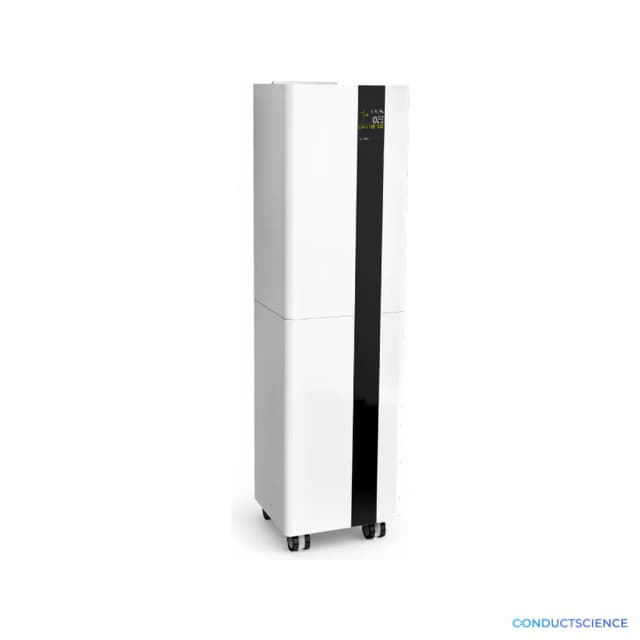
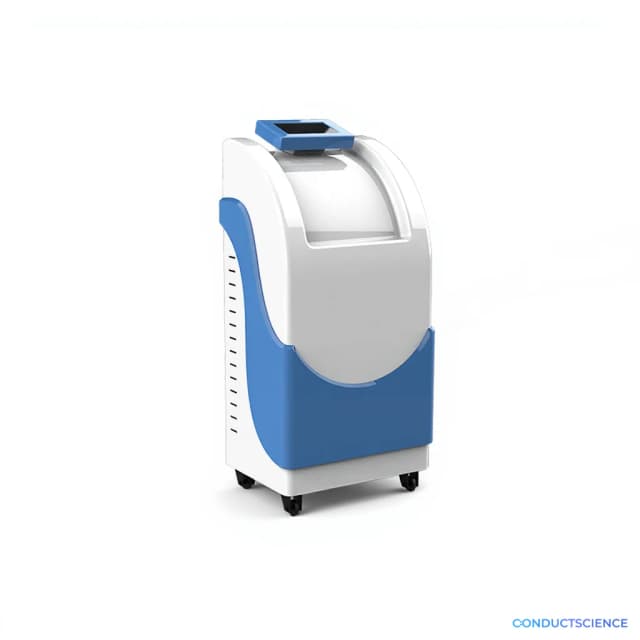
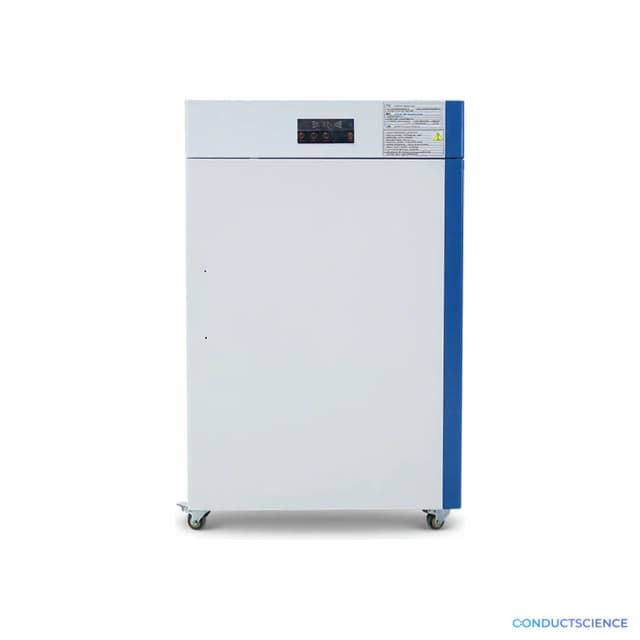
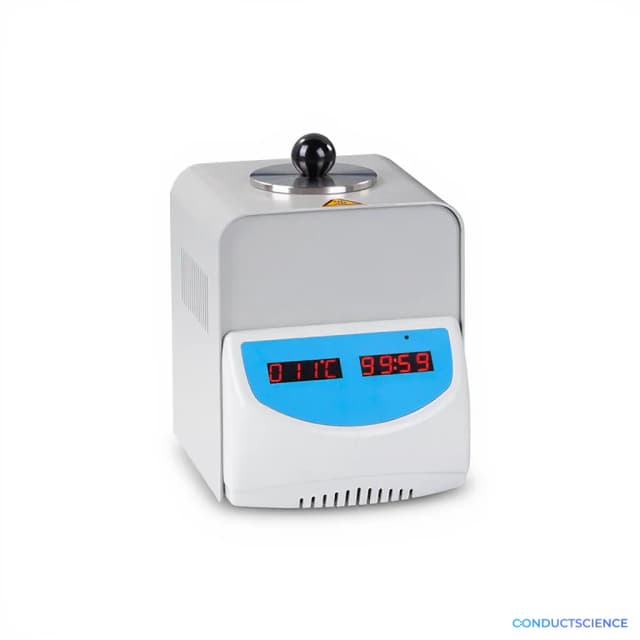
Ozone Air Sterilizer
Mobile ozone-based air sterilization system generating 20g/h ozone for decontamination of enclosed spaces up to 60m³.
| Automation Level | semi-automated |
| Type | Mobile |
| Disinfection Type | Ozone |
| Applicable Space | 60m³ |
| Ozone Generation | 20g/h |
| Ozone Concentration | 129.45mg/m³ |
The Ozone Air Sterilizer is a mobile disinfection system designed for laboratory and clinical environments requiring ambient air decontamination. This ozone-based sterilization unit generates 20g/h of ozone to achieve a concentration of 129.45mg/m³ within enclosed spaces up to 60m³. The system demonstrates bactericidal efficacy with a 99.99% sterilization rate against Staphylococcus albus and a 94% natural bacteria extinction rate.
The compact mobile design allows for flexible deployment across multiple laboratory spaces, making it suitable for routine environmental decontamination protocols. The unit operates at ≤130W power consumption while maintaining effective ozone generation rates for controlled air sterilization applications.
How It Works
Ozone sterilization operates through the oxidative disruption of microbial cell walls and essential cellular components. The system generates ozone (O₃) through electrical discharge or UV photolysis, producing a highly reactive oxidizing agent that penetrates cell membranes and denatures proteins, lipids, and nucleic acids within microorganisms.
This unit achieves ozone concentrations of 129.45mg/m³ through controlled generation at 20g/h, ensuring sufficient contact time and concentration for effective microbial inactivation. The ozone molecules react with organic matter, including bacterial cell walls, viral capsids, and spore structures, leading to irreversible cellular damage and organism death. Following exposure, ozone naturally decomposes to oxygen, leaving no chemical residues.
Features & Benefits
Automation Level
- semi-automated
Type
- Mobile
Disinfection Type
- Ozone
Applicable Space
- 60m³
Ozone Generation
- 20g/h
Ozone Concentration
- 129.45mg/m³
Natural Bacteria Extinction Rate
- 94%
Sterilization Rate of Staphylococcus Albus
- 99.99%
Consumption
- ≤130W
External Size(W*D*H)
- 198*206*485mm
Package Size(W*D*H)
- 270*280*500mm
Brand
- ConductScience
Research Domain
- Cell Biology
- Clinical Diagnostics
- Environmental Monitoring
- Food Science
- Microbiology
- Pharmaceutical QC
Weight
- 8.8kg
Weight
- 7.2 kg
Dimensions
- L: 48.5 mm
- W: 19.8 mm
- H: 20.6 mm
Comparison Guide
| Feature | This Product | Typical Alternative | Advantage |
|---|---|---|---|
| Ozone Generation Rate | 20g/h continuous generation | Entry-level units often provide 5-10g/h output | Higher generation rates enable shorter treatment cycles and more effective sterilization in larger spaces |
| Coverage Area | 60m³ treatment capacity | Smaller portable units typically handle 20-40m³ | Accommodates standard laboratory rooms and equipment storage areas in single treatment cycle |
| Mobility Design | 7.2kg portable unit with compact footprint | Fixed installations require permanent mounting | Enables flexible deployment across multiple laboratory spaces without infrastructure modifications |
| Power Consumption | ≤130W efficient operation | Higher-output systems often require 200-500W | Compatible with standard laboratory electrical systems without dedicated high-power circuits |
| Validated Efficacy | 99.99% Staphylococcus albus kill rate documented | Many units lack standardized efficacy testing data | Provides quantitative performance data for protocol validation and regulatory documentation |
This sterilizer combines high ozone generation capacity with mobile flexibility, offering 20g/h output for 60m³ spaces while maintaining efficient power consumption. The documented 99.99% efficacy against Staphylococcus albus provides validated performance data for laboratory applications requiring reliable air decontamination.
Practical Tips
Verify ozone concentration using calibrated detection equipment monthly to ensure consistent 129.45mg/m³ output.
Why: Generation element efficiency decreases over time, affecting sterilization effectiveness.
Clean air intake filters weekly and inspect ozone generation chamber for debris buildup.
Why: Contaminated components reduce ozone generation efficiency and may cause system failure.
Position unit centrally in treatment area and remove or cover sensitive electronic equipment before operation.
Why: Central placement ensures uniform ozone distribution while protecting equipment from oxidative damage.
Install ozone monitoring alarms in adjacent areas to detect gas leakage during treatment cycles.
Why: Early leak detection prevents personnel exposure to hazardous ozone concentrations.
Document treatment parameters including space volume, cycle duration, and post-treatment ventilation time for each use.
Why: Consistent documentation enables protocol optimization and regulatory compliance verification.
If sterilization efficacy decreases, check for air leaks in treatment space and verify proper door/window sealing.
Why: Ozone loss through leaks reduces effective concentration and compromises sterilization performance.
Schedule treatments during off-hours to minimize laboratory workflow disruption and ensure adequate ventilation time.
Why: Extended ventilation periods ensure complete ozone decomposition before personnel return to work areas.
Setup Guide
What’s in the Box
- Ozone Air Sterilizer main unit
- Power cord and adapter (typical)
- Operating manual and safety guidelines (typical)
- Warning signage for treatment areas (typical)
Warranty
ConductScience provides standard manufacturer warranty coverage with technical support for troubleshooting and maintenance guidance. Typical coverage includes one-year parts and labor warranty with remote diagnostic assistance.
Compliance
What is the effective treatment time for complete air sterilization?
Treatment duration depends on contamination level and space volume. Typical cycles range from 30 minutes to 2 hours, with the unit maintaining 20g/h ozone generation throughout the cycle. Monitor ozone concentration and extend treatment time for heavily contaminated environments.
How do I verify sterilization efficacy in my specific application?
Use biological indicators or air sampling before and after treatment to validate efficacy. The unit achieves 99.99% kill rate against Staphylococcus albus, but validation with target organisms relevant to your application is recommended for protocol development.
What safety precautions are required during operation?
Complete personnel evacuation is mandatory during ozone generation due to respiratory hazards. Allow minimum 30-minute post-treatment ventilation before re-entry and ensure ozone odor has completely dissipated before resuming normal laboratory activities.
Can this unit be used in spaces larger than 60m³?
The unit is designed for optimal performance in spaces up to 60m³. Larger spaces may require longer treatment times or multiple units to achieve effective ozone concentrations for reliable sterilization.
How does ozone concentration affect different types of microorganisms?
Gram-positive bacteria like Staphylococcus show high sensitivity (99.99% kill rate), while spore-forming organisms may require longer exposure times. Consult product datasheet for specific pathogen susceptibility data relevant to your application.
What maintenance is required for consistent performance?
Regular cleaning of ozone generation components and verification of output concentration are essential. Replace ozone generation elements according to manufacturer schedule and calibrate concentration measurements periodically.
How does this compare to UV-C or chemical sterilization methods?
Ozone provides gas-phase sterilization that penetrates enclosed spaces and equipment surfaces without requiring direct line-of-sight like UV-C. Unlike chemical fumigants, ozone decomposes naturally to oxygen without leaving residues.
Have a question about this product?
Accessories
Enhance your setup with compatible accessories
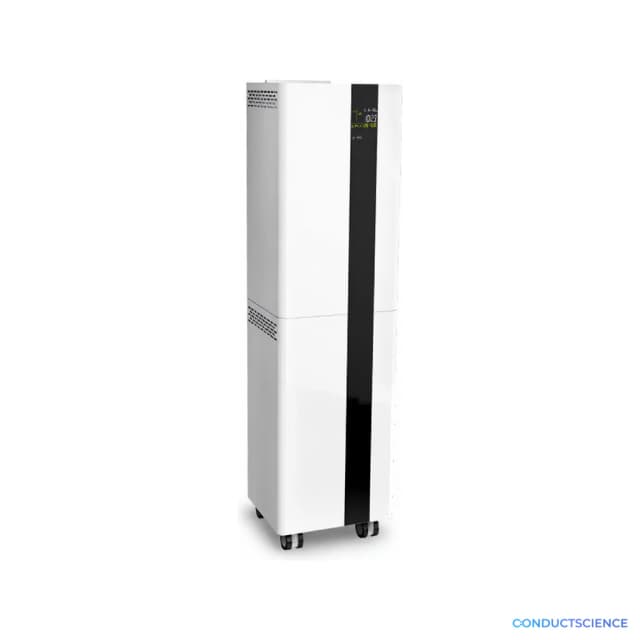
Frequently Bought Together
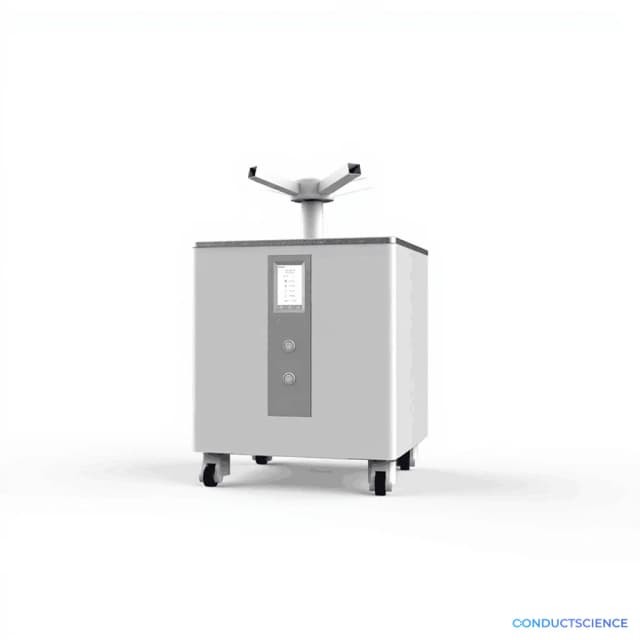
Upgrade Options