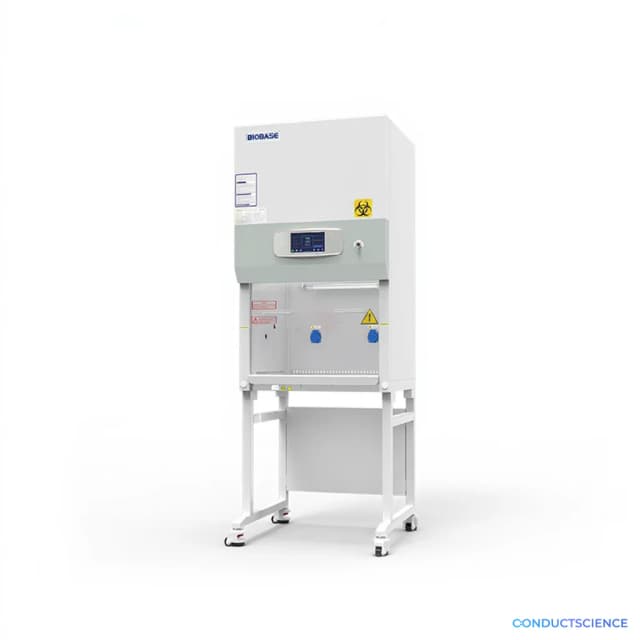
PCR Cabinet PCR800 PC1000 PCR1200 PCR1300 PCR1500
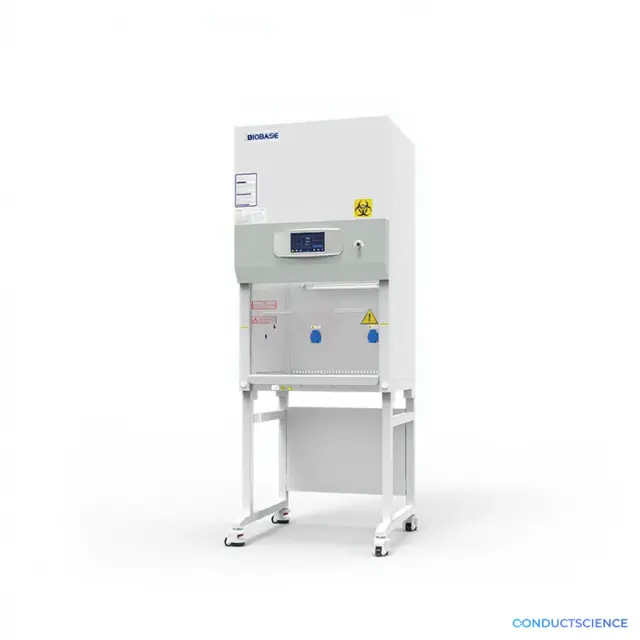
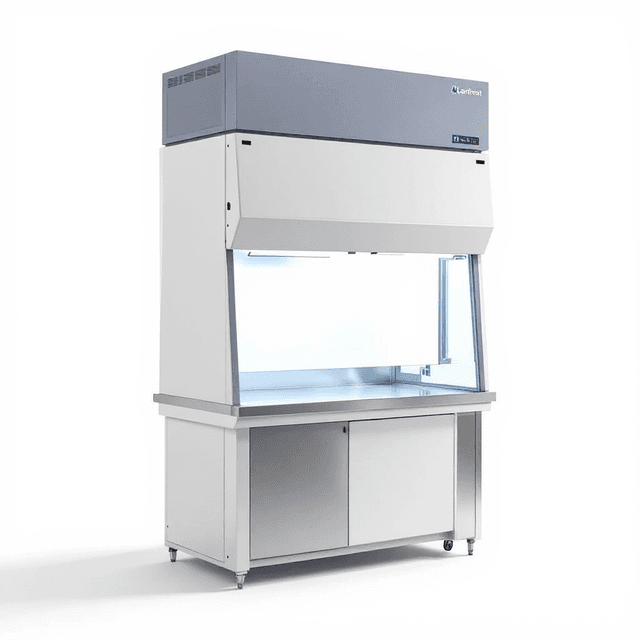
Laminar flow workstations designed for PCR contamination control, featuring HEPA filtration and UV sterilization to prevent cross-contamination during amplification workflows.

Louise Corscadden, PhD
Director of Science · ConductScience
Ask Louise about PCR Cabinet PCR800 PC1000 PCR1200 PCR1300 PCR1500 fit, setup, configuration, or quote prep.
Already working with us? Sign in to connect this with My Scientist.
Key Specifications
Full details →- Model fit
- Configured during quote
- SKU family
- BIO-0044
- Shipping box
- 5.0 x 50.2 x 15.0 cm
- Ordering
- Online checkout and quote request available
- Category
- Clean Benches & Fume Hoods
- Build notes
- Confirm accessories, station layout, and support needs before purchase
The PCR Cabinet series provides dedicated contamination control workspace for polymerase chain reaction applications. These laminar flow workstations create a filtered environment to minimize cross-contamination during PCR setup, template preparation, and post-amplification analysis. The cabinet design isolates different stages of PCR workflows to prevent carryover contamination that can compromise reaction specificity and generate false positive results.
Available in multiple configurations (PCR800, PC1000, PCR1200, PCR1300, PCR1500), these units feature HEPA filtration and UV sterilization capabilities. The controlled airflow patterns and physical separation prevent aerosol transfer between pre-PCR and post-PCR processes. Interior surfaces are designed for easy decontamination with standard laboratory disinfectants and UV exposure protocols.
How It Works
PCR cabinets employ laminar airflow technology to create a controlled workspace that minimizes contamination during nucleic acid amplification procedures. HEPA filtration systems remove particulates and potential contaminants from incoming air, while directional airflow patterns sweep contaminants away from the work surface. The cabinet design typically incorporates separate zones or compartments to physically isolate pre-PCR setup (template preparation, primer mixing) from post-PCR analysis (gel electrophoresis, product handling).
UV sterilization systems provide surface decontamination between work sessions. UV-C radiation at 254 nm wavelength damages nucleic acids through thymine dimer formation, effectively inactivating residual DNA that could serve as contaminating template in subsequent reactions. The combination of physical airflow barriers and UV sterilization creates multiple layers of contamination control essential for sensitive molecular biology applications.
Features & Benefits
Automation Level
- manual
Research Domain
- Analytical Chemistry
- Clinical Diagnostics
- Environmental Monitoring
- Food Science
- Microbiology
- Molecular Biology
- Pharmaceutical QC
Shipping weight
- 168.0 lb
Shipping box
- L: 5.0 cm
- W: 50.2 cm
- H: 15.0 cm
| Feature | This Product | Typical Alternative | Advantage |
|---|---|---|---|
| Workspace Configuration | Multiple model sizes from PCR800 through PCR1500 series | Limited size options in most product lines | Allows selection of cabinet size matched to laboratory space constraints and throughput requirements. |
| Contamination Control | Combined HEPA filtration and UV sterilization systems | Basic models may offer only airflow or UV systems separately | Dual contamination control mechanisms provide redundant protection against PCR template carryover. |
| Construction Weight | 168 kg shipping weight indicating robust construction | Lightweight models may have less vibration stability | Heavy construction minimizes vibration effects that can disrupt sensitive pipetting and sample handling procedures. |
| Workspace Compartmentalization | Designed with separate zones for pre-PCR and post-PCR activities | Basic hoods provide single open workspace | Physical separation prevents inadvertent mixing of amplified products with template preparation areas. |
This PCR cabinet series emphasizes contamination control through dual HEPA and UV systems, with multiple size configurations and robust construction. The compartmentalized design specifically addresses PCR workflow requirements for preventing cross-contamination between reaction setup and product analysis stages.
Practical Tips
Verify airflow velocity quarterly using calibrated anemometer measurements at multiple points across the work surface.
Why: Airflow degradation can compromise contamination control effectiveness before becoming visually apparent.
Replace UV lamps annually or when UV intensity measurements drop below 70% of initial output.
Why: UV lamp degradation reduces sterilization effectiveness and may not be visible to users during routine operation.
Run UV sterilization cycles for 20-30 minutes between different PCR projects or when switching between high and low copy number templates.
Why: Adequate UV exposure time ensures complete DNA inactivation and prevents carryover contamination between experiments.
If experiencing persistent contamination issues, validate using sterile water blanks with extended thermal cycling to detect low-level contamination.
Why: Standard blank reactions may not detect trace contamination that becomes apparent only after extended amplification cycles.
Include extraction blanks, PCR blanks, and positive controls in every run to monitor contamination and reagent performance.
Why: Systematic quality controls help distinguish true contamination from reagent degradation or procedural errors.
Never look directly at UV lamps during operation and ensure all personnel leave the area during sterilization cycles.
Why: UV-C radiation causes immediate eye and skin damage even with brief exposure times.
Designate specific areas within the cabinet for different PCR stages and use separate pipette sets for pre-PCR and post-PCR work.
Why: Consistent workspace organization reinforces contamination control protocols and reduces procedural errors.
Clean interior surfaces with 70% ethanol followed by UV sterilization rather than using stronger disinfectants that may damage components.
Why: Ethanol effectively removes organic contamination while being compatible with UV lamp housings and airflow sensors.
Setup Guide
What’s in the Box
- PCR cabinet main unit (typical)
- HEPA filter assembly (typical)
- UV sterilization lamps (typical)
- Power supply and electrical connections (typical)
- Airflow velocity verification certificate (typical)
- Installation and operation manual (typical)
- Decontamination protocol guide (typical)
Warranty
ConductScience provides a one-year manufacturer warranty covering defects in materials and workmanship, with technical support for installation, operation, and maintenance procedures.
Compliance
References
Background reading relevant to this product:
What airflow velocity should I expect from the HEPA filtration system?
Consult product datasheet for specific airflow velocity measurements, as these vary by model configuration. Typical laminar flow cabinets maintain 0.3-0.5 m/s face velocity for effective contamination control.
How long should UV sterilization cycles run between PCR setups?
UV exposure duration depends on lamp output and surface materials. Generally, 15-30 minute cycles provide effective DNA inactivation, but verify with UV intensity measurements and validation testing.
Can I use alcohol-based disinfectants on the interior surfaces?
Most PCR cabinet interiors are compatible with 70% ethanol and isopropanol solutions. Avoid bleach-based cleaners that may damage UV lamps or create corrosive vapors in the enclosed system.
What maintenance is required for the HEPA filtration system?
HEPA filters typically require annual replacement or when airflow velocity drops below specifications. Monitor differential pressure across filters and inspect for physical damage during routine maintenance.
How do I validate contamination control effectiveness?
Perform blank PCR reactions using sterile water as template to confirm absence of amplifiable contamination. Include positive and negative controls to verify both system cleanliness and PCR reagent functionality.
What electrical requirements are needed for installation?
Consult product specifications for voltage, current, and grounding requirements specific to your model. Most units require dedicated electrical circuits with proper grounding for safety and optimal performance.
How does this compare to using a standard laminar flow hood for PCR work?
PCR cabinets are specifically designed with compartmentalized workspaces and UV sterilization features optimized for nucleic acid contamination control, while standard hoods provide general particulate protection without PCR-specific design elements.
Have a question about this product?
Have a question? Just ask.
Send it over and we'll email you a personalized answer — no call, no scheduling.
Prefer to talk it through?