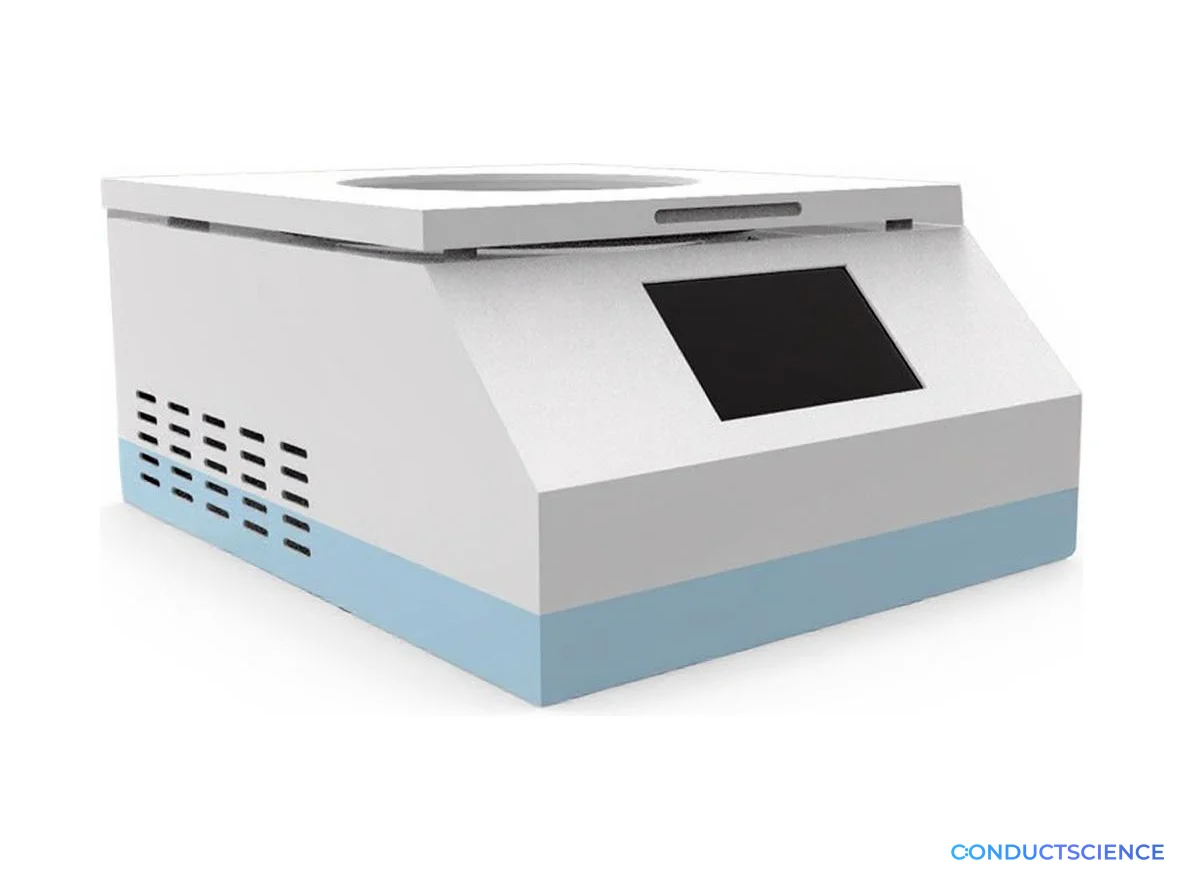
Photolithography Hot Plate
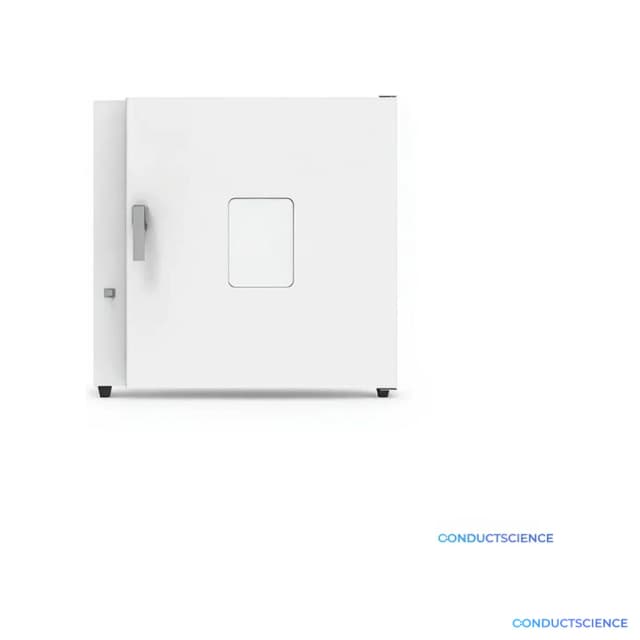
Laboratory-grade hot plate with 300 × 300 mm heating surface designed for photoresist baking and microfluidic fabrication thermal processing.
| Automation Level | manual |
| Brand | ConductScience |

The Photolithography Hot Plate provides precise thermal processing capabilities for photoresist baking and microfluidic device fabrication. This laboratory-grade heating platform delivers controlled temperature environments essential for photolithography workflows, including soft baking, hard baking, and thermal processing of polymer substrates.
The 300 × 300 mm heating surface accommodates standard wafer sizes and substrate dimensions commonly used in microfabrication processes. The compact 100 mm profile integrates efficiently into cleanroom and laboratory environments where space optimization is critical. Temperature uniformity across the heating surface ensures consistent processing results for photoresist applications and thermal curing processes.
How It Works
The hot plate operates through resistive heating elements embedded within the platform structure. Electrical current passes through high-resistance heating elements, converting electrical energy to thermal energy that is conducted uniformly across the heating surface. Temperature control is achieved through feedback systems that monitor surface temperature and adjust power input to maintain setpoint conditions.
Heat transfer occurs primarily through conduction from the heated surface to the substrate in direct contact. The thermal mass of the heating platform provides temperature stability and minimizes fluctuations during processing. Uniform heat distribution across the 300 × 300 mm surface ensures consistent processing conditions for photoresist baking and substrate thermal treatment applications.
Features & Benefits
Automation Level
- manual
Brand
- ConductScience
Research Domain
- Analytical Chemistry
- Environmental Monitoring
- Materials Science
- Pharmaceutical QC
Weight
- 8.0 kg
Dimensions
- L: 300.0 mm
- W: 300.0 mm
- H: 100.0 mm
Comparison Guide
| Feature | This Product | Typical Alternative | Advantage |
|---|---|---|---|
| Heating Surface Area | 300 × 300 mm (90,000 mm²) | Smaller units often provide 200 × 200 mm or circular surfaces | Larger surface area enables batch processing of multiple substrates or accommodation of larger wafer sizes. |
| Form Factor | 100 mm height profile | Standard laboratory hot plates typically have greater height | Compact profile optimizes workspace utilization in space-constrained cleanroom environments. |
| Application Focus | Optimized for photoresist baking and microfluidic fabrication | General-purpose laboratory hot plates lack specialized design | Purpose-built design ensures optimal performance for microfabrication thermal processing requirements. |
| Weight and Stability | 8 kg mass providing thermal stability | Lighter units may have less thermal mass | Greater thermal mass reduces temperature fluctuations during substrate handling operations. |
This hot plate combines specialized microfabrication design with practical laboratory functionality. The 300 × 300 mm surface area and compact profile address specific requirements of photolithography and microfluidic processing workflows while maintaining the reliability needed for research applications.
Practical Tips
Perform temperature mapping using multiple measurement points across the heating surface before establishing process protocols.
Why: Temperature uniformity verification ensures consistent processing results across all substrate positions.
Clean the heating surface regularly with appropriate solvents to prevent buildup of photoresist residues or other process materials.
Why: Surface contamination can affect heat transfer efficiency and compromise thermal uniformity.
Allow adequate warm-up time before processing to achieve thermal equilibrium across the entire heating surface.
Why: Thermal equilibrium ensures stable processing conditions and prevents temperature gradients during substrate placement.
Implement proper ventilation when processing materials that release vapors or solvents during thermal treatment.
Why: Adequate ventilation prevents accumulation of potentially hazardous vapors in the work environment.
Document temperature profiles and timing parameters for each process to ensure reproducible results.
Why: Process documentation enables consistent replication of thermal treatments and troubleshooting of processing issues.
Monitor temperature response times and stability to identify potential issues with heating elements or control systems.
Why: Early detection of performance degradation prevents process failures and ensures continued reliable operation.
Setup Guide
What’s in the Box
- Photolithography hot plate main unit
- Power cable (typical)
- Temperature controller interface (typical)
- User manual and operating procedures (typical)
- Safety documentation and warnings (typical)
Warranty
ConductScience provides standard one-year manufacturer warranty covering defects in materials and workmanship, with technical support for setup and operational guidance.
Compliance
References
Background reading relevant to this product:
What temperature range and accuracy can this hot plate achieve?
Temperature specifications including range, accuracy, and uniformity should be verified from the product datasheet as these parameters are critical for photoresist processing applications.
How do I ensure temperature uniformity across the heating surface?
Perform temperature mapping using multiple thermocouples across the surface. Allow adequate warm-up time and consider thermal mass effects when placing substrates.
What maintenance is required for consistent performance?
Regular surface cleaning with appropriate solvents, periodic temperature calibration verification, and inspection of heating elements for damage or degradation.
Can this unit handle photoresist solvents and cleaning chemicals?
The heating surface is designed for chemical resistance, but verify compatibility with specific solvents used in your processes and follow proper ventilation protocols.
What safety precautions are necessary during operation?
Use appropriate personal protective equipment, ensure adequate ventilation for solvent vapors, and implement lockout procedures during maintenance activities.
How do I optimize heating profiles for different substrates?
Develop time-temperature profiles based on substrate thermal properties, desired process outcomes, and manufacturer recommendations for specific materials.
Have a question about this product?
Accessories
Enhance your setup with compatible accessories
Frequently Bought Together
Upgrade Options