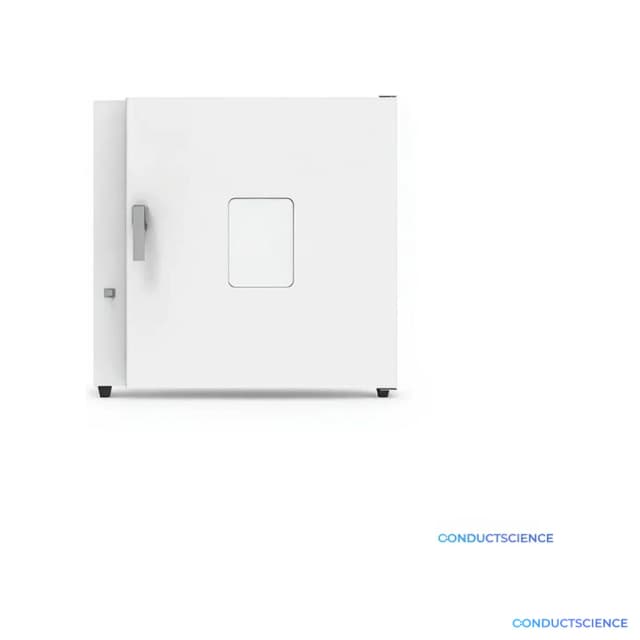
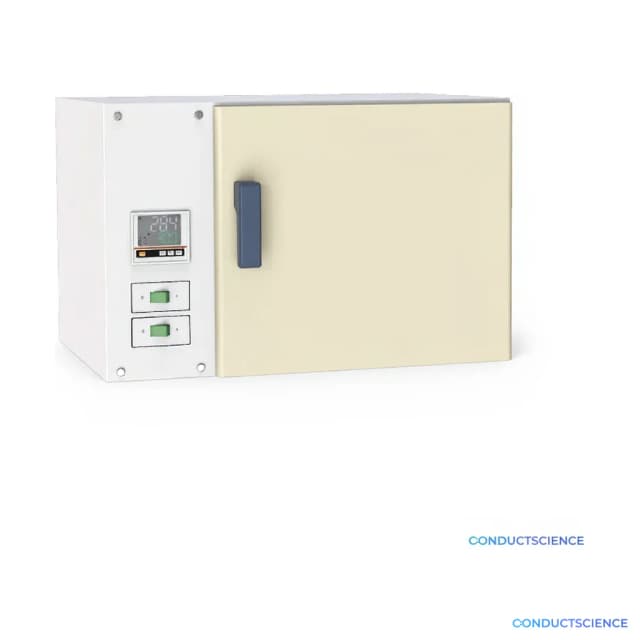
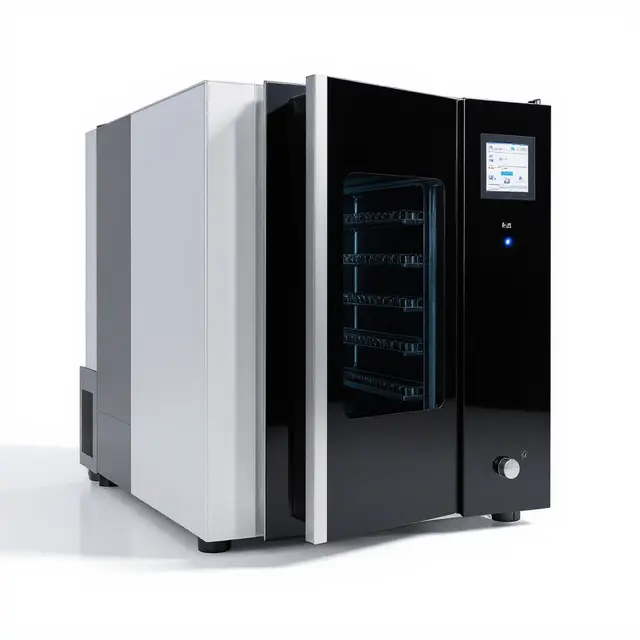
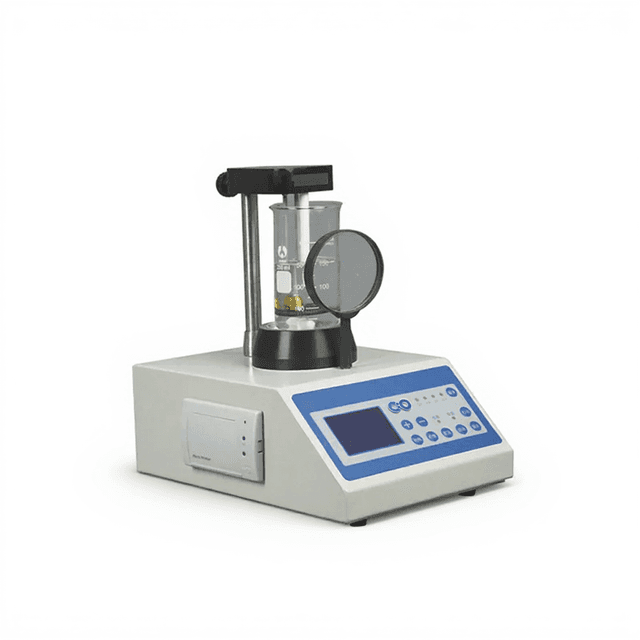
Multi-Temperature Zone Hot Plate
Laboratory hot plate with multiple independently controlled temperature zones for simultaneous multi-temperature sample processing and photolithography applications.

Louise Corscadden, PhD
Director of Science · ConductScience
Ask Louise about Multi-Temperature Zone Hot Plate fit, setup, configuration, or quote prep.
Already working with us? Sign in to connect this with My Scientist.
Key Specifications
Full details →- Model fit
- Configured during quote
- SKU family
- WHM-0039
- Shipping box
- 400.0 x 300.0 x 120.0 cm
- Ordering
- Online checkout and quote request available
- Category
- Lab Equipment
- Build notes
- Confirm accessories, station layout, and support needs before purchase
The Multi-Temperature Zone Hot Plate provides independent thermal control across multiple heating zones for complex sample processing workflows. This laboratory heating platform enables simultaneous processing of samples requiring different temperature profiles, supporting multi-step protocols common in photolithography and materials preparation. The 400 × 300 mm surface accommodates multiple vessels or substrates while maintaining precise temperature gradients between zones.
Independent zone control eliminates the need for multiple single-temperature hot plates, reducing bench space requirements and enabling synchronized multi-temperature processing. The system supports applications requiring sequential heating steps, differential thermal treatment, or simultaneous processing of temperature-sensitive materials at distinct setpoints.
How It Works
The Multi-Temperature Zone Hot Plate utilizes segmented heating elements with independent temperature controllers to create distinct thermal regions on a single heating surface. Each zone contains dedicated heating elements and temperature sensors that provide closed-loop feedback control, maintaining precise temperatures across the platform without thermal interference between adjacent zones.
The heating elements transfer thermal energy directly to the platform surface through resistive heating, while integrated temperature sensors monitor actual surface temperatures in each zone. Independent control circuits adjust power delivery to maintain setpoint temperatures, compensating for thermal losses and sample heat capacity. This configuration enables simultaneous heating of multiple samples at different temperatures or sequential thermal processing without sample relocation.
Thermal isolation between zones is achieved through controlled heating element placement and surface design, preventing temperature drift between adjacent regions. The system maintains temperature stability within each zone while allowing rapid thermal transitions for time-critical processing steps.
Features & Benefits
Temperature Zones
- Multiple (independent control)
Automation Level
- semi-automated
Brand
- ConductScience
Research Domain
- Analytical Chemistry
- Cell Biology
- Food Science
- Materials Science
- Microbiology
- Pharmaceutical QC
Shipping weight
- 12.0 lb
Shipping box
- L: 400.0 cm
- W: 300.0 cm
- H: 120.0 cm
| Feature | This Product | Typical Alternative | Advantage |
|---|---|---|---|
| Temperature Zone Configuration | Multiple independent zones with separate controls | Single temperature zone with uniform heating | Enables simultaneous multi-temperature processing without requiring multiple hot plates or sample transfers between heating stages. |
| Surface Area | 400 × 300 mm heating platform | Standard single-zone units typically offer smaller working areas | Accommodates multiple samples or larger substrates while providing sufficient space for complex multi-step protocols. |
| Application Focus | Optimized for photolithography processes | General-purpose heating without specialized application design | Provides thermal control characteristics specifically suited for semiconductor processing and microfabrication workflows. |
| Platform Height | 120 mm compact profile | Varies by model, some units have larger profiles | Fits under fume hoods and in space-constrained laboratory environments while maintaining full heating functionality. |
This multi-zone hot plate provides independent temperature control across multiple heating regions on a single 400 × 300 mm platform, specifically designed for photolithography applications. The compact 120 mm height profile and robust construction support complex thermal processing workflows while minimizing laboratory bench space requirements.
Practical Tips
Calibrate each zone independently using certified temperature probes at multiple setpoints to verify accuracy across the full operating range.
Why: Independent zones may have different thermal characteristics requiring zone-specific calibration for precise temperature control.
Clean heating surface regularly with appropriate solvents to remove residues that could affect thermal transfer or cause hot spots.
Why: Contamination on the heating surface can create uneven thermal distribution and affect temperature uniformity within zones.
Allow adequate warm-up time for temperature stabilization before placing samples, especially when using multiple zones simultaneously.
Why: Thermal equilibration between zones takes longer than single-zone systems due to increased thermal mass and control complexity.
Position vessels to maximize thermal contact with heating surface and avoid placement directly over zone boundaries.
Why: Optimal thermal transfer requires good surface contact, and zone boundaries may have different thermal characteristics.
Monitor and record actual surface temperatures in each zone during processing rather than relying solely on controller setpoints.
Why: Actual temperatures may vary from setpoints due to sample thermal load, ambient conditions, and thermal interactions between zones.
If one zone shows temperature drift, check for thermal interference from adjacent zones and verify proper sensor calibration for that specific zone.
Why: Multi-zone systems can experience thermal crosstalk between regions that affects individual zone performance.
Use appropriate heat-resistant gloves and tools when working with multiple heated zones to prevent accidental contact with hot surfaces.
Why: Multi-zone platforms present larger heated areas and varying temperatures that increase burn risk compared to single-zone units.
Setup Guide
What’s in the Box
- Multi-temperature zone hot plate main unit
- Power cable (typical)
- Temperature controller interface cables (typical)
- User manual and operation guide (typical)
- Calibration certificate (typical)
Warranty
ConductScience provides a standard one-year manufacturer warranty covering defects in materials and workmanship, with technical support for operation and maintenance guidance.
Compliance
How many independent temperature zones does this hot plate provide?
The unit features multiple independent temperature zones, with each zone providing separate thermal control. Consult product datasheet for exact number and configuration of available zones.
What is the temperature range and accuracy for each zone?
Temperature ranges and accuracy specifications vary by zone configuration. Consult product datasheet for specific temperature capabilities, stability, and uniformity specifications for each independent zone.
Can zones be programmed for sequential heating profiles?
Zone control capabilities depend on controller configuration. Many multi-zone systems support programmable temperature profiles. Verify programming and automation features in the technical specifications.
What types of vessels and substrates can be accommodated?
The 400 × 300 mm surface accommodates various vessel sizes and substrate configurations. Maximum load capacity and thermal contact requirements should be verified in equipment specifications.
How is thermal isolation maintained between zones?
Zones utilize independent heating elements and control systems designed to minimize thermal interference. Actual thermal isolation performance depends on zone spacing and heating element design detailed in technical documentation.
What maintenance is required for multi-zone operation?
Regular calibration verification of each zone's temperature accuracy and cleaning of heating surfaces to maintain thermal contact. Consult maintenance schedule for zone-specific calibration procedures.
Have a question about this product?
Have a question? Just ask.
Send it over and we'll email you a personalized answer — no call, no scheduling.
Prefer to talk it through?
Frequently Bought Together