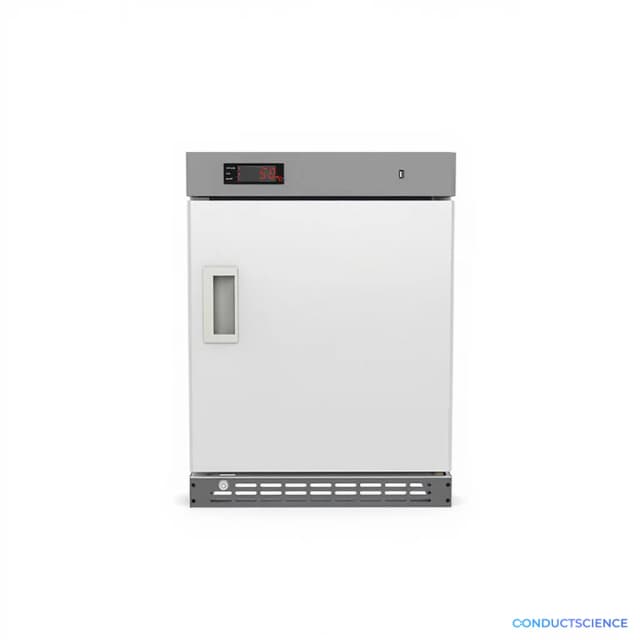
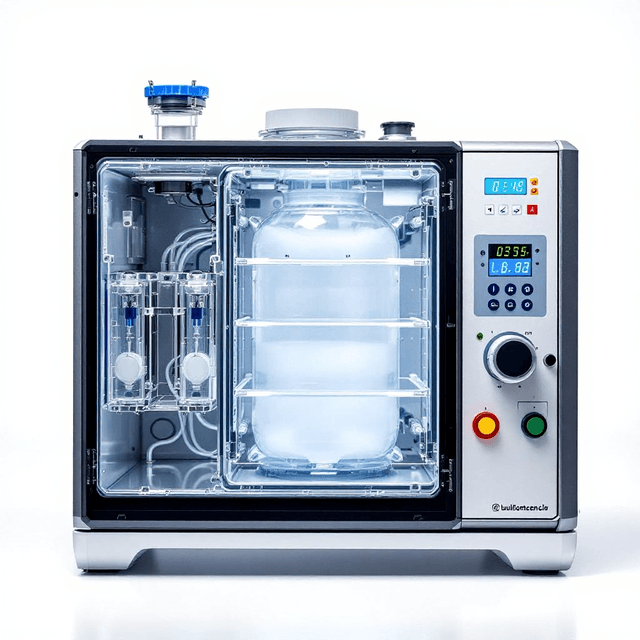
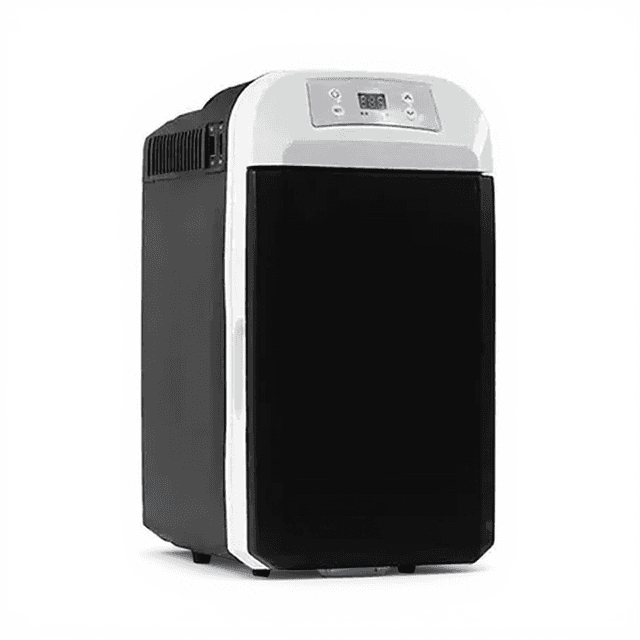
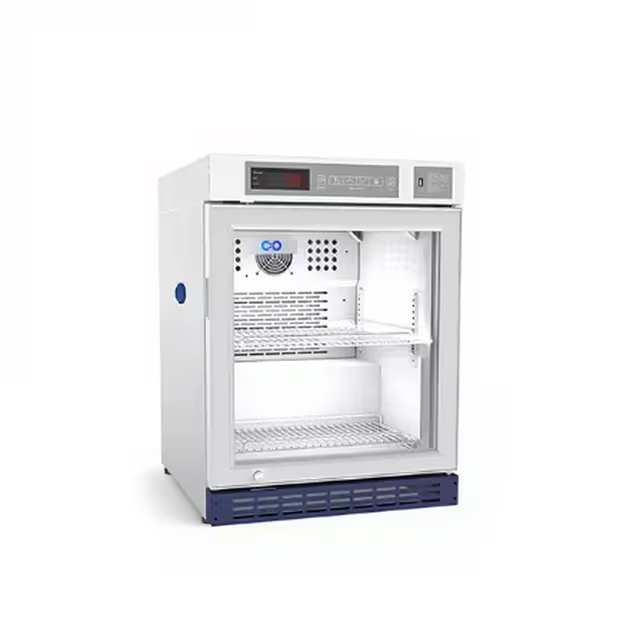
Low Temperature Blood Operating Bench
Temperature-controlled workstation maintaining 2-8°C conditions with ±0.1°C stability for blood sample processing and analysis in clinical and research laboratories.

Louise Corscadden, PhD
Director of Science · ConductScience
Ask Louise about Low Temperature Blood Operating Bench fit, setup, configuration, or quote prep.
Already working with us? Sign in to connect this with My Scientist.
Key Specifications
Full details →- Model fit
- Configured during quote
- SKU family
- BIO-BJPX-PD
- Shipping box
- 135 x 88 x 86 cm
- Ordering
- Online checkout and quote request available
- Category
- Lab Equipment
- Build notes
- Stainless Steel
The Low Temperature Blood Operating Bench provides a temperature-controlled working surface specifically designed for blood sample processing and analysis procedures requiring consistent 2-8°C conditions. This specialized laboratory workstation combines precision microcomputer temperature control with a stainless steel countertop engineered to prevent sample displacement during handling operations.
The system maintains temperature stability within ±0.1°C through air-cooling refrigeration technology, with real-time digital temperature monitoring and ultra-low temperature alarms for protocol compliance. The 1350×860×880 mm external dimensions provide substantial workspace while accommodating standard laboratory footprints, making it suitable for blood banking facilities, clinical laboratories, and research environments requiring controlled-temperature sample manipulation.
How It Works
The Low Temperature Blood Operating Bench operates through precision microcomputer temperature control technology integrated with air-cooling refrigeration. The system continuously monitors and adjusts temperature to maintain the 2-8°C range with ±0.1°C stability required for blood sample integrity. Digital sensors provide real-time temperature feedback to the microcomputer control system, which modulates refrigeration output to compensate for thermal loads from sample handling and ambient conditions.
The stainless steel working surface features wire drawing process finishing for enhanced durability and cleanability, while the anti-slip countertop design prevents blood sample displacement during handling operations. The integrated alarm system provides audible alerts for ultra-low temperature conditions, ensuring immediate notification of temperature excursions that could compromise sample quality.
Safety features include leakage current and over voltage protection, while the compressor system incorporates delay starting and high temperature protection to prevent mechanical damage during operation. The combination of precise temperature control, robust construction, and comprehensive safety systems creates a controlled environment suitable for critical blood banking and clinical diagnostic procedures.
Features & Benefits
Temperature Control
- microcomputer precision temperature control technology
Surface Finish
- wire drawing process
Safety Features
- leakage current and over voltage protector
Compressor Protection
- delay starting and high temperature protection
Alarm System
- ultra-low temperature alarm
Countertop Design
- anti-slip design to prevent blood sample slipping
Automation Level
- semi-automated
Material
- Stainless Steel
Display Type
- Digital
Research Domain
- Blood Banking
- Clinical Chemistry
- Clinical Diagnostics
- Immunology
- Microbiology
- Pharmaceutical QC
Shipping weight
- 3182.66 lb
Shipping box
- L: 135 cm
- W: 88 cm
- H: 86 cm
| Feature | This Product | Typical Alternative | Advantage |
|---|---|---|---|
| Temperature Control Precision | ±0.1°C stability through microcomputer precision control | Standard refrigerated units often provide ±0.5°C or greater temperature variation | Enhanced precision maintains sample integrity for critical blood banking and diagnostic procedures. |
| Working Surface Design | Anti-slip stainless steel countertop with wire drawing process finish | Basic stainless steel surfaces without anti-slip features | Prevents sample displacement and provides enhanced surface durability for repeated disinfection. |
| Temperature Monitoring | Digital real-time monitoring with ultra-low temperature alarms | Analog monitoring or basic digital displays without comprehensive alarm systems | Enables immediate response to temperature excursions and supports documentation requirements. |
| Safety Systems | Leakage current protection, over voltage protection, and compressor protection | Basic electrical protection varies by manufacturer | Comprehensive safety features protect both operators and valuable samples in clinical environments. |
| Workspace Dimensions | 1350×860×880 mm substantial working area | Smaller units often provide limited workspace | Accommodates multiple simultaneous sample processing tasks while maintaining temperature control. |
This workstation combines precision temperature control with specialized features for blood sample handling. The anti-slip surface design and comprehensive safety systems distinguish it from basic refrigerated laboratory furniture.
Practical Tips
Verify temperature accuracy monthly using a calibrated reference thermometer placed directly on the working surface.
Why: Surface temperature may vary from air temperature, making direct surface measurement essential for accuracy.
Clean the stainless steel surface daily with laboratory-grade disinfectant and inspect for any signs of corrosion or damage.
Why: Regular cleaning maintains sterile conditions and preserves the wire drawing finish for optimal performance.
Allow samples to equilibrate on the work surface for 5-10 minutes before beginning temperature-sensitive procedures.
Why: Sample temperature equilibration ensures consistent conditions throughout the analytical workflow.
Minimize door openings and limit the number of samples placed simultaneously to maintain temperature stability.
Why: Thermal load management prevents temperature fluctuations that could affect sample integrity.
If temperature alarms activate, verify that air vents are unobstructed and ambient room temperature is within specifications.
Why: Blocked ventilation or high ambient temperatures can prevent proper cooling system operation.
Test alarm systems weekly to ensure proper function and immediate notification of temperature excursions.
Why: Functional alarms provide critical protection for temperature-sensitive blood samples and reagents.
Document temperature readings at the beginning and end of each work session for quality assurance records.
Why: Temperature documentation supports regulatory compliance and troubleshooting of sample integrity issues.
Setup Guide
What’s in the Box
- Low Temperature Blood Operating Bench main unit
- Digital temperature controller
- Power cord (typical)
- User manual and installation guide (typical)
- Temperature monitoring documentation forms (typical)
Warranty
ConductScience provides a standard one-year manufacturer warranty covering defects in materials and workmanship, with technical support for installation and operational guidance.
Compliance
References
Background reading relevant to this product:
What is the temperature stability and range of this workstation?
The bench maintains 2-8°C with ±0.1°C stability through microcomputer precision temperature control and air-cooling refrigeration technology.
How does the anti-slip surface prevent sample displacement?
The stainless steel countertop incorporates an anti-slip design specifically engineered to prevent blood samples from sliding during handling operations.
What safety features are included for laboratory use?
Safety features include leakage current and over voltage protection, compressor delay starting and high temperature protection, plus ultra-low temperature alarms.
How is temperature monitored and documented?
Digital temperature monitoring provides real-time display with alarm capability for temperature excursions outside the specified range.
What are the workspace dimensions and capacity?
The working surface measures 1350×860×880 mm providing substantial space for multiple sample processing tasks while fitting standard laboratory layouts.
How should the stainless steel surface be cleaned and maintained?
The wire drawing process finish can be cleaned with standard laboratory disinfectants; the stainless steel construction resists chemical damage from repeated cleaning cycles.
What electrical requirements are needed for installation?
Consult product datasheet for specific electrical requirements; the unit includes electrical safety features including leakage current protection.
How long does initial temperature stabilization take?
Allow 2-4 hours for initial temperature stabilization after installation and power-on before beginning sample processing operations.
Have a question about this product?
Have a question? Just ask.
Send it over and we'll email you a personalized answer — no call, no scheduling.
Prefer to talk it through?