ConductVision
$1,490 per year for one computerA 5-year license is $3,990 in total.
Results export as CSV files.

Vertical pole apparatus for assessing motor coordination and movement disorders in rodent models of Parkinson’s disease and dopaminergic dysfunction.

Director of Science · ConductScience
Ask Louise about Pole Test fit, setup, configuration, or quote prep.
Already working with us? Sign in to connect this with My Scientist.
From 2021 to 2025, 161 animal research papers mentioned the pole test. The count covers the test on any apparatus, not only this one.
The Pole Test is a standardized behavioral apparatus designed to assess motor coordination and movement disorders in rodents. This simple yet sensitive test evaluates an animal's ability to orient and descend from a vertical pole, providing quantitative measures of motor dysfunction commonly associated with nigrostriatal damage and dopaminergic system impairment.
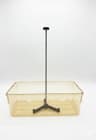
The apparatus consists of a vertical pole with species-specific diameters (8 mm for mice, 10 mm for rats) that allows researchers to measure turning time, total descent time, and movement quality. The rat pole is textured steel, 63 cm long, and stands on an included triangular base. The test is particularly valuable for evaluating motor phenotypes in Parkinson's disease models, including 6-OHDA lesioned animals and MPTP-treated subjects, where bradykinesia and postural instability are primary endpoints.
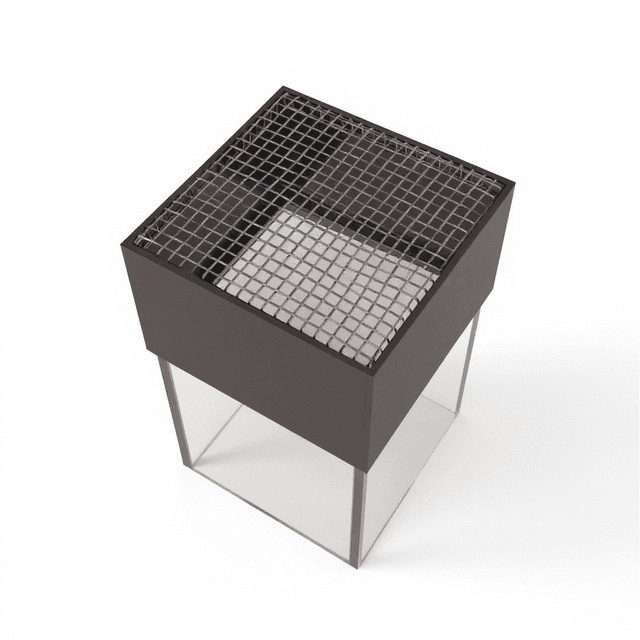
*TUB NOT INCLUDED
The pole test exploits the natural tendency of rodents to turn head-down and descend when placed on a vertical pole. Normal animals rapidly orient themselves and descend smoothly, while animals with motor dysfunction exhibit prolonged turning times and hesitant, bradykinetic movements during descent.
The test measures two primary parameters: turning time (latency to orient head-down) and total descent time (time to reach the base). Additional qualitative assessments include movement fluidity, number of slips, and use of alternative descent strategies. These measures correlate with the degree of striatal dopamine depletion and provide a sensitive index of motor impairment.
The apparatus diameter is optimized for each species to ensure appropriate grip difficulty - too narrow causes slipping in healthy animals, while too wide fails to challenge motor-impaired subjects. The standardized dimensions (8 mm for mice, 10 mm for rats) have been validated across multiple Parkinson's disease models.
These IDs come from NCBI Taxonomy. Use them in data records and methods sections.
NCBITaxon:10090 NCBITaxon:10116 | Measurement | Mouse Pole test | Rat Pole test |
|---|---|---|
| Diameter | 8 mm | 10 mm |
| Length | 50 cm | 63 cm |
| Material | — | Textured steel |
Ready for RO-Crate, the open standard for sharing data.
| Feature | This Product | Typical Alternative | Advantage |
|---|---|---|---|
| Species Optimization | Dedicated 8mm (mouse) and 10mm (rat) pole diameters | Generic diameter poles that may not optimize grip challenge | Species-specific sizing ensures appropriate motor challenge for detecting subtle deficits. |
| Storage Solution | Integrated storage container included | Basic apparatus without organized storage | Prevents component loss and maintains apparatus condition between experiments. |
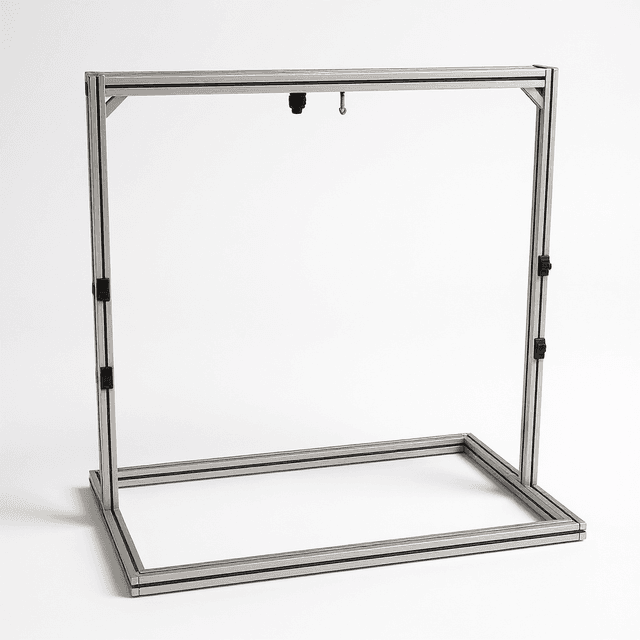
| Assembly Design | Engineered assembly system for secure mounting | Simple pole designs with basic support | Ensures apparatus stability during testing for consistent and safe behavioral assessment. |
| Test Validation | Dimensions based on established motor dysfunction protocols | Variable sizing without standardization | Enables direct comparison with published literature and multi-site studies. |
This pole test apparatus provides species-optimized dimensions validated in motor dysfunction research, with integrated storage and secure assembly design. The standardized specifications support reproducible assessment of dopaminergic system function across different research environments.
| Model | Size | SKU | Listed price | Status | Shipping box |
|---|---|---|---|---|---|
| Mouse Pole test | Diameter 8 mm · Length 50 cm | 5018 | $490.00 | Available | 50.8 × 17.78 × 2.54 cm |
| Rat Pole test | Diameter 10 mm · Length 63 cm · Material Textured steel | 5019 | $690.00 | Available | 63 × 36.0 × 27.0 cm |
Verify pole height at 55 cm before each testing session using a standard ruler.
Why: Consistent height ensures comparable descent times across experiments and matches published protocols.
Clean pole surface with 70% ethanol between animals and inspect for surface wear monthly.
Why: Maintains consistent grip conditions and prevents cross-contamination between test subjects.
Test animals at consistent times of day and allow 5-minute intervals between trials.
Why: Controls for circadian motor activity variations and prevents fatigue confounds in motor assessment.
Record both turning time and total descent time, plus qualitative movement observations.
Why: Multiple measures provide comprehensive motor assessment and distinguish between different types of dysfunction.
If animals freeze at the top, gently tap the pole base to encourage natural descent behavior.
Why: Reduces anxiety-related immobility while maintaining the natural motor challenge of the test.
Place soft bedding material at the pole base to cushion any falls during testing.
Why: Prevents injury while maintaining test sensitivity, particularly important for motor-impaired animals.
ConductScience provides a 1-year manufacturer warranty covering defects in materials and workmanship, with technical support available for setup and protocol optimization.
Background reading relevant to this product:
Specifications, models, materials, and operating envelopes
What training protocol is recommended before data collection?
Conduct 2-3 habituation trials to familiarize animals with the apparatus. This reduces anxiety-related confounds while maintaining sensitivity to motor deficits.
How sensitive is the pole test to partial dopamine depletion?
The test can detect motor deficits with as little as 50-60% striatal dopamine loss, making it suitable for mild to moderate lesion studies.
What are the key timing parameters to measure?
Record turning time (latency to orient head-down) and total descent time. Additional measures include number of slips and qualitative movement assessment.
Can the test distinguish between different types of motor impairment?
Yes, bradykinetic animals show prolonged descent times while animals with postural instability exhibit increased turning times and slipping behavior.
What pole height should be used for standard protocols?
The poles are 50 cm long for mice and 63 cm for rats, providing sufficient descent distance for timing measurements while preventing injury from falls.
How does this compare to rotarod testing for motor assessment?
The pole test is more sensitive to bradykinesia and natural movement patterns, while rotarod primarily measures balance and coordination under forced conditions.
Research data
161 animal research papers in PubMed from 2021 to 2025 mention the pole test
2.2 times as many as the 72 papers from 2011 to 2015
These counts are for the test, whoever made the apparatus, not for this product.
The lists below cover 2021 to 2025, the years in the band.
Hover over a bar to see its year. Click or tap a bar to show only that year in the lists below, or drag across the bars to show a span of years. On a keyboard, use the arrow keys on the chart to read each year, and the menus below it to pick the years.
A paper can mention more than one species, test or condition, so the percentages can add up to more than 100%.
To put a whole battery on one quote, open the test battery tool and start from the pole test. Pick the other tests your study will run, then add the apparatus we sell for each.
By papers from 2021 to 2025, the pole test ranks 45th of the 90 tests we track.
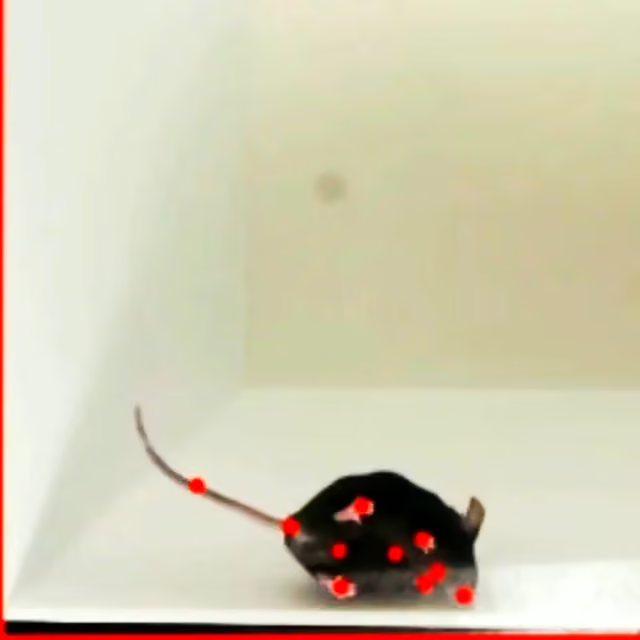
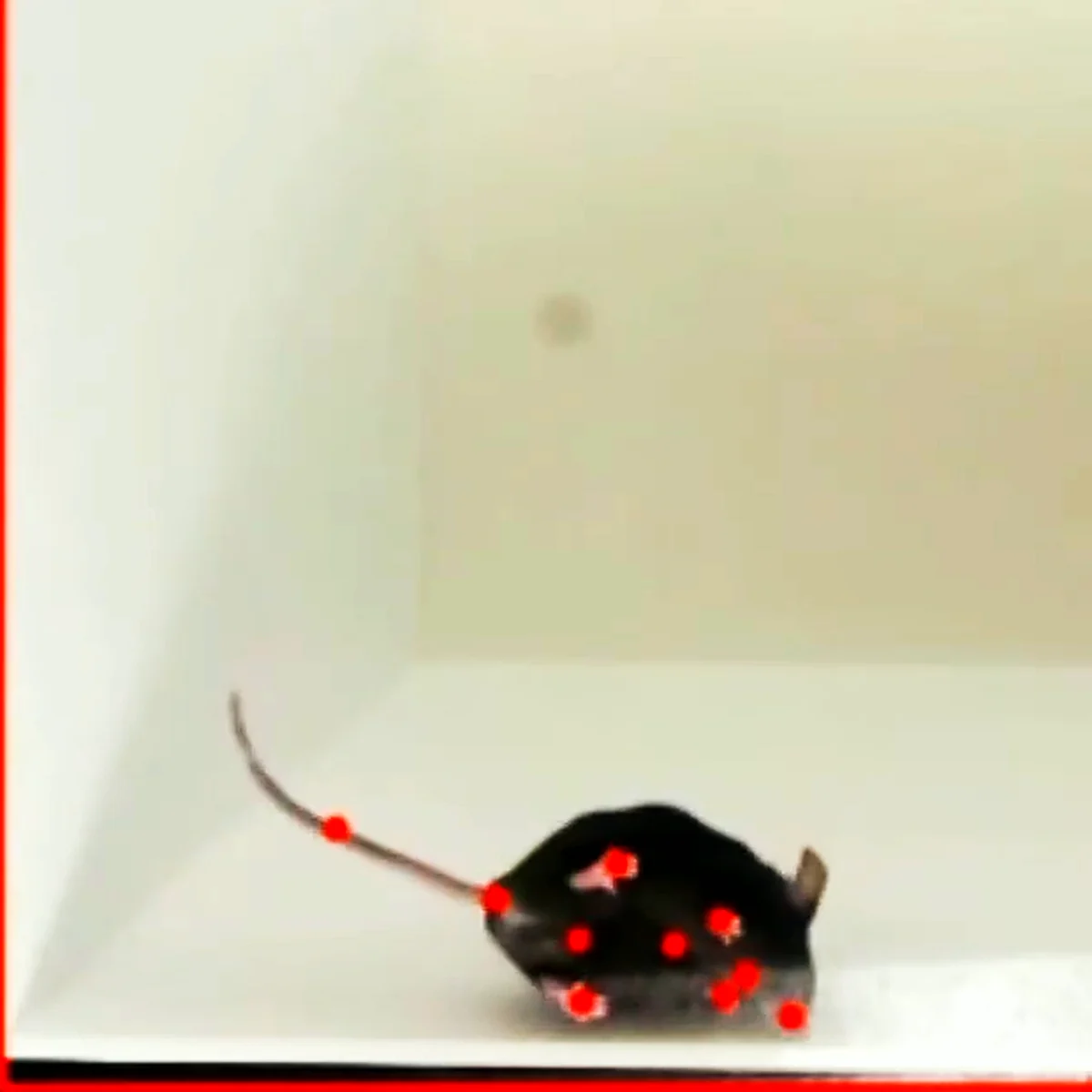
ConductVision is our video-tracking software. Record your sessions on video, and it scores standard rodent tests, such as those listed below.
To check whether ConductVision scores your protocol in this apparatus, ask in your quote request.
A 5-year license is $3,990 in total.
Results export as CSV files.
Send it over and we'll email you a personalized answer, with no call or scheduling.
Prefer to talk it through?
Enhance your setup with compatible accessories
Creator Insights
Norio Ogawa led research on experimental models of Parkinson’s disease in the Department of Neuroscience at Okayama University Medical School. Working shortly after the 1983 discovery that MPTP selectively destroys nigrostriatal dopamine neurons, Ogawa and colleagues developed a reproducible MPTP mouse model and, in 1985, introduced the pole test: a mouse placed head-upward atop a vertical pole is timed as it turns downward and descends, giving a quantitative index of bradykinesia. Their paper established the test’s sensitivity to dopamine-restoring interventions and validated it as a quantitative motor readout in Parkinsonian models. The pole test is now one of the most widely used motor endpoints in rodent Parkinson’s research, often run alongside the rotarod and cylinder tests.
To view Norio Ogawa’s publications, visit PubMed.
Are you Norio Ogawa? to review your photo and bio, and find out how to submit Creator Insights.
ConductScience celebrates method creators: researchers who, through rigorous and often ingenious experiments, develop the tools that reveal how the brain and body work. These are real scientific discoveries that become everyday instruments for the labs that follow.
Use this apparatus with
Training trials, pole texture and diameter, head-up orientation, and definitions for time to turn, time to descend, falls, and missteps.
ConductMaze Pole Test Protocol ->Summarize time to turn, time to descend, falls and slips, missteps, and turn-direction bias across trials with quality-control flags.
Pole Test Latency Scorer ->§ 1
The Pole Test measures bradykinesia and motor initiation by recording how long a rodent takes to turn head-down at the top of a vertical pole and to descend to the base. Ogawa and colleagues introduced the test as a simple quantitative measure of bradykinesia in dopamine-depleted mice. 1
The two core readouts are time to turn, an index of movement initiation, and time to descend, which captures the full turning-and-climbing sequence. Because turning head-down on a narrow pole requires coordinated initiation and postural adjustment, the test is widely used to characterize sensorimotor anomalies in models of striatal dopamine depletion. 1
Pole texture and diameter, training state, body weight, motivation to descend to the home cage, and motor learning all change turn and descent times independent of true motor initiation. A defensible protocol fixes pole geometry and surface, trains animals to a stable head-up start, scores falls and missteps separately, and reports turn-direction bias as a quality-control flag. 1
§ 2
Head-up start with time-to-turn and time-to-descend scoring, fall and misstep classification, and turn-direction tracking.
Critical methodological constraints
Core pole-test endpoints for bradykinesia, motor initiation, and quality control.
Time To Turn (T-turn)
Bradykinesia
Time To Descend (T-total)
Motor initiation & descent
Falls/Slips
Coordination failure
Missteps
Grip control
Turn Direction Bias
Quality-control flag
+ Additional metrics: trial number, pole surface, body weight, latency to start moving, descent strategy (climb versus slide), and per-trial video notes.
A compact fraction of the maximum trial window taken up by turning and descending.
Estimate the N per group needed to detect a literature-anchored motor effect at the endpoint you plan to report. Override the defaults with your own pilot numbers.
§ 3
Representative output from a textured-pole session with a head-up start and a 30 s trial cap.
§ 4
Limitations of the paradigm, methodological caveats, and current directions.
Variables that can shift Pole Test results apart from the effect under study.
Surface texture and diameter set grip and descent difficulty. A smooth pole causes sliding that confounds descent time, so geometry and surface must be held constant.
Untrained animals confound motor initiation with task acquisition. Train to a stable head-up start and reliable turn before testing.
Heavier animals descend differently independent of motor initiation, so weight should be reported and considered when groups differ in mass.
A home cage or familiar enclosure at the base motivates descent. A weak incentive increases stalling and inflates descent time without a true deficit.
Turn and descent times improve across early trials as animals learn the task, so a single session can confound bradykinesia with task acquisition.
The pole test is strongest when pole surface and geometry, training, and scoring rules are fixed before testing, and falls and missteps are recorded separately from descent time. Time to turn and time to descend index different stages; report them separately and confirm bradykinesia with an independent motor assay such as gait analysis or the rotarod. 1
Use the rotarod for gross coordination and endurance under forced locomotion. The pole test is more specific to movement initiation and bradykinesia, especially in models of striatal dopamine depletion.
Time to turn indexes movement initiation while time to descend captures the full turning-and-climbing sequence. Reporting them separately distinguishes an initiation deficit from a descent or grip problem.
Use a textured or gauze-wrapped pole so animals climb rather than slide. A smooth surface lets animals slide down, which shortens descent time without reflecting coordinated motor control.
Quarterly editorial review of emerging Pole Test methodology. Q2 2026
Specifying pole texture and diameter improves comparability of turn and descent times between labs and reduces sliding artifacts.
High-frame-rate video and frame-by-frame scoring improve the reliability of time-to-turn and time-to-descend measurement and reduce observer burden.
Reporting time to turn and time to descend separately is increasingly expected because each captures a distinct stage of the motor sequence.
The pole test is paired with rotarod, gait analysis, and grip strength to separate bradykinesia from coordination, endurance, and strength.
§ 5
5 selected methods and validation studies of the Pole Test, from any lab.