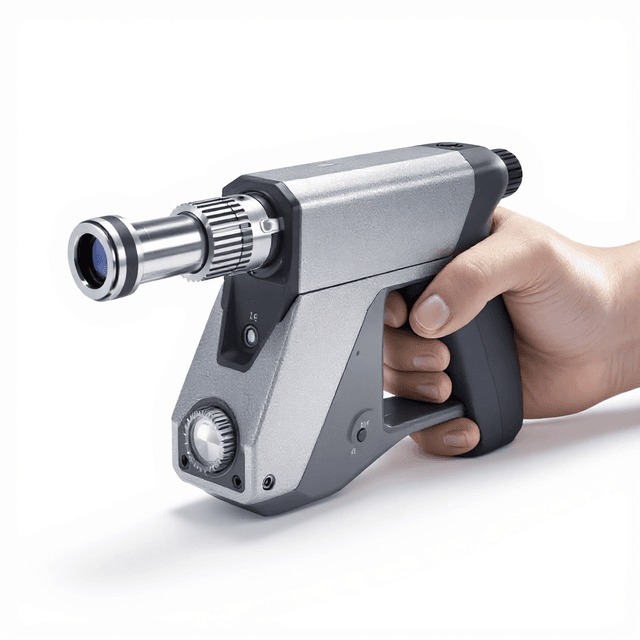
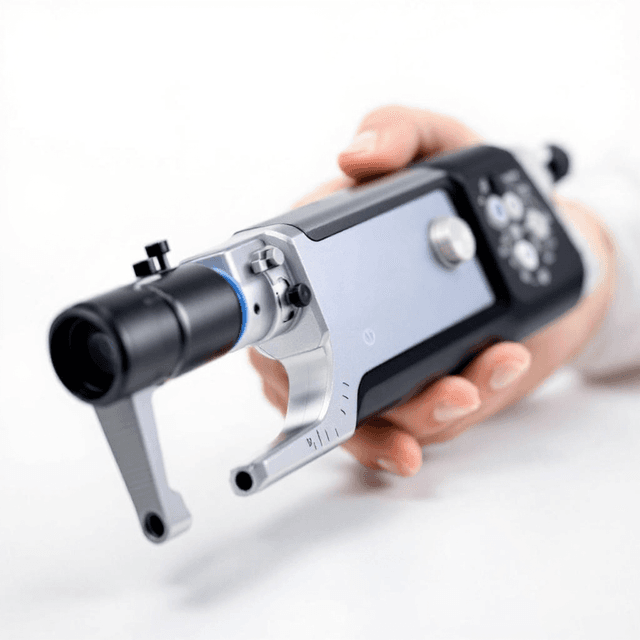
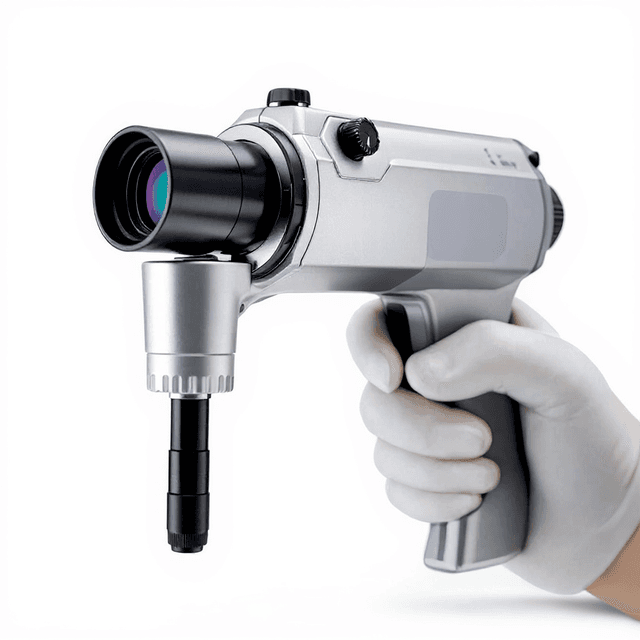
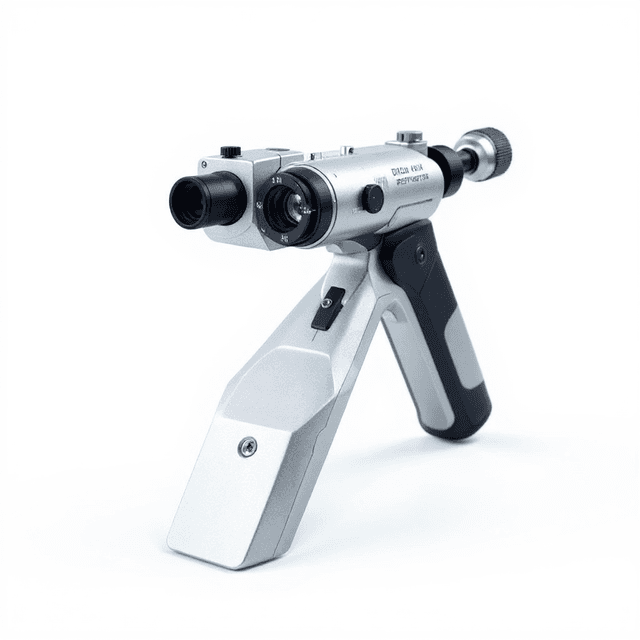
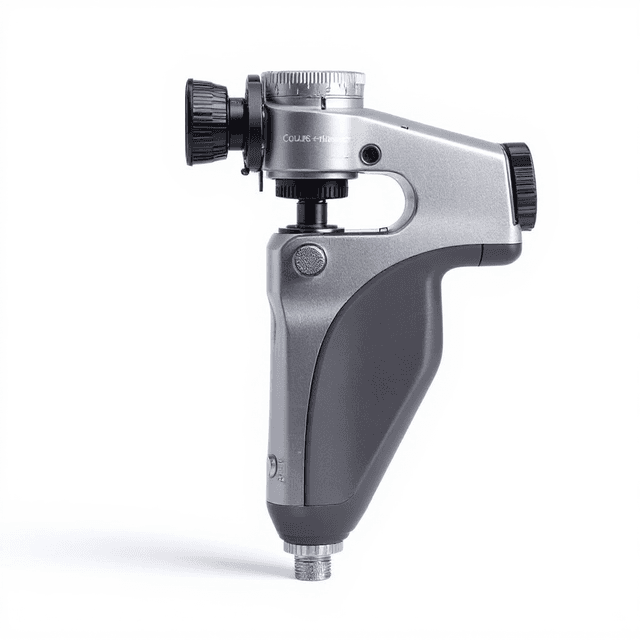
Portable Digital Refractometers PDR-WN PDR-C PDR-K Series
Portable digital refractometers offering multi-parameter measurement capabilities including Brix, alcohol content, and specialized wine analysis scales with 0.1% resolution and temperature compensation.
| Automation Level | manual |
| Range | Min. Reading |
| Temp. Precision | Power Supply |
| Packing Size(W*D*H)mm | G.W(kg) |
| PDR-WN1 | MASS S/W(%) |
| 0~35% | 0.1 |

The Portable Digital Refractometers PDR-WN PDR-C PDR-K Series are handheld instruments designed for rapid refractive index measurements in field and laboratory applications. These compact units measure multiple parameters including Brix percentage, mass concentration, alcohol content, and specialized scales for wine analysis (Oechsle and KMW).
The series offers three model variants optimized for different measurement applications, with digital displays providing readings to 0.1% resolution. Operating temperature range spans 0°C to 40°C with ±0.5°C temperature precision, enabling measurements in varied environmental conditions. The portable design, powered by standard AAA batteries, facilitates on-site analysis where traditional benchtop refractometers are impractical.
How It Works
Digital refractometry operates on the principle of measuring the critical angle at which total internal reflection occurs when light passes from a sample into a reference medium. When a light beam encounters the boundary between two media of different refractive indices, the angle of refraction depends on the ratio of these indices according to Snell's law.
The instrument contains a precision prism system where a small sample volume (typically 1-2 drops) is placed on a measurement surface. Light from an LED source passes through the sample and creates a distinct light-dark boundary at the critical angle. A photodiode array or CCD sensor detects this boundary position, which correlates directly to the sample's refractive index.
Temperature compensation is achieved through integrated temperature sensors that automatically correct readings based on the known temperature coefficients of different sample types. The digital processing unit converts raw refractive index measurements into user-selected concentration scales using pre-programmed conversion algorithms for specific applications like Brix, alcohol percentage, or specialized wine industry measurements.
Features & Benefits
Automation Level
- manual
Range
- Min. Reading
Temp. Precision
- Power Supply
Packing Size(W*D*H)mm
- G.W(kg)
PDR-WN1
- MASS S/W(%)
0~35%
- 0.1
±0.2
- 0°C~40°C(32°F~104°F)
±0.5°C(1°F)
- 2xAAA(1.5V)
165*95*60
- 0.35
VOL AP(%)
- 0~22%
0.1
- ±0.2
Oe(Germany)
- 0~150
1
- ±1
KMW
- 0~25
PDR-WN2
- Brix(%)
Brand
- ConductScience
Research Domain
- Agricultural Research
- Analytical Chemistry
- Environmental Monitoring
- Food Science
- Industrial Hygiene
- Pharmaceutical QC
Weight
- 0.77 kg
Dimensions
- L: 6.5 mm
- W: 3.74 mm
- H: 2.36 mm
Comparison Guide
| Feature | This Product | Typical Alternative | Advantage |
|---|---|---|---|
| Measurement Parameters | Multi-parameter capability covering Brix, alcohol content, Oechsle, and KMW scales | Many portable refractometers focus on single parameters or limited scale options | Reduces equipment inventory requirements and enables comprehensive analysis with one instrument |
| Temperature Operating Range | 0°C to 40°C with ±0.5°C precision | Entry-level models often have narrower temperature ranges or less precise compensation | Enables reliable field measurements across diverse environmental conditions |
| Measurement Resolution | 0.1% resolution across all measurement scales | Basic models may offer 0.2-0.5% resolution | Provides precision suitable for quality control applications requiring accurate differentiation between samples |
| Display Technology | Digital display with direct numerical readout | Manual optical refractometers require visual interpretation of scale markings | Eliminates reading errors and provides consistent results between operators |
| Power Supply | 2xAAA battery operation | Some models require proprietary batteries or AC power | Uses readily available batteries enabling extended field work without power concerns |
The PDR series combines multi-parameter measurement capability with portable design and precise temperature compensation. The 0.1% resolution and wide operating temperature range provide laboratory-quality results in field applications where traditional benchtop instruments are impractical.
Practical Tips
Perform zero calibration with distilled water at ambient temperature before each measurement session.
Why: Temperature-dependent refractive index drift affects accuracy if not corrected regularly.
Clean the measurement surface immediately after analyzing sticky or high-sugar samples to prevent residue buildup.
Why: Sample residues can interfere with subsequent measurements and potentially damage the optical surface.
Apply samples using a pipette rather than direct pouring to control volume and prevent air bubble formation.
Why: Consistent sample application technique improves measurement repeatability and prevents optical interference.
Record ambient temperature alongside refractive index readings for documentation and trend analysis.
Why: Temperature data enables post-measurement verification of automatic compensation accuracy.
If readings drift during measurement, allow additional time for thermal equilibration between sample and prism.
Why: Temperature gradients within the sample can cause unstable readings until thermal equilibrium is achieved.
Wear appropriate PPE when measuring unknown samples or those with potential chemical hazards.
Why: Direct sample contact with measurement surface requires consideration of sample chemistry and safety protocols.
Use certified reference standards periodically to verify measurement accuracy across the full measurement range.
Why: Single-point water calibration may not detect linearity errors across the complete measurement scale.
Setup Guide
What’s in the Box
- PDR series digital refractometer (typical)
- Calibration standards and reference solutions (typical)
- Sample pipettes or droppers (typical)
- Cleaning cloth and maintenance kit (typical)
- User manual and quick start guide (typical)
- Protective carrying case (typical)
- AAA batteries (typical)
Warranty
ConductScience provides a standard one-year manufacturer warranty covering defects in materials and workmanship, with technical support for calibration procedures and troubleshooting. Extended warranty options and calibration services are available for critical applications requiring documented traceability.
Compliance
What is the minimum sample volume required for accurate measurements?
Typically 1-2 drops (approximately 0.1-0.3mL) are sufficient to cover the measurement prism surface. Larger volumes do not improve accuracy but may waste sample material.
How frequently should the instrument be calibrated?
Daily calibration with distilled water is recommended for critical applications. Weekly calibration may be acceptable for routine analysis, but recalibration is advised after transport or temperature changes exceeding 10°C.
Can the instrument measure samples containing suspended particles?
Clear, homogeneous samples provide optimal accuracy. Samples with suspended particles should be filtered or centrifuged prior to analysis to prevent interference with the optical measurement system.
What is the measurement time required for temperature equilibration?
Allow 30-60 seconds for temperature equilibration, particularly when measuring samples significantly different from ambient temperature. The automatic temperature compensation requires thermal equilibrium for accurate correction.
How do I convert between different measurement scales?
The instrument provides direct readings in the selected scale (Brix, alcohol, Oechsle, KMW). For conversions between scales, consult standard conversion tables or use the mode selection to measure the same sample on different scales.
What maintenance is required for long-term accuracy?
Clean the measurement surface after each use with distilled water, perform weekly calibration checks, and store in the protective case. Annual professional calibration verification is recommended for quality assurance documentation.
Are there any sample types that cannot be measured?
Avoid highly volatile solvents, caustic solutions, or samples containing abrasive particles. Consult the chemical compatibility chart in the user manual for specific restrictions on sample chemistry.
Have a question about this product?
Accessories
Enhance your setup with compatible accessories
Frequently Bought Together