Coolant Refractometer
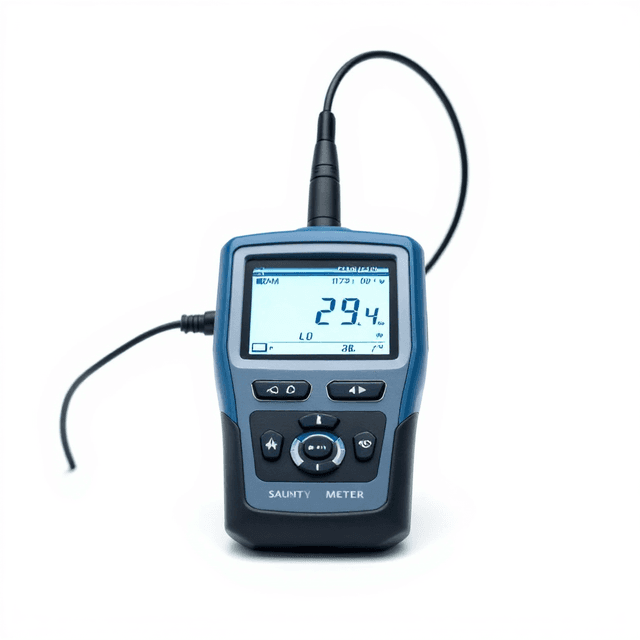
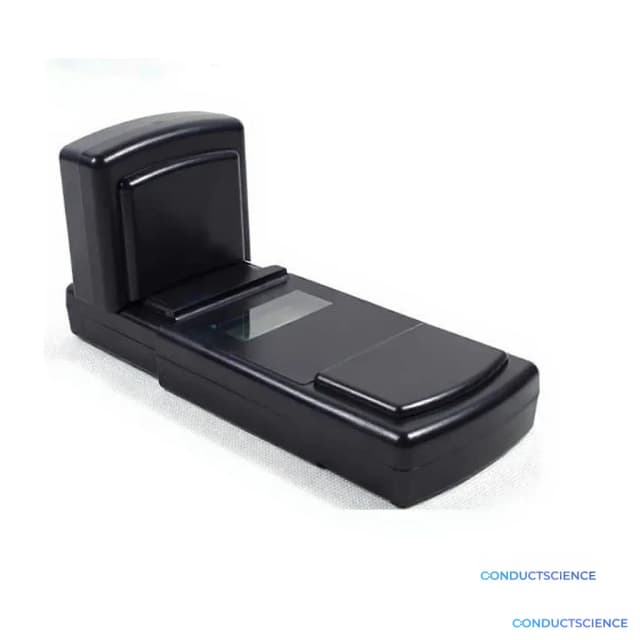
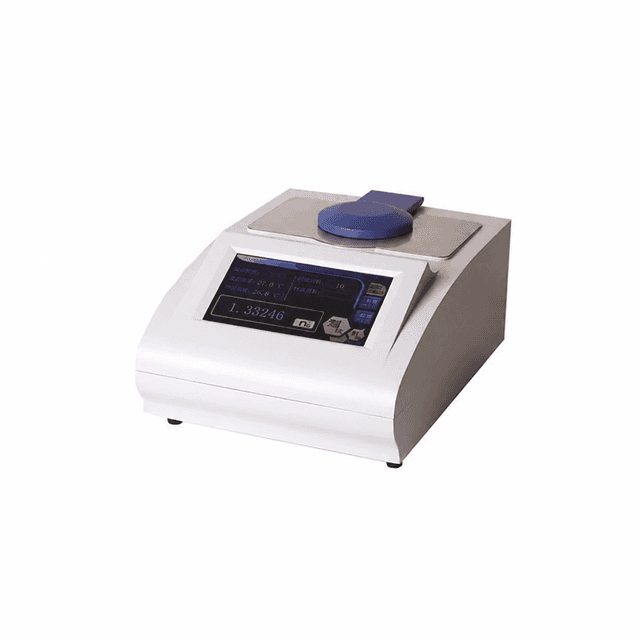
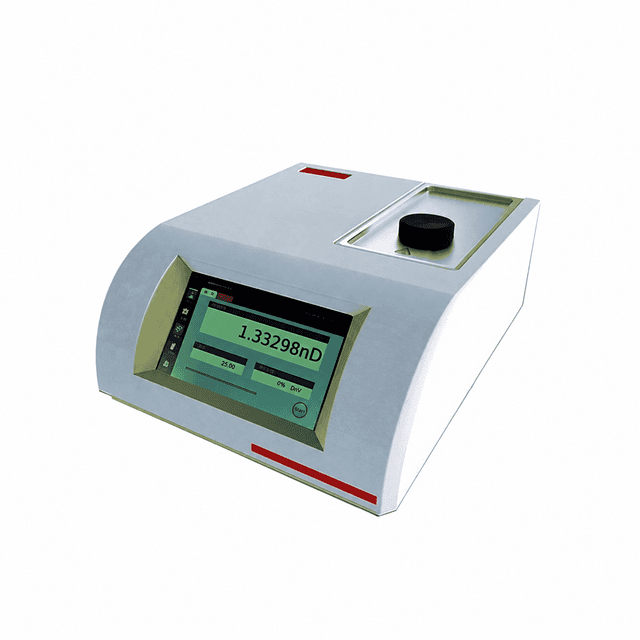
Handheld optical refractometer for measuring ethylene glycol and propylene glycol concentrations in coolant solutions through refractive index analysis.

Louise Corscadden, PhD
Director of Science · ConductScience
Ask Louise about Coolant Refractometer fit, setup, configuration, or quote prep.
Already working with us? Sign in to connect this with My Scientist.
Key Specifications
Full details →- Model fit
- Configured during quote
- SKU family
- CS-LH-B50
- Shipping box
- 20.0 x 10.0 x 5.0 cm
- Ordering
- Online checkout and quote request available
- Category
- Refractometers
- Build notes
- Confirm accessories, station layout, and support needs before purchase
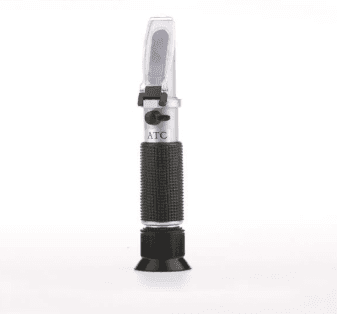
The ConductScience Coolant Refractometer (Model LH-B50) provides quantitative analysis of coolant solutions through refractive index measurement. This handheld optical instrument determines ethylene glycol and propylene glycol concentrations in automotive and industrial coolants by measuring the bending of light as it passes through the sample solution. The refractometer enables assessment of antifreeze protection levels and coolant condition in various applications.
The instrument measures the critical angle at which total internal reflection occurs when light passes from the sample to the measuring prism. This measurement correlates directly to the glycol concentration, allowing users to verify adequate freeze protection and assess coolant degradation. The device also supports electrolyte solution analysis for battery maintenance applications and general aqueous solution testing.
How It Works
Refractometry operates on the principle that light changes direction when passing between media of different densities. The refractometer measures the critical angle at which total internal reflection occurs at the interface between the sample and measuring prism. This critical angle varies predictably with solution concentration, enabling quantitative analysis.
When coolant sample is placed on the daylight plate, light passes through the solution and reaches the measuring prism at various angles. At the critical angle, total internal reflection creates a distinct boundary between light and dark regions visible through the eyepiece. The position of this boundary correlates directly to the refractive index of the sample.
The refractive index increases proportionally with glycol concentration, allowing direct conversion to percentage values through calibrated scales. Temperature affects refractive index measurements, requiring ambient temperature consideration or automatic temperature compensation for accurate results.
Features & Benefits
Model
- LH-B50
Scope of use
- Model No.
Coolant refractometer
- LH-B50
LH-B70
- 0-70%
Automation Level
- manual
Brand
- ConductScience
Research Domain
- Analytical Chemistry
- Environmental Monitoring
- Industrial Hygiene
- Materials Science
- Pharmaceutical QC
Shipping weight
- 0.26 lb
Shipping box
- L: 20.0 cm
- W: 10.0 cm
- H: 5.0 cm
| Feature | This Product | Typical Alternative | Advantage |
|---|---|---|---|
| Measurement Method | Optical refractive index measurement | Entry-level models often use basic optical systems without enhanced optics | Direct optical measurement provides immediate results without electronic calibration requirements. |
| Glycol Compatibility | Dual ethylene and propylene glycol analysis | Single glycol type instruments require separate devices | Versatile analysis capability reduces equipment inventory for mixed coolant applications. |
| Application Range | Coolant and electrolyte solution analysis | Limited to single application types | Multi-purpose capability supports diverse maintenance requirements with single instrument. |
| Portability | Handheld field-portable design | Benchtop models require laboratory setup | Field measurement capability enables on-site analysis without sample transport delays. |
The LH-B50 provides dual glycol compatibility and multi-application capability in a portable optical refractometer design. The instrument offers immediate measurement results through direct refractive index analysis without electronic dependencies.
Practical Tips
Verify zero reading with distilled water before each measurement session.
Why: Ensures baseline accuracy and compensates for any optical drift or contamination.
Allow coolant samples to reach ambient temperature before measurement.
Why: Temperature variations affect refractive index values and measurement accuracy.
Clean optical surfaces immediately after use with distilled water and lint-free cloth.
Why: Prevents sample residue buildup that could affect subsequent measurement accuracy.
Take multiple readings and record the average for critical measurements.
Why: Reduces measurement uncertainty and improves result reliability.
Handle optical components carefully to avoid scratching the measuring surfaces.
Why: Surface damage permanently affects measurement accuracy and instrument performance.
If boundary line appears unclear, ensure adequate sample coverage and clean optical surfaces.
Why: Poor optical contact or contamination prevents clear boundary visualization.
Setup Guide
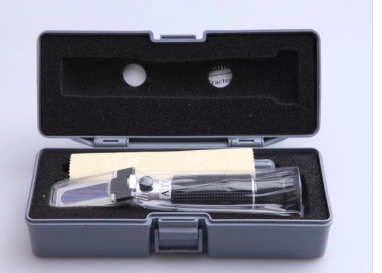
What’s in the Box
- LH-B50 refractometer main unit
- Calibration screwdriver (typical)
- Cleaning cloth (typical)
- Protective case (typical)
- User manual (typical)
Warranty
ConductScience provides standard manufacturer warranty coverage with technical support for proper instrument operation and maintenance guidance.
Compliance
What is the measurement principle for glycol concentration determination?
The refractometer measures the refractive index of the coolant solution, which increases proportionally with glycol concentration, enabling direct conversion to percentage values through calibrated scales.
Can the instrument distinguish between ethylene and propylene glycol?
The refractometer measures total glycol concentration but cannot differentiate between ethylene and propylene glycol types, requiring prior knowledge of the coolant formulation.
How does temperature affect measurement accuracy?
Temperature influences refractive index values, requiring measurements at consistent ambient temperature or temperature compensation for accurate results.
What sample volume is required for measurement?
The instrument requires minimal sample volume to cover the daylight plate surface, typically a few drops for complete optical coverage.
How frequently should calibration be performed?
Calibration verification using distilled water should be performed before each measurement session to ensure accuracy.
What maintenance is required for optical components?
Clean optical surfaces with distilled water and lint-free cloth after each use to prevent contamination and maintain measurement accuracy.
Have a question about this product?
Have a question? Just ask.
Send it over and we'll email you a personalized answer — no call, no scheduling.
Prefer to talk it through?
Accessories
Enhance your setup with compatible accessories