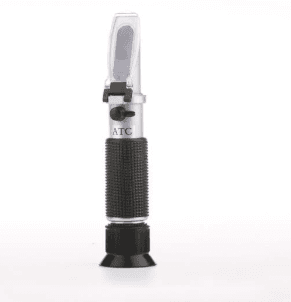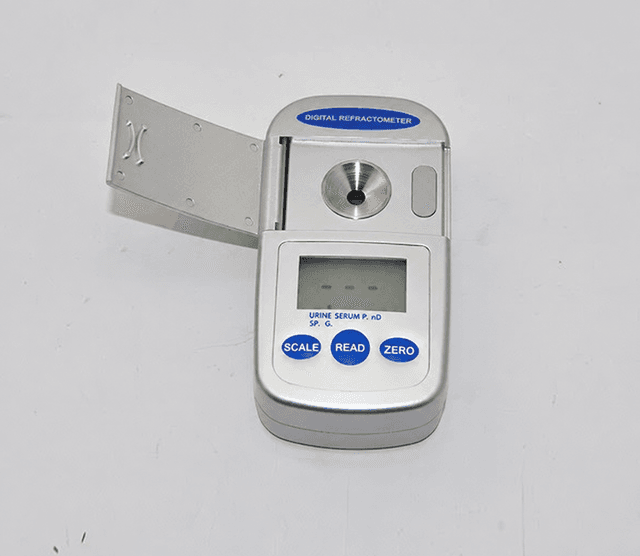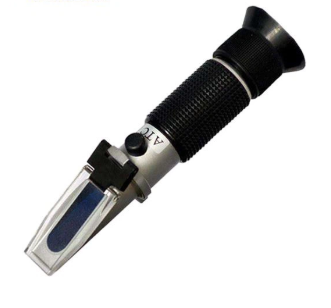
Digital Brix Test Meter
Digital refractometer for measuring sugar concentration and refractive index in solutions from 0-55°Brix, featuring color LCD display and waterproof design.

Louise Corscadden, PhD
Director of Science · ConductScience
Ask Louise about Digital Brix Test Meter fit, setup, configuration, or quote prep.
Already working with us? Sign in to connect this with My Scientist.
Key Specifications
Full details →- Model fit
- Configured during quote
- SKU family
- CS-LH-T55
- Shipping box
- 20.0 x 10.0 x 5.0 cm
- Ordering
- Online checkout and quote request available
- Category
- Refractometers
- Build notes
- Confirm accessories, station layout, and support needs before purchase
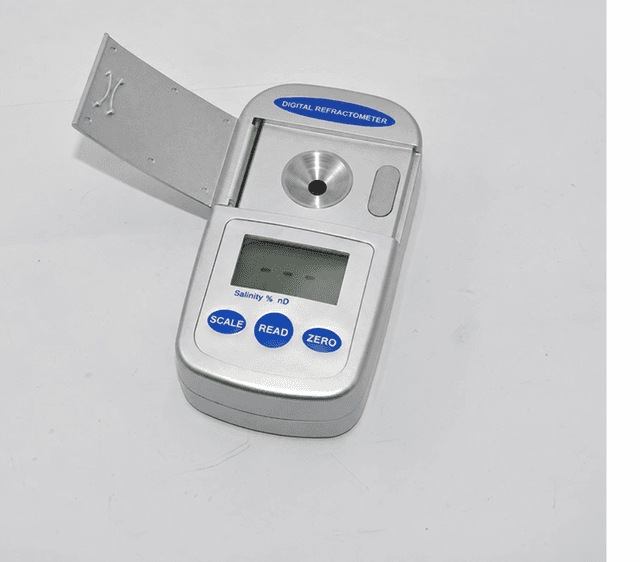
The Digital Brix Test Meter (Model LH-T55) is a digital refractometer designed for rapid determination of sugar concentration and refractive index in aqueous solutions. This instrument utilizes the principle of light refraction to measure soluble solids content, expressed as degrees Brix (°Brix), across a measurement range of 0-55%. The device features a high-definition color LCD display with integrated shading cover for enhanced visibility under varying lighting conditions.
The refractometer incorporates dual detection functionality with both touchscreen and button controls, housed in a waterproof design suitable for laboratory and field applications. A built-in rechargeable battery with magnetic charging system eliminates the need for frequent battery replacement and provides portable operation capability. This instrument requires only a few drops of sample for analysis, making it suitable for applications where sample volume is limited or precious.
How It Works
The Digital Brix Meter operates on the principle of refractometry, measuring the refractive index of a solution to determine its concentration. When light passes from air into a liquid sample, it bends (refracts) at an angle dependent on the solution's density and composition. The instrument directs a light beam through the sample and measures the critical angle at which total internal reflection occurs at the liquid-air interface.
The refractive index measurement is automatically converted to degrees Brix using established correlations between refractive index and sugar concentration. The built-in microprocessor processes the optical signal and displays results on the color LCD screen. Temperature compensation algorithms account for thermal effects on refractive index, ensuring accurate measurements across varying environmental conditions.
Sample analysis requires placing 2-3 drops of solution on the daylight plate, which is then covered and illuminated by the internal LED light source. The optical system focuses the refracted light onto a photodetector array, and the resulting electronic signal is processed to calculate the corresponding Brix value within the 0-55% measurement range.
Features & Benefits
Model
- LH-T55
Model No
- Measurement range
LH-T55
- 0-55%
Automation Level
- manual
Brand
- ConductScience
Research Domain
- Analytical Chemistry
- Environmental Monitoring
- Food Science
- Industrial Hygiene
- Pharmaceutical QC
Shipping weight
- 0.26 lb
Shipping box
- L: 20.0 cm
- W: 10.0 cm
- H: 5.0 cm
| Feature | This Product | Typical Alternative | Advantage |
|---|---|---|---|
| Measurement Range | 0-55°Brix | Entry-level models often limited to 0-32°Brix range | Extended range accommodates concentrated solutions and syrups commonly encountered in food processing applications. |
| Display Technology | High-definition color LCD with shading cover | Basic monochrome displays without light protection | Enhanced visibility and consistent readability under varying ambient lighting conditions improve measurement reliability. |
| Power System | Built-in rechargeable battery with magnetic charging | Disposable batteries requiring frequent replacement | Eliminates operational interruptions and reduces long-term consumable costs while maintaining waterproof integrity. |
| User Interface | Dual control system (touchscreen and buttons) | Single control method, typically buttons only | Provides operational redundancy and interface flexibility for different working environments and user preferences. |
| Environmental Protection | Waterproof housing design | Basic splash-resistant or non-protected housings | Enables thorough cleaning and decontamination while protecting electronics from chemical exposure and moisture. |
The LH-T55 offers an extended 0-55°Brix measurement range with enhanced visibility features including a color LCD display and integrated light shading. The rechargeable battery system with magnetic charging provides operational convenience while maintaining environmental protection.
Practical Tips
Perform zero calibration with distilled water at ambient temperature and verify with a certified sucrose standard solution.
Why: Temperature-matched calibration ensures accuracy across the measurement range and verifies proper instrument function.
Clean the daylight plate immediately after each measurement using distilled water and lint-free tissue, checking for scratches or residue.
Why: Optical clarity of the measuring surface directly affects measurement accuracy and prevents cross-contamination between samples.
Allow samples and instrument to equilibrate to the same temperature for 10-15 minutes before measurement.
Why: Temperature differences between sample and instrument can introduce significant errors in refractive index measurements.
Take duplicate measurements on separate aliquots and average the results for quantitative applications.
Why: Replicate measurements help identify sampling errors and improve precision of concentration determinations.
If readings are inconsistent, check for air bubbles under the daylight plate cover and ensure complete sample coverage.
Why: Air bubbles and incomplete sample coverage create optical discontinuities that interfere with accurate light refraction measurement.
Use appropriate chemical-resistant gloves when handling corrosive or toxic samples and clean the instrument thoroughly afterward.
Why: Protects both operator and instrument from chemical exposure while preventing contamination of subsequent measurements.
Store the instrument in a dry environment with the daylight plate clean and the battery periodically recharged.
Why: Proper storage prevents optical surface degradation and ensures the instrument is ready for immediate use when needed.
Setup Guide
What’s in the Box
- Digital Brix Test Meter (Model LH-T55)
- Magnetic charging cable
- Calibration standard solutions (typical)
- Cleaning accessories and lint-free tissues (typical)
- User manual and quick start guide (typical)
- Protective carrying case (typical)
Warranty
ConductScience provides a standard one-year manufacturer warranty covering defects in materials and workmanship, with technical support available for calibration and operational guidance.
Compliance
What is the measurement accuracy and precision of the LH-T55 across its full range?
Consult the product datasheet for specific accuracy and precision specifications. Typical digital refractometers provide ±0.1-0.2°Brix accuracy, though performance varies with temperature control and calibration frequency.
How frequently should the instrument be calibrated for quantitative work?
Calibrate with distilled water (0.0°Brix) at the beginning of each measurement session and periodically during extended use. For critical quantitative work, verify calibration with certified reference standards daily.
Can this instrument measure non-sugar solutions and what corrections are needed?
The instrument can measure any solution that affects refractive index, but the Brix scale is calibrated specifically for sucrose solutions. For non-sugar solutions, use refractive index values and apply appropriate conversion factors.
What is the operating temperature range and how does temperature affect measurements?
Consult product specifications for operating temperature limits. Temperature significantly affects refractive index, so maintain consistent sample and instrument temperatures and allow thermal equilibration before measurement.
How does this compare to traditional handheld refractometers in terms of precision?
Digital refractometers typically provide better precision and eliminate subjective reading errors associated with optical refractometers, while offering data logging capabilities and automated temperature compensation.
What sample preparation is required for viscous or turbid solutions?
Filter turbid samples or centrifuge to remove particulates that can interfere with optical measurements. For viscous solutions, ensure complete coverage of the daylight plate and allow additional equilibration time.
Can measurement data be exported for documentation and analysis?
Consult product documentation for data output capabilities. Many digital refractometers offer USB connectivity or data logging features for integration with laboratory information management systems.
What maintenance procedures are required to maintain measurement accuracy?
Clean the daylight plate after each use with distilled water, store in a dry environment, and perform regular calibration verification. Replace the daylight plate cover if scratched or damaged, as optical clarity is critical.
Have a question about this product?
Have a question? Just ask.
Send it over and we'll email you a personalized answer — no call, no scheduling.
Prefer to talk it through?