Rice Quality Detector Tester
Automatically analyze whole and broken rice, chalkiness, transparency, yellow and imperfect grain, and grain shape from a scan.
About 30 s per 30 g sample.

Louise Corscadden, PhD
Director of Science · ConductScience
Ask Louise about Rice Quality Detector Tester fit, setup, configuration, or quote prep.
Already working with us? Sign in to connect this with My Scientist.
Key Specifications
Full details →- Chalkiness Parameters Measured
- Average chalky size, chalky grain number, chalky whiteness, chalky grain rate, transparency (whole-sample analysis)
- Supported Rice Varieties
- Indica rice, japonica rice, glutinous rice, silk seedling rice, special rice, organic rice
- Image Acquisition Method
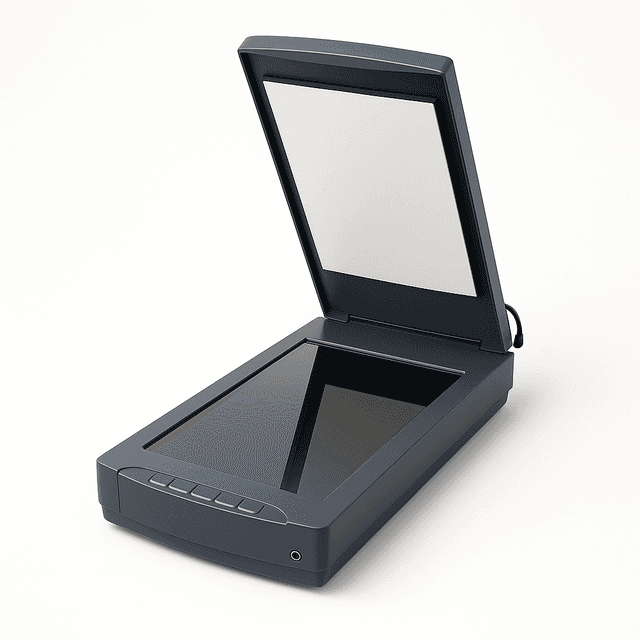
- Scanner-based grain imaging
- Analysis Mode
- Automatic — quality indices generated from scanned image without manual measurement
- Other Quality Indices
- Whole rice rate, broken rice, yellow grain, imperfect grain, grain type
- Per-Grain Measurements
- Area, length, width, aspect ratio, roundness, equivalent diameter
The Rice Quality Detector is an automated imaging instrument designed to analyze and grade rice grain quality with precision and consistency. By capturing a high-resolution scan of the rice sample, the system processes grain images to extract a comprehensive set of quality indices — eliminating the subjectivity of manual visual inspection.
The instrument evaluates chalkiness across five distinct parameters: average chalky size, chalky grain number, chalky whiteness, chalky grain rate, and transparency across the entire sample. These metrics are the primary quality indicators rice breeders, millers, and food scientists use to compare and classify rice lots.
It also measures whole rice rate, broken rice, yellow grain, imperfect grain and grain type, and for each grain it measures area, length, width, aspect ratio, roundness and equivalent diameter. In the grain image, broken rice, whole rice and abnormal grains show in different colors; abnormal grains can be deleted by hand and the data update automatically.
A 30 g sample is analyzed in about 30 seconds. Each test takes 1 to 1200 grains (12 g recommended, up to 30 g) of 0.25 to 20 mm, and automatic measurement accuracy is 99% or better, reaching 100% after interactive correction. The scanner has 4800 × 9600 optical resolution over a 30 cm × 20 cm area. The software runs on a standard computer, saves each image, distribution map and result, exports to Excel and prints to a standard thermal printer. It supports sample barcodes and has an RS232 data interface for an electronic balance.
The detector supports a broad range of rice varieties, including indica, japonica, glutinous, silk seedling, special-purpose, and organic rice — making it suitable for breeding programs, post-harvest quality control, grain trading, and food science research.
For labs and facilities that require consistent, documentable rice quality assessment, this instrument delivers automated analysis in a single scan-to-report workflow.
Chalkiness Parameters Measured
- Average chalky size, chalky grain number, chalky whiteness, chalky grain rate, transparency (whole-sample analysis)
Supported Rice Varieties
- Indica rice, japonica rice, glutinous rice, silk seedling rice, special rice, organic rice
Image Acquisition Method
- Scanner-based grain imaging
Analysis Mode
- Automatic — quality indices generated from scanned image without manual measurement
Other Quality Indices
- Whole rice rate, broken rice, yellow grain, imperfect grain, grain type
Per-Grain Measurements
- Area, length, width, aspect ratio, roundness, equivalent diameter
Test Time
- About 30 s for a 30 g sample
Sample Size
- 1 to 1200 grains per test; 12 g recommended; up to 30 g
Grain Size Range
- 0.25 to 20 mm
Accuracy
- Whole rice rate error ≤ ±1.0%; chalky whiteness error ≤ 1.0%; automatic measurement accuracy ≥ 99%, 100% after interactive correction
Scanner
- Optical resolution 4800 × 9600; scan area 30 cm × 20 cm; minimum pixel size 0.0053 mm × 0.0026 mm
Software and Data
- Runs on a standard computer with dedicated image software; saves images, distribution maps and results; exports to Excel; prints to a standard thermal printer
Interfaces
- Sample barcode; RS232 data interface for an electronic balance
Software License
- Hardware key (dongle) plus dynamic two-dimensional code
What types of rice can this instrument analyze?
The detector supports a wide range of rice varieties, including indica rice, japonica rice, glutinous rice, silk seedling rice, special rice, and organic rice.
What chalkiness parameters does the instrument measure?
The instrument measures five chalkiness-related indices across the rice sample: average chalky size, chalky grain number, chalky whiteness, chalky grain rate, and transparency.
What does it measure besides chalkiness?
It measures whole rice rate, broken rice, yellow grain, imperfect grain and grain type, plus the area, length, width, aspect ratio, roundness and equivalent diameter of each grain.
How long does a test take, and how large is a sample?
A 30 g sample takes about 30 seconds. Each test takes 1 to 1200 grains; 12 g is the recommended sample, and up to 30 g can be scanned.
How does the instrument capture and process rice grain data?
The detector uses a scanner to obtain an image of the rice sample. Once the image is acquired, the system automatically analyzes and evaluates the quality indices — no manual measurement is required.
Is this instrument suitable for both research and quality-control applications?
Yes. Because it can analyze multiple rice types and automatically produce standardized quality indices, it is well suited for plant breeding programs, post-harvest evaluation, grain grading operations, and food science research.
Does the system require manual input to classify rice variety before analysis?
The instrument is designed to automatically analyze and evaluate the rice sample after the image is obtained, supporting a range of rice types within a single platform.
Have a question about this product?
Have a question? Just ask.
Send it over and we'll email you a personalized answer, with no call or scheduling.
Prefer to talk it through?
Frequently Bought Together