ConductVision
$1,490 per year for one computerA 5-year license is $3,990 in total.
Results export as CSV files.

Behavioral apparatus for assessing skilled forelimb reaching and fine motor control in mice and rats through gap-constrained reaching tasks.

Director of Science · ConductScience
Ask Louise about Skilled Forelimb Test fit, setup, configuration, or quote prep.
Already working with us? Sign in to connect this with My Scientist.
From 2021 to 2025, 92 animal research papers mentioned skilled reaching. The count covers the test on any apparatus, not only this one.
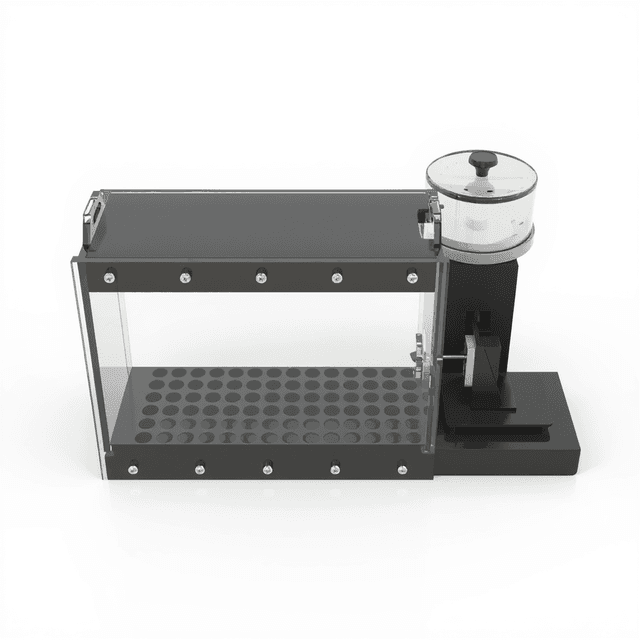
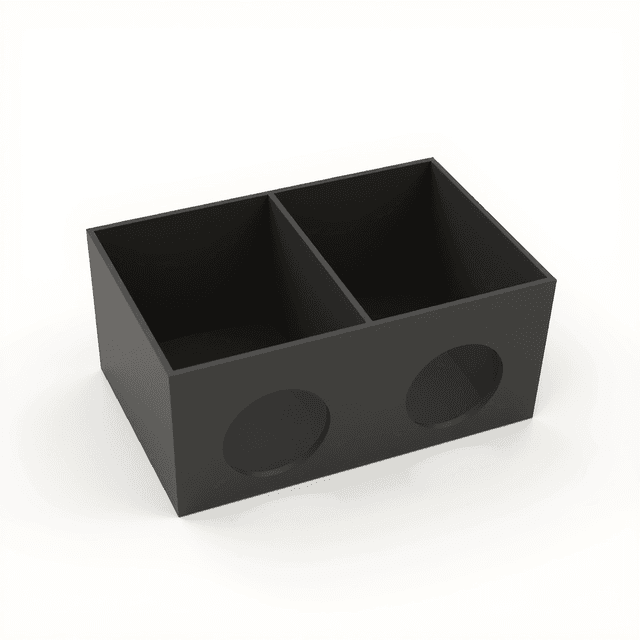
The Skilled Forelimb Test is a specialized behavioral apparatus designed to assess fine motor control and dexterous forelimb function in laboratory rodents. This apparatus consists of a narrow chamber with adjustable gap widths (0.5 cm for mice, 1 cm for rats) that requires animals to perform skilled reaching movements to retrieve food rewards. The test chamber dimensions are optimized for each species - 23 cm length × 10 cm width × 20 cm height for mice, and 35 cm length × 15 cm width × 30 cm height for rats.
The apparatus is commonly used in neuroscience research to evaluate motor learning, motor recovery following injury, and the effects of neurological interventions on skilled movement. The narrow gap design forces animals to use precise forelimb movements rather than relying on gross motor function, making it particularly sensitive to subtle changes in motor control. The test requires assembly and includes storage components for laboratory organization.
The Skilled Forelimb Test operates on the principle of constrained reaching, where animals must perform precise motor movements through a narrow gap to obtain food rewards. The apparatus creates a spatial constraint that eliminates compensatory strategies and requires the use of skilled forelimb control rather than gross motor movements. Animals are typically food-restricted and trained to reach through the gap to retrieve small food pellets placed at specific distances.
The test measures multiple parameters including success rate, reaching trajectory, grip formation, and movement kinematics. The narrow gap width (0.5 cm for mice, 1 cm for rats) is calibrated to allow passage of the forelimb while preventing the use of the mouth or compensatory body movements. This design ensures that successful food retrieval depends specifically on skilled digit control and coordinated shoulder, elbow, and wrist movements.
Performance is typically quantified by measuring the percentage of successful reaches, the number of attempts required per successful retrieval, and qualitative measures of movement patterns. The apparatus can be used for both acute assessments and longitudinal studies of motor learning or recovery.
These IDs come from NCBI Taxonomy. Use them in data records and methods sections.
NCBITaxon:10090 NCBITaxon:10116 | Measurement | Mouse Skilled Forelimb Apparatus | Rat Skilled Forelimb Apparatus |
|---|---|---|
| Height | 20 cm | 30 cm |
| Length | 23 cm | 35 cm |
| Width | 10 cm | 15 cm |
| Gap | 0.5 cm | 1 cm |
Ready for RO-Crate, the open standard for sharing data.
| Feature | This Product | Typical Alternative | Advantage |
|---|---|---|---|
| Gap Width Precision | Calibrated 0.5 cm (mouse) and 1 cm (rat) gaps | Variable or non-standardized gap sizes | Ensures consistent motor challenge and eliminates inter-study variability in task difficulty. |
| Species Optimization | Dedicated mouse and rat chamber dimensions | Single-size chambers requiring adaptation | Proper scaling ensures appropriate reach distance and postural demands for each species. |
| Storage Integration | Includes storage components for organization | No integrated storage solutions | Maintains laboratory organization and protects components between testing sessions. |
| Assembly Design | Modular assembly-required construction | Fixed pre-assembled units | Enables compact storage and transport while allowing setup verification before each study. |
| Construction Quality | Durable materials with 1-year warranty | Varies by model and manufacturer | Ensures dimensional stability and reliable performance for longitudinal research projects. |
This apparatus provides calibrated gap widths and species-optimized dimensions with integrated storage solutions. The modular design balances durability with laboratory space efficiency while maintaining the precision required for skilled motor assessment.
| Model | Size | SKU | Listed price | Status | Shipping box |
|---|---|---|---|---|---|
| Mouse Skilled Forelimb Apparatus | Height 20 cm · Length 23 cm · Width 10 cm · Gap 0.5 cm | 4301 | $590.00 | Available | 23 × 10 × 20 cm |
| Rat Skilled Forelimb Apparatus | Height 30 cm · Length 35 cm · Width 15 cm · Gap 1 cm | 4302 | $690.00 | Available | 35 × 15 × 30 cm |
Verify gap dimensions before each study using precision calipers or measuring tools.
Why: Dimensional accuracy is critical for consistent motor challenge and reproducible results across sessions.
Clean the apparatus with mild detergent between animals and inspect for wear or damage to gap edges.
Why: Contamination or structural changes can affect animal behavior and compromise data quality.
Maintain consistent food pellet size and placement distance throughout the study.
Why: Standardized reward parameters ensure that performance changes reflect motor ability rather than task difficulty variations.
Conduct training sessions at the same time of day when using food restriction protocols.
Why: Consistent timing maintains stable motivation levels and reduces variability in reaching performance.
Record multiple camera angles when performing kinematic analysis of reaching movements.
Why: Multi-angle recording enables 3D motion reconstruction and more complete assessment of movement patterns.
If animals are not engaging with the task, verify appropriate food restriction and pellet palatability.
Why: Insufficient motivation is a common cause of poor task engagement and can mask motor assessment capabilities.
Ensure gap edges are smooth and free of sharp surfaces that could injure animals during reaching.
Why: Animal welfare requirements and data integrity both depend on preventing injury during behavioral testing.
ConductScience provides a comprehensive 1-year manufacturer warranty covering defects in materials and workmanship, with technical support available for setup and protocol optimization.
Background reading relevant to this product:
Specifications, models, materials, and operating envelopes
How long does it typically take to train animals on the skilled reaching task?
Training duration varies by species and individual animals, but most protocols involve 1-2 weeks of daily sessions for initial task acquisition, with some animals requiring additional time to reach stable performance levels.
Can the apparatus be used with automated food delivery systems?
The basic apparatus is designed for manual food pellet placement, but the open design allows integration with automated pellet dispensers for high-throughput studies or precisely timed reward delivery.
What video recording equipment is recommended for kinematic analysis?
High-speed cameras operating at 200-500 fps are typically used to capture detailed reaching movements, with multiple camera angles recommended for 3D motion analysis.
How should I standardize food pellet placement for consistent results?
Use a template or measuring guide to place pellets at consistent distances from the gap, typically 1-3 cm away depending on your specific protocol requirements.
What maintenance is required to ensure consistent gap dimensions?
Regularly verify gap widths using precision measuring tools, as repeated use or cleaning may affect dimensional accuracy over time.
Can the test distinguish between different types of motor impairments?
Yes, the test can differentiate between various motor deficits through analysis of success rates, reaching trajectories, grip formation patterns, and compensation strategies.
Is the apparatus compatible with optogenetic or other real-time intervention studies?
The open design allows for integration of fiber optic cannulae, recording electrodes, or other intervention hardware during behavioral testing.
Research data
92 animal research papers in PubMed from 2021 to 2025 mention skilled reaching
32% fewer than the 135 papers from 2011 to 2015
These counts are for the test, whoever made the apparatus, not for this product.
The lists below cover 2021 to 2025, the years in the band.
Hover over a bar to see its year. Click or tap a bar to show only that year in the lists below, or drag across the bars to show a span of years. On a keyboard, use the arrow keys on the chart to read each year, and the menus below it to pick the years.
A paper can mention more than one species, test or condition, so the percentages can add up to more than 100%.
To put a whole battery on one quote, open the test battery tool and start from skilled reaching. Pick the other tests your study will run, then add the apparatus we sell for each.
By papers from 2021 to 2025, skilled reaching ranks 57th of the 90 tests we track.
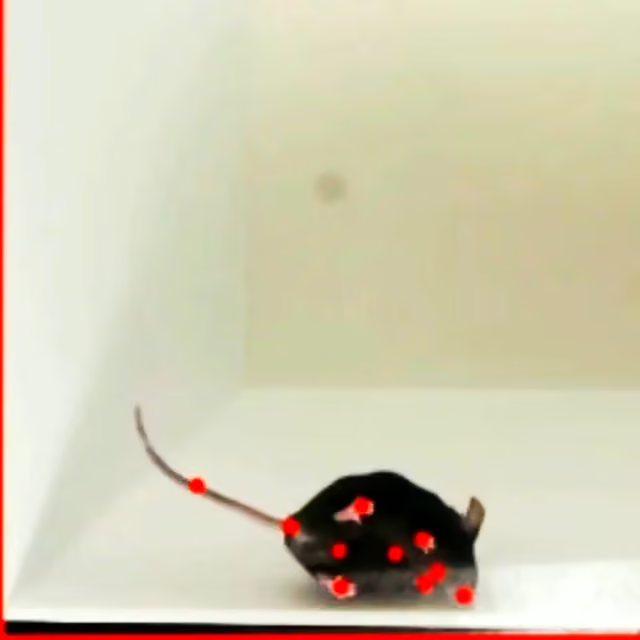
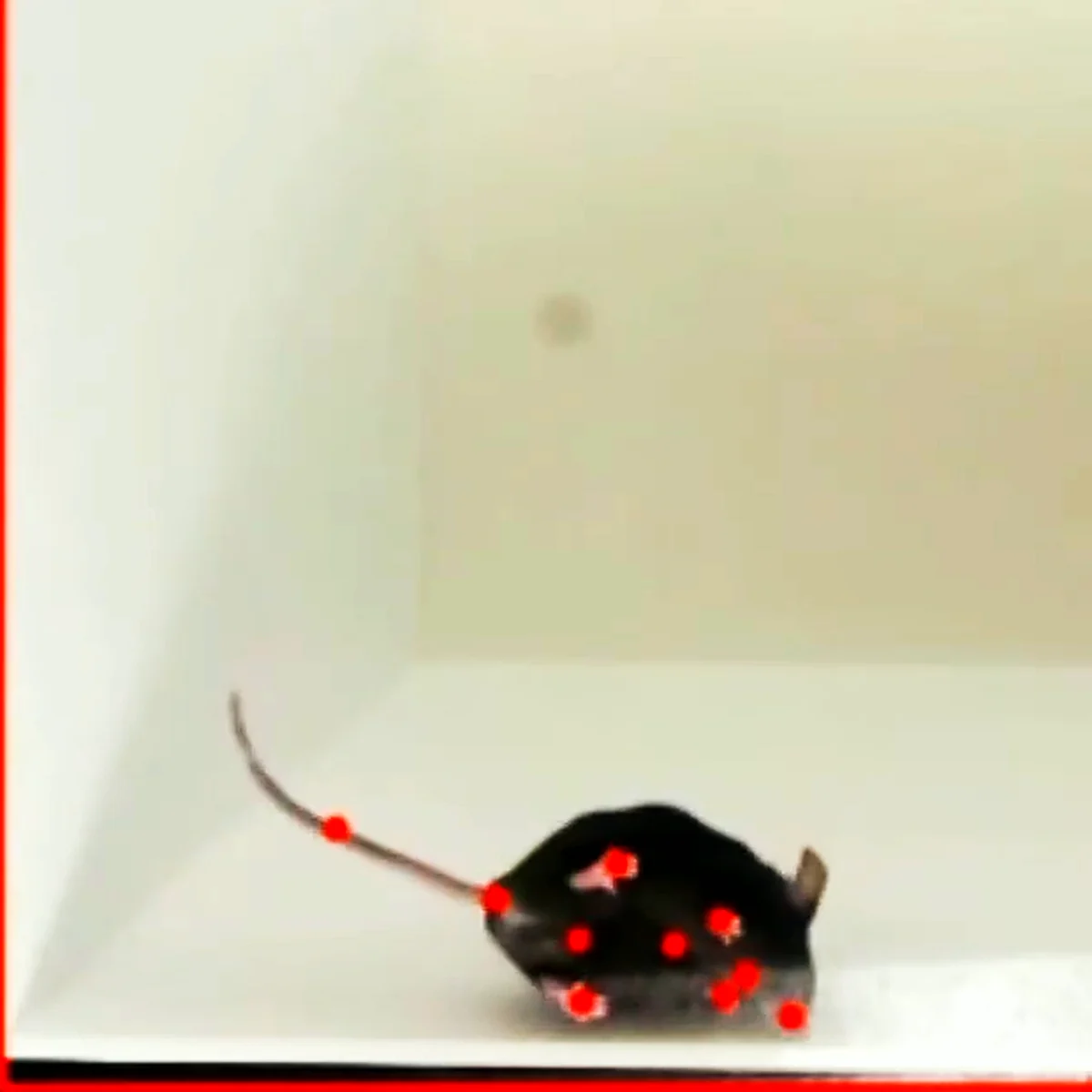
ConductVision is our video-tracking software. Record your sessions on video, and it scores standard rodent tests, such as those listed below.
To check whether ConductVision scores your protocol in this apparatus, ask in your quote request.
A 5-year license is $3,990 in total.
Results export as CSV files.
Send it over and we'll email you a personalized answer, with no call or scheduling.
Prefer to talk it through?
Enhance your setup with compatible accessories