
1 / 4
Spatial Reorientation
SKU CS-958211
$2,879.99
IncludesStandard care
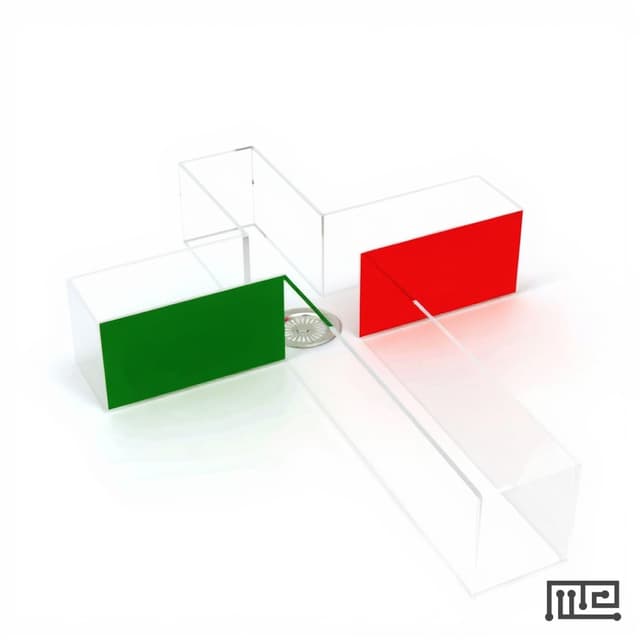
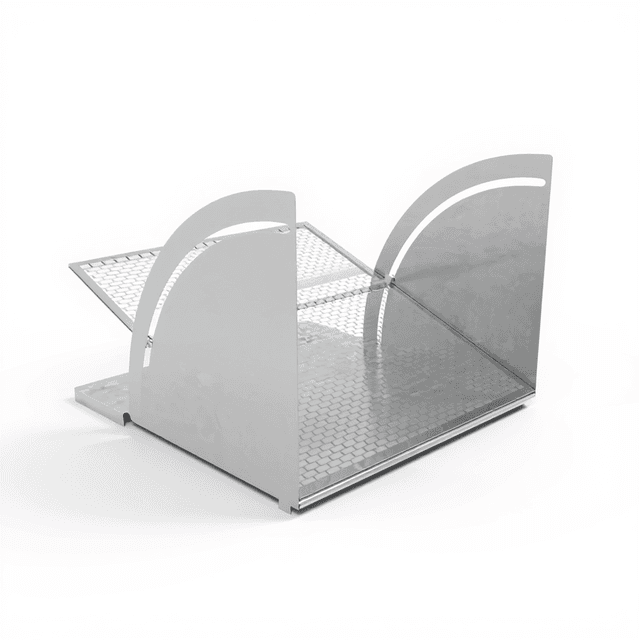
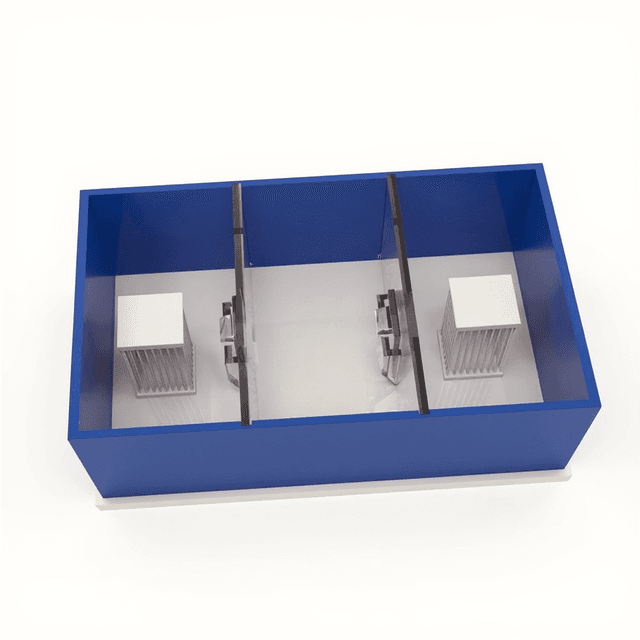
Behavioral testing apparatus for investigating spatial navigation, cognitive mapping, and reorientation abilities in laboratory animals through controlled geometric and landmark-based navigation tasks.
CE MarkedBAA available
Scientist guidance

Louise Corscadden, PhD
Director of Science · ConductScience
Ask Louise about Spatial Reorientation fit, setup, configuration, or quote prep.
Already working with us? Sign in to connect this with My Scientist.
Key Specifications
Full details →- Model fit
- Mouse, Rat
- SKU family
- CS-958211
- Shipping box
- 65.0 x 36.0 x 27.0 cm
- Ordering
- Online checkout and quote request available
- Category
- Behavioral Mazes
- Build notes
- Confirm accessories, station layout, and support needs before purchase
The Spatial Reorientation apparatus is designed for investigating spatial navigation and cognitive mapping abilities in laboratory animals. This behavioral testing system allows researchers to study how subjects use geometric and landmark-based cues to navigate and reorient themselves within controlled environments. The apparatus provides a standardized framework for examining the neural mechanisms underlying spatial cognition and the development of navigational strategies.
Spatial reorientation testing involves placing subjects in an enclosed space where they must relocate hidden targets or escape routes after being disoriented. The system enables systematic investigation of how animals integrate visual, geometric, and spatial information to maintain orientation and successfully navigate to goal locations. This methodology is particularly valuable for studying hippocampal function, spatial memory formation, and the ontogeny of navigational abilities across different species and developmental stages.
How It Works
Spatial reorientation testing operates on the principle that animals naturally encode geometric information about their environment to maintain spatial orientation. The apparatus provides a controlled geometric environment where subjects can be systematically disoriented and then tested on their ability to relocate specific locations using available spatial cues. The geometric properties of the testing space, such as corner angles and wall lengths, serve as the primary navigational framework.
During testing, subjects first learn the location of a hidden target or escape route within the apparatus. After a disorientation procedure, animals must use the geometric configuration of the space, along with any available landmark cues, to successfully navigate back to the goal location. The system allows researchers to manipulate the availability of geometric versus landmark information, enabling investigation of how different types of spatial cues are weighted and integrated during navigation.
The apparatus design permits systematic variation of environmental parameters, including the presence or absence of distinctive landmarks, changes in lighting conditions, and modifications to the geometric configuration. This flexibility enables researchers to isolate specific aspects of spatial processing and examine how different neural systems contribute to successful reorientation and navigation behavior.
Features & Benefits
Geometric boundary configuration
Provides standardized spatial framework for investigating how subjects encode and utilize geometric information during navigation tasks.
Modular design architecture
Allows systematic manipulation of environmental parameters and geometric configurations to isolate specific aspects of spatial processing.
Controlled landmark placement
Enables researchers to systematically vary the availability of distinctive visual cues and study cue integration during reorientation.
Multiple entry point options
Supports randomization of starting positions to prevent subjects from developing non-spatial behavioral strategies.
Standardized dimensions
Ensures reproducibility across studies and facilitates comparison with published spatial navigation research protocols.
Integration compatibility
Accommodates video tracking systems and behavioral analysis software for automated data collection and analysis.
Species-appropriate scaling
Dimensional specifications accommodate the natural movement patterns and spatial scales relevant to the target species.
Behavioral Construct
- Spatial Navigation
- Spatial Memory
- Cognitive Mapping
- Reorientation
- Geometric Processing
Automation Level
- manual
Research Domain
- Aging Research
- Behavioral Pharmacology
- Developmental Biology
- Learning and Memory
- Neurodegeneration
- Neuroscience
Species
- Mouse
- Rat
Compatible Tracking Software
- ConductVision
Shipping weight
- 6.06 lb
Shipping box
- L: 65.0 cm
- W: 36.0 cm
- H: 27.0 cm
| Feature | This Product | Typical Alternative | Advantage |
|---|---|---|---|
| Geometric Framework | Standardized geometric configuration designed for reorientation studies | Many spatial tasks lack systematic geometric control | Enables specific investigation of geometric versus landmark-based navigation strategies. |
| Environmental Control | Controlled spatial environment with minimal external cues | Open field tests often include uncontrolled visual information | Reduces confounding variables and improves experimental precision in spatial cognition research. |
| Protocol Standardization | Purpose-built for established reorientation testing protocols | Generic behavioral chambers require extensive modification | Facilitates implementation of validated spatial navigation paradigms without custom fabrication. |
| Species Adaptability | Dimensional specifications appropriate for common laboratory species | Many apparatus designs favor single species requirements | Supports comparative spatial cognition research across different animal models. |
This spatial reorientation apparatus provides a standardized platform for investigating geometric processing and spatial navigation. The controlled geometric framework enables systematic study of how subjects integrate spatial cues during reorientation tasks.
Neuroscience
Investigating hippocampal function and place cell activity by examining how subjects use geometric boundaries and landmarks for spatial navigation and memory formation.
Learning and Memory
Assessing spatial memory development and retention by testing subjects' ability to relocate hidden targets after disorientation in geometrically defined environments.
Behavioral Pharmacology
Evaluating the effects of pharmacological interventions on spatial cognition by comparing navigation performance before and after drug administration in reorientation tasks.
Developmental Biology
Studying the ontogeny of spatial navigation abilities by testing subjects at different developmental stages to understand how geometric processing emerges during maturation.
Neurodegeneration
Monitoring spatial cognitive decline in disease models by tracking changes in reorientation performance and geometric cue utilization over time.
Aging Research
Comparing spatial navigation strategies between young and aged subjects to understand age-related changes in hippocampal-dependent spatial processing.
Practical Tips
Calibration
Verify geometric accuracy using precision measurement tools before each experimental series.
Why: Small deviations in corner angles or wall lengths can significantly affect spatial encoding and navigation behavior.
Maintenance
Clean all surfaces with odor-neutral disinfectants between subjects to prevent olfactory cue contamination.
Why: Residual scent trails can provide unintended navigational cues that confound spatial cognition measurements.
Best Practices
Randomize target locations and entry points across trials to prevent development of non-spatial response strategies.
Why: Consistent spatial relationships can lead to procedural learning rather than true spatial navigation assessment.
Troubleshooting
Monitor subject behavior during habituation to identify stress-related responses that may affect navigation performance.
Why: Anxiety or fear responses can override spatial processing and lead to reduced exploration and navigation accuracy.
Data Quality
Record multiple trials per session and analyze first-choice accuracy alongside latency measures for comprehensive assessment.
Why: Single-trial measurements may not capture the full range of spatial processing abilities or learning effects.
Safety
Ensure apparatus edges are smooth and corners are appropriately rounded to prevent injury during rapid navigation movements.
Why: Sharp edges or corners can cause injury and create negative associations that affect subsequent testing behavior.
Setup Guide
Unpack and Inspect
Remove all components from shipping container and verify completeness against the included parts list. Inspect for any damage that may have occurred during transport.
Environment Preparation
Select a testing room with controlled lighting and minimal external visual cues. Ensure adequate space around the apparatus for subject observation and data collection equipment.
Assembly and Calibration
Assemble the apparatus according to the provided specifications, ensuring all geometric dimensions are precise. Verify that corners are square and walls are perpendicular using measurement tools.
Baseline Testing Setup
Position any recording equipment and establish baseline lighting conditions. Mark target locations and establish standardized entry points for consistent trial procedures.
Subject Habituation
Allow subjects to explore the apparatus during initial sessions without testing procedures to reduce novelty-induced stress and establish baseline behavior patterns.
Protocol Implementation
Begin systematic testing following established reorientation protocols, ensuring consistent disorientation procedures and target location randomization across trials.
Data Collection
Record navigation paths, latencies, and error patterns using established behavioral coding methods or automated tracking systems integrated with the apparatus.
What’s in the Box
- Spatial reorientation apparatus components (typical)
- Assembly hardware and fasteners (typical)
- Setup and calibration instructions (typical)
- Behavioral testing protocol guide (typical)
- Dimensional verification tools (typical)
Warranty
ConductScience provides a one-year manufacturer warranty covering defects in materials and workmanship, along with technical support for setup and protocol implementation.
Compliance
Animal Welfare GuidelinesSupports behavioral testing protocols designed to minimize stress while maintaining scientific validity in spatial cognition research.
Laboratory Animal Care StandardsCompatible with institutional animal care protocols requiring standardized environmental conditions and behavioral testing procedures.
References
Background reading relevant to this product:
1.Linda Hermer et al. (1994) “A geometric process for spatial reorientation in young children” Nature doi:10.1038/370057a0
2.Linda Hermer et al. (1996) “Modularity and development: the case of spatial reorientation” Cognition doi:10.1016/s0010-0277(96)00714-7
3.Ken Cheng et al. (2013) “25 years of research on the use of geometry in spatial reorientation: a current theoretical perspective” Psychonomic Bulletin & Review doi:10.3758/s13423-013-0416-1
4.Joshua B. Julian et al. (2018) “The Neurocognitive Basis of Spatial Reorientation” Current Biology doi:10.1016/j.cub.2018.04.057
Q
What geometric configurations are most effective for studying reorientation behavior?
A
Rectangular enclosures with distinctive corner angles provide optimal geometric information while maintaining experimental control. The specific dimensions should be scaled appropriately for the test species.
Q
How should disorientation procedures be standardized across trials?
A
Consistent rotation patterns with randomized direction and duration help ensure subjects cannot use proprioceptive cues. Multiple gentle rotations followed by a brief holding period before release is commonly employed.
Q
What behavioral measures provide the most reliable spatial cognition data?
A
Primary measures include first choice accuracy, latency to target location, and search pattern analysis. Path efficiency and corner preference ratios provide additional insights into geometric processing.
Q
How does apparatus size affect navigation behavior across different species?
A
Apparatus dimensions should accommodate natural movement patterns while maintaining geometric relationships that support spatial encoding. Scaling factors must preserve the relative geometric information available to subjects.
Q
What environmental controls are critical for reproducible results?
A
Consistent lighting, minimal external cues, and controlled acoustic environment are essential. Temperature and humidity should remain stable to prevent behavioral confounds.
Q
How can landmark cues be systematically manipulated within the geometric framework?
A
Removable or repositionable landmark elements allow investigation of geometric versus featural cue integration. The salience and position of landmarks can be varied to study cue competition effects.
Q
What data analysis approaches best capture spatial navigation strategies?
A
Heat map analysis, trajectory clustering, and statistical comparison of corner preferences provide comprehensive assessment of spatial strategies. Automated tracking systems enhance data quality and reduce analysis time.
Have a question about this product?
Track rodents with ConductVision
ConductVision is our video-tracking software. Record your sessions on video, and it scores standard rodent tests, such as those listed below.
Examples of tests it scores
To check whether ConductVision scores your protocol in this apparatus, ask in your quote request.
Ask a question
Have a question? Just ask.
Send it over and we'll email you a personalized answer — no call, no scheduling.
Personalized email reply
Usually within one business day
Helpful answers published here
Prefer to talk it through?
Accessories
Enhance your setup with compatible accessories

Total: $0.00
Frequently Bought Together
Total: $590.00

Spatial Reorientation
$2,879.99
Added to quoteView Quote