Tablet Hardness Tester BYD-2
Precision tablet hardness tester with 2-200N force range, dual measurement modes, and automated batch testing capabilities for pharmaceutical quality control.

Louise Corscadden, PhD
Director of Science · ConductScience
Ask Louise about Tablet Hardness Tester BYD-2 fit, setup, configuration, or quote prep.
Already working with us? Sign in to connect this with My Scientist.
Key Specifications
Full details →- Model fit
- Configured during quote
- SKU family
- BIO-BYD-2
- Shipping box
- 15.75 x 9.45 x 1.57 cm
- Ordering
- Online checkout and quote request available
- Category
- Tablet Testing
- Build notes
- Confirm accessories, station layout, and support needs before purchase
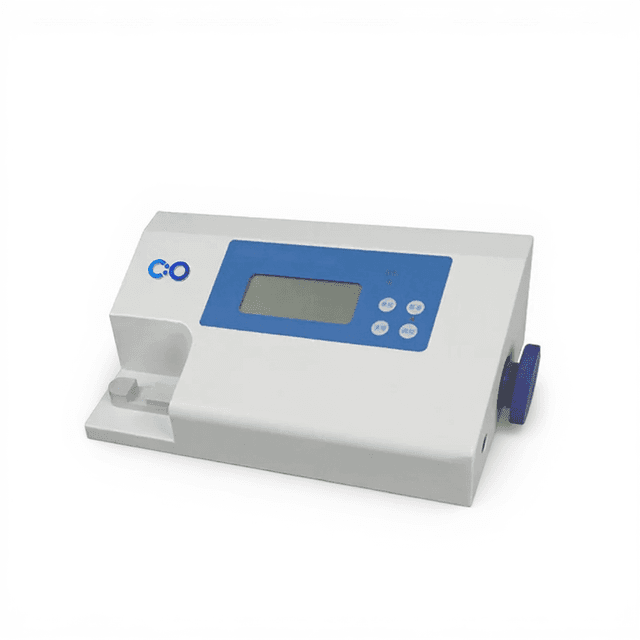
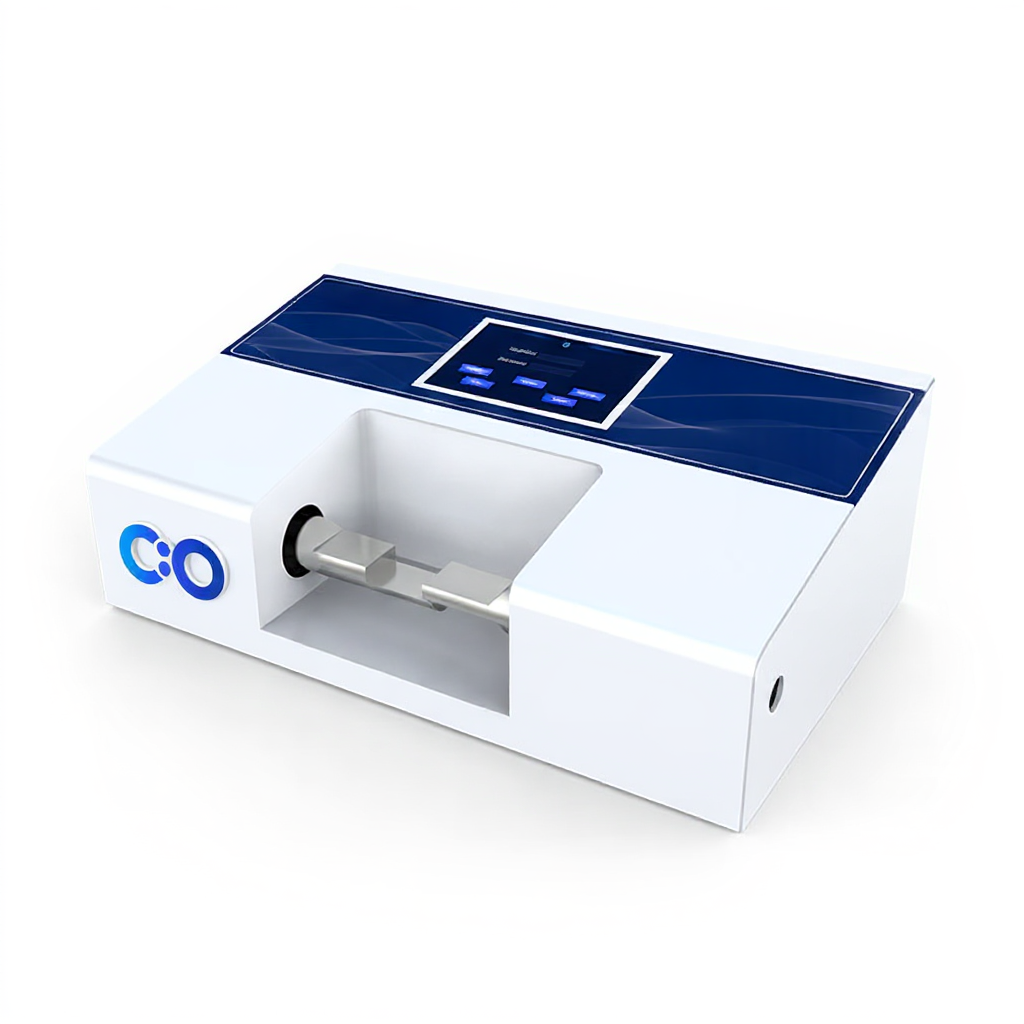
The Tablet Hardness Tester BYD-2 is a precision force measurement instrument designed for pharmaceutical quality control applications. This benchtop system employs a high-precision pressure sensor to determine tablet breaking force across a range of 2-200N (0.2-20kg), with optional extension to 500N (0.2-50kg) for specialized formulations. The instrument accommodates tablets from 2-40mm diameter and provides ±0.5% accuracy with ±1% repeatability for consistent analytical results.
The system features dual measurement modes supporting both manual single-tablet analysis and automatic continuous testing of up to 100 tablets per batch. Integrated automated functions include real-time force display, auto-locking mechanisms, cyclic testing protocols, linear error correction, and comprehensive fault diagnosis. Historical data query capabilities facilitate efficient batch documentation and trend analysis for pharmaceutical manufacturing environments.
How It Works
The BYD-2 operates on the principle of diametral compression testing, applying controlled force perpendicular to the tablet's longest axis until fracture occurs. The high-precision pressure sensor measures the peak force at the moment of tablet failure, recording this value as the tablet breaking force in Newtons. The system maintains consistent loading conditions through automated force application, eliminating operator variability and ensuring reproducible measurements.
During testing, tablets are positioned between parallel platens with the compression force applied at a controlled rate. The LCD display provides real-time force feedback while automated functions manage tablet positioning, force application, and data capture. Linear error correction algorithms compensate for systematic measurement variations, while the fault diagnosis system identifies potential testing irregularities that could compromise data quality.
For continuous testing mode, the system automatically cycles through tablet batches, calculating ejection travel distances to minimize downtime between measurements. Historical data storage enables batch trend analysis and statistical evaluation of tablet mechanical properties across production runs.
Features & Benefits
Pressure Sensor
- High-precision
Measurement Modes
- Manual single-tablet testing or automatic continuous testing
Automated Functions
- Tablet pressing, real-time display, auto-locking, auto-reset, cyclic testing, linear error correction, and fault diagnosis
Data Management
- Historical data query for automatic continuous testing
Ejection Travel
- Automatic calculation
Diameter Measurement
- Quick and precise tablet diameter measurement
Display Type
- LCD
Shipping weight
- 44.09 lb
Shipping box
- L: 15.75 cm
- W: 9.45 cm
- H: 1.57 cm
| Feature | This Product | Typical Alternative | Advantage |
|---|---|---|---|
| Force Measurement Range | 2-200N standard, expandable to 500N | Entry-level models typically offer narrower ranges like 2-100N | Broader range accommodates diverse tablet formulations from immediate-release to specialized extended-release products in a single instrument. |
| Measurement Resolution | 0.1N resolution with ±0.5% accuracy | Basic testers often provide 1N resolution with lower accuracy | Higher resolution enables detection of subtle formulation changes critical for pharmaceutical development and quality control. |
| Testing Modes | Dual modes: manual single-tablet and automatic continuous testing | Most basic instruments offer single manual testing only | Flexibility supports both research applications requiring individual analysis and production workflows requiring batch processing. |
| Batch Capacity | Up to 100 tablets per test group | Manual instruments typically test one tablet at a time | Large batch capacity enables statistical analysis with sufficient sample sizes for meaningful pharmaceutical quality assessment. |
| Data Management | Historical data query with automated storage | Basic models often lack data storage capabilities | Comprehensive data management supports regulatory documentation requirements and enables trend analysis for process optimization. |
| Automated Functions | Auto-locking, auto-reset, cyclic testing, linear error correction, fault diagnosis | Simple instruments require full manual operation | Automation reduces operator variability and measurement errors while improving testing consistency and efficiency. |
The BYD-2 combines precision force measurement with automated batch processing capabilities and comprehensive data management. Its dual-mode operation and extensive automation distinguish it from basic manual testers while maintaining the accuracy required for pharmaceutical applications.
Practical Tips
Perform calibration verification with certified reference standards at regular intervals to maintain the ±0.5% accuracy specification.
Why: Regular calibration ensures measurement traceability and compliance with pharmacopeial requirements for tablet breaking force determination.
Keep the parallel platens clean and inspect for surface damage that could affect force distribution during tablet compression.
Why: Platen condition directly impacts measurement accuracy and tablet fracture patterns during breaking force testing.
Allow tablets to equilibrate to testing temperature and humidity conditions before measurement to ensure consistent results.
Why: Environmental conditions affect tablet mechanical properties and can introduce variability in breaking force measurements.
Use the automatic continuous testing mode for batch analysis to minimize operator influence on measurement variability.
Why: Automated testing reduces human error and provides more consistent force application rates for reliable statistical analysis.
Monitor the fault diagnosis system alerts and verify tablet positioning if measurements appear inconsistent or outside expected ranges.
Why: The built-in diagnostics can identify testing irregularities before they compromise data quality or damage the instrument.
Ensure tablets are properly positioned between platens before initiating force application to prevent mechanical damage to the pressure sensor.
Why: Improper tablet positioning can cause lateral forces that may damage the precision measurement components.
Document tablet orientation (edge vs face compression) and maintain consistent positioning throughout batch testing for comparable results.
Why: Tablet orientation significantly affects breaking force values and must be standardized for meaningful data interpretation.
Setup Guide
What’s in the Box
- BYD-2 main testing unit
- AC power adapter (220V/50Hz standard)
- User manual and technical documentation
- Calibration certificate (typical)
- Tablet positioning accessories (typical)
- Software installation media (typical)
Warranty
ConductScience provides a standard one-year manufacturer warranty covering defects in materials and workmanship, with technical support for calibration and operational guidance.
Compliance
References
Background reading relevant to this product:
What force range is suitable for standard pharmaceutical tablets?
The 2-200N range covers most pharmaceutical tablet formulations. Immediate-release tablets typically require 40-120N, while extended-release formulations may need higher forces up to 200N or the optional 500N range.
How does the automated continuous testing mode improve efficiency?
Continuous mode tests up to 100 tablets per batch with automatic ejection travel calculation, reducing operator time and ensuring consistent testing conditions for statistical analysis of tablet mechanical properties.
What calibration procedures are required for accurate measurements?
Regular calibration with certified force standards is recommended to maintain the ±0.5% accuracy specification. The system includes built-in calibration verification and linear error correction functions.
Can the system measure both tablet diameter and hardness?
Yes, the BYD-2 provides quick and precise tablet diameter measurement alongside breaking force determination, accommodating tablets from 2-40mm diameter for comprehensive dimensional and mechanical characterization.
How is data managed for regulatory documentation?
The historical data query system stores measurement results with batch identification, enabling trend analysis and documentation required for pharmaceutical quality control and regulatory submissions.
What distinguishes this from basic hardness testers?
The BYD-2 provides dual measurement modes, automated batch processing, real-time display, linear error correction, and comprehensive data management compared to basic single-measurement devices.
Is the system suitable for research and development applications?
The manual single-tablet mode with high resolution (0.1N) and precision (±0.5% accuracy) makes it suitable for formulation development studies requiring detailed mechanical property characterization.
Have a question about this product?
Have a question? Just ask.
Send it over and we'll email you a personalized answer — no call, no scheduling.
Prefer to talk it through?
Accessories
Enhance your setup with compatible accessories