Termite Y-Choice Waiting Chamber
Behavioral testing chamber for controlled termite choice experiments and pre-test subject preparation in entomological research.

Louise Corscadden, PhD
Director of Science · ConductScience
Ask Louise about Termite Y-Choice Waiting Chamber fit, setup, configuration, or quote prep.
Already working with us? Sign in to connect this with My Scientist.
Key Specifications
Full details →- Model fit
- Configured during quote
- SKU family
- CS-958159
- Shipping box
- 65.0 x 36.0 x 27.0 cm
- Ordering
- Online checkout and quote request available
- Category
- Behavioral Mazes
- Build notes
- Confirm accessories, station layout, and support needs before purchase
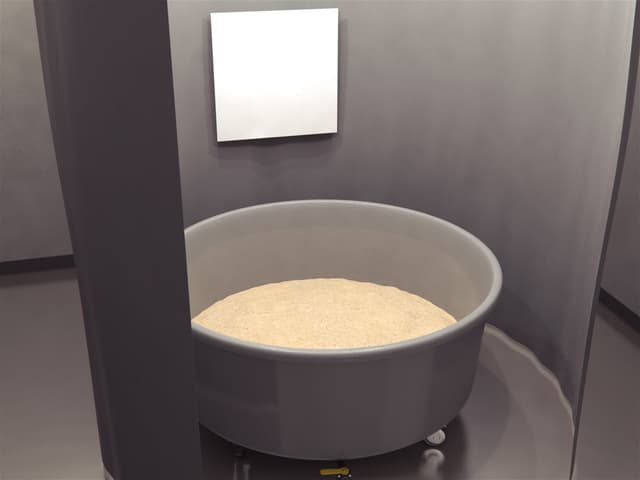
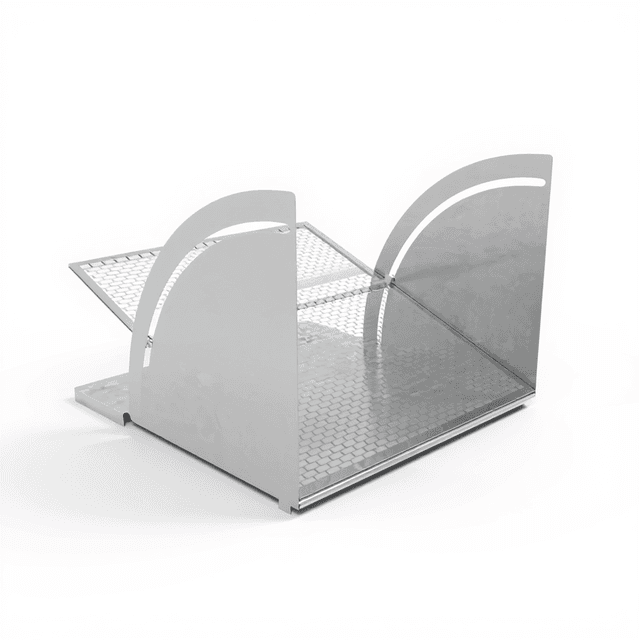
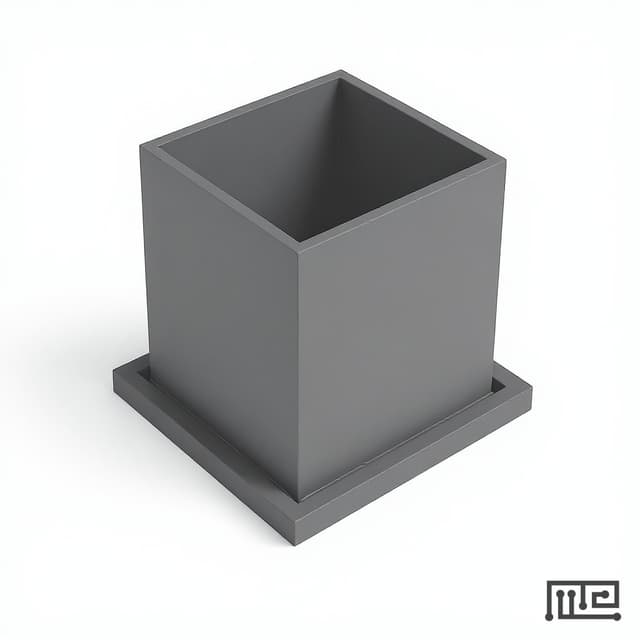
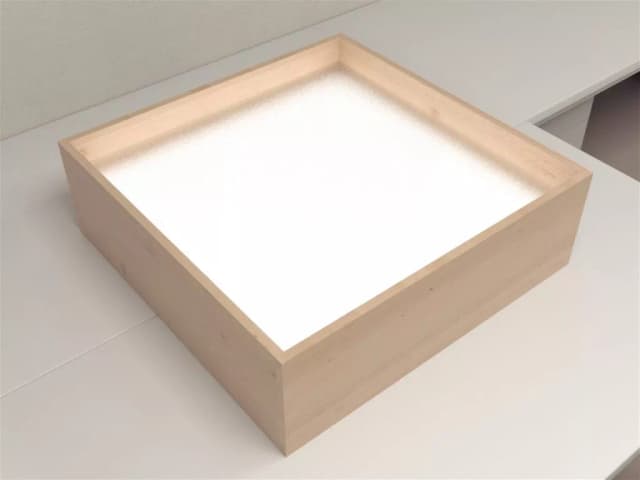
The Termite Y-Choice Waiting Chamber is a specialized behavioral testing apparatus designed for controlled termite behavioral studies. This chamber system enables researchers to conduct choice-based experiments by providing a structured environment where termites can be held prior to introduction into choice arenas or testing protocols.
The waiting chamber component is essential for standardizing experimental conditions and ensuring consistent subject preparation in termite behavioral research. The Y-choice configuration supports binary decision paradigms commonly used in insect behavioral ecology and entomological research protocols.
How It Works
The Y-Choice Waiting Chamber operates on established principles of insect behavioral testing, providing a controlled environment for termite acclimation and preparation. The chamber maintains subjects in standardized conditions before experimental trials, reducing behavioral variability caused by handling stress or environmental transitions.
The Y-configuration design supports binary choice paradigms where termites are presented with two distinct options or pathways. This geometric arrangement allows for clear behavioral documentation and quantitative analysis of preference behaviors, essential for statistically valid entomological studies.
Features & Benefits
Behavioral Construct
- Choice Behavior
- Preference Testing
Automation Level
- manual
Research Domain
- Environmental Monitoring
- Materials Science
Compatible Tracking Software
- ConductVision
Shipping weight
- 6.06 lb
Shipping box
- L: 65.0 cm
- W: 36.0 cm
- H: 27.0 cm
| Feature | This Product | Typical Alternative | Advantage |
|---|---|---|---|
| Chamber Configuration | Y-choice binary design | Multi-arm choice chambers with 3+ pathways | Simplifies data analysis and reduces confounding variables in choice experiments. |
| Species Specificity | Termite-optimized dimensions | Generic insect chambers requiring modifications | Purpose-built design accommodates natural termite behavior patterns and movement requirements. |
| Pre-test Preparation | Integrated waiting chamber | Separate holding containers requiring transfers | Reduces handling stress and maintains consistent environmental conditions before testing. |
This chamber provides specialized termite behavioral testing capabilities with integrated subject preparation. The Y-choice configuration balances experimental simplicity with behavioral relevance for quantitative analysis.
Practical Tips
Acclimate termites in the waiting chamber for consistent periods to standardize behavioral baselines.
Why: Reduces variability in choice behaviors caused by differential stress responses.
Clean chamber thoroughly with ethanol solution between trials to eliminate chemical traces.
Why: Prevents carryover effects that could bias subsequent behavioral measurements.
Record environmental conditions during each experimental session for data interpretation.
Why: Temperature and humidity variations can significantly affect termite activity levels and choice behaviors.
If termites remain inactive, verify chamber temperature and reduce ambient lighting levels.
Why: Termites are sensitive to temperature fluctuations and bright lights that can inhibit natural behaviors.
Use soft brushes or gentle air flow to guide termites rather than direct contact.
Why: Minimizes physical damage to subjects and reduces stress-induced behavioral artifacts.
Setup Guide
What’s in the Box
- Y-choice waiting chamber assembly (typical)
- Chamber lid or cover system (typical)
- Assembly hardware and fasteners (typical)
- User manual with setup instructions (typical)
- Cleaning and maintenance guidelines (typical)
Warranty
ConductScience provides a standard one-year manufacturer warranty covering defects in materials and workmanship. Technical support is available for setup guidance and troubleshooting assistance.
Compliance
What termite species can be tested in this chamber?
The chamber is designed for standard termite species used in laboratory research. Consult product specifications for size limitations and species-specific considerations.
How should the chamber be cleaned between experimental trials?
Use mild detergent solutions and thorough rinsing to remove chemical residues. Allow complete drying before introducing new subjects to prevent cross-contamination.
What environmental conditions are optimal for termite behavioral studies?
Maintain temperature at 25-28°C with 70-80% humidity. Minimize vibration and use red lighting to reduce visual disturbance during observations.
How long should termites be acclimated in the waiting chamber?
Acclimation periods of 10-30 minutes are typical, but may vary based on experimental protocol and previous handling stress.
Can this chamber be used with attractant or repellent chemicals?
Yes, the chamber design accommodates chemical stimulus presentation, but ensure materials are compatible with test substances and cleaning protocols.
Have a question about this product?
Have a question? Just ask.
Send it over and we'll email you a personalized answer — no call, no scheduling.
Prefer to talk it through?