Transportation Liquid Nitrogen Container
Vacuum-insulated cryogenic containers for safe transport and temporary storage of biological samples at liquid nitrogen temperatures (-196°C).
| Automation Level | manual |
| YDS-20B-LS(6) | YDS-20B-S(6) |
| YDS-20B | YDS-30B-LS(6) |
| YDS-30B-S(6) | YDS-30B |
| YDS-35B-80LS(6) | YDS-35B-80S(6) |
| YDS-35B-80 | YDS-35B-125-FS |

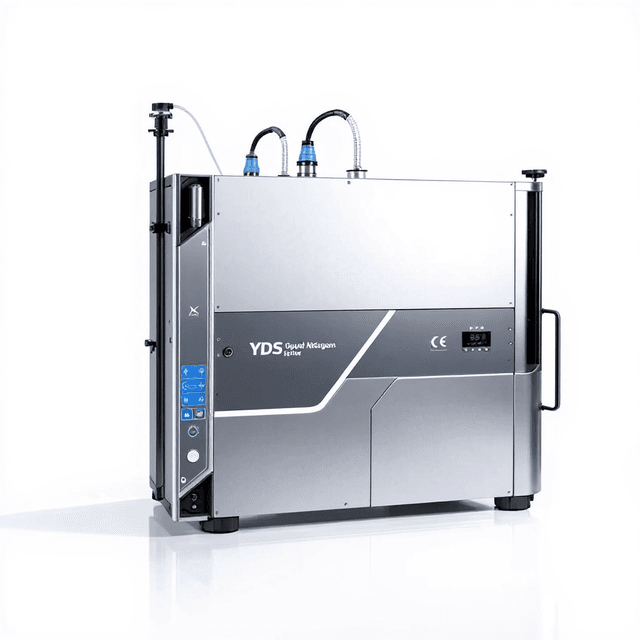
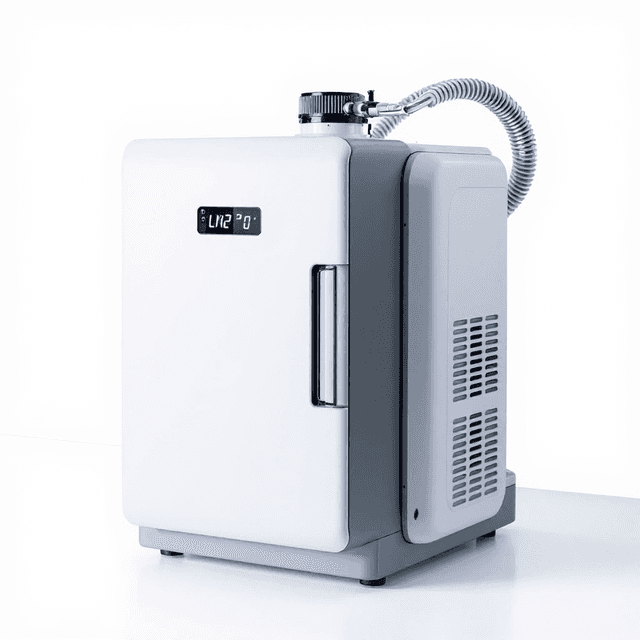
The Transportation Liquid Nitrogen Container is a specialized cryogenic storage vessel designed for the safe transport and temporary storage of biological samples, cell cultures, and other temperature-sensitive materials at ultra-low temperatures. These containers utilize vacuum-insulated double-wall construction to maintain liquid nitrogen at -196°C for extended periods during inter-laboratory transfers, field collection activities, and sample distribution.
Available in multiple capacity configurations ranging from 20.1L to larger volumes, these containers feature specialized neck designs optimized for minimal nitrogen loss during transport while providing secure sample access. The robust construction and transport-specific design elements make these containers essential equipment for research facilities requiring reliable cryogenic sample mobility and off-site storage capabilities.
How It Works
The container employs a double-wall vacuum-insulated design where liquid nitrogen is stored in an inner vessel suspended within an outer shell. The vacuum space between walls eliminates conductive and convective heat transfer, while reflective surfaces minimize radiative heat gain. This thermal isolation system maintains the liquid nitrogen at its boiling point of -196°C for extended periods.
Sample storage occurs through direct immersion in liquid nitrogen or placement in the vapor phase above the liquid level. The narrow neck opening minimizes nitrogen evaporation while allowing access for sample insertion and retrieval. Specialized racks and canisters can be positioned within the container to organize samples and facilitate efficient access during transport operations.
Temperature stability is maintained through the continuous evaporation of liquid nitrogen, which absorbs heat from the environment and vents as nitrogen gas. The evaporation rate determines holding time and varies based on container size, ambient conditions, and access frequency during transport.
Features & Benefits
Automation Level
- manual
YDS-20B-LS(6)
- YDS-20B-S(6)
YDS-20B
- YDS-30B-LS(6)
YDS-30B-S(6)
- YDS-30B
YDS-35B-80LS(6)
- YDS-35B-80S(6)
YDS-35B-80
- YDS-35B-125-FS
YDS-35B-125LS(6)
- YDS-35B-125S(6)
YDS-35B-125
- YDS-35B-LS(6)
YDS-35B-S(6)
- YDS-35B
YDS-50B-125-FS
- YDS-50B-125LS(6)
YDS-50B-125S(6)
- YDS-50B-125
20.1
- 20.1
35.5
- 35.5
Empty Weight
- kg
Brand
- ConductScience
Research Domain
- Analytical Chemistry
- Cancer Research
- Cell Biology
- Developmental Biology
- Microbiology
- Pharmaceutical QC
Capacity
- L
Weight
- 29.98 kg
Dimensions
- L: 42.0 mm
- W: 43.6 mm
- H: 38.0 mm
Comparison Guide
| Feature | This Product | Typical Alternative | Advantage |
|---|---|---|---|
| Capacity Range | Multiple options from 20.1L to 50L+ configurations | Entry-level transport dewars often limited to single capacity options | Allows researchers to match container size precisely to transport volume requirements and handling constraints |
| Model Configurations | YDS series with LS(6), S(6), and FS variants for different applications | Standard models typically offer fewer specialized transport configurations | Provides optimized solutions for specific transport scenarios from routine transfers to extended field operations |
| Construction Design | Transport-optimized aluminum construction with vacuum insulation | Basic dewars may lack specialized transport reinforcement | Ensures sample integrity during vehicle transport and reduces risk of thermal performance degradation |
| Neck Opening Options | Multiple neck diameter configurations available | Single neck size limits accessory compatibility | Accommodates different sample access requirements and storage system preferences in multi-user facilities |
The YDS series transport containers provide comprehensive capacity options with specialized configurations for different transport scenarios. The aluminum vacuum-insulated construction offers reliable thermal performance during vehicle transport while maintaining compatibility with standard laboratory storage accessories.
Practical Tips
Pre-cool container gradually with small liquid nitrogen additions before full filling to prevent thermal shock and optimize thermal performance.
Why: Sudden temperature changes can stress the vacuum seal and reduce holding time efficiency.
Ensure adequate ventilation in transport vehicles as nitrogen gas expansion can displace oxygen in confined spaces.
Why: Nitrogen gas venting during transport creates potential asphyxiation hazard in poorly ventilated areas.
Inspect vacuum seal integrity regularly by monitoring evaporation rates and comparing to manufacturer specifications.
Why: Compromised vacuum insulation dramatically reduces holding time and increases nitrogen consumption.
Establish baseline evaporation rates for each container under standard transport conditions to predict nitrogen refill needs.
Why: Accurate evaporation rate data enables proper transport planning and prevents sample loss from nitrogen depletion.
Maintain detailed sample inventory records including location within container and nitrogen level monitoring during transport.
Why: Proper documentation ensures sample traceability and helps identify any temperature excursions during transport.
If excessive nitrogen loss occurs, check for ice formation around neck opening which can indicate moisture infiltration.
Why: Ice buildup suggests seal problems or contamination that can compromise thermal performance and sample integrity.
Setup Guide
What’s in the Box
- Transportation liquid nitrogen container (typical)
- Neck plug or cap (typical)
- Sample storage racks or canisters (typical)
- User manual and safety instructions (typical)
- Transport certification documentation (typical)
Warranty
ConductScience provides standard manufacturer warranty coverage with technical support for proper operation and maintenance procedures. Warranty terms vary by model and application requirements.
Compliance
What is the typical holding time for liquid nitrogen in these containers during transport?
Holding time depends on container capacity, ambient temperature, and access frequency. Consult product datasheet for specific evaporation rates and expected transport duration capabilities for each model.
Can these containers be used for both liquid and vapor phase storage?
Yes, samples can be stored in direct contact with liquid nitrogen or in the vapor phase above the liquid level, depending on sample requirements and access needs during transport.
What sample storage accessories are compatible with these containers?
Standard laboratory cryogenic storage racks, canes, and canister systems are typically compatible. Verify neck diameter specifications to ensure proper fit with existing storage accessories.
How should these containers be secured during vehicle transport?
Use appropriate restraint systems to prevent movement and ensure adequate ventilation for nitrogen gas venting. Follow DOT regulations for cryogenic material transport in vehicles.
What maintenance is required for optimal performance?
Regular inspection of vacuum seal integrity, cleaning of neck area, and monitoring of evaporation rates. Avoid thermal shock during filling and allow proper warm-up between uses.
Are there weight restrictions for fully loaded containers?
Consider both empty container weight and liquid nitrogen capacity when calculating total transport weight. Verify weight limits with transport vehicle specifications and handling equipment capabilities.
Have a question about this product?
Upgrade Options