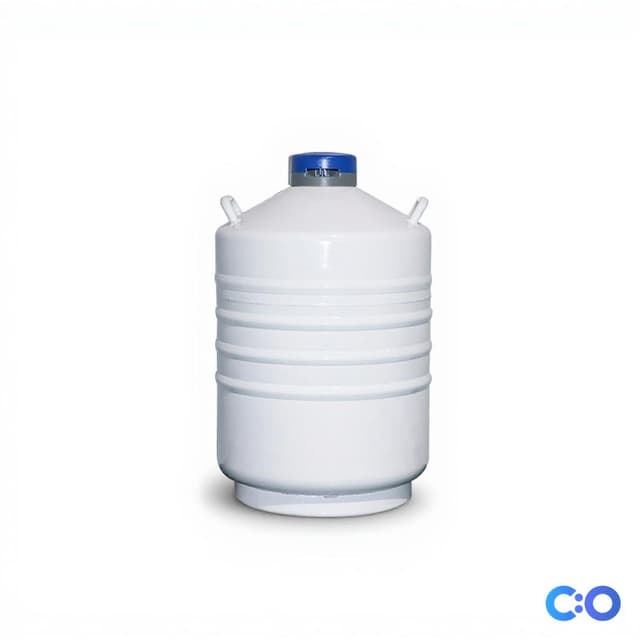
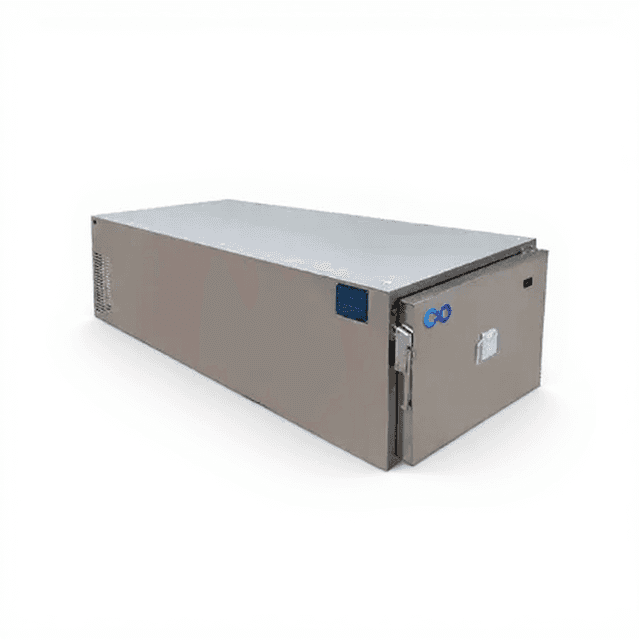
Transportation Liquid Nitrogen Container YDS Series
Vacuum-insulated liquid nitrogen containers for cryogenic transport and storage of biological samples, available in multiple capacities from 20.1L to 50L with various neck diameter configurations.

Louise Corscadden, PhD
Director of Science · ConductScience
Ask Louise about Transportation Liquid Nitrogen Container YDS Series fit, setup, configuration, or quote prep.
Already working with us? Sign in to connect this with My Scientist.
Key Specifications
Full details →- Model fit
- Configured during quote
- SKU family
- BIO-0130
- Shipping box
- 4.92 x 3.15 x 1.97 cm
- Ordering
- Online checkout and quote request available
- Category
- Cold Storage
- Build notes
- Confirm accessories, station layout, and support needs before purchase
The Transportation Liquid Nitrogen Container YDS Series provides secure cryogenic storage and transport for biological samples, cell lines, and research materials requiring ultra-low temperature preservation. These double-walled vacuum-insulated containers maintain liquid nitrogen temperatures for extended periods, supporting sample integrity during transport between facilities or storage in laboratory environments.
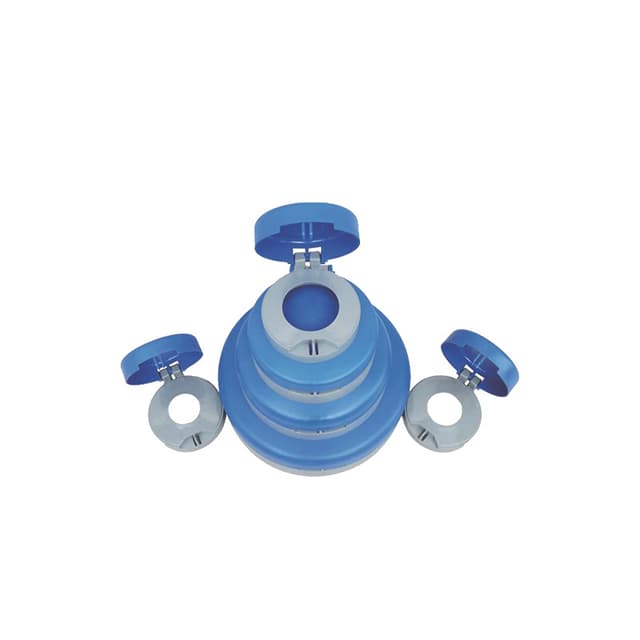
Available in multiple configurations with capacities ranging from 20.1L to 50L and neck diameters of 50mm, 80mm, or 125mm to accommodate different sample storage requirements. The lightweight aluminum construction balances durability with portability, while the vacuum insulation system minimizes nitrogen boil-off rates for efficient long-term storage.
How It Works
The YDS Series containers utilize double-walled vacuum insulation technology to maintain cryogenic temperatures. The inner vessel, constructed from aluminum, holds the liquid nitrogen and samples, while the outer shell provides structural protection. The vacuum space between walls eliminates convective heat transfer, while reflective surfaces minimize radiative heat gain.
Liquid nitrogen at -196°C provides the cooling medium, with the phase change from liquid to gas absorbing latent heat and maintaining consistent ultra-low temperatures. The narrow neck design minimizes the opening area exposed to ambient air, reducing heat influx and extending holding times. Sample containers or cryovials are suspended in the liquid nitrogen using appropriate racking systems or canes.
Features & Benefits
Automation Level
- manual
YDS-20B
- YDS-30B
YDS-35B-80
- YDS-35B-125
YDS-35B
- YDS-50B-125
20.1
- 19.3
35.5
- 50
Empty Weight
- kg
12.42
- 15.6
17.9
- 17.3
17.1
- 21
Caliber
- mm
50±1
- 125±1
80±1
- 80±1
Outer Diameter
- mm
Brand
- ConductScience
Research Domain
- Cancer Research
- Cell Biology
- Developmental Biology
- Microbiology
- Pharmaceutical QC
Capacity
- L
Shipping weight
- 27.38 lb
Shipping box
- L: 4.92 cm
- W: 3.15 cm
- H: 1.97 cm
| Feature | This Product | Typical Alternative | Advantage |
|---|---|---|---|
| Capacity Range | 20.1L to 50L with four distinct models | Often limited to 1-2 capacity options | Allows researchers to select optimal size for their specific sample volume requirements without over- or under-sizing. |
| Neck Diameter Options | Three configurations: 50mm, 80mm, and 125mm | Usually single neck size per model | Accommodates different storage rack systems and access requirements within the same product line. |
| Weight-to-Capacity Ratio | Lightweight aluminum construction with weights from 12.42kg to 21kg | Heavier materials or less optimized designs | Reduces transport burden while maintaining structural integrity for mobile laboratory applications. |
| Model Standardization | Consistent design approach across capacity range | Varies by model | Enables standardized handling procedures and training across different laboratory scale requirements. |
The YDS Series provides comprehensive capacity and configuration options with optimized weight characteristics for transport applications. The multiple neck diameter choices and consistent aluminum construction approach support diverse laboratory storage requirements while maintaining portability.
Practical Tips
Always use insulated gloves and face protection when handling liquid nitrogen or accessing samples from the container.
Why: Prevents cryogenic burns and eye injury from nitrogen vapor or splashing.
Pre-cool sample containers and storage racks by briefly dipping in liquid nitrogen before loading samples.
Why: Reduces thermal shock to samples and minimizes initial nitrogen boil-off when adding room-temperature storage equipment.
Keep the neck area clean and dry, removing any ice buildup that could affect lid sealing or sample access.
Why: Prevents contamination and maintains proper container function and vacuum seal integrity.
Maintain detailed logs of nitrogen refill dates and sample access events to track holding performance.
Why: Enables optimization of refill schedules and helps identify any vacuum performance degradation over time.
If holding times decrease significantly, check for physical damage to the outer shell or excessive frost formation indicating vacuum loss.
Why: Early detection of insulation problems prevents sample loss and allows for timely container replacement or repair.
Verify liquid nitrogen level measurement techniques with known volume additions to establish accurate monitoring procedures.
Why: Ensures reliable assessment of nitrogen levels for proper sample coverage and refill scheduling.
Organize samples in labeled racks or storage systems that can be quickly retrieved without prolonged neck exposure.
Why: Minimizes heat influx during sample access and reduces nitrogen consumption from extended opening times.
Setup Guide
What’s in the Box
- Liquid nitrogen container (selected capacity model)
- Protective lid or closure system (typical)
- User manual and safety instructions (typical)
- Warranty documentation (typical)
Warranty
ConductScience provides standard manufacturer warranty coverage for defects in materials and workmanship. Technical support available for proper handling procedures and maintenance recommendations.
Compliance
What holding time can I expect for liquid nitrogen in these containers?
Holding times vary by model capacity and ambient conditions. Consult product datasheet for specific static holding time specifications, which typically range from several days to weeks depending on container size and environmental factors.
Can I use standard cryogenic storage racks with different neck diameters?
The 50mm neck accommodates smaller racks and individual cryovials, 80mm supports medium-capacity storage systems, while 125mm necks are compatible with large-capacity racks and goblet systems commonly used in biobanks.
What safety precautions are required when transporting these containers?
Always ensure adequate ventilation during transport to prevent oxygen displacement, use appropriate personal protective equipment, secure containers to prevent tipping, and follow relevant shipping regulations for cryogenic materials.
How do I monitor liquid nitrogen levels during storage?
Use cryogenic level measuring devices or dipsticks designed for liquid nitrogen service. Visual inspection through the neck opening can indicate approximate levels, but avoid prolonged exposure of the neck to ambient air.
Can these containers be used for both storage and transport applications?
Yes, the portable design and robust construction make them suitable for both stationary laboratory storage and inter-facility transport of cryogenic samples while maintaining temperature stability.
What maintenance is required for vacuum insulation integrity?
Inspect vacuum seal integrity periodically through frost formation patterns and holding time performance. Avoid physical damage to outer shell and neck areas, which could compromise vacuum insulation.
How do weight specifications affect transport logistics?
Empty weights range from 12.42kg to 21kg depending on model. Factor in liquid nitrogen weight (approximately 0.8kg/L) and sample weight when calculating total transport weight for shipping requirements.
Have a question about this product?
Have a question? Just ask.
Send it over and we'll email you a personalized answer — no call, no scheduling.
Prefer to talk it through?