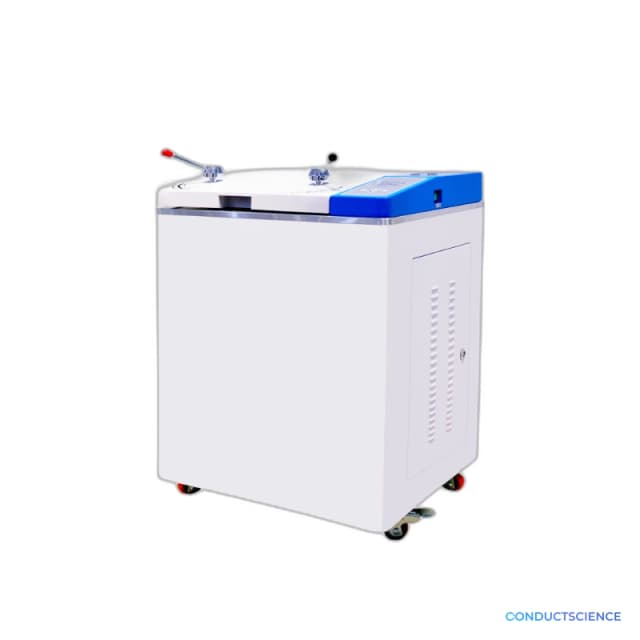
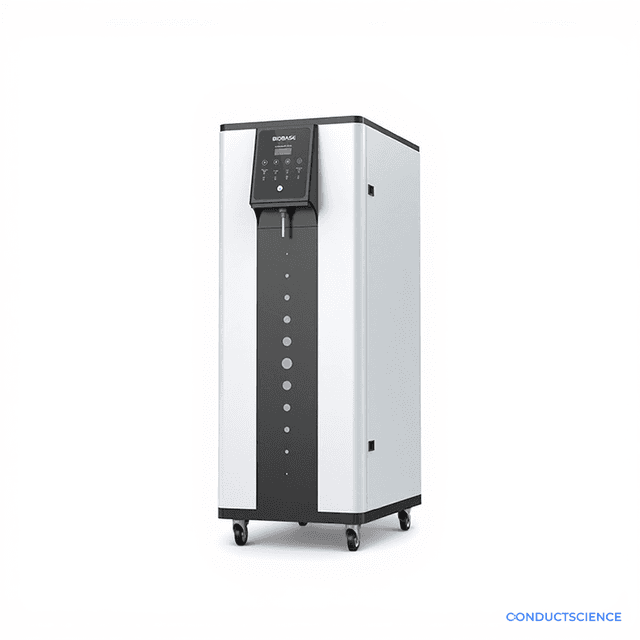
Universal Oscillator
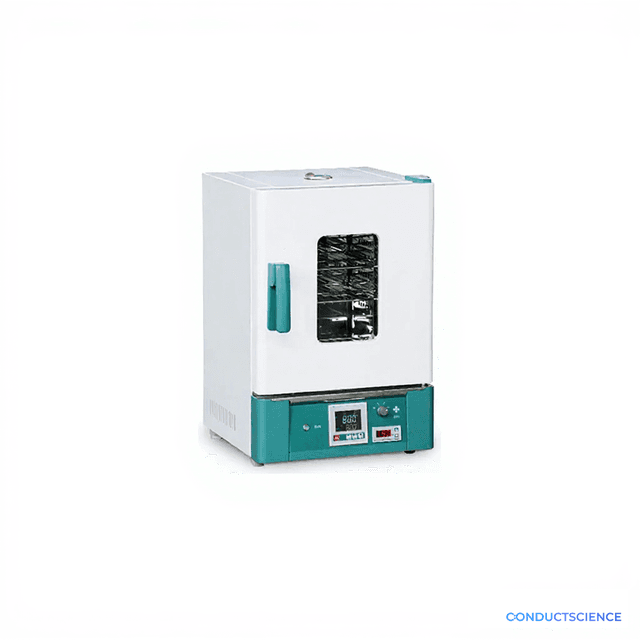
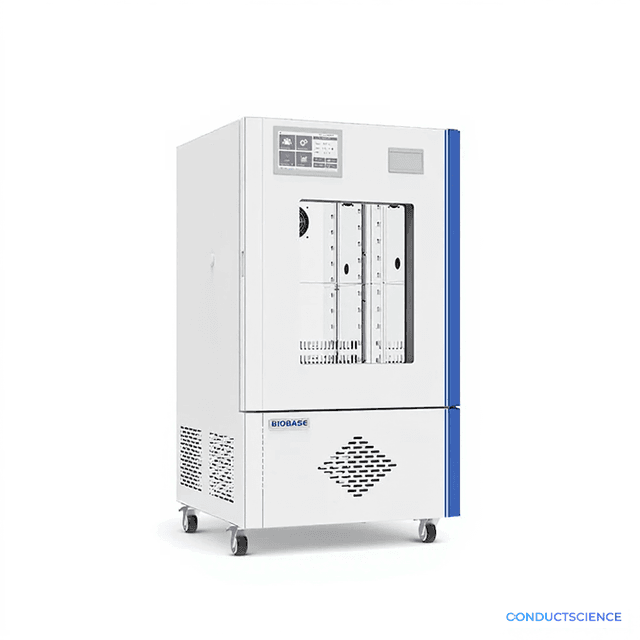
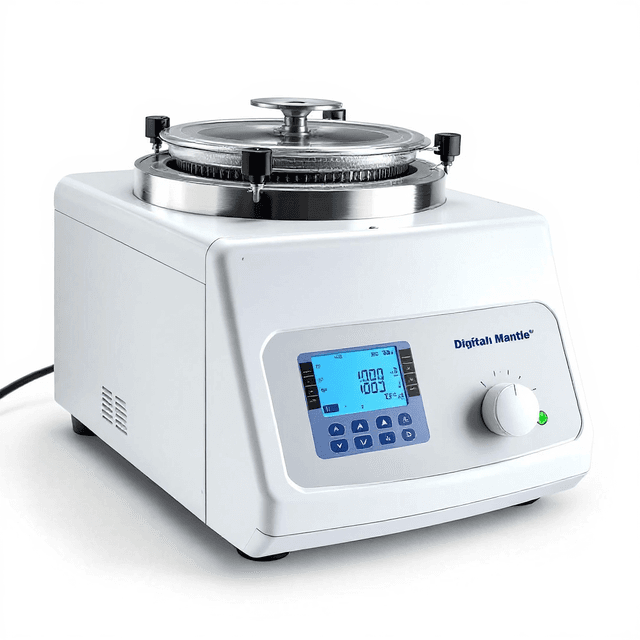
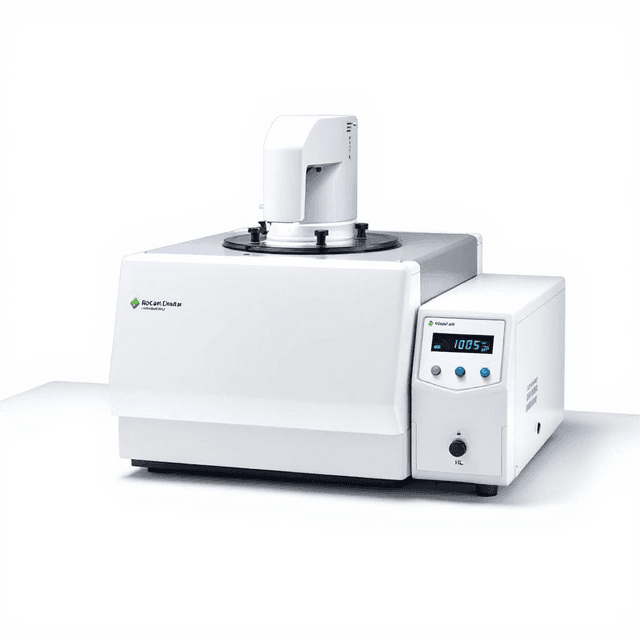
Benchtop oscillator providing precise frequency generation and signal conditioning for laboratory applications requiring controlled periodic stimuli and timing synchronization.

Louise Corscadden, PhD
Neuroscience · ConductScience
Ask Louise about Universal Oscillator fit, setup, configuration, or quote prep.
Already working with us? Sign in to connect this with My Scientist.
The Universal Oscillator (BIO-0872) is a benchtop instrument designed for generating precise, stable oscillatory signals across a wide frequency range. This versatile signal generator provides researchers with a reliable source for driving experimental systems, synchronizing equipment, and creating controlled periodic stimuli in laboratory environments.
As a universal platform, this oscillator accommodates diverse research applications requiring accurate frequency generation and signal conditioning. The instrument delivers consistent performance for protocols demanding precise timing control, signal modulation, and frequency-dependent measurements across multiple scientific disciplines.
How It Works
The Universal Oscillator generates periodic electrical signals through electronic oscillation circuits that convert direct current into alternating waveforms at specified frequencies. The instrument employs phase-locked loop (PLL) technology or crystal-controlled oscillators to maintain frequency stability and minimize phase noise across the output range.
Signal generation begins with a stable reference frequency source, typically a temperature-compensated crystal oscillator, which feeds into frequency synthesis circuitry. This allows for precise frequency selection and fine-tuning capabilities. Output conditioning stages provide impedance matching and signal amplification to drive connected loads effectively.
The oscillator's universal design incorporates multiple output formats and frequency ranges, enabling connection to various experimental apparatus. Digital control interfaces allow for remote operation and integration with automated laboratory systems, while analog outputs provide direct signal coupling to target devices.
Features & Benefits
Automation Level
- semi-automated
Brand
- ConductScience
Research Domain
- Analytical Chemistry
- Cell Biology
- Environmental Monitoring
- Materials Science
- Microbiology
- Pharmaceutical QC
Weight
- 29.98 kg
Dimensions
- L: 42.0 mm
- W: 43.6 mm
- H: 38.0 mm
| Feature | This Product | Typical Alternative | Advantage |
|---|---|---|---|
| Frequency Stability | Consult product datasheet for stability specifications | Entry-level models often provide ±100 ppm stability | Higher stability reduces measurement uncertainty in frequency-dependent experiments |
| Output Options | Universal compatibility design | Limited connector types in basic models | Accommodates diverse experimental setups without requiring additional adapters |
| Control Interface | Digital control capability | Manual-only operation in basic units | Enables automated protocols and remote operation for consistent experimental conditions |
| Form Factor | Benchtop configuration | Rack-mount only or handheld limitations | Provides accessible controls while maintaining stable platform for precision applications |
This Universal Oscillator emphasizes broad compatibility and precision in a practical benchtop format. The universal design approach accommodates diverse experimental requirements while maintaining the frequency stability needed for quantitative measurements.
Practical Tips
Verify output frequency against a traceable frequency standard before critical experiments.
Why: Ensures measurement accuracy and maintains traceability to national standards.
Keep ventilation slots clear and perform regular cleaning of external surfaces.
Why: Prevents thermal drift and maintains consistent performance over extended operation periods.
Allow 30-minute warm-up time for specifications-compliant operation.
Why: Electronic components reach thermal equilibrium for stable frequency generation.
Check output connections and impedance matching if signal distortion occurs.
Why: Impedance mismatches cause reflections and signal degradation in experimental systems.
Monitor output amplitude stability when driving varying loads.
Why: Load changes can affect output characteristics and introduce measurement artifacts.
Verify output voltage levels before connecting to sensitive experimental apparatus.
Why: Prevents damage to connected equipment and ensures safe operating conditions.
Setup Guide
What’s in the Box
- Universal Oscillator main unit
- AC power cord (typical)
- BNC output cables (typical)
- User manual and quick start guide (typical)
- Calibration certificate (typical)
Warranty
ConductScience provides a standard one-year manufacturer warranty covering defects in materials and workmanship, with technical support available for setup and operational guidance.
Compliance
References
Background reading relevant to this product:
What frequency range and resolution can this oscillator provide?
Consult product datasheet for specific frequency range and resolution specifications, as these parameters vary by model configuration and intended application requirements.
Can this oscillator be synchronized with external timing sources?
Most universal oscillators include external synchronization capabilities through dedicated input connectors, allowing phase-locking to master clocks or other timing references.
What output impedances are available for different load types?
Typical configurations include 50-ohm and high-impedance outputs with selectable termination options to match various experimental apparatus and measurement systems.
How do I integrate this with automated experimental systems?
Digital control interfaces typically support RS-232, USB, or Ethernet connectivity for remote parameter control and status monitoring through laboratory automation software.
What maintenance is required for long-term frequency stability?
Regular calibration verification using traceable frequency standards is recommended, with annual professional calibration to maintain specified accuracy over time.
Can multiple waveform types be generated simultaneously?
Single-channel oscillators generate one waveform at a time, while multi-channel models may support simultaneous outputs with phase relationships for complex experimental protocols.
Have a question about this product?
Frequently Bought Together