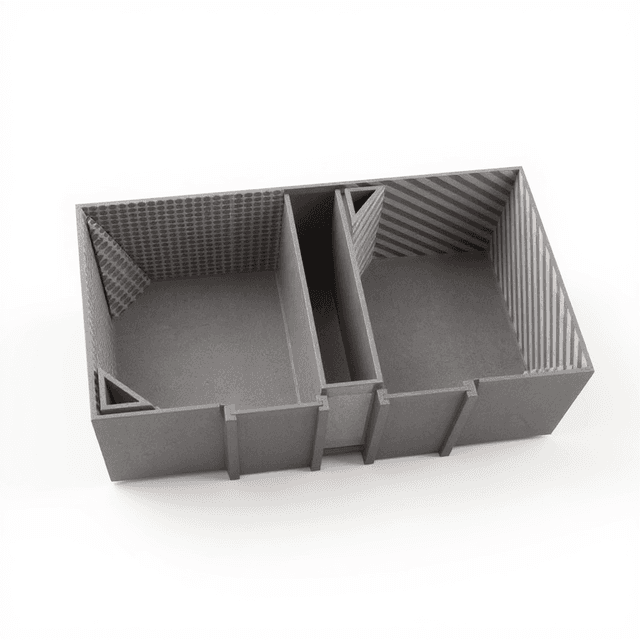
Zebrafinch Chamber Maze
Specialized behavioral testing chamber for assessing spatial learning, memory, and motor function in zebra finches and similar songbirds.

Louise Corscadden, PhD
Director of Science · ConductScience
Ask Louise about Zebrafinch Chamber Maze fit, setup, configuration, or quote prep.
Already working with us? Sign in to connect this with My Scientist.
Key Specifications
Full details →- Model fit
- Bird
- SKU family
- CS-958155
- Shipping box
- 65.0 x 36.0 x 27.0 cm
- Ordering
- Online checkout and quote request available
- Category
- Behavioral Mazes
- Build notes
- Confirm accessories, station layout, and support needs before purchase
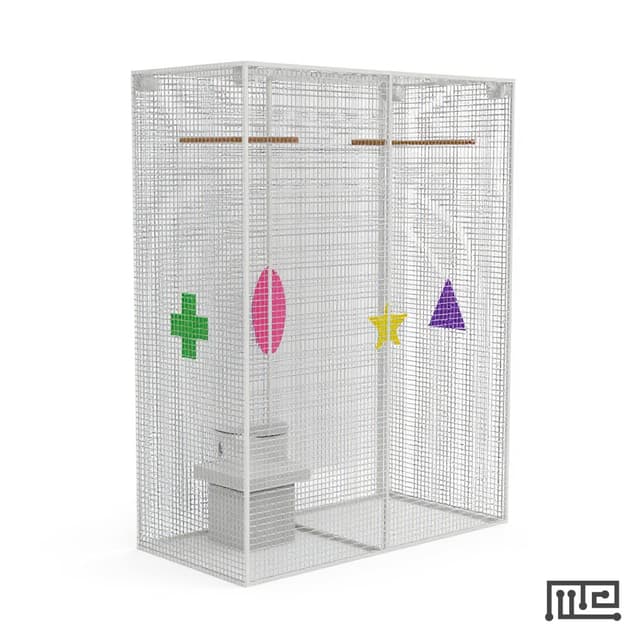
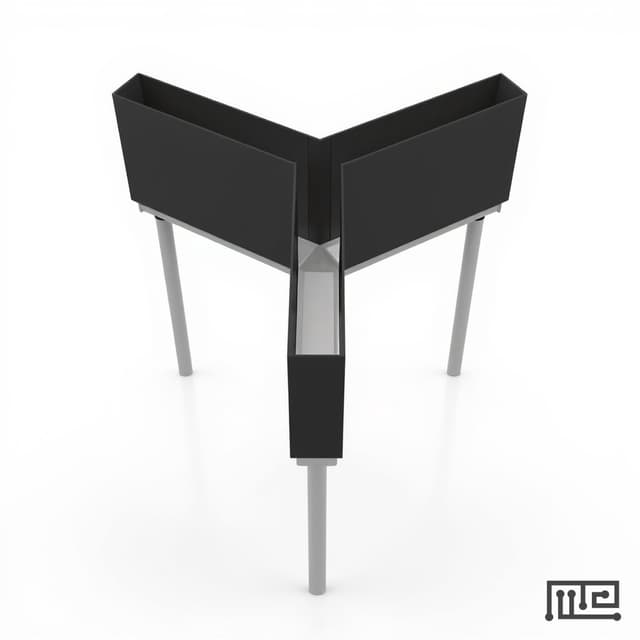
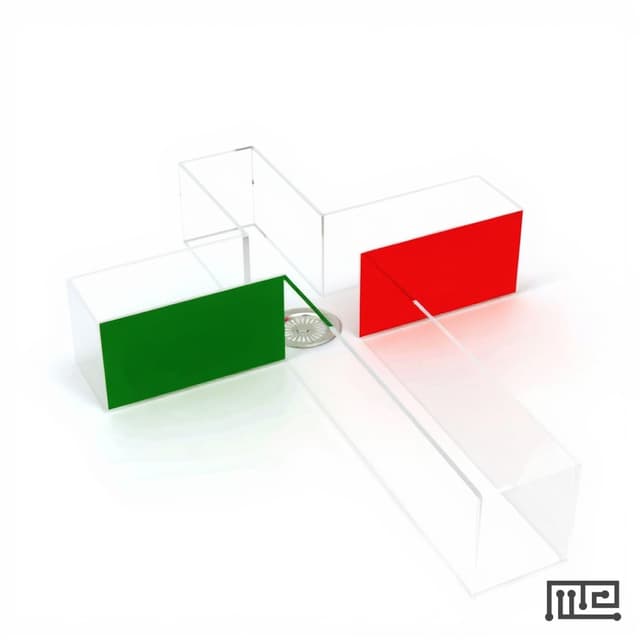
The Zebrafinch Chamber Maze is a specialized behavioral testing apparatus designed for avian cognitive and motor function research. This chamber system enables controlled assessment of spatial navigation, learning, and memory capabilities in zebra finches and similar-sized songbirds. The maze provides a standardized environment for investigating avian cognition, neuroplasticity, and behavioral responses under various experimental conditions.
Unlike traditional rodent mazes, this system is specifically engineered for the unique behavioral patterns and physical characteristics of songbirds. Researchers can evaluate cognitive performance, spatial memory formation, and motor coordination in zebra finches, making it valuable for comparative cognition studies and investigations into the neural mechanisms underlying avian learning and navigation.
How It Works
The Zebrafinch Chamber Maze operates on principles of spatial learning assessment through controlled navigation tasks. The system presents zebra finches with spatial challenges that require the integration of visual, proprioceptive, and potentially magnetic compass information to successfully navigate between compartments. Birds must learn and remember spatial relationships between different areas of the maze to locate rewards or escape routes.
The chamber design accommodates the natural flight and perching behaviors of zebra finches while constraining movement patterns for systematic behavioral analysis. Environmental cues within the maze provide reference points for spatial mapping, allowing researchers to distinguish between different navigation strategies such as landmark-based navigation versus spatial mapping. The system enables measurement of path efficiency, decision latencies, and error patterns to quantify cognitive performance.
Video tracking integration allows for detailed analysis of movement patterns, including flight paths, perching preferences, and exploration behaviors. This provides comprehensive data on both successful task completion and the underlying behavioral strategies employed by individual birds during maze navigation.
Features & Benefits
Behavioral Construct
- spatial learning
- spatial memory
- navigation
- motor coordination
- cognitive performance
Automation Level
- manual
Research Domain
- Behavioral Pharmacology
- Developmental Biology
- Learning and Memory
- Neurodegeneration
- Neuroscience
- Social Behavior
Species
- Bird
Compatible Tracking Software
- ConductVision
Shipping weight
- 6.06 lb
Shipping box
- L: 65.0 cm
- W: 36.0 cm
- H: 27.0 cm
| Feature | This Product | Typical Alternative | Advantage |
|---|---|---|---|
| Species-specific design | Purpose-built for zebra finch behavioral patterns with integrated perching stations and flight-path accommodation | Most behavioral mazes are designed for rodents and require adaptation for avian subjects | Provides ecologically valid testing conditions that better reflect natural songbird navigation behaviors |
| Chamber modularity | Modular wall system allowing multiple maze configurations within a single apparatus | Fixed maze designs typically require separate equipment for different spatial complexity levels | Enables systematic progression of task difficulty and protocol flexibility within a single experimental setup |
| Three-dimensional navigation | Incorporates vertical movement and perching decisions reflecting natural avian spatial behavior | Ground-based maze systems limit behavioral assessment to horizontal navigation patterns | Captures the full range of spatial cognitive abilities utilized by zebra finches in natural environments |
| Visual observation capability | Transparent viewing panels integrated into chamber design for real-time behavioral monitoring | Many maze systems require external camera mounting with limited viewing angles | Facilitates comprehensive behavioral observation while maintaining controlled testing environment |
This zebra finch-specific maze system offers purpose-built design features that accommodate natural songbird behaviors including three-dimensional navigation, perching-based decisions, and flight-pattern accommodation. The modular configuration and integrated observation capabilities provide experimental flexibility and comprehensive behavioral assessment not available in adapted rodent testing equipment.
Practical Tips
Conduct testing sessions during zebra finches' active periods, typically 2-3 hours after lights-on and avoid late afternoon when birds may be less motivated to explore.
Why: Testing during peak activity periods ensures optimal motivation and cognitive performance for accurate behavioral assessment.
Use food rewards that are highly preferred but not part of the regular diet, such as spray millet, to maintain motivation across multiple testing sessions.
Why: Novel, high-value rewards prevent habituation and maintain consistent motivation levels throughout extended experimental protocols.
Record baseline exploration patterns for each individual bird before implementing spatial learning tasks to account for individual differences in activity levels.
Why: Individual variation in exploration behavior can significantly impact maze performance measurements independent of spatial learning abilities.
Clean all chamber surfaces with mild detergent between subjects and allow complete drying to prevent olfactory cues from influencing subsequent bird behavior.
Why: Residual scents from previous subjects can affect spatial decision-making and confound experimental results.
If birds show reluctance to enter certain areas of the maze, check for subtle visual or acoustic stimuli that may create avoidance behaviors.
Why: Zebra finches are sensitive to environmental cues that may not be apparent to researchers but significantly impact navigation behavior.
Ensure all chamber edges are smooth and perching surfaces provide adequate grip to prevent injury during rapid movement sequences.
Why: Bird safety is paramount and injuries can significantly alter natural behavior patterns and experimental validity.
Standardize lighting conditions and external visual cues before each testing session to maintain consistent spatial reference points.
Why: Environmental consistency is crucial for distinguishing between spatial memory capabilities and reliance on external landmark navigation.
Record environmental temperature and humidity during testing sessions as these factors can influence zebra finch activity and cognitive performance.
Why: Environmental parameters directly affect bird physiology and behavior, which can confound cognitive performance measurements if not controlled.
Setup Guide
What’s in the Box
- Main maze chamber assembly (typical)
- Modular wall components (typical)
- Perching stations and mounting hardware (typical)
- Access doors and latching mechanisms (typical)
- Assembly instructions and setup guide (typical)
- Behavioral testing protocol recommendations (typical)
Warranty
ConductScience provides a one-year manufacturer warranty covering defects in materials and workmanship, with technical support for setup optimization and protocol development.
Compliance
References
Background reading relevant to this product:
What is the optimal group size for zebra finch testing in this maze system?
Individual testing is recommended for quantitative behavioral assessment, though the system can accommodate small group studies when investigating social influences on spatial learning. Group size should be limited to prevent overcrowding and ensure accurate tracking of individual behaviors.
How does this maze compare to traditional rodent spatial learning paradigms?
The maze is specifically adapted for avian cognition, incorporating three-dimensional navigation capabilities and perching-based decision points that reflect natural zebra finch behaviors, unlike ground-based rodent mazes that rely primarily on horizontal movement patterns.
What video tracking resolution is required for adequate behavioral analysis?
Minimum 30 fps recording at sufficient resolution to distinguish individual bird movements and perching events is recommended. Higher frame rates may be necessary for detailed flight path analysis during rapid navigation sequences.
Can the maze configuration be modified between experimental sessions?
Yes, the modular design allows for reconfiguration of maze layout to test different spatial complexities or implement novel environment paradigms, though configuration changes should be standardized within experimental groups.
What environmental controls are critical for consistent testing conditions?
Maintain stable ambient temperature, controlled lighting conditions, and minimal acoustic disturbances. Visual cues outside the maze should be standardized or eliminated to ensure spatial learning assessment reflects internal navigation abilities rather than external landmark use.
How long should habituation periods be before formal testing begins?
Typically 3-5 habituation sessions of 10-15 minutes each are sufficient for zebra finches to acclimate to the maze environment, though individual birds may require additional sessions based on stress responses and exploration behavior.
What data parameters should be collected during maze testing?
Key metrics include path efficiency, decision latencies at choice points, error frequencies, perching duration patterns, and overall task completion times. These parameters provide comprehensive assessment of both cognitive performance and motor coordination.
Are there specific age considerations for zebra finch testing in this system?
Adult zebra finches (>90 days post-hatch) are optimal for cognitive testing, as spatial learning abilities are fully developed. Juvenile birds may show different performance patterns reflecting ongoing neural development rather than mature cognitive function.
Have a question about this product?
Have a question? Just ask.
Send it over and we'll email you a personalized answer — no call, no scheduling.
Prefer to talk it through?