
ConductVision · Behavioral Analysis

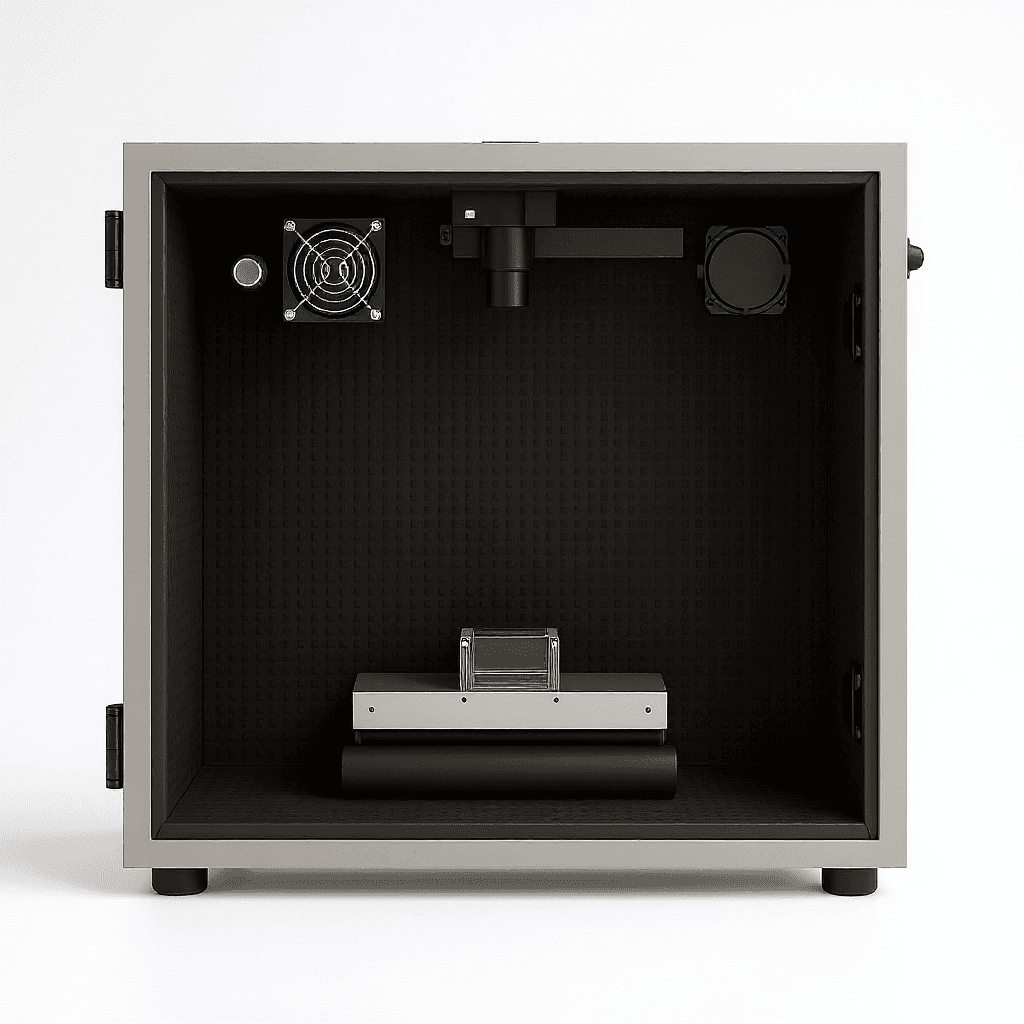
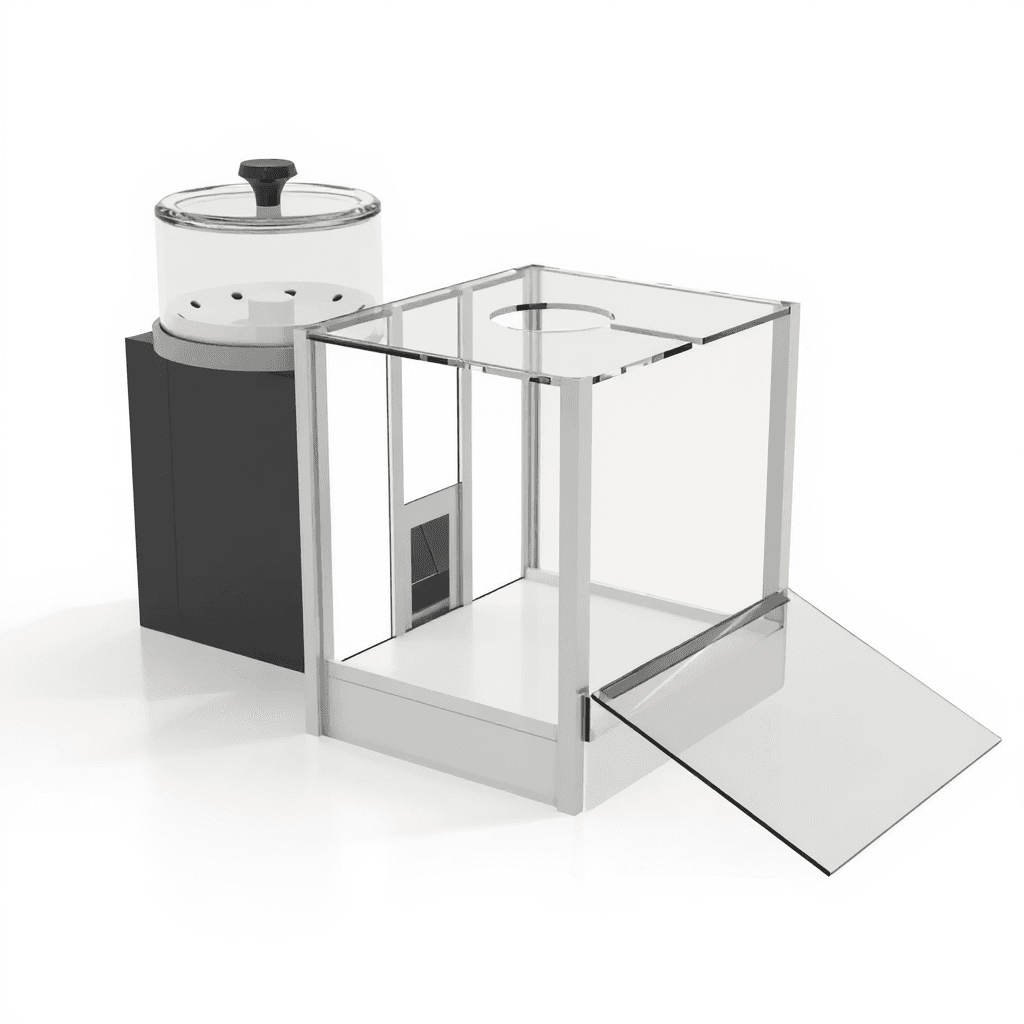
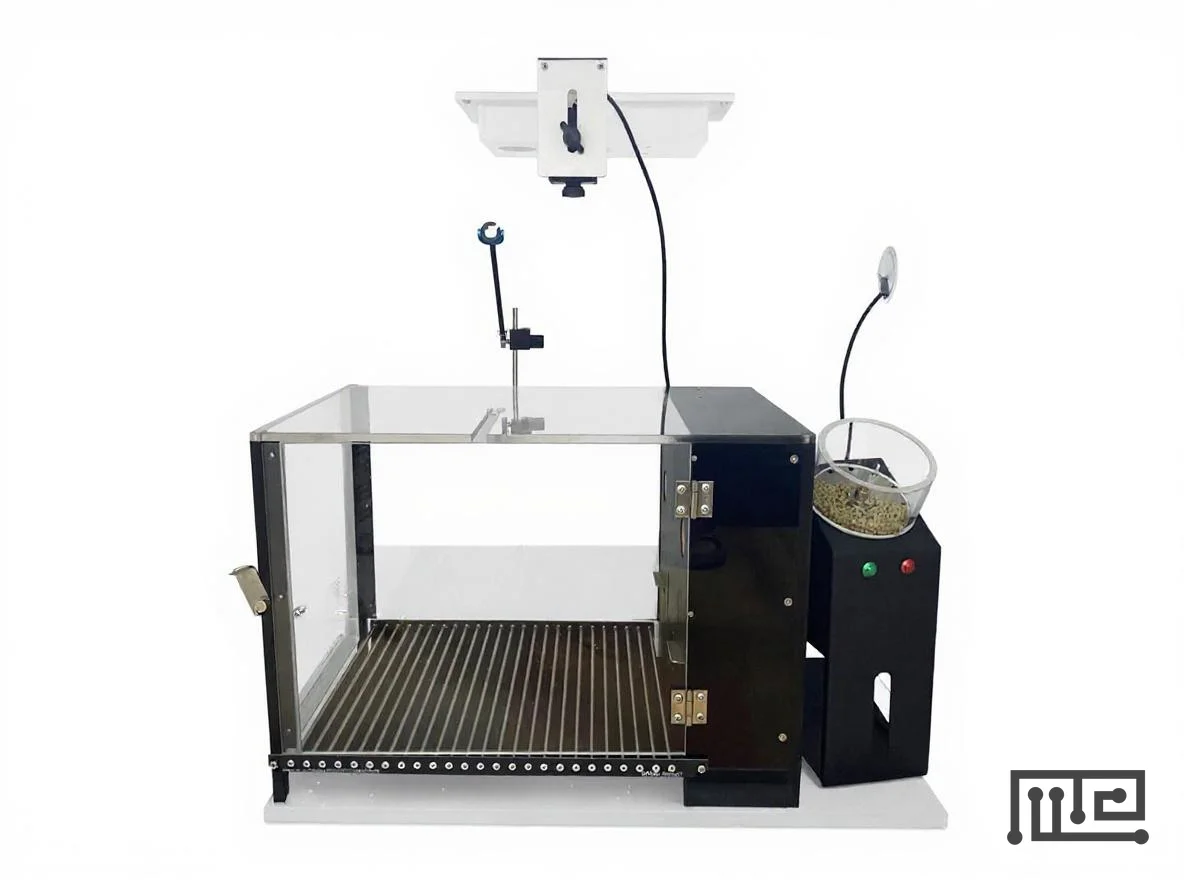
Operant Conditioning Chamber

Automated reward-based learning with lever press, nose poke, and pellet delivery tracking.

RodentReward LearningAuto Export
ConductVision / Operant Conditioning Chamber
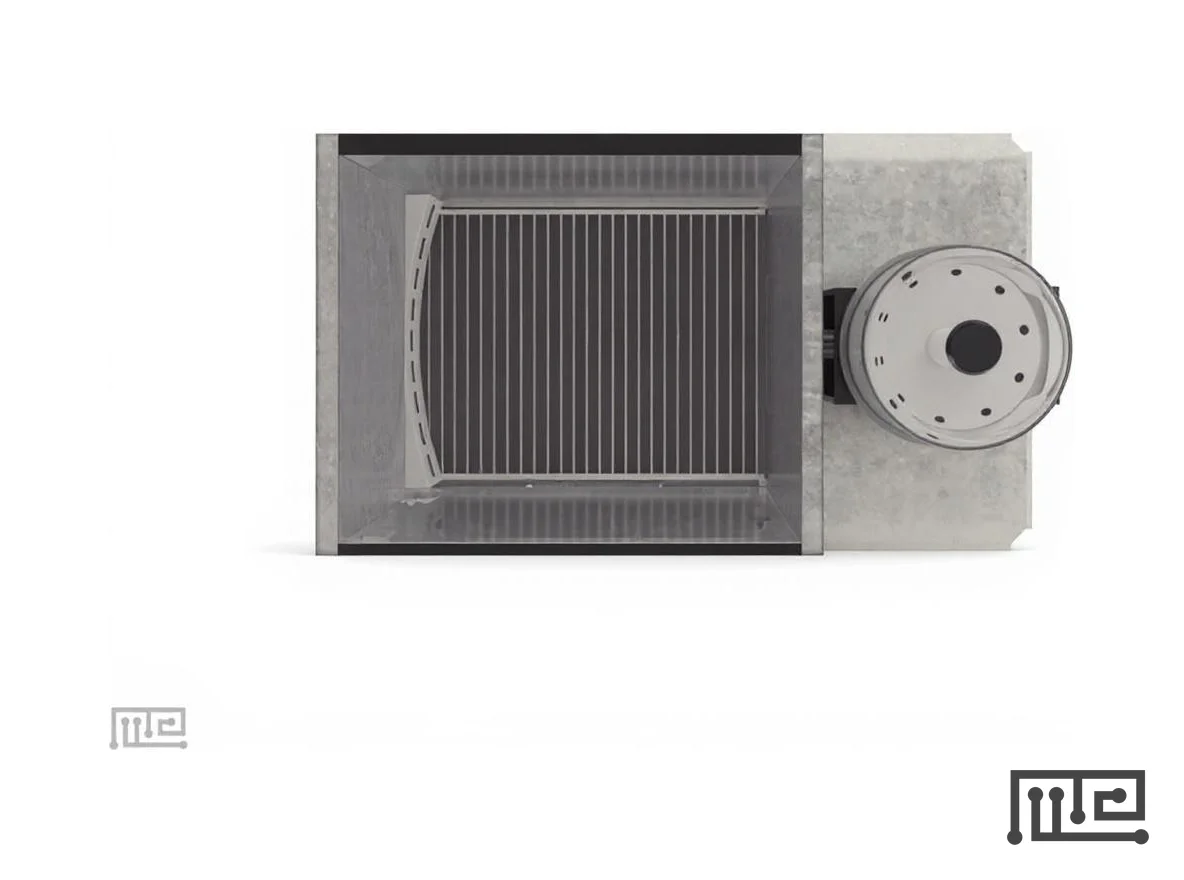
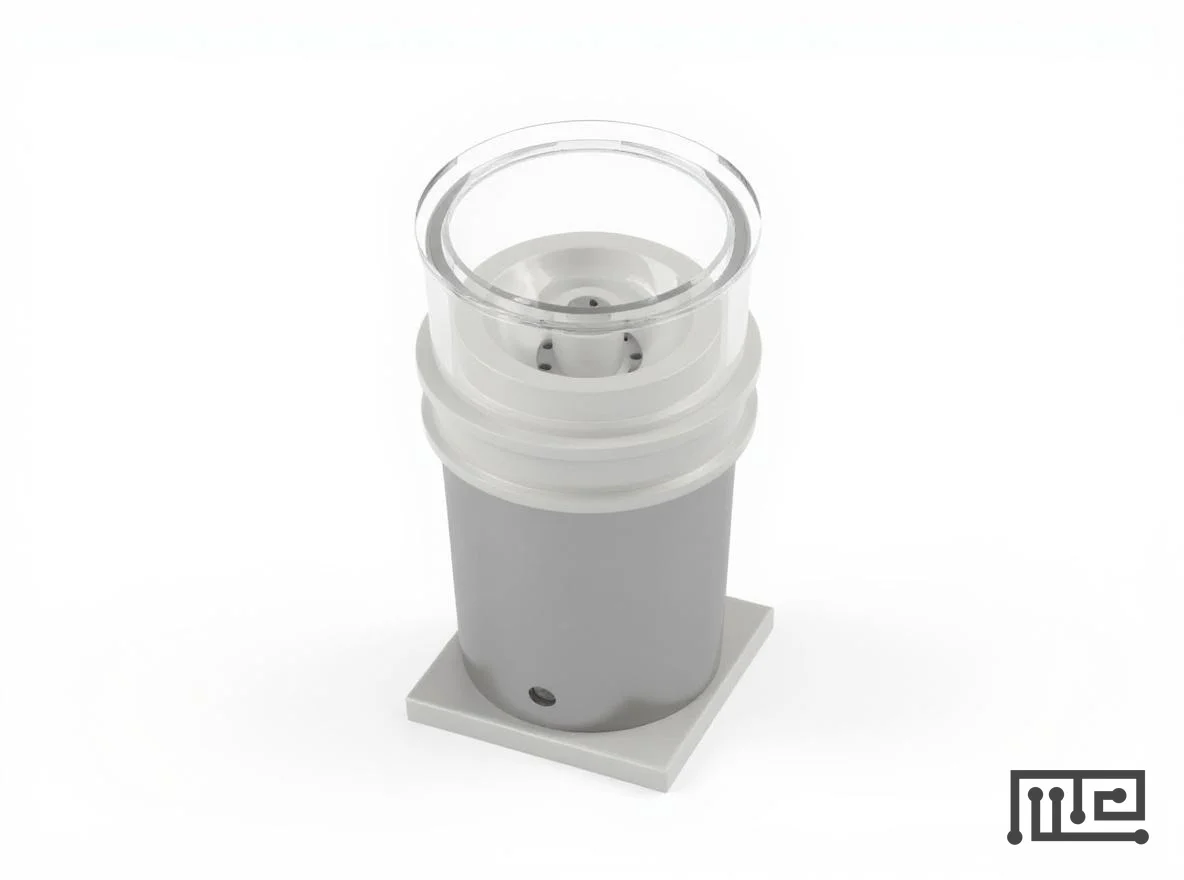
LeverDispenserCue LightTrough
Recording / Trial 3subject tracked
Lever Presses142
Rewards Earned38
Response Rate4.7/min

Key Parameters

Metrics automatically extracted by ConductVision.

Lever Press Rate

Active and inactive lever presses per time bin

Reinforcement Ratio

Rewards earned relative to total responses

Breakpoint

Maximum ratio completed under progressive-ratio schedules

Response Latency

Time from cue onset to first correct response

Magazine Entries

Head entries into the reward receptacle

Discrimination Index

Active vs. inactive lever preference ratio

+ 6 more parameters trackedShow all

Inactive Lever Presses

Non-reinforced responses indicating motor activity or impulsivity

Reinforcement Rate

Rewards per minute across the session

Post-Reinforcement Pause

Delay after reward before resuming responding

Cumulative Record

Running total of responses over time — reveals schedule-typical patterns

Session Efficiency

Proportion of session spent in active responding vs pausing

Extinction Responding

Response rate after reinforcement is withdrawn

What is Operant Conditioning?

Operant conditioning chambers (Skinner boxes) are used to study instrumental learning — the relationship between voluntary actions and their consequences. Animals learn to perform specific responses such as lever presses or nose pokes to obtain food rewards or avoid aversive stimuli.

ConductVision integrates with chamber sensors to track lever presses, nose pokes, and magazine entries in real time. The software supports fixed-ratio, variable-ratio, progressive-ratio, and extinction schedules with automated session control.

Protocol Parameters

ParameterDescriptionDefault
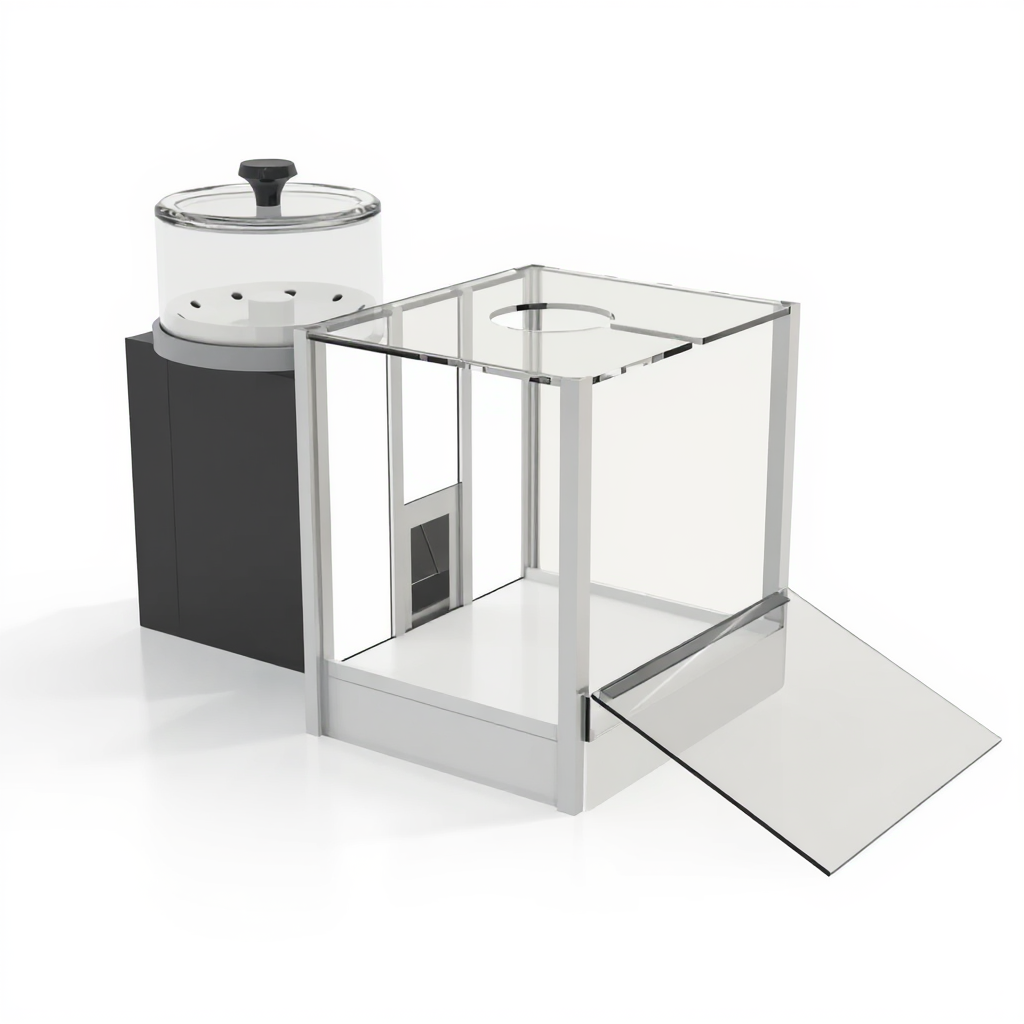
Chamber SizeStandard operant chamber dimensions22 × 18 × 13 cm (mouse)
Lever TypeResponse manipulandumRetractable lever or nose poke
RewardReinforcer delivered upon correct response20 mg sucrose pellet
Food DeprivationBody weight maintained at85–90% free-feeding
Schedule (FR)Fixed-ratio — reward after N responsesFR1, FR3, FR5
Schedule (VR)Variable-ratio — reward after average N responsesVR5, VR10
Schedule (PR)Progressive-ratio — increasing response requirement2× or Richardson-Roberts
Session DurationMaximum session length30–60 min
Cue LightDiscriminative stimulus signaling reinforcement availabilityLED above active lever
House LightGeneral chamber illuminationOn during session
Time-OutPost-reinforcement blackout period5–20 s

Interpreting Results

Decreased Breakpoint

Reduced motivation — lower maximum effort for reward, seen in anhedonia models and after dopamine depletion (6-OHDA).

Increased Breakpoint

Enhanced reward motivation — elevated responding under progressive-ratio for drugs of abuse or palatable food.

Elevated Inactive Presses

Impulsivity or motor hyperactivity — non-reinforced responding suggests impaired response inhibition.

Reduced Discrimination

Impaired stimulus-response learning — failure to preferentially respond on the active lever indicates associative learning deficit.

Increased Extinction Responding

Resistance to extinction — persistent responding after reinforcement removal, a hallmark of compulsive-like or addiction-like behavior.

Decreased Response Rate

Motor or motivational deficit — overall response suppression from sedatives, neuroleptics, or anhedonia-inducing procedures.

Research Applications

Addiction & Reward

  • Drug self-administration — cocaine, heroin, ethanol reinforcement under various schedules
  • Motivation assessment — progressive-ratio breakpoint as reward valuation metric
  • Relapse models — reinstatement by cue, context, stress, or drug prime after extinction

Learning & Cognition

  • Associative learning — acquisition of lever-reward contingency under different schedules
  • Reversal learning — response-outcome contingency switches for cognitive flexibility
  • Attention — 5-choice serial reaction time task adaptation for sustained attention

Neuropsychiatric Models

  • Anhedonia — reduced sucrose pellet breakpoint in chronic stress models
  • Impulsivity — premature responding and inactive lever discrimination in ADHD models
  • Compulsivity — perseverative responding despite aversive outcome (punishment-resistant)

Ready to automate your behavioral analysis?

Request a demo or contact our team to discuss how ConductVision can accelerate your research.