
1 / 3
Bussey-Saksida Touch Screen Operant Conditioning Chamber
SKU CS-958349
$7,990.00
IncludesStandard care
Automated touchscreen operant conditioning chamber for cognitive testing in mice and rats with integrated reward delivery and sound attenuation.
Scientist guidance

Louise Corscadden, PhD
Director of Science · ConductScience
Ask Louise about Bussey-Saksida Touch Screen Operant Conditioning Chamber fit, setup, configuration, or quote prep.
Already working with us? Sign in to connect this with My Scientist.
Key Specifications
Full details →- Model fit
- Mouse, Rat
- SKU family
- CS-958349
- Sizing
- Rat: Chamber size 30 cm
- Ordering
- Online checkout and quote request available
- Category
- Behavioral Mazes
- Build notes
- Acrylic, Stainless Steel
The Bussey-Saksida Touch Screen Operant Conditioning Chamber provides automated cognitive testing for rodents using touchscreen technology. This system enables precise assessment of learning, memory, attention, and cognitive flexibility in mice and rats through customizable visual discrimination tasks. The chamber integrates a responsive touchscreen interface with automated reward delivery and environmental controls within a sound-attenuated enclosure.
Available in mouse (20x20x20 cm) and rat (30x30x30 cm) configurations, the system includes pellet dispensing, waste collection, and optional components such as retractable levers, nose pokes, and lickometers. The integrated Conduct software provides protocol programming and data acquisition for complex behavioral paradigms. Sound attenuation of approximately 40dB minimizes external interference during testing sessions.
How It Works
The system operates through capacitive touchscreen technology that detects rodent nose touches on visual stimuli displayed on the screen. When animals make correct responses according to programmed discrimination criteria, the integrated pellet dispenser automatically delivers food rewards (20mg or 45mg pellets) to the receptacle. The Conduct software controls stimulus presentation timing, records response latencies, and tracks accuracy metrics throughout testing sessions.
Environmental parameters are maintained through automated systems including LED house lighting, infrared illumination for video monitoring, and continuous air circulation. The multi-layer sound-proof insulation reduces ambient noise by approximately 40dB, ensuring consistent testing conditions. Optional components such as shock grids (0.1-4.0 mA range), retractable levers, and nose pokes can be integrated for complex operant conditioning paradigms.
The touchscreen interface enables presentation of complex visual discrimination tasks including location, pattern, and paired-associate learning protocols. Response data is collected in real-time with millisecond precision, allowing detailed analysis of cognitive performance metrics including reaction times, choice accuracy, and learning curves.
Features & Benefits
Touchscreen interface with visual stimulus presentation
Enables complex cognitive testing paradigms with precise control over visual discrimination tasks and response timing measurement
Species-specific chamber dimensions (mouse: 20x20x20 cm, rat: 30x30x30 cm)
Optimizes animal movement and touchscreen accessibility for accurate behavioral assessment across rodent species
Automated pellet dispensing with 20mg and 45mg options
Provides consistent reward delivery timing and portion control for reliable operant conditioning protocols
Sound attenuation enclosure with 40dB noise reduction
Minimizes external acoustic interference for consistent testing conditions and improved data reproducibility
Integrated environmental controls (lighting, ventilation, IR illumination)
Maintains standardized testing conditions while supporting video monitoring and animal welfare requirements
Modular design with optional components (levers, nose pokes, lickometers)
Allows protocol customization and expansion of behavioral testing capabilities within the same platform
Removable waste collection system
Facilitates chamber cleaning and hygiene maintenance between testing sessions without system disassembly
Conduct software integration
Provides comprehensive protocol programming, real-time data acquisition, and automated analysis of behavioral metrics
Add-ons and modifications
| Add-on | Price | Details |
|---|---|---|
| Mice | $6,690 | Chamber size: 20cm (l) x 20cm (w) x 20cm (h) (1x) Touchscreen (1x) Pellet Dispenser (or Lickometer) (1x) Pellet Receptacle Feces and urine tray Sound attenuatin (prices listed: $6,690, $1,290) |
Add any of these to your quote request.
Sizes by model
| Measurement | Rat |
|---|---|
| Chamber size | 30 cm |
- (1x) Touchscreen
- (1x) Pellet Dispenser (or Lickometer)
- (1x) Pellet Receptacle
- Feces and urine tray
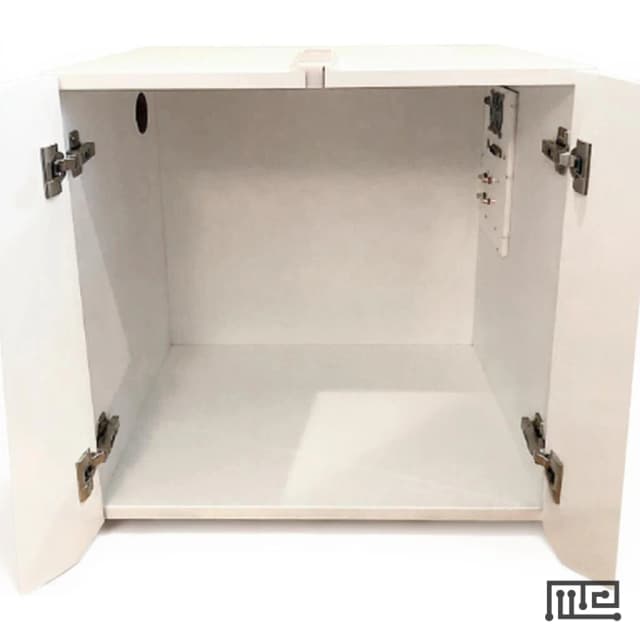
- Sound attenuating cubicle with (1) speaker, (1) circulation fan, (1) IR light
- Optional: TTL
- Retractable levers or nose pokes, and more!
Sound Attenuation Chamber Dimensions
- 60 x 55 x 65 cm (width x depth x height)
Noise Reduction
- Approx 40dB
Mouse Chamber Interior Dimensions
- 20x20x20 cm (LxWxH)
Rat Chamber Interior Dimensions
- 30x30x30 cm (LxWxH)
Mouse Grid Dimensions
- 18x18 cm
Rat Grid Dimensions
- 27x27 cm
Lever Width Rats
- 1.6 cm
Lever Width Mice
- 1 cm
Pellet Dispenser Default
- 20 mg
Pellet Dispenser Alternative
- 45 mg
Shock Grid Current Range
- 0.1 to 4.0 mA in 0.1 mA steps
Multi Layer Sound Proof Insulation
- Yes
Automated LED House Light
- Yes
Automated Ir Light
- Yes
Automated Air Circulation Fan
- Yes
Camera Mount
- Yes
Removable Lid
- Yes
Removable Feces Catcher
- Yes
Optogenetic Support
- Yes
Nose Pokes Available
- Yes
Lickometers Available
- Yes
Custom Dimensions Available
- Yes
Behavioral Construct
- Attention
- Working Memory
- Learning
- Cognitive Flexibility
- Decision Making
- Visual Discrimination
- Reversal Learning
Automation Level
- fully-automated
Material
- Acrylic
- Stainless Steel
Color
- Black
- Blue
- Grey
- White
Display Type
- Touchscreen
Dimensions
- 60 cm x 55 cm x 65 cm
Research Domain
- Aging Research
- Anxiety and Depression
- Behavioral Pharmacology
- Learning and Memory
- Neurodegeneration
- Neuroscience
Compatible Tracking Software
- ConductVision
Shipping weight
- 6.06 lb
Shipping box
- L: 65.0 cm
- W: 36.0 cm
- H: 27.0 cm
| Feature | This Product | Typical Alternative | Advantage |
|---|---|---|---|
| Chamber Interior Dimensions | 20x20x20 cm (mice) or 30x30x30 cm (rats) | Fixed dimensions often limit species compatibility | Species-optimized sizing ensures proper animal positioning for accurate touchscreen responses |
| Sound Attenuation | Approximately 40dB noise reduction with multi-layer insulation | Basic enclosures provide 20-30dB reduction | Superior acoustic isolation minimizes environmental interference during sensitive cognitive testing |
| Reward System | Automated pellet dispenser with 20mg and 45mg pellet options | Manual reward delivery or single pellet size options | Consistent timing and portion control critical for operant conditioning reliability |
| Environmental Controls | Integrated LED lighting, IR illumination, and air circulation | Separate lighting and ventilation components | Unified environmental management ensures standardized testing conditions across sessions |
| Modular Options | Retractable levers, nose pokes, lickometers, shock grids, and TTL interfaces | Limited expansion capability or separate equipment required | Single platform accommodates diverse behavioral paradigms without equipment multiplication |
| Waste Management | Removable feces and urine collection tray | Fixed chamber floors requiring disassembly for cleaning | Streamlined cleaning procedures maintain hygiene without interrupting multi-chamber operation |
The system combines touchscreen-based cognitive testing with comprehensive environmental control and modular expansion options. The species-specific chamber sizing and superior sound attenuation support precise behavioral measurement, while automated systems reduce experimental variability compared to manual operant procedures.
| Model | SKU | Listed price | Status | Shipping box |
|---|---|---|---|---|
| Rat | CS-958349 | $7,990.00 | Available | 30 x 30 x 30 cm |
| Mouse | CS-958349 | $6,690.00 | Available | 20 x 20 x 20 cm |
Neuroscience
Assessment of cognitive performance in animal models of neurological disorders through visual discrimination and reversal learning tasks.
Behavioral Pharmacology
Evaluation of drug effects on attention, memory, and executive function using standardized touchscreen paradigms.
Learning and Memory
Investigation of spatial and non-spatial memory formation through location discrimination and paired-associate learning protocols.
Anxiety and Depression
Analysis of cognitive bias and decision-making patterns in rodent models of affective disorders.
Aging Research
Longitudinal assessment of age-related cognitive decline using touchscreen-based cognitive battery tests.
Neurodegeneration
Characterization of cognitive deficits in transgenic models of Alzheimer's and Parkinson's disease through automated testing protocols.
Practical Tips
Calibration
Verify touchscreen sensitivity weekly by testing known touch locations with a calibrated stylus before beginning experimental sessions.
Why: Touch sensitivity can drift over time, affecting response detection accuracy and introducing systematic errors in behavioral data.
Maintenance
Clean touchscreen surfaces with 70% isopropanol between animals using lint-free cloths to prevent residue buildup.
Why: Organic residues can interfere with capacitive touch detection and create inconsistent response zones across the screen surface.
Best Practices
Allow 15-minute chamber acclimation periods before starting behavioral sessions to stabilize environmental conditions.
Why: Temperature and humidity fluctuations can affect animal behavior and electronic component performance during initial operation.
Troubleshooting
Check pellet dispenser timing if animals show reduced motivation, as dispensing delays can disrupt operant conditioning schedules.
Why: Reward timing precision is critical for maintaining behavioral response patterns and preventing extinction during learning protocols.
Data Quality
Monitor trial completion rates and response latencies for outliers that may indicate equipment malfunctions or animal health issues.
Why: Sudden changes in behavioral metrics often reflect technical problems rather than legitimate experimental effects.
Safety
Verify proper grounding of all electrical components and test shock grid current levels with appropriate meters before aversive conditioning protocols.
Why: Electrical safety ensures animal welfare compliance and prevents equipment damage from current fluctuations or ground faults.
Best Practices
Standardize pre-training protocols including food restriction schedules and habituation procedures across all experimental subjects.
Why: Consistent preparation methods reduce inter-animal variability and improve the reliability of cognitive performance comparisons.
Maintenance
Replace circulation fan filters monthly and inspect speaker connections quarterly to maintain optimal environmental and auditory conditions.
Why: Degraded air quality or audio distortion can introduce confounding variables that affect animal behavior and experimental outcomes.
Setup Guide
Unpack and Inspect
Remove chamber components from packaging and verify all parts against the provided checklist. Inspect touchscreen, pellet dispenser, and sound-attenuating cubicle for shipping damage.
Assemble Sound Cubicle
Position the sound-attenuating cubicle (60x55x65 cm) in the testing location and install the circulation fan, speaker, and IR light according to the mounting instructions.
Install Chamber Components
Mount the touchscreen, pellet dispenser, and receptacle within the chamber interior. Connect all electrical connections and verify touchscreen responsiveness.
Software Installation
Install Conduct software on the control computer and establish communication with the chamber hardware. Configure chamber-specific parameters including species size and pellet type.
Calibration Check
Run built-in calibration routines for touchscreen sensitivity and pellet dispenser timing. Verify accurate stimulus presentation and reward delivery synchronization.
Environmental Testing
Test sound attenuation, lighting systems, and air circulation with the chamber sealed. Measure internal noise levels and temperature stability.
Protocol Setup
Configure initial training protocols in Conduct software including stimulus parameters, reward schedules, and session duration settings.
Validation Run
Conduct test sessions with training animals to verify proper operation of all systems and data collection accuracy before beginning experimental protocols.
What’s in the Box
- Sound-attenuating chamber enclosure (60x55x65 cm)
- Species-specific operant chamber (mouse or rat size)
- Touchscreen display unit
- Automated pellet dispenser
- Pellet receptacle
- Waste collection tray
- LED house light system
- IR illumination system
- Circulation fan
- Speaker unit
- Power cables and connections
- User manual and setup guide
- Conduct software license (sold separately - $1290)
Warranty
ConductScience provides a standard one-year manufacturer warranty covering hardware components and technical support for setup and operation. Extended warranty options and software updates are available through annual service agreements.
Compliance
IACUC GuidelinesSupports behavioral testing protocols subject to institutional animal care and use committee oversight for rodent research.
Guide for Care and Use of Laboratory Animals (8th Edition)Chamber design incorporates environmental enrichment and welfare considerations outlined in standard laboratory animal care protocols.
ARRIVE GuidelinesAutomated data collection and standardized protocols support reproducible reporting requirements for animal research publications.
Protocol and background
Introduction
The Bussey-Saksida Touch Screen Operant Conditioning Chamber was developed by Dr. Jennifer Bussey and Dr. David Saksida who designed the chamber to address the limitations of traditional operant conditioning chambers, which they found were often less interactive and less adaptable for studying complex cognitive processes in animals.
The chamber can be used for multiple purposes, such as in psychological testing to assess visual discrimination, working memory, task-switching abilities, and other cognitive processes in animals. In pharmacological studies, the chamber enables researchers to investigate how various substances or treatments, such as drugs, affect behavior and cognitive abilities. In the field of comparative neuroscience, the device allows for the comparison of behavior across different species, offering insights into animal cognition and the neurological foundations of behavior.
The motivation behind the invention was to create a more flexible and sophisticated tool that could support a broader range of behavioral tasks, particularly those that require the animal to interact with visual stimuli. Traditional operant conditioning chambers were typically limited to simple tasks like pressing levers or responding to cues in the environment. In contrast, the touch screen chamber allows for more complex, task-specific interactions, such as visual discrimination, working memory tests, and cognitive flexibility exercises, which are crucial for studying higher-order cognitive functions.
By incorporating a touch screen interface, the chamber provides a versatile platform for testing a variety of cognitive processes, including attention, memory, and decision-making. It also facilitates more precise data collection, allowing researchers to monitor detailed behaviors and responses with greater accuracy. The invention was intended to push the boundaries of behavioral neuroscience and provide more accurate and nuanced insights into animal cognition, learning, and the effects of different substances or conditions on behavior.
The Bussey-Saksida Touch Screen Operant Conditioning Chamber was developed to study advanced cognitive and behavioral research in animals, facilitating a deeper understanding of the neural mechanisms underlying learning and memory.
Software
- Our Operant system has multiple software options to best suit your needs.
- Our Conductor software controls the system directly
- For those looking for protocol set-up combined with video tracking and analysis, the system is compatible with ConductVision, Noldus Ethovision XT,and ANY-Maze
- Each operant chamber includes a control box to control the chamber .
- The main controller connects to the PC via a USB (RS-232) cable and communicates with the software package on PC.
- Protocols can be set per chamber or per group so that both control and treatment groups can be tested simultaneously with the same or different parameters.
- The software supports up to 16 chambers simultaneously and allows individual chambers to start/stop and run independently
Each order comes with the option of one task type as default. Popular paradigms include:
| Paradigm Name | Purpose | Application |
| Rodent Continuous Performance Task: Image (rCPT) | Examines Impulsivity, Attention, Cognitive flexibility and response inhibition | Alzheimer's, OCD, ADHD, and Schizophrenia |
| Visual Discrimination & Reversal Learning | Tests learning ability, cognitive flexibility, and response inhibition | Executive function studies, schizophrenia models |
| Pairwise Discrimination Task | Assesses visual learning and object recognition | Alzheimer's disease models, perceptual learning studies |
| Trial-Unique Nonmatching-to-Location (TUNL) Task | Evaluates spatial working memory and pattern separation | Hippocampal function studies, neurodegeneration models |
| Paired-Associate Learning (PAL) Task | Tests associative memory and object-location binding | Alzheimer's disease models, aging studies |
| Delayed Matching-to-Sample (DMTS) Task | Assesses short-term memory and delay-dependent learning | Memory decay studies, cognitive aging research |
| Five-Choice Serial Reaction Time Task (5-CSRTT) | Measures attention, impulsivity, and response control | ADHD models, frontal cortex function studies |
| Progressive Ratio Task | Evaluates motivation and effort-based decision-making | Reward processing studies, depression models |
| Probabilistic Learning Task | Tests reinforcement learning and uncertainty processing | Dopamine-related decision-making studies, psychiatric disorder models |
| Object-Location Contingency Task | Examines spatial learning and memory | Hippocampal research, spatial cognition studies |
| Serial Reversal Learning Task | Tests cognitive flexibility and adaptability | Frontal cortex function research, neuropsychiatric disorder studies |
| Go/No-Go | Assesses inhibitory control, attention and executive function, and to model for impulsivity and impulse-control disorders | ADHD, obsessive–compulsive disorder (OCD), substance use disorders, frontal lobe damage, and impulsive aggression. |
- Maze Engineers can collaborate closely with the user to enhance software packages to their needs
- Software customizations and 2+ paradigm packages upon request
Need tracking software?
Training Protocol
1. Habituation (Acclimation Phase)
Purpose: To familiarize the animal with the chamber environment.
- Place the animal in the chamber for a specified period (e.g., 10–30 minutes per day) over several days.
- No specific tasks are given; the goal is to reduce stress and encourage exploration.
- Food or liquid rewards may be dispensed to create a positive association with the chamber.
2. Pre-Training (Shaping Behavior)
Purpose: To teach the animal to interact with the touch screen.
- The screen displays simple stimuli (e.g., a bright shape or a dot).
- The animal is rewarded (e.g., with a food pellet or liquid reward) for touching the screen at the correct location.
- Incorrect responses may trigger a short timeout (e.g., 5 seconds with a blank screen) to encourage correct behavior.
- This phase continues until the animal consistently touches the screen.
3. Task Training (Experimental Phase)
Purpose: To train the animal on a specific cognitive or behavioral task.
Examples of Tasks:
- Visual Discrimination Task: The screen presents two images, and the animal must touch the correct one to receive a reward.
- Paired-Associate Learning: The animal learns associations between specific stimuli and must select the correct pair.
- Delayed Matching-to-Sample: A sample image appears, disappears, and then reappears alongside a distractor; the animal must choose the original image.
- Attentional Set-Shifting: The animal must learn and switch between different stimulus-response rules.
Procedure:
- The animal completes multiple trials per session (e.g., 30–100 trials per session, depending on species and task complexity).
- Difficulty may be adjusted dynamically (e.g., reducing stimulus size, introducing delays, or adding distractors).
- Incorrect responses may result in timeouts or correction trials.
4. Data Collection and Analysis
Purpose: To record behavioral performance and analyze cognitive function.
Procedure:
- Automatically collect data on response accuracy, reaction time, learning curves, and task efficiency.
- Compare performance across experimental conditions (e.g., drug treatment vs. control, lesion studies, genetic models).
- Statistical analyses (e.g., ANOVA, t-tests) are conducted to assess behavioral patterns.
5. Experimental Adjustments & Endpoints
- Based on initial results, researchers may modify task parameters, introduce new conditions, or add pharmacological manipulations.
- The experiment concludes once the animal reaches predefined learning criteria or after a set number of sessions.
Example Protocol for the Rodent Continuous Performance Task (rCPT)
The rCPT task in rodents is based on the human Continuous Performance Task used in clinical neuropsychology. Its main purpose is to measure sustained attention and impulse control over extended periods.
The paradigm requires a touch screen to display 5 simple images in a randomised order. The subject must touch the target image to receive a pellet or liquid reward and withhold touching other images.
Performance Metrics
-
Hit rate: proportion of correct touches to target stimuli.
-
False alarm rate: touches to non-target stimuli.
-
Reaction time: time between stimulus onset and touch.
-
d′ (d-prime): sensitivity index combining hit and false alarm rates.
-
Vigilance decrement: decline in performance over the session.
Go/No-Go Protocol
Stage 0 — Habituation (1–2 sessions)
-
Turn the sound-attenuating chamber house light on and deliver free rewards every 20–30 s. End the session when the subject collects ≥30 rewards/session.
Stage 1 — Autoshaping to touch (2–3 sessions)
-
Present the touch screen as a large white screen where any touch delivers a reward. The stimulus remains until the subject touches the screen (no limited hold yet).
-
Criterion: ≥60 touches/session until reward collection latency is stable.
Stage 2 — Must-touch target (2–5 sessions)
-
Present the target image only (e.g., white square) centrally and require the subject to touch the screen within a limited hold time (e.g. start 5 s → reduce to 2 s).
-
No response = omission; re-initiate after Inter-Trial Interval (ITI).
-
Criterion: ≥80% correct responses, omissions ≤20%.
Stage 3 — Introduce non-target (Go/No-Go, easy ratio) (3–6 sessions)
-
Randomized trials: 70% target (Go), 30% non-target (No-Go).
-
Responses:
-
Target + touch → reward (Hit); no touch → miss.
-
Non-target + no touch → correct rejection; touch → false alarm (timeout).
-
-
Use longer ITI after false alarms to discourage impulsivity (e.g., +2 s).
-
Criterion: d′ ≥ 1.5 (or Hit ≥70% with FA ≤30%) for two consecutive sessions.
Stage 4 — Balanced difficulty (50/50) (3–7 sessions)
-
50% target, 50% non-target; limited hold 1–2 s; ITI variable (mean 5 s).
-
Criterion: d′ ≥ 1.8 (typical), omissions ≤15%, stable across 2–3 sessions.
Stage 5 — Stability & parameter tightening (optional, 3–5 sessions)
-
Shorten limited hold (→1 s), increase ITI (3–7 s), shrink stimulus size or add distractors (e.g., brief houselight flicker).
-
Establish baseline across ≥3 stable days before experiments.
Stage 6 — Test sessions (experimental manipulations)
-
Keep parameters fixed from baseline.
-
If pharmacological interventions or lesions used in subjects, counterbalance the trial order and include washout days as needed.
Trial structure (per trial)
-
ITI
-
Stimulus onset (target or non-target) + limited hold timer starts
-
Response window:
-
Target: touch = Hit (reward); no touch = Miss
-
Non-target: no touch = Correct Rejection; touch = False Alarm (timeout)
-
-
Outcome period (reward delivery or timeout)
-
Next ITI (longer after FA to discourage impulsivity)
Data Analysis
1. Basic Performance Analysis
- Accuracy (%): The proportion of correct responses out of total trials.
- Response Latency: The time taken to respond to a stimulus (e.g., touching the correct image).
- Trial Completion Rate: Percentage of trials completed in a session, which can indicate motivation or fatigue.
- Error Rate: Frequency of incorrect responses, which helps assess task difficulty and cognitive impairment.
2. Learning and Progression Analysis
- Learning Curves: Plotting accuracy over multiple sessions to assess improvement over time.
- Trial-to-Criterion Analysis: Number of trials required to reach a predefined accuracy threshold (e.g., 80% correct in three consecutive sessions).
- Performance Stability: Analyzing variability in responses across sessions to determine if performance is consistent.
3. Reaction Time and Decision-Making Analysis
- Reaction Time Distribution: Examining how response times vary across correct and incorrect trials.
- Speed-Accuracy Tradeoff: Analyzing whether faster responses lead to more errors, often visualized in scatterplots or regression analyses.
- Choice Preference Bias: Evaluating whether the subject prefers specific stimuli or locations on the screen.
4. Comparative and Statistical Analyses
- ANOVA (Analysis of Variance): Used for comparing performance across different experimental groups (e.g., drug-treated vs. control).
- t-Tests: Comparing mean accuracy or reaction times between two conditions.
- Regression Analysis: Identifying relationships between variables, such as whether increased task difficulty leads to longer reaction times.
- Repeated Measures Analysis: Used for within-subject comparisons across multiple testing sessions.
5. Cognitive and Behavioral Assessments
- Cognitive Flexibility Analysis: Examining performance in set-shifting tasks where rules change mid-task.
- Memory Performance Analysis: Evaluating performance in delayed-matching tasks by measuring how accuracy declines with increasing delay durations.
- Attention Analysis: Tracking omissions (missed responses) to assess attentional lapses.
6. Pharmacological and Neuroscience Studies
- Dose-Response Curves: Analyzing behavioral changes across different drug dosages.
- Neuropsychological Comparisons: Comparing subjects with brain lesions, genetic modifications, or pharmacological interventions.
- Machine Learning Approaches: Using algorithms to classify behavioral patterns or predict future performance based on past data.
Summary
The Bussey-Saksida Touch Screen Operant Conditioning Chamber has become a widely used tool in behavioral neuroscience, offering an advanced platform for investigating cognitive functions such as learning, memory, attention, and decision-making. Unlike traditional operant conditioning chambers, which rely on levers and nose pokes, this touch screen-based system allows for more complex cognitive tasks that parallel those used in human psychological assessments. Researchers have used this apparatus across a variety of domains, including neuropsychology, pharmacology, and neurodegenerative disease models.
References
Bari, A., Theobald, D. E. H., Caprioli, D., Mar, A. C., Aidoo-Micah, A., Dalley, J. W., & Robbins, T. W. (2015). Dissociable effects of noradrenaline and dopamine lesions on probabilistic learning and reversal in the rat. Journal of Neuroscience, 35(3), 1636–1646.
Bussey, T. J., Saksida, L. M., & Rothblat, L. A. (2012). Dissecting cognitive function in rodent models of schizophrenia using the touchscreen testing method. Neuropharmacology, 62(3), 1351–1361.
Graybeal, C., Feyder, M., Schulman, E., Saksida, L. M., Bussey, T. J., & Brigman, J. L. (2014). The touchscreen operant platform for assessing executive function in mice. Nature Protocols, 9(11), 2738–2752.
Heath, C. J., Bussey, T. J., & Saksida, L. M. (2016). Motivational assessment in mice using the touchscreen operant platform. Frontiers in Behavioral Neuroscience, 10, 126.
Horner, A. E., Heath, C. J., Hvoslef-Eide, M., Kent, B. A., Kim, C. H., Bussey, T. J., & Saksida, L. M. (2013). The touchscreen operant platform for testing learning and memory in rats and mice. Nature Protocols, 8(10), 1961–1984.
Kamin, D., Sachs, B. D., & Sawa, A. (2017). The impact of dopamine depletion on decision-making and learning in Parkinson’s disease models. Behavioural Brain Research, 332, 128–139.
Mar, A. C., Horner, A. E., Nilsson, S. R., Kent, B. A., Kim, C. H., & Saksida, L. M. (2013). Progressive cognitive decline in a model of Alzheimer's disease: A touchscreen-based assessment. Brain Research, 1527, 108–120.
Talpos, J. C., McTighe, S. M., Dias, R., Saksida, L. M., & Bussey, T. J. (2010). Trial-unique, delayed nonmatching-to-location (TUNL): A novel touchscreen-based automated task for assessing working memory in rats. Journal of Neuroscience Methods, 191(2), 199–209.
Are you an academic scientist and creator?
Learn how your lab can tech transfer this and similar devices from your lab to industry.
From the Maze Engineers documentation for this apparatus.
Q
What cognitive paradigms are supported by the touchscreen system?
A
The system supports visual discrimination, reversal learning, paired-associate learning, location discrimination, and attention-based paradigms through the Conduct software. Custom protocols can be programmed for specific research requirements.
Q
How is touchscreen sensitivity calibrated for different rodent species?
A
Calibration routines adjust touch detection thresholds based on species-specific contact pressure and surface area. Mouse chambers use higher sensitivity settings compared to rat configurations to accommodate anatomical differences.
Q
What data outputs are provided during behavioral sessions?
A
The system records response latencies (millisecond precision), choice accuracy, trial-by-trial performance, correction trial requirements, and session-level learning metrics. Data exports to standard formats for statistical analysis.
Q
Can multiple chambers be operated simultaneously?
A
Yes, multiple chambers can be controlled from a single computer running Conduct software. Each chamber operates independently with synchronized data collection and protocol management.
Q
What maintenance is required for reliable operation?
A
Weekly touchscreen cleaning with appropriate solvents, monthly pellet dispenser calibration checks, and quarterly replacement of air filters in the circulation system. Consult product datasheet for detailed maintenance schedules.
Q
How does this system compare to traditional operant chambers?
A
Touchscreen technology enables more complex visual discrimination tasks compared to lever-based systems, while automated operation reduces experimenter bias and increases throughput for cognitive assessment protocols.
Q
What optional components can be integrated?
A
Available options include retractable levers, nose poke ports, lickometers, shock grids (0.1-4.0 mA range), TTL interfaces for external synchronization, and custom chamber dimensions for specialized applications.
Q
Is video monitoring capability included?
A
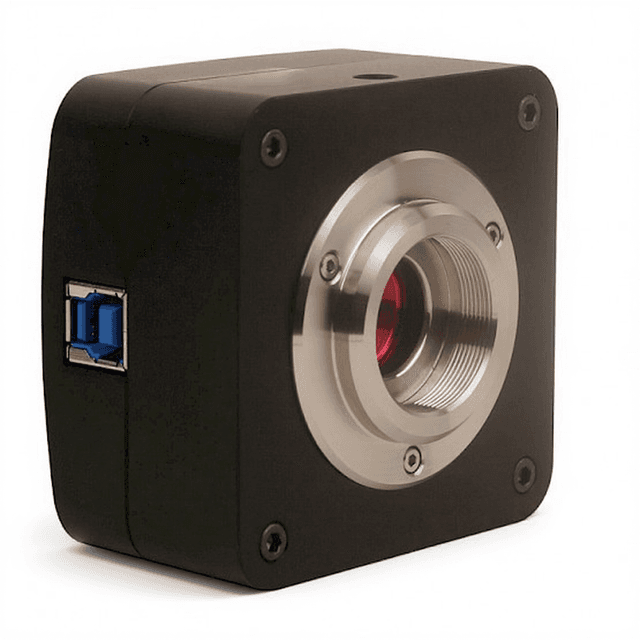
IR illumination and camera mounting provisions are included, but video recording equipment must be purchased separately. The IR system provides illumination for behavioral monitoring without visible light interference.
Have a question about this product?
Track rodents with ConductVision
ConductVision is our video-tracking software. Record your sessions on video, and it scores standard rodent tests, such as those listed below.
Examples of tests it scores
To check whether ConductVision scores your protocol in this apparatus, ask in your quote request.
Ask a question
Have a question? Just ask.
Send it over and we'll email you a personalized answer — no call, no scheduling.
Personalized email reply
Usually within one business day
Helpful answers published here
Prefer to talk it through?
Accessories
Enhance your setup with compatible accessories
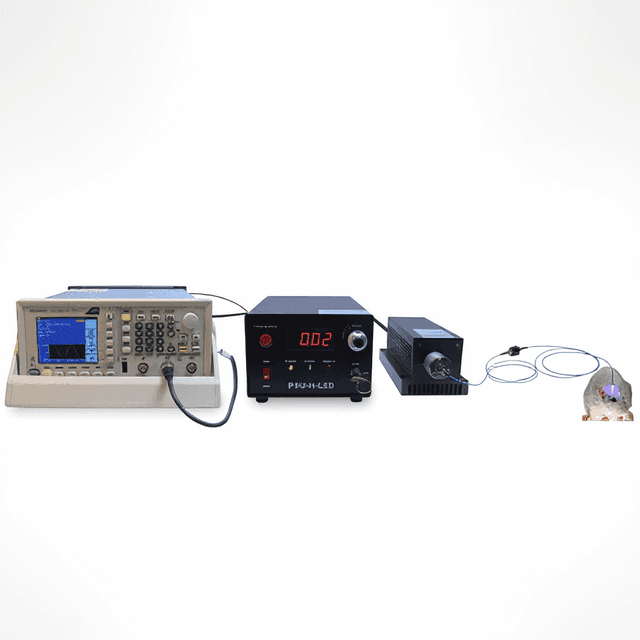
Total: $0.00
Frequently Bought Together
+
+
+

Total: $13,280.00

Bussey-Saksida Touch Screen Operant Conditioning Chamber
$7,990.00
Added to quoteView Quote