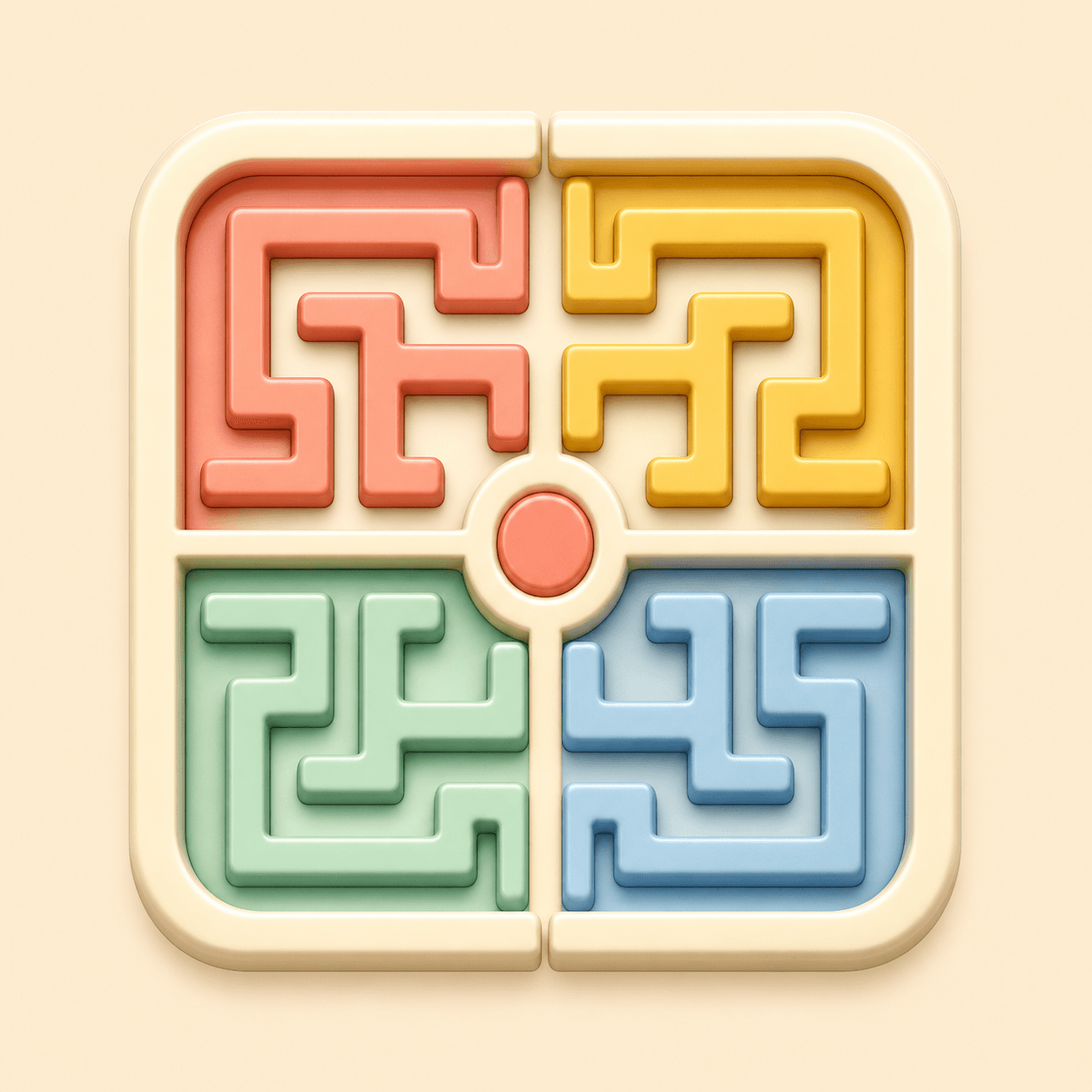
Colorful maze emoji concept illustration

The Maze Emoji Project

How a ConductScience and Emojination proposal for a maze emoji moved from Unicode review into a larger neuroscience communication story.

Press story

The record behind the 12/18/2020 Unicode Maze row.

The official Unicode emoji proposal status sheet lists a Maze proposal as declined on December 18, 2020. That row traces back to a 2020 Emojination proposal packet that included a dedicated MAZE (OBJECT) submission from Shuhan He, Debbie Lai, and Andrew Glerum, with image credit to Alla Shamanska at ConductScience.

The proposal argued that mazes are not only puzzles or cultural objects. In behavioral neuroscience, maze apparatuses are central tools for studying learning, memory, motivation, decision-making, and neurological injury. The project became a compact example of a larger issue: scientific practice often lacks everyday symbols that make research legible outside the lab.

Timeline

From proposal to press coverage

Unicode status page

August 31, 2020

Maze emoji proposal prepared

The MAZE (OBJECT) proposal named Shuhan He, Debbie Lai, and Andrew Glerum as submitters and credited Alla Shamanska of ConductScience for the image work.

September 2020

Submitted with a medical emoji packet

The Maze proposal was sent to Unicode through the same Emojination-organized packet as blood bag, CT scan, ECG, intestines, IV bag, leg cast, liver, pill pack, weight scale, and white blood cell.

December 18, 2020

Unicode declined the proposal

Unicode later recorded the concept in its public proposal status sheet as Maze, Declined, 12/18/2020.

2023

The story entered neuroscience media

The Lancet Neurology and Knowing Neurons covered the neuroscience case for a maze emoji and the broader question of how scientific communities are represented in everyday digital language.

Why it mattered

A maze is an everyday symbol and a research instrument.

Neuroscience representation

Maze apparatuses have a long history in behavioral neuroscience. Researchers use them to study spatial learning, memory, anxiety, reward, injury models, and treatment effects. The emoji proposal connected that research vocabulary to public digital language.

Public communication

The project also made a simple point: scientific symbols shape how people talk about science. Even when Unicode declines a proposal, the review record can still become part of how a field explains itself.

Coverage

The proposal became a broader neuroscience communication story.

In 2023, The Lancet Neurology published A neuroscientific emoji, and Knowing Neurons published a companion-style explainer on making the neuroscience maze emoji. Together, those pieces reframed the proposal as a discussion about visibility for neuroscience, behavioral methods, and medical communication.

The Lancet Neurology article card for A neuroscientific emoji

Source trail

Public links used for this press record

The official Unicode sheet confirms the public status row. The current Unicode emoji list confirms that maze is not a released emoji today.

See the full ConductScience press archive

Explore related coverage from NIH, The Lancet Neurology, Nature, Popular Science, Knowing Neurons, NPR, and other publications.

Back to press

Press inquiries

For interviews or background on ConductScience, MazeEngineers, and behavioral neuroscience infrastructure, contact the ConductScience team.