Epilepsy — Animal Models & Behavioral Testing

Compare pharmacological and electrical seizure models side by side. Match each model to validated behavioral assays and the equipment you need to run them.

Why Animal Models for Epilepsy Research

Epilepsy affects approximately 50 million people worldwide and is characterized by recurrent, unprovoked seizures arising from abnormal neuronal synchronization. Despite over 30 approved antiseizure medications, roughly one-third of patients remain pharmacoresistant, underscoring the urgent need for new therapeutic targets and screening platforms.

Rodent epilepsy models reproduce key features of the human disease including spontaneous recurrent seizures, hippocampal sclerosis, mossy fiber sprouting, and comorbid cognitive and affective deficits. Chemoconvulsant models such as pilocarpine and kainic acid generate status epilepticus followed by a latent period and chronic epilepsy, closely mirroring the clinical trajectory of acquired temporal lobe epilepsy.

Selecting the appropriate model depends on the research question: pilocarpine and kainic acid produce robust chronic epilepsy for antiepileptogenic studies, PTZ kindling models seizure threshold changes over time, and the 6-Hz corneal stimulation paradigm specifically identifies compounds effective against therapy-resistant seizures. Below, we compare four widely used models and map each to a validated behavioral battery.

Model Comparison

ModelTypeBackgroundSeizure OnsetChronic EpilepsyCognitive ImpactTest WindowBest For
Pilocarpine SEPharmacologicalC57BL/6J20-40 min post-pilocarpine injectionSpontaneous recurrent seizures by 2-4 weeks post-SESpatial memory deficits detectable by 4-6 weeks post-SE8-12 weeksStudies of epileptogenesis and antiepileptogenic therapies, as the well-defined latent period between SE and chronic seizure onset provides a therapeutic intervention window. Also widely used for investigating cognitive comorbidities of temporal lobe epilepsy.
PTZ KindlingPharmacologicalC57BL/6JProgressive over 2-4 weeks of repeated PTZ injectionsFully kindled state with generalized seizures after 15-20 injectionsModerate spatial memory deficits in fully kindled animals6-8 weeksScreening antiseizure drugs against progressively worsening seizures, studying seizure threshold changes over time, and investigating the neurobiological mechanisms of epileptogenesis without the confound of extensive brain lesions.
Kainic AcidPharmacologicalC57BL/6J30-60 min post-injection (systemic) or minutes (intrahippocampal)Spontaneous hippocampal seizures by 1-3 weeks (intrahippocampal route)Robust spatial and contextual memory impairment by 3-4 weeks8-12 weeksInvestigating hippocampal circuit reorganization during epileptogenesis, testing neuroprotective strategies against excitotoxicity, and studying the relationship between hippocampal sclerosis and cognitive decline in temporal lobe epilepsy.
6-Hz Corneal StimulationPharmacologicalCF-1 or C57BL/6JImmediate upon electrical stimulation (6 Hz, 3 sec)Acute seizure model only — no chronic epilepsy developsTransient post-ictal confusion; no lasting cognitive deficit6-8 weeksScreening novel compounds against therapy-resistant seizures in a rapid, high-throughput paradigm. Particularly valued by the NIH/NINDS Epilepsy Therapy Screening Program (ETSP) as a frontline differentiation assay for drug candidates.

Pilocarpine SEPharmacological

Background: C57BL/6J

Seizure Onset20-40 min post-pilocarpine injection
Chronic EpilepsySpontaneous recurrent seizures by 2-4 weeks post-SE
Cognitive ImpactSpatial memory deficits detectable by 4-6 weeks post-SE
Test Window8-12 weeks

Systemic pilocarpine (a muscarinic agonist) induces status epilepticus after pretreatment with scopolamine methyl-bromide to block peripheral cholinergic effects. The model produces extensive bilateral hippocampal damage, mossy fiber sprouting, and granule cell dispersion closely resembling human mesial temporal sclerosis. Mortality during SE induction can be significant (20-40%) and is managed with diazepam termination at defined endpoints.

Ideal for: Studies of epileptogenesis and antiepileptogenic therapies, as the well-defined latent period between SE and chronic seizure onset provides a therapeutic intervention window. Also widely used for investigating cognitive comorbidities of temporal lobe epilepsy.

Curia G, et al. (2008). The pilocarpine model of temporal lobe epilepsy. J Neurosci Methods, 172(2), 143-157. PMID: 18550176

Pilocarpine SE Behavioral Battery

Morris Water Maze

Assesses hippocampal-dependent spatial learning and memory deficits that develop after pilocarpine-induced SE and chronic epilepsy.

View Morris Water Maze

Open Field Test

Evaluates general locomotor activity and anxiety-like behavior, both commonly altered in post-SE animals.

View Open Field Test

Fear Conditioning System

Measures contextual and cued fear memory, capturing hippocampal and amygdalar dysfunction after seizure-induced damage.

View Fear Conditioning System

Novel Object Recognition

Tests recognition memory, which is impaired in chronic epilepsy due to perirhinal and hippocampal pathology.

View Novel Object Recognition

Elevated Plus Maze

Quantifies anxiety-like behavior, a major psychiatric comorbidity in epilepsy patients and rodent epilepsy models.

View Elevated Plus Maze

PTZ KindlingPharmacological

Background: C57BL/6J

Seizure OnsetProgressive over 2-4 weeks of repeated PTZ injections
Chronic EpilepsyFully kindled state with generalized seizures after 15-20 injections
Cognitive ImpactModerate spatial memory deficits in fully kindled animals
Test Window6-8 weeks

Repeated subconvulsive doses of the GABA-A antagonist pentylenetetrazol (typically 35-40 mg/kg i.p. every 48 hours) produce progressive seizure intensification from myoclonic jerks to generalized tonic-clonic convulsions. Seizure severity is scored on the Racine scale. The kindling process reflects long-term neuroplastic changes in excitability without requiring an initial episode of status epilepticus.

Ideal for: Screening antiseizure drugs against progressively worsening seizures, studying seizure threshold changes over time, and investigating the neurobiological mechanisms of epileptogenesis without the confound of extensive brain lesions.

Shimada T, Yamagata K. (2018). Pentylenetetrazole-Induced Kindling Mouse Model. J Vis Exp, (136), 56573. PMID: 29985348

PTZ Kindling Behavioral Battery

Open Field Test

Monitors post-kindling changes in locomotion and anxiety-related behaviors in the open arena.

View Open Field Test

Elevated Plus Maze

Evaluates kindling-induced anxiety, which increases progressively with seizure severity.

View Elevated Plus Maze

Barnes Maze

Assesses spatial reference memory with lower physical demand than water-based tasks, suitable for kindled animals.

View Barnes Maze

Novel Object Recognition

Tests recognition memory to detect subtle cognitive effects of repeated subconvulsive seizures.

View Novel Object Recognition

Kainic AcidPharmacological

Background: C57BL/6J

Seizure Onset30-60 min post-injection (systemic) or minutes (intrahippocampal)
Chronic EpilepsySpontaneous hippocampal seizures by 1-3 weeks (intrahippocampal route)
Cognitive ImpactRobust spatial and contextual memory impairment by 3-4 weeks
Test Window8-12 weeks

Kainic acid, a glutamate receptor agonist with high affinity for kainate receptors enriched in hippocampal CA3, produces limbic seizures and excitotoxic neuronal death preferentially in the hippocampus. The intrahippocampal injection route produces unilateral hippocampal sclerosis closely modeling human mesial temporal lobe epilepsy with minimal extrahippocampal damage. Systemic administration yields more widespread pathology but higher mortality.

Ideal for: Investigating hippocampal circuit reorganization during epileptogenesis, testing neuroprotective strategies against excitotoxicity, and studying the relationship between hippocampal sclerosis and cognitive decline in temporal lobe epilepsy.

Ben-Ari Y, Cossart R. (2000). Kainate, a double agent that generates seizures: two decades of progress. Trends Neurosci, 23(11), 580-587. PMID: 11074268

Kainic Acid Behavioral Battery

Morris Water Maze

Gold-standard test for hippocampal spatial memory, severely impaired after kainic acid-induced hippocampal sclerosis.

View Morris Water Maze

Fear Conditioning System

Contextual fear conditioning is exquisitely sensitive to hippocampal damage caused by kainic acid excitotoxicity.

View Fear Conditioning System

Rotarod Test

Controls for motor impairment that could confound cognitive test interpretation, particularly after systemic KA.

View Rotarod Test

Open Field Test

Detects KA-induced hyperactivity and altered exploratory patterns during the chronic epilepsy phase.

View Open Field Test

Novel Object Recognition

Assesses perirhinal-dependent recognition memory, providing complementary data to hippocampal spatial tasks.

View Novel Object Recognition

6-Hz Corneal StimulationPharmacological

Background: CF-1 or C57BL/6J

Seizure OnsetImmediate upon electrical stimulation (6 Hz, 3 sec)
Chronic EpilepsyAcute seizure model only — no chronic epilepsy develops
Cognitive ImpactTransient post-ictal confusion; no lasting cognitive deficit
Test Window6-8 weeks

Low-frequency (6 Hz) corneal electrical stimulation for 3 seconds produces psychomotor seizures characterized by stun, forelimb clonus, twitching of the vibrissae, and Straub tail. At the 44 mA intensity, this model is resistant to many conventional antiseizure drugs including phenytoin, carbamazepine, and lamotrigine, making it a valuable pharmacoresistance screen. The model is acute, humane, and high-throughput.

Ideal for: Screening novel compounds against therapy-resistant seizures in a rapid, high-throughput paradigm. Particularly valued by the NIH/NINDS Epilepsy Therapy Screening Program (ETSP) as a frontline differentiation assay for drug candidates.

Barton ME, et al. (2001). Pharmacological characterization of the 6 Hz psychomotor seizure model of partial epilepsy. Epilepsy Res, 47(3), 217-227. PMID: 11738929

6-Hz Corneal Stimulation Behavioral Battery

Rotarod Test

Essential for detecting motor side effects of candidate antiseizure compounds tested in the 6-Hz paradigm.

View Rotarod Test

Open Field Test

Screens for sedation or hyperactivity side effects of drugs being evaluated for antiseizure efficacy.

View Open Field Test

Barnes Maze

Evaluates whether candidate drugs cause cognitive side effects at therapeutically effective doses.

View Barnes Maze

Behavioral Test Battery by Model

Which tests are validated for each model. Build your protocol by selecting from recommended assays.

TestPilocarpine SEPTZ KindlingKainic Acid6-Hz Corneal Stimulation
Morris Water Maze
Open Field Test
Fear Conditioning System
Novel Object Recognition
Elevated Plus Maze
Barnes Maze
Rotarod Test

Behavioral Testing Equipment

Purpose-built equipment for Epilepsy preclinical research. Each product ships with protocol documentation and technical support from PhD scientists.

Open Field Test

Open Field Test

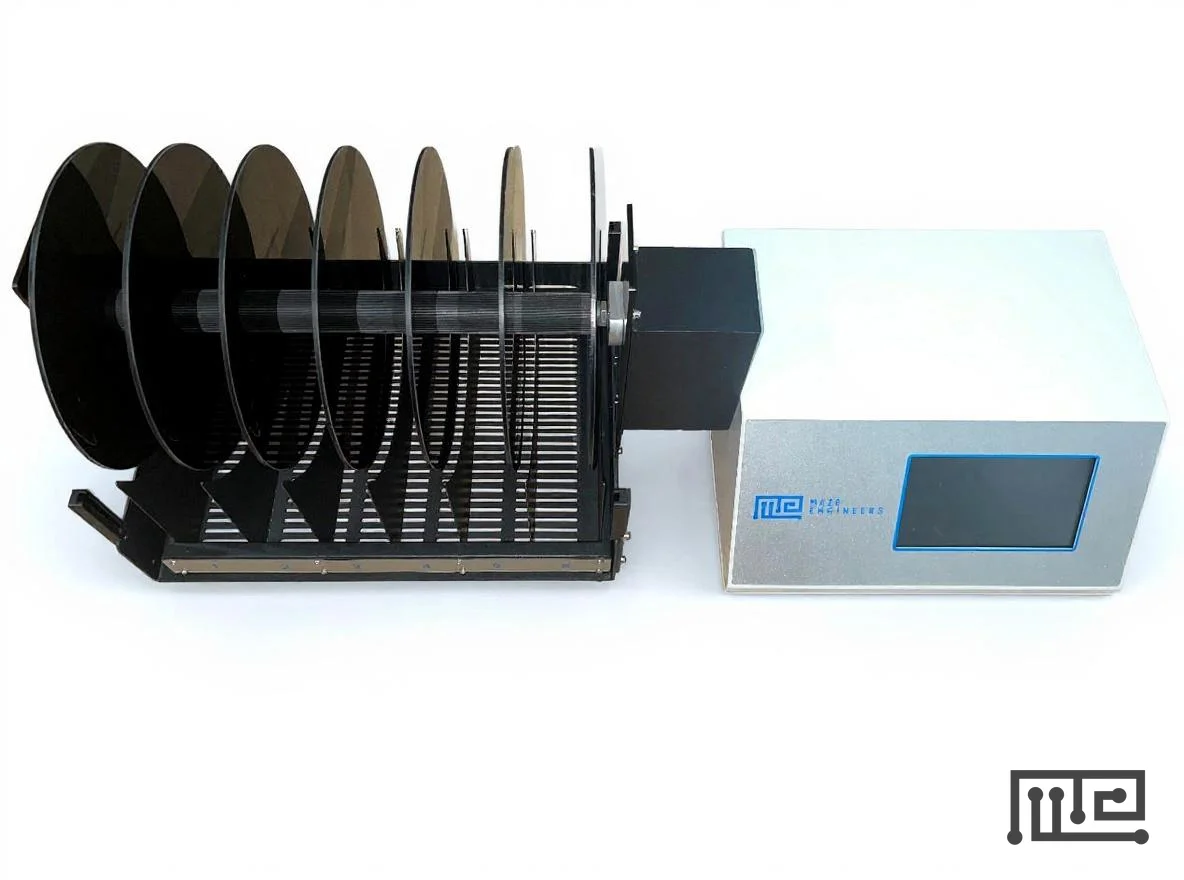
Measures locomotor activity, anxiety-like behavior, and post-ictal recovery in epilepsy models.

Rotarod Test

Rotarod Test

Assesses motor coordination and balance, critical for detecting antiseizure drug side effects.

Morris Water Maze

Morris Water Maze

Gold-standard spatial memory task for quantifying hippocampal-dependent cognitive deficits after seizures.

Fear Conditioning System

Fear Conditioning System

Evaluates contextual and cued fear memory to assess hippocampal and amygdalar function post-SE.

Elevated Plus Maze

Elevated Plus Maze

Quantifies anxiety-like behavior, a prevalent psychiatric comorbidity in chronic epilepsy.

Novel Object Recognition

Novel Object Recognition

Tests recognition memory without aversive motivation, sensitive to perirhinal and hippocampal damage.

Barnes Maze

Barnes Maze

Dry-land spatial memory task with lower stress than water maze, suitable for seizure-prone animals.

Frequently Asked Questions

What is the best mouse model for chronic temporal lobe epilepsy?

The pilocarpine and intrahippocampal kainic acid models are the most widely used for chronic temporal lobe epilepsy. Both produce spontaneous recurrent seizures and hippocampal sclerosis, but the intrahippocampal KA model offers more focal, reproducible pathology with lower mortality.

How long does it take for spontaneous seizures to develop after status epilepticus?

After pilocarpine-induced SE, there is typically a seizure-free latent period of 1-4 weeks before spontaneous recurrent seizures begin. With intrahippocampal kainic acid, hippocampal paroxysmal discharges can appear within days, though convulsive seizures may take 2-3 weeks to emerge.

Which epilepsy model is best for screening therapy-resistant seizures?

The 6-Hz corneal stimulation model at 44 mA intensity is specifically designed to identify compounds effective against pharmacoresistant seizures. It is resistant to phenytoin, carbamazepine, and lamotrigine, and is used by the NINDS Epilepsy Therapy Screening Program as a key differentiation assay.

What behavioral tests should I include in an epilepsy study?

A comprehensive battery typically includes the Morris Water Maze or Barnes Maze for spatial memory, fear conditioning for associative memory, novel object recognition for recognition memory, and the elevated plus maze for anxiety. Rotarod testing should be included to control for motor confounds, especially in drug studies.

How do I reduce mortality in the pilocarpine model?

Key strategies include using a ramping protocol (repeated low doses at 20-min intervals until SE onset), pretreatment with scopolamine methyl-bromide to block peripheral effects, and terminating SE with diazepam (5-10 mg/kg) after 60-90 minutes. Post-SE supportive care with saline injections and soft food also improves survival.

What is PTZ kindling and how does it differ from electrical kindling?

PTZ kindling uses repeated subconvulsive doses of the GABA-A antagonist pentylenetetrazol to progressively lower seizure threshold, scored on the Racine scale. Unlike electrical kindling (which requires stereotaxic electrode implantation), PTZ kindling is non-surgical, less technically demanding, and produces more generalized seizure onset patterns.

Can I use C57BL/6J mice for all epilepsy models?

C57BL/6J mice work well for pilocarpine, kainic acid, and PTZ kindling models. However, they have relatively high seizure thresholds compared to strains like CF-1 or SWR/J. For the 6-Hz model, CF-1 mice are the traditional strain, though C57BL/6J can be used with adjusted stimulus parameters.

When should I perform behavioral testing after status epilepticus?

Allow at least 4-6 weeks after SE for stable chronic epilepsy to develop before beginning behavioral testing. This ensures you are measuring the effects of chronic epilepsy rather than acute post-SE recovery. Video-EEG monitoring during the waiting period confirms the presence of spontaneous seizures before behavioral assessment begins.