1 / 7
Rotarod Test
SKU ME-RTD-M6L
In Stock — ships now$4,995.00
IncludesStandard care
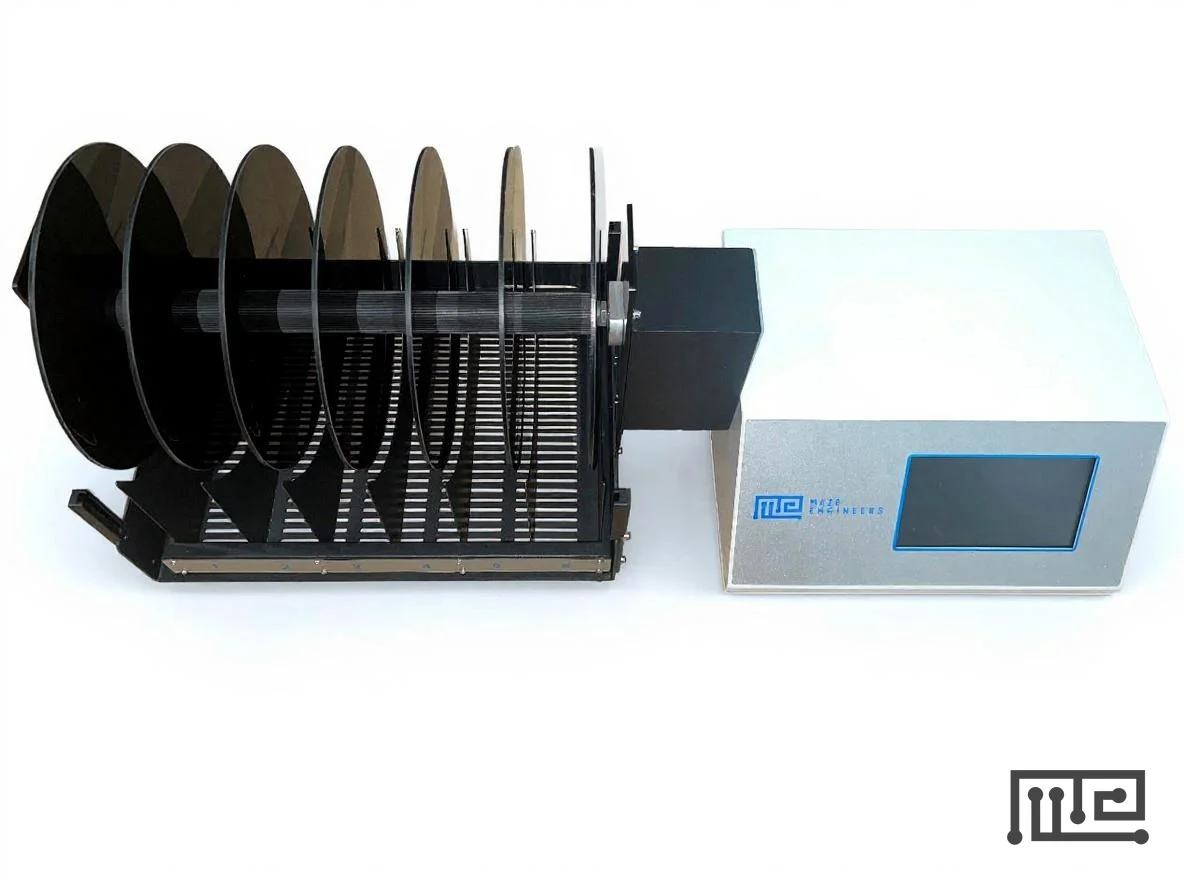
Automated behavioral testing apparatus for quantitative assessment of rodent motor coordination and balance using programmable rotating rod protocols with infrared fall detection.
Scientist guidance

Louise Corscadden, PhD
Director of Science · ConductScience
Ask Louise about Rotarod Test fit, setup, configuration, or quote prep.
Already working with us? Sign in to connect this with My Scientist.
Used in a 2020 paper in Nucleic Acids Research
A drug that lowers prion protein, ION717, later entered a first-in-human study.
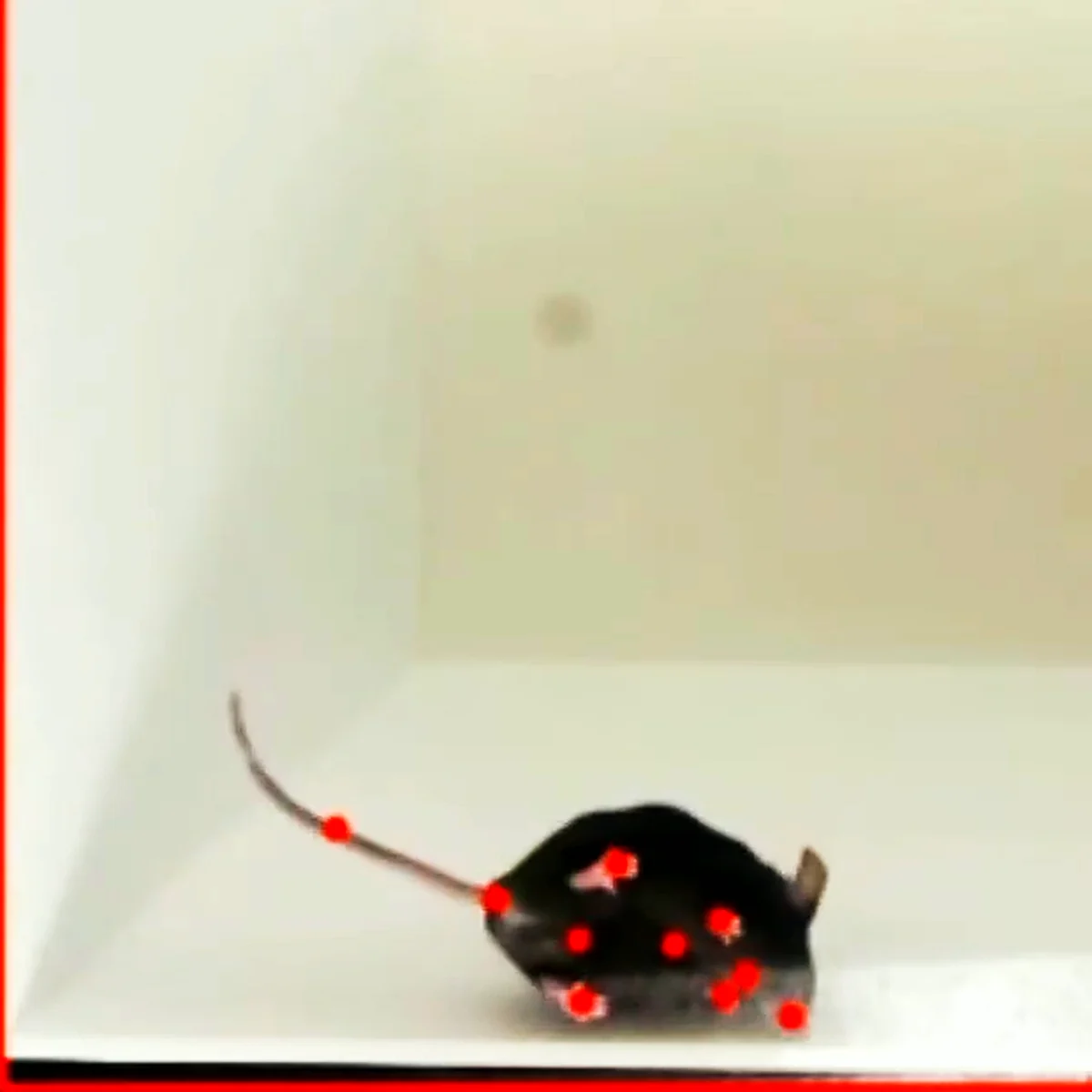
Mice were seated on a rod rotating at 4 rpm in a six-lane Rotarod apparatus (Maze Engineers).
Maze Engineers is part of ConductScience.
Key Specifications
Full details →- Model fit
- Mouse, Rat
- SKU family
- ME-5703/4
- Sizing
- Mouse 3 Lane: Lane width 6 cm · Fall height 16 cm; Rat 3 Lane: Lane width 10 cm · Fall height 16 cm; Mouse 6 Lane: Lane width 6 cm · Fall height 16 cm; Rat 6 Lane: Lane width 10 cm · Fall height 16 cm; Rat 4 Lane: Lane width 10 cm · Fall height 28 cm
- Ordering
- Online checkout and quote request available
- Category
- Behavioral Mazes
- Build notes
- Confirm accessories, station layout, and support needs before purchase
The Rotarod Test is a standardized behavioral assessment apparatus for evaluating motor coordination, balance, and learning in rodents. The device utilizes the animal's natural fear of falling as motivation to maintain balance on a rotating rod, providing quantitative measurement of motor performance through latency to fall metrics. Available in 4-lane and 6-lane configurations with species-specific rod diameters (3cm for mice, 6cm for rats), the system accommodates simultaneous testing of multiple subjects with independent lane tracking.
The apparatus features programmable speed control (0.1-99.9 RPM with 0.1 RPM accuracy) and acceleration protocols (0.1-50 RPM acceleration range), enabling both constant-speed and progressive acceleration paradigms. Precision infrared sensors automatically detect falls and record data through the integrated Conductor Software, eliminating manual timing errors. The system includes safety features such as adjustable fall height (16cm standard) with soft landing surfaces and horizontal ridges on the rod for improved grip stability.
How It Works
The Rotarod Test operates on the principle of forced motor coordination under the natural behavioral drive to avoid falling. Subjects are placed on a horizontal rotating rod where they must continuously adjust their gait and balance to match the rod's rotational speed. The test exploits the animal's instinctive fear of falling to provide consistent motivation without external reinforcement or punishment.
Precision infrared sensors positioned beneath each lane detect when an animal falls from the rod, automatically recording the latency to fall with millisecond precision. The system can operate in constant-speed mode for baseline motor assessment or accelerating mode (0.1-50 RPM acceleration over 1-4999 seconds) to evaluate motor adaptation and maximum performance capacity. Real-time data display shows duration, revolutions completed, fall speed, and rotation direction for immediate protocol monitoring.
The rod surface features horizontal ridges that provide standardized grip conditions while preventing excessive clinging behavior that could confound motor assessment. Lane dividers ensure independent testing of multiple subjects, while the adjustable floor height allows customization of fall consequences to match experimental requirements without causing injury.
Features & Benefits
Programmable Speed Control (0.1-99.9 RPM)
Enables precise protocol standardization and dose-response studies with 0.1 RPM accuracy for reproducible motor challenge levels.
Independent Lane Tracking with IR Sensors
Simultaneously tests multiple subjects with automatic fall detection, increasing throughput while eliminating observer bias and timing errors.
Configurable Acceleration Protocols
Supports both constant-speed baseline testing and progressive acceleration paradigms (0.1-50 RPM range) to assess motor adaptation and maximum performance.
Species-Specific Rod Configurations
Optimized rod diameters (3cm mice, 6cm rats) and lane widths ensure appropriate scaling for different species while maintaining standardized testing conditions.
Real-Time Data Display and Logging
Provides immediate feedback on duration, revolutions, fall speed, and direction while automatically recording data to eliminate transcription errors.
Adjustable Fall Height with Safety Features
Customizable 16cm fall height with soft landing surfaces allows protocol optimization while preventing injury during repeated testing.
Integrated Conductor Software
Complete study management including protocol definition, data collection, and CSV export functionality for seamless integration with statistical analysis software.
Horizontal Ridge Rod Surface
Standardized grip conditions with 30 rungs (mice) or 25 rungs (rats) prevent excessive clinging while maintaining consistent traction across subjects.
Sizes by model
| Measurement | Mouse 3 Lane | Rat 3 Lane | Mouse 6 Lane | Rat 6 Lane | Rat 4 Lane |
|---|---|---|---|---|---|
| Lane width | 6 cm | 10 cm | 6 cm | 10 cm | 10 cm |
| Fall height | 16 cm | 16 cm | 16 cm | 16 cm | 28 cm |
| Rod diameter | 3 cm | 6 cm | 3 cm | 6 cm | 6 cm |
Angular Acceleration
- 0.1-50 RPM
Acceleration Time Range
- 1-4999 seconds
Run Time
- 1-900 minutes
Speed Modes
- Constant or Accelerating
Device Configurations
- 4-lane, 6-lane
Sensor Type
- Precision IR Sensor
Data Export
- CSV file to Excel
Safety Features
- Minimal height & soft landing prevents harm
Rod Features
- Horizontal ridges for grip
Sensitivity Wheel Rungs Mice
- 30 rungs
Sensitivity Wheel Rungs Rats
- 25 rungs
Software Included
- Conductor Software (Free with order)
Behavioral Construct
- Motor Coordination
- Balance
- Motor Learning
- Motor Performance
- Locomotor Function
Automation Level
- fully-automated
Speed/RPM
- 0.1-99.9 RPM
Accuracy
- 0.1 RPM
Display Type
- Real-Time Display
Research Domain
- Aging Research
- Behavioral Pharmacology
- Learning and Memory
- Motor Function
- Neurodegeneration
- Neuroscience
- Toxicology
Species
- Mouse
- Rat
Compatible Tracking Software
- ConductVision
Shipping weight
- 17.0 lb
Shipping box
- L: 56.0 cm
- W: 38.0 cm
- H: 44.0 cm
| Feature | This Product | Typical Alternative | Advantage |
|---|---|---|---|
| Speed Range and Accuracy | 0.1-99.9 RPM with 0.1 RPM accuracy | Entry-level models often provide 1-60 RPM ranges with lower precision | Wider speed range enables testing from subtle motor deficits to maximum performance capacity with precise protocol control. |
| Lane Configuration Options | Available in 4-lane (rat) and 6-lane (mouse) configurations | Many systems offer single configuration only | Species-optimized designs with appropriate lane widths maximize throughput while ensuring proper biomechanical scaling. |
| Acceleration Programming | 0.1-50 RPM acceleration over 1-4999 seconds | Basic models may offer limited acceleration options | Flexible acceleration protocols enable both gentle ramp testing and aggressive challenge paradigms for comprehensive motor assessment. |
| Fall Detection System | Precision infrared sensors with automatic data logging | Some systems rely on manual timing or simple contact sensors | Infrared detection provides millisecond accuracy without physical contact artifacts that could influence animal behavior. |
| Data Export and Integration | CSV export with real-time display of duration, revolutions, and fall speed | Basic systems may provide limited data output options | Comprehensive data capture supports detailed statistical analysis and protocol optimization for research publications. |
| Safety and Animal Welfare | Adjustable 16cm fall height with soft landing and horizontal grip ridges | Fixed height systems with varying safety features | Customizable fall consequences enable protocol optimization while maintaining animal welfare standards throughout repeated testing. |
This automated Rotarod system provides comprehensive motor coordination assessment through precision speed control, automated data collection, and species-optimized configurations. The combination of flexible programming, infrared fall detection, and integrated software supports both routine behavioral screening and specialized motor research applications.
| Model | SKU | Listed price | Status | Shipping box |
|---|---|---|---|---|
| 6-lane | ME-RTD-M6L | $4,995.00 | Available | 55.88 x 43.18 x 45.72 cm |
| 4-lane | ME-RTR-R6L | $5,295.00 | Available | 60.96 x 38.1 x 66.04 cm |
Neuroscience
Assessment of motor deficits in traumatic brain injury models, measuring baseline motor function and recovery following experimental interventions.
Behavioral Pharmacology
Evaluation of drug-induced motor impairment or enhancement, including dose-response studies of compounds affecting coordination and balance.
Motor Function
Quantification of motor learning curves and skill acquisition in longitudinal studies examining practice effects and motor memory formation.
Neurodegeneration
Longitudinal monitoring of progressive motor decline in disease models such as Parkinson's, Huntington's, and amyotrophic lateral sclerosis research.
Toxicology
Detection of neurotoxic effects of chemical exposures through standardized motor coordination testing protocols.
Aging Research
Characterization of age-related motor decline and evaluation of interventions designed to preserve motor function in aging cohorts.
Practical Tips
Calibration
Verify speed accuracy weekly using a digital tachometer at 5, 20, and 40 RPM settings.
Why: Speed drift over time can introduce systematic errors that compromise data reproducibility across testing sessions.
Maintenance
Clean rod surface with 70% ethanol between subjects and inspect horizontal ridges monthly for wear patterns.
Why: Consistent grip conditions are essential for standardized motor assessment, and ridge wear can gradually alter task difficulty.
Best Practices
Maintain consistent ambient temperature (22±2°C) and lighting conditions during testing sessions.
Why: Environmental factors can influence motor performance and introduce confounding variables in longitudinal studies.
Best Practices
Randomize lane assignments across treatment groups to control for potential lane-specific performance differences.
Why: Subtle mechanical variations between lanes could introduce bias if treatment groups are consistently assigned to specific positions.
Troubleshooting
If sensors show intermittent detection, verify that the fall height allows complete beam interruption when animals drop.
Why: Partial beam breaks can cause false readings, particularly with smaller mice that may not fully interrupt the infrared path.
Data Quality
Establish minimum trial duration criteria (e.g., >10 seconds) to exclude immediate falls that may indicate handling stress rather than motor deficit.
Why: Very short latencies often reflect behavioral factors rather than motor coordination deficits and can skew statistical analyses.
Safety
Monitor animals for signs of fatigue during repeated testing sessions and implement rest periods as needed.
Why: Motor fatigue can confound coordination measurements and may compromise animal welfare during intensive testing protocols.
Calibration
Document rod surface condition and ridge wear as part of protocol standardization for longitudinal studies.
Why: Progressive surface changes can alter grip characteristics over time, affecting the consistency of motor challenge across study phases.
Setup Guide
Unpack and Inspect
Remove the apparatus from packaging and verify all components including the main unit, software installation media, dividers, and safety inserts. Inspect for any shipping damage.
Position and Level
Place the unit on a stable, level surface with adequate lighting for video recording if required. Ensure 50cm clearance around the apparatus for subject handling.
Software Installation
Install the included Conductor Software on the control computer and establish USB connection to the apparatus. Verify communication through the system status display.
Calibration Verification
Run the built-in calibration routine to verify speed accuracy and infrared sensor function. Record calibration parameters for quality assurance documentation.
Protocol Programming
Define experimental parameters including speed profile, acceleration rate, maximum run time (1-900 minutes), and trial structure within the software interface.
Safety Check
Install lane dividers and verify proper sensor alignment. Test emergency stop function and confirm soft landing surface positioning at desired fall height.
Training Session
Conduct initial training runs with test subjects to establish baseline performance and familiarize animals with the apparatus prior to experimental data collection.
What’s in the Box
- Rotarod apparatus (4-lane or 6-lane configuration)
- Conductor Software with USB interface cable
- Lane dividers and safety inserts
- Power adapter and interface cables
- User manual and protocol guides
- Calibration verification tools (typical)
- Quick reference protocol cards (typical)
Warranty
ConductScience provides a standard one-year manufacturer warranty covering defects in materials and workmanship, with comprehensive technical support for software integration and protocol development.
Compliance
ARRIVE GuidelinesRotarod testing protocols commonly follow ARRIVE reporting standards for transparent documentation of animal research methodologies.
NIH Guidelines for Care and Use of Laboratory AnimalsMotor coordination testing procedures are designed to align with NIH standards for minimizing animal distress while obtaining valid behavioral data.
IACUC Protocol RequirementsStandardized Rotarod protocols support institutional animal care committee review processes for motor function research approval.
References
Background reading relevant to this product:
1.Robert J. Hamm et al. (1994) “The Rotarod Test: An Evaluation of Its Effectiveness in Assessing Motor Deficits Following Traumatic Brain Injury” Journal of Neurotrauma doi:10.1089/neu.1994.11.187
2.Hiromi Shiotsuki et al. (2010) “A rotarod test for evaluation of motor skill learning” Journal of Neuroscience Methods doi:10.1016/j.jneumeth.2010.03.026
3.Christelle Monville et al. (2006) “Comparison of incremental and accelerating protocols of the rotarod test for the assessment of motor deficits in the 6-OHDA model” Journal of Neuroscience Methods doi:10.1016/j.jneumeth.2006.06.001
4.Martin O. Bohlen et al. (2008) “Calibration of rotational acceleration for the rotarod test of rodent motor coordination” Journal of Neuroscience Methods doi:10.1016/j.jneumeth.2008.11.001
5.Simon P. Brooks et al. (2012) “Assessment of Motor Coordination and Balance in Mice Using the Rotarod, Elevated Bridge, and Footprint Tests” Current Protocols in Mouse Biology doi:10.1002/9780470942390.mo110165
Q
What is the Rotarod Test?
A
The Rotarod Test is a behavioral assay that evaluates motor coordination, balance, and endurance in rodents by measuring the time an animal can maintain itself on a rotating rod at increasing speeds.
Q
How does the Rotarod Test work?
A
Animals are placed on a horizontal rotating rod that gradually accelerates. The latency to fall is recorded as a measure of motor function. Multiple trials across days can assess motor learning and progressive motor deficits.
Q
What research applications use the Rotarod Test?
A
The Rotarod is the standard test for motor function in Parkinson's disease, ALS, ataxia, and stroke models. It is also used to screen drugs for motor side effects and to evaluate cerebellar function.
Have a question about this product?
Track rodents with ConductVision
ConductVision is our video-tracking software. Record your sessions on video, and it scores standard rodent tests, such as those listed below.
Examples of tests it scores
To check whether ConductVision scores your protocol in this apparatus, ask in your quote request.
Ask a question
Have a question? Just ask.
Send it over and we'll email you a personalized answer — no call, no scheduling.
Personalized email reply
Usually within one business day
Helpful answers published here
Prefer to talk it through?
Frequently Bought Together
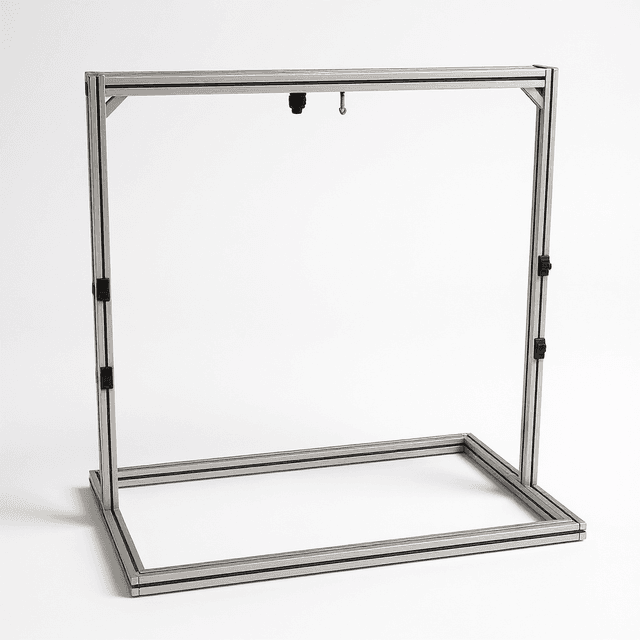
Total: $6,230.00
Upgrade Options
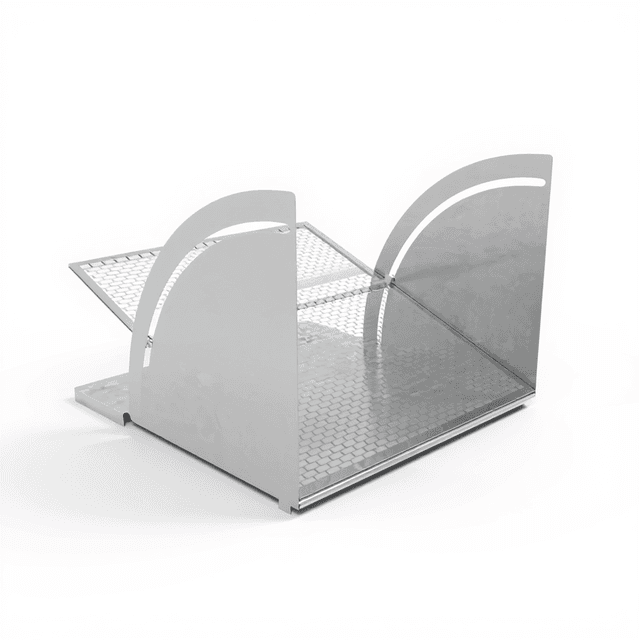

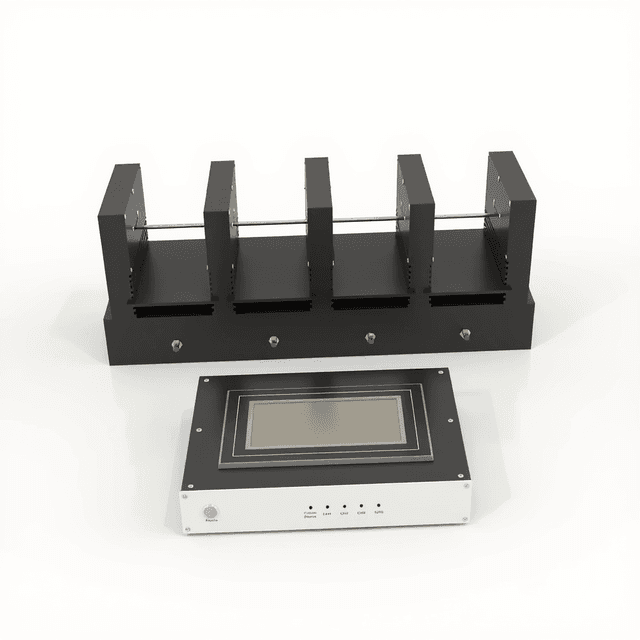
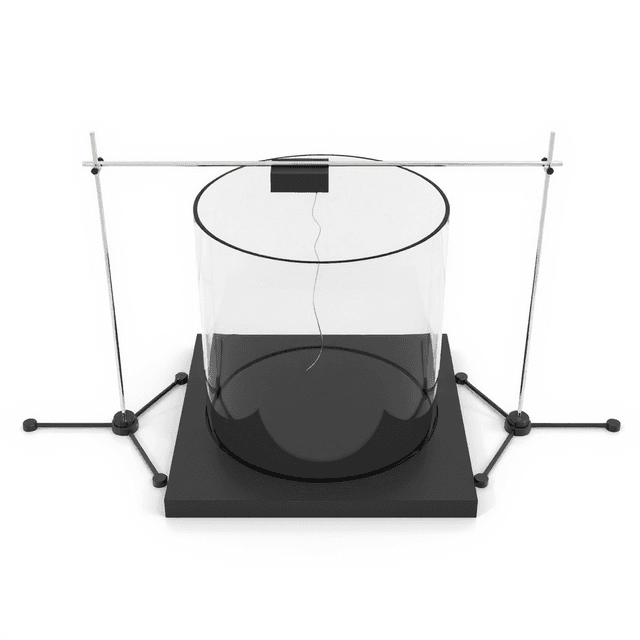
Creator Insights
N. W. DunhamDescribed the rotarod apparatus (1957, with T. S. Miya)College of Pharmacy, University of Nebraska, Lincoln
About the Creator
N. W. Dunham and T. S. Miya were pharmacologists at the College of Pharmacy, University of Nebraska, Lincoln. In 1957 they published a short technical note describing a motorized rotating rod that could objectively quantify motor incoordination in rats and mice — the first description of what became the rotarod test. The device met a recognized need for a reproducible, standardized measure that could separate true motor impairment from sedation or ataxia. The rotarod became the standard assay for cerebellar function, drug-induced neurotoxicity and motor phenotypes in transgenic disease models, and remains one of the most cited tests in neuropharmacology.
To view N. W. Dunham’s publications, visit PubMed.
Are you N. W. Dunham? to review your photo and bio, and find out how to submit Creator Insights.
ConductScience celebrates method creators: researchers who, through rigorous and often ingenious experiments, develop the tools that reveal how the brain and body work. These are real scientific discoveries that become everyday instruments for the labs that follow.
Foundational paper
- Dunham, N. W., & Miya, T. S. (1957). A note on a simple apparatus for detecting neurological deficit in rats and mice. Journal of the American Pharmaceutical Association (Scientific Edition), 46(3), 208–209. doi:10.1002/jps.3030460322
Use this apparatus with
The complete Rotarod Test workflow
Track behavior
No exact ConductVision rotarod page is currently published. Rotarod latency and falls are normally captured by the apparatus timer and trip plate rather than overhead tracking; keep this as a roadmap gap.
Supporting page not yet builtRun protocol
Habituation, acceleration ramp, trial spacing, passive-rotation rules, and latency-to-fall scoring for accelerating and fixed-speed sessions.
ConductMaze Rotarod Protocol ->Analyze output
Summarize latency to fall, rotations per minute at fall, falls per session, and across-trial motor learning with quality-control flags.
Rotarod Test Analyzer ->Configuration considerations
Common Rotarod Test setup decisions
Use these notes to scope species, cohort, tracking, and automation needs. Only verified product or support routes are linked from this section.
This productAccelerating
Accelerating Rotarod
Multi-lane rotating rod with programmable acceleration ramp and per-lane trip plates
Standard configuration for motor coordination and balance, reporting latency to fall and rotation speed at fall as the rod accelerates from a low to high speed.
Quote
Request QuoteBuyableMouse or rat
Species-Scaled Rotarod
Rod diameter and lane width scaled for mouse or rat body size
Rod diameter and divider spacing change grip mechanics and fall risk, so the lane geometry should match the species and cohort being tested.
Quote
View options ->SpecialtyFixed-speed
Fixed-Speed / Fatigue Rotarod
Constant-velocity protocol with falls-per-session and endurance logging
Best when the question is endurance or fatigue at a set speed rather than the continuous coordination measure an accelerating ramp provides.
Quote
Request automation help§ 1
Introduction
The Rotarod Test measures motor coordination, balance, and motor endurance by recording how long a rodent stays walking on a rotating rod. Dunham and Miya introduced the rotating-rod apparatus as a simple way to detect neurological deficit, and the accelerating variant turned it into a graded, continuous measure of coordination. 1
In the accelerating protocol the rod speeds up over a fixed window and the apparatus records latency to fall and the rotation speed reached at the moment of fall. This makes the rotarod a core readout for motor phenotyping in models of Huntington, Parkinson, ataxia, drug effects, and aging, where coordination declines before gross locomotion does. 1
Body weight, rod diameter, acceleration rate, passive rotation, motor learning, and fatigue all change latency to fall independent of true coordination. A defensible protocol fixes the acceleration ramp, scores passive rotations explicitly, reports body weight, and separates training-day learning from steady-state performance. 1
§ 2
Methods
2.1 Procedure
Accelerating-rod acquisition with latency-to-fall scoring, passive-rotation rules, and across-trial motor-learning tracking.
Pre-test setup
- 1.Acclimation and habituation: Habituate animals to the room and to a slow constant rotation so the first measured trial reflects coordination rather than novelty or handling stress.
- 2.Apparatus calibration: Verify rod diameter, surface texture, lane dividers, and the acceleration ramp (for example 4-40 rpm over 300 s). Confirm each trip plate registers a fall.
- 3.Define the protocol: Fix whether the session is accelerating or fixed-speed, the maximum trial duration, the number of trials per day, and the inter-trial interval before any data are collected.
- 4.Set passive-rotation rule: Decide in advance whether a full passive rotation (the animal clinging and riding the rod without walking) ends the trial or is excluded, because labs score this differently.
Trial sequence
- 1.Place animals on the rod: Load each lane with the rod at the starting speed and let the animal orient against the direction of rotation before the ramp begins.
- 2.Start acceleration and timer: Begin the programmed acceleration and record latency to fall when the animal drops onto the trip plate.1
- 3.Score passive rotations: Mark passive rotations per the pre-defined rule. Riding the rod is not coordinated locomotion and must not be counted as continued performance.7
- 4.Record speed at fall: Log the rotation speed (rpm) reached at the moment of fall in accelerating protocols, alongside the latency.
- 5.Repeat and rest: Run the planned trials with adequate inter-trial rest, then clean the rod and lanes to remove odor and urine before the next subject.
Critical methodological constraints
- Passive rotation. Clinging and riding the rod inflates latency without reflecting coordination. Pre-specify whether a passive rotation ends or excludes the trial.7
- Body weight. Heavier animals tend to fall sooner on an accelerating rod independent of coordination. Report body weight and consider it as a covariate.5
- Protocol consistency. Accelerating and fixed-speed protocols measure different things and have different sensitivity. Do not pool latencies across protocol types.
- Motor learning. Latency improves across early trials as animals learn the task. Separate acquisition from steady-state performance when interpreting group differences.1
2.2 Measurement & Analysis
Core rotarod endpoints for coordination, endurance, and quality control.
Latency To Fall
Primary motor endpoint
Time from the start of acceleration until the animal falls onto the trip plate, the standard coordination and balance readout.1
Speed At Fall (RPM)
Speed tolerance
Rotation speed reached at the moment of fall in accelerating protocols, often reported alongside latency.
Falls Per Session
Endurance and stability
Number of falls within a fixed-speed session, used as an endurance or fatigue index rather than a single latency.
Passive Rotation Count
Quality-control flag
Times the animal clings and rides the rod through a full rotation instead of walking; high counts invalidate a latency.7
Across-Trial Improvement
Motor learning
Change in latency across training trials or days, which separates motor learning from baseline coordination.
+ Additional metrics: body weight, trial-to-trial variability, time of day, rod diameter, acceleration rate, and per-lane apparatus notes.
2.3 rod-time fraction (analysis)
A compact fraction of the maximum trial window the animal stayed on the rod.
2.4 sample-size planning
Estimate the N per group needed to detect a literature-anchored motor effect at the endpoint you plan to report. Override the defaults with your own pilot numbers.
§ 3
Results
PubMed publication counts, sample apparatus output, and recent papers from a dated PubMed snapshot.
3.1 Publication trends
PubMed volume and co-occurring behavioral methods for rotarod motor studies.
3.2 Sample apparatus output
Representative output from an accelerating rotarod session (4-40 rpm over 300 s).
3.3 Recent findings (PubMed)
- Sep 2026PMID: 42508526
Pharmacological potential of wogonin in rotenone induced mice model of Parkinson's disease via targeting GSK-3β.
Sharma K, Chib S, Singh TG, et al.. Neuroscience. 2026 Sep 28.
Wogonin, a naturally occurring flavonoid derived from Scutellaria species and widely used in traditional East Asian medicine for its anti-inflammatory and antioxidant effects.
- Sep 2026PMID: 42786645
Early-gestational binge ethanol exposure induces persistent motor dysfunction associated with cerebellar redox and cytokine dysregulation in rat offspring.
Mendes PFS, Baia-da-Silva DC, Dos Santos VRN, et al.. Toxicol Sci. 2026 Sep 24.
Ethanol (EtOH) exposure frequently occurs before pregnancy recognition, making early embryonic development particularly vulnerable to inadvertent alcohol exposure.
- Sep 2026PMID: 42771281
Zingerone mitigates cognitive and motor impairments in a D-galactose-induced brain aging model: Role of oxidative stress and neuroinflammation.
Malayeri AR, Zand M, Asl SR, et al.. Mol Biol Rep. 2026 Sep 22.
The use of natural compounds with potent antioxidant and anti-inflammatory properties is a key strategy against age-related neurobehavioral deficits.
- Sep 2026PMID: 42767966
HMGB1 induces mitochondrial dysfunction through the TLR4 and RAGE pathways to promote astrocyte autophagy and PANoptosis in intracerebral hemorrhage.
Shang W, Cui J, Bai X, et al.. Chin Med J (Engl). 2026 Sep 21.
Secondary injury is an important factor that leads to a poor prognosis of intracerebral hemorrhage (ICH). Programmed cell death (PCD) plays an important role in secondary injury.
- Sep 2026PMID: 42753896
Dynamically visualizing the effects of rTMS on GCPII repair after ischemic stroke by [68Ga]Ga-PSMA-11 PET/CT.
He H, Cao Y, Wu H, et al.. Exp Neurol. 2026 Sep 17.
Glutamate excitotoxicity driven by pathological upregulation of glutamate carboxypeptidase II (GCPII) and consequent depletion of neuroprotective metabotropic glutamate receptor 3 (mGluR3) constitutes a critical cascade underlying post-ischemic neuronal injury.
- Sep 2026PMID: 42748980
Very early swimming prevents the establishment of musculoskeletal dysfunction in a rodent model of Cerebral Palsy.
Canonne C, Schirmbeck G, Carvalho AVS, et al.. Brain Res Bull. 2026 Sep 16.
Cerebral palsy (CP) is characterized by motor and cognitive impairments resulting from injuries to the central nervous system.
§ 4
Discussion
Limitations of the paradigm, methodological caveats, and current directions.
4.1 Common confounds
Variables that can shift Rotarod Test results apart from the effect under study.
Body weight
Heavier animals fall sooner on accelerating rods independent of coordination. Report weight and treat it as a covariate when groups differ in mass.
Passive rotation
Animals can cling and ride the rod instead of walking. Without a passive-rotation rule, latency overstates real motor performance.
Motor learning
Latency rises across early trials as animals learn the task, so a single session can confound coordination with task acquisition.
Fatigue
Repeated trials with short rest reduce latency through fatigue rather than a stable deficit. Standardize inter-trial intervals.
Apparatus calibration
Rod diameter, surface texture, and acceleration rate change difficulty. Differences in calibration prevent comparison across studies.
Preview exported markdown
## Rotarod Test — methods controls

Confounds controlled in this protocol:

- **Body weight.** Heavier animals fall sooner on accelerating rods independent of coordination. Report weight and treat it as a covariate when groups differ in mass.
- **Passive rotation.** Animals can cling and ride the rod instead of walking. Without a passive-rotation rule, latency overstates real motor performance.
- **Motor learning.** Latency rises across early trials as animals learn the task, so a single session can confound coordination with task acquisition.
- **Fatigue.** Repeated trials with short rest reduce latency through fatigue rather than a stable deficit. Standardize inter-trial intervals.
- **Apparatus calibration.** Rod diameter, surface texture, and acceleration rate change difficulty. Differences in calibration prevent comparison across studies.
4.2 Construct validity caveats
Rotarod is strongest when the acceleration ramp, passive-rotation rule, trial count, and body-weight reporting are fixed before testing. A single latency is a screening signal; confirm coordination deficits with speed at fall, falls per session, and a second motor assay such as the balance beam or gait analysis. 1
4.3 Special considerations
When should I use the balance beam instead?
Use the balance beam when the question is fine motor control and foot placement (hindlimb slips, paw faults) rather than the gross coordination and endurance the rotarod measures under forced locomotion.
Accelerating or fixed-speed protocol?
The accelerating ramp is the standard graded measure and yields a continuous latency and speed-at-fall. Fixed-speed protocols are better when the specific question is endurance or fatigue at a defined speed.
Should I report body weight?
Yes. Body weight is one of the largest non-coordination drivers of rotarod latency and should be reported and, where groups differ, analyzed as a covariate.
4.4 Current directions
Quarterly editorial review of emerging Rotarod Test methodology. Q2 2026
Methods
Acceleration-ramp standardization
Calibrating rotational acceleration across rigs improves comparability of latency and speed-at-fall between labs and apparatus models.
Emerging
Automated lane logging
Per-lane trip plates and software logging reduce observer burden and capture passive rotations and speed at fall consistently.
Methods
Body-weight covariate analysis
Reporting and modeling body weight as a covariate is increasingly expected because mass changes accelerating-rod latency independent of coordination.
Emerging
Multi-assay motor batteries
Rotarod is paired with balance beam, grip strength, and gait analysis to separate coordination, strength, and fine motor control in the same cohort.
§ 5
References
8 selected methods and validation references for Rotarod Test.
- Jones BJ, Roberts DJ. The quantitative measurement of motor incoordination in naive mice using an accelerating rotarod. J Pharm Pharmacol. 1968;20(4):302-304. doi:10.1111/j.2042-7158.1968.tb09743.x
- Dunham NW, Miya TS. A note on a simple apparatus for detecting neurological deficit in rats and mice. J Am Pharm Assoc. 1957;46(3):208-209. doi:10.1002/jps.3030460322
- Carter RJ, Lione LA, Humby T, et al. Characterization of progressive motor deficits in mice transgenic for the Huntington's disease mutation. J Neurosci. 1999;19(8):3248-3257. doi:10.1523/JNEUROSCI.19-08-03248.1999
- Deacon RM. Measuring motor coordination in mice. J Vis Exp. 2013;(75):e2609. doi:10.3791/2609
- Rustay NR, Wahlsten D, Crabbe JC. Influence of task parameters on rotarod performance and sensitivity to ethanol in mice. Behav Brain Res. 2003;141(2):237-249. doi:10.1016/s0166-4328(02)00376-5
- Brooks SP, Dunnett SB. Tests to assess motor phenotype in mice: a user's guide. Nat Rev Neurosci. 2009;10(7):519-529. doi:10.1038/nrn2652
- Bohlen M, Cameron A, Metten P, Crabbe JC, Wahlsten D. Calibration of rotational acceleration for the rotarod test of rodent motor coordination. J Neurosci Methods. 2009;178(1):10-14. doi:10.1016/j.jneumeth.2008.11.001
- Monville C, Torres EM, Dunnett SB. Comparison of incremental and accelerating protocols of the rotarod test for the assessment of motor deficits in the 6-OHDA model. J Neurosci Methods. 2006;158(2):219-223. doi:10.1016/j.jneumeth.2006.06.001

Rotarod Test
$4,995.00
Added to quoteView Quote