
1 / 3
Rodent Rotometry Monitoring Device (Rotameter)
SKU CS-958216
$8,499.99
IncludesStandard care
Specialized monitoring device for quantitative assessment of rotational motor behavior in laboratory rodents, providing objective measurements of turning patterns and motor asymmetries.
Scientist guidance

Louise Corscadden, PhD
Director of Science · ConductScience
Ask Louise about Rodent Rotometry Monitoring Device (Rotameter) fit, setup, configuration, or quote prep.
Already working with us? Sign in to connect this with My Scientist.
Key Specifications
Full details →- Model fit
- Mouse, Rat
- SKU family
- CS-958216
- Shipping box
- 65.0 x 36.0 x 27.0 cm
- Ordering
- Online checkout and quote request available
- Category
- Behavioral Mazes
- Build notes
- Confirm accessories, station layout, and support needs before purchase
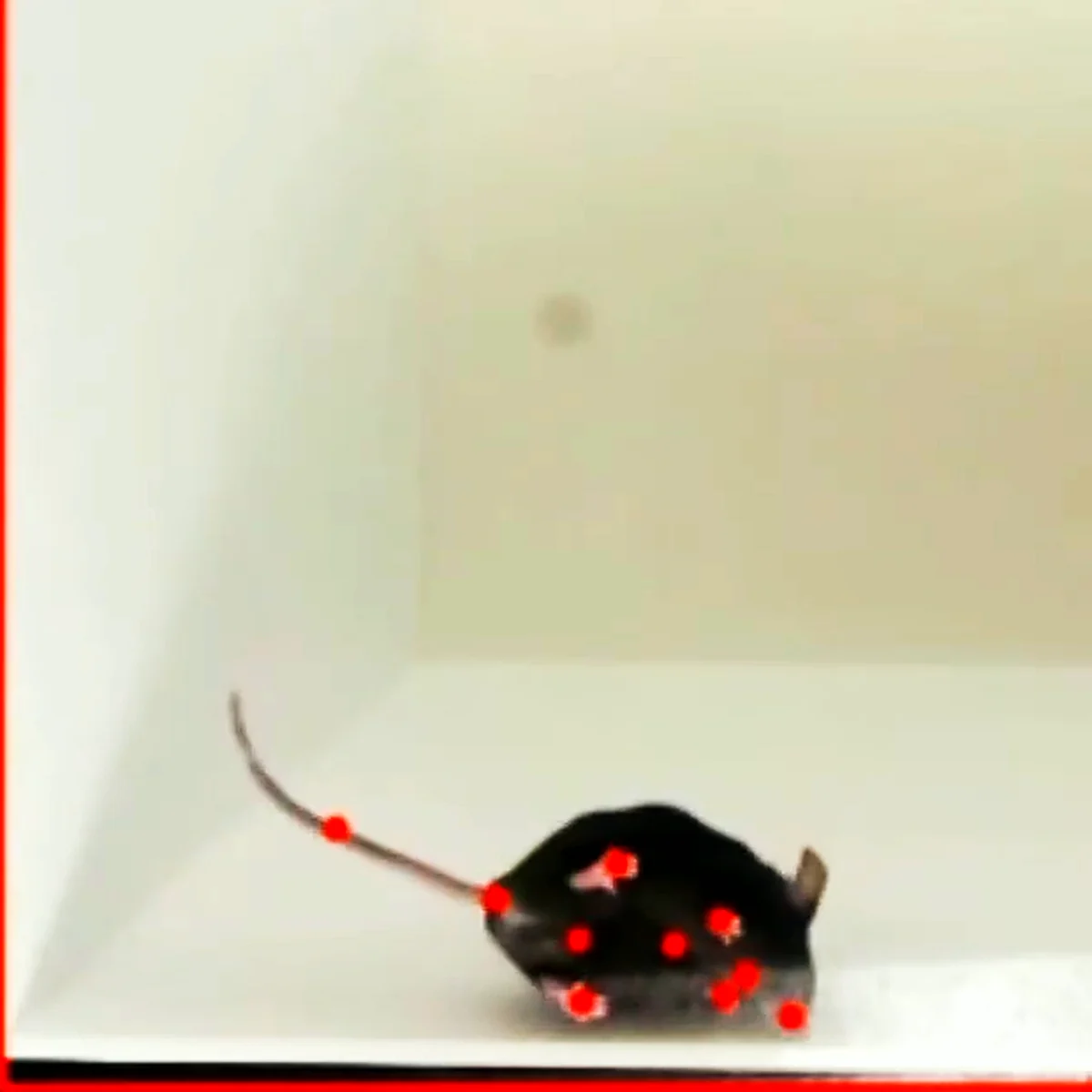
The Rodent Rotometry Monitoring Device (Rotameter) is a specialized instrument designed for precise measurement and assessment of rotational motor activity in laboratory rodents. This device quantifies rotational behavior patterns, providing researchers with objective data on motor function, asymmetries, and drug-induced rotation responses. The system enables standardized evaluation of neurological conditions, pharmaceutical interventions, and experimental treatments that affect motor coordination and balance.
Rotometry testing serves as a critical endpoint in neurological research, particularly for studies involving unilateral brain lesions, dopaminergic system function, and motor rehabilitation protocols. The device provides quantitative metrics for rotational bias, turning frequency, and directional preferences that are essential for characterizing motor deficits and therapeutic efficacy in preclinical models.
How It Works
Rotometry monitoring operates through continuous tracking of angular displacement and rotational movement patterns in freely moving rodents. The system typically employs sensor-based detection methods to record the animal's position and orientation within a defined testing arena, calculating rotational parameters including turn angle, velocity, and directional bias.
The device quantifies both spontaneous rotational activity and drug-induced rotation responses by measuring the cumulative angular displacement over specified time intervals. Data acquisition systems process movement signals to generate metrics such as net rotations per minute, rotational preference indices, and temporal patterns of turning behavior.
Rotometry analysis provides objective assessment of motor asymmetries that result from unilateral neurological lesions, pharmacological interventions, or disease-related motor dysfunction. The quantitative nature of rotational measurements enables statistical comparison between treatment groups and longitudinal tracking of motor function changes.
Features & Benefits
Continuous rotational tracking
Provides comprehensive assessment of turning behavior throughout entire testing sessions without interruption or manual observation
Quantitative angular measurement
Generates precise numerical data on rotation angles and frequencies for statistical analysis and objective comparisons
Automated data collection
Eliminates observer bias and ensures consistent data acquisition across all experimental subjects and sessions
Directional bias analysis
Differentiates between clockwise and counterclockwise rotations to identify motor asymmetries and lateral preferences
Temporal pattern analysis
Tracks changes in rotational behavior over time to assess drug kinetics and treatment progression
Customizable test parameters
Accommodates various experimental protocols with adjustable session durations and measurement intervals
Data export capabilities
Facilitates integration with statistical analysis software for comprehensive data processing and reporting
Behavioral Construct
- Motor Coordination
- Balance
- Locomotor Activity
- Stereotypy
- Asymmetric Motor Function
Automation Level
- fully-automated
Research Domain
- Addiction Research
- Aging Research
- Behavioral Pharmacology
- Motor Function
- Neurodegeneration
- Neuroscience
Species
- Mouse
- Rat
Compatible Tracking Software
- ConductVision
Shipping weight
- 6.06 lb
Shipping box
- L: 65.0 cm
- W: 36.0 cm
- H: 27.0 cm
| Feature | This Product | Typical Alternative | Advantage |
|---|---|---|---|
| Measurement Precision | Consult product datasheet for angular resolution specifications | Basic systems may offer lower resolution angle detection | Higher precision enables detection of subtle motor changes and smaller rotational biases in experimental studies |
| Data Collection Method | Automated continuous monitoring throughout testing sessions | Manual observation methods require constant researcher presence | Eliminates observer bias and fatigue while enabling extended monitoring periods without personnel requirements |
| Analysis Capabilities | Integrated software for rotational parameter calculation and analysis | Basic systems may require separate analysis software or manual calculations | Streamlines data processing workflow and ensures consistent calculation methods across experiments |
| Testing Environment | Dedicated testing chamber designed for rotational behavior assessment | Open field arenas may not optimize rotational movement detection | Purpose-built environment maximizes measurement accuracy and minimizes confounding factors |
The Rodent Rotometry Monitoring Device provides specialized functionality for quantitative assessment of rotational motor behavior with automated data collection and integrated analysis capabilities. The system offers dedicated testing environments optimized for rotational movement detection and comprehensive software tools for behavioral parameter calculation.
Neuroscience
Assessment of unilateral brain lesion models by measuring rotational bias and turning behavior to quantify motor asymmetries and neurological deficits.
Behavioral Pharmacology
Evaluation of dopaminergic drug effects on rotational behavior, including amphetamine-induced rotation testing and L-DOPA response assessment.
Neurodegeneration
Monitoring disease progression in Parkinson's disease models through quantification of motor asymmetries and rotational movement patterns.
Motor Function
Characterization of motor coordination deficits and balance impairments in genetic models of movement disorders and neurological conditions.
Addiction Research
Analysis of psychostimulant-induced locomotor sensitization and rotational stereotypy in addiction and substance abuse studies.
Aging Research
Documentation of age-related changes in motor function and balance through longitudinal assessment of rotational movement patterns.
Practical Tips
Calibration
Perform calibration verification before each experimental session using known reference angles.
Why: Ensures measurement accuracy and identifies any sensor drift that could affect data quality.
Maintenance
Clean testing surfaces thoroughly between animals to remove odor cues that might influence behavior.
Why: Prevents olfactory confounds that could bias rotational behavior patterns in subsequent subjects.
Best Practices
Allow animals to acclimate to the testing environment for 10-15 minutes before beginning data collection.
Why: Reduces stress-induced movement artifacts and ensures baseline behavior reflects normal motor function rather than exploration.
Data Quality
Monitor real-time data streams during testing to identify and address sensor malfunctions immediately.
Why: Prevents loss of experimental data and ensures consistent measurement quality across all test subjects.
Troubleshooting
Check sensor alignment and mounting stability if rotational measurements appear inconsistent or noisy.
Why: Mechanical vibration or sensor displacement can introduce measurement errors that compromise data validity.
Best Practices
Document environmental conditions including room temperature and lighting during each testing session.
Why: Environmental factors can influence motor behavior and should be controlled or recorded for data interpretation.
Safety
Ensure testing chamber dimensions provide adequate space for natural movement while maintaining sensor detection range.
Why: Proper chamber sizing prevents animal stress while optimizing measurement accuracy for rotational behaviors.
Setup Guide
Unpack and Inspect
Remove all components from packaging and verify completeness against the included checklist. Inspect the monitoring device and testing chamber for any shipping damage.
System Assembly
Assemble the testing arena and position the monitoring sensors according to the provided configuration diagram. Ensure all connections are secure and properly aligned.
Software Installation
Install the rotometry analysis software on the designated computer system. Configure communication settings between the device and data acquisition software.
System Calibration
Perform initial calibration using the provided reference standards to ensure accurate angular measurement and proper sensor response.
Test Protocol Setup
Configure experimental parameters including session duration, sampling rate, and data collection intervals based on study requirements.
Baseline Testing
Conduct baseline recordings with control animals to verify system performance and establish normal behavioral parameters.
Data Validation
Review initial data outputs to confirm proper recording and analysis of rotational metrics before beginning experimental sessions.
What’s in the Box
- Rotometry monitoring device (typical)
- Testing chamber or arena (typical)
- Sensor mounting hardware (typical)
- Data acquisition software (typical)
- USB communication cable (typical)
- Power adapter (typical)
- User manual and quick start guide (typical)
- Calibration tools (typical)
Warranty
ConductScience provides a standard one-year manufacturer warranty covering defects in materials and workmanship, along with comprehensive technical support for setup and operation.
Compliance
Good Laboratory Practice (GLP)Supports standardized data collection and documentation requirements for rotometry studies conducted under GLP guidelines.
ARRIVE GuidelinesFacilitates comprehensive reporting of animal research by providing objective, quantifiable behavioral measurements for publication.
IACUC Protocol RequirementsEnables automated data collection methods that may reduce handling stress and support refinement of animal use protocols.
Q
What parameters does the rotometry system measure and how are they calculated?
A
The system typically measures total rotations, net rotations (accounting for direction), rotation rate, and directional bias indices. Calculations are based on cumulative angular displacement measurements over specified time intervals. Consult the technical specifications for specific measurement algorithms and accuracy parameters.
Q
How long should rotometry testing sessions be for optimal data collection?
A
Session duration depends on the experimental model and research question. Typical protocols range from 30 minutes to several hours. For drug-induced rotation studies, sessions often extend 60-120 minutes to capture peak response periods. Baseline sessions may be shorter (15-30 minutes) for establishing normal behavior patterns.
Q
Can the system detect subtle changes in motor function or only gross rotational behaviors?
A
Detection sensitivity depends on the specific system configuration and sensor resolution. Many rotometry devices can detect partial turns and gradual directional changes, not just complete 360-degree rotations. Consult product specifications for minimum detectable angle and measurement precision.
Q
What data formats are available for export and analysis?
A
Most rotometry systems export data in standard formats compatible with statistical analysis software such as CSV, Excel, or specialized behavioral analysis packages. Raw time-stamped rotation data and calculated summary statistics are typically available. Verify specific export options in the software documentation.
Q
How is the system calibrated and how often is recalibration needed?
A
Calibration procedures vary by system design but typically involve reference angle measurements or mechanical rotation standards. Recalibration frequency depends on usage intensity and environmental conditions, generally recommended monthly or quarterly. Consult the user manual for specific calibration protocols.
Q
Can multiple animals be tested simultaneously or is it single-animal testing?
A
System capacity depends on the specific model configuration. Some rotometry devices support single-animal testing for high precision, while others may accommodate multiple chambers for throughput. Multi-animal testing may require additional sensors and software licensing.
Q
What maintenance is required to ensure accurate measurements?
A
Regular maintenance includes cleaning of testing surfaces, inspection of sensor alignment, and verification of mechanical components. Software updates and data backup procedures should be performed according to the maintenance schedule provided in the user documentation.
Have a question about this product?
Track rodents with ConductVision
ConductVision is our video-tracking software. Record your sessions on video, and it scores standard rodent tests, such as those listed below.
Examples of tests it scores
To check whether ConductVision scores your protocol in this apparatus, ask in your quote request.
Ask a question
Have a question? Just ask.
Send it over and we'll email you a personalized answer — no call, no scheduling.
Personalized email reply
Usually within one business day
Helpful answers published here
Prefer to talk it through?
Accessories
Enhance your setup with compatible accessories

Total: $0.00
Frequently Bought Together
Total: $590.00
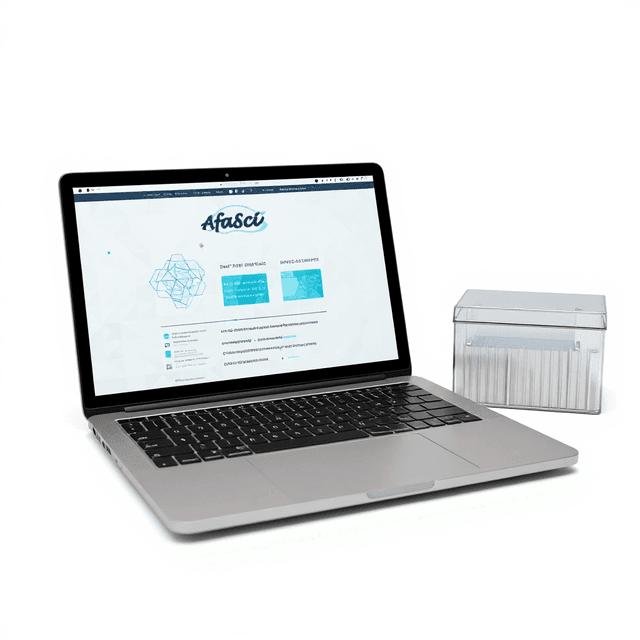
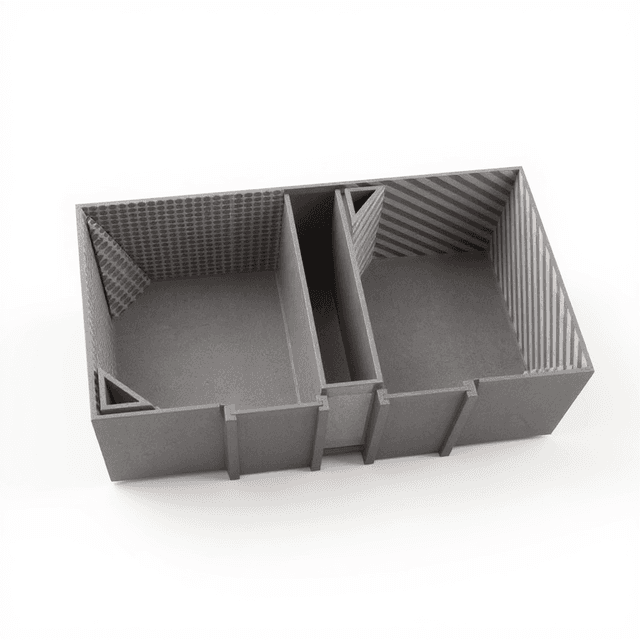

Rodent Rotometry Monitoring Device (Rotameter)
$8,499.99
Added to quoteView Quote
